It’s always a good day when I find an American chestnut tree. It’s an even better day when I find an American chestnut tree of a decent size.
Admittedly, I mostly feel this way because American chestnut isn’t an incredibly common species where I live.
A fungal disease known as chestnut blight kills most American chestnuts. The fungus cuts off the flow of water and nutrients within trees. Starved of nutrients, the trunks of American chestnuts die.
But the roots remain alive. They give rise to sprouts which eventually become new trunks. Sometimes these trunks live for many years, and sometimes I find them in the woods.
Such was the case a few days ago when I encountered a living American chestnut by chance. More than just a stump sprout, this particular American chestnut was a decent-sized tree.
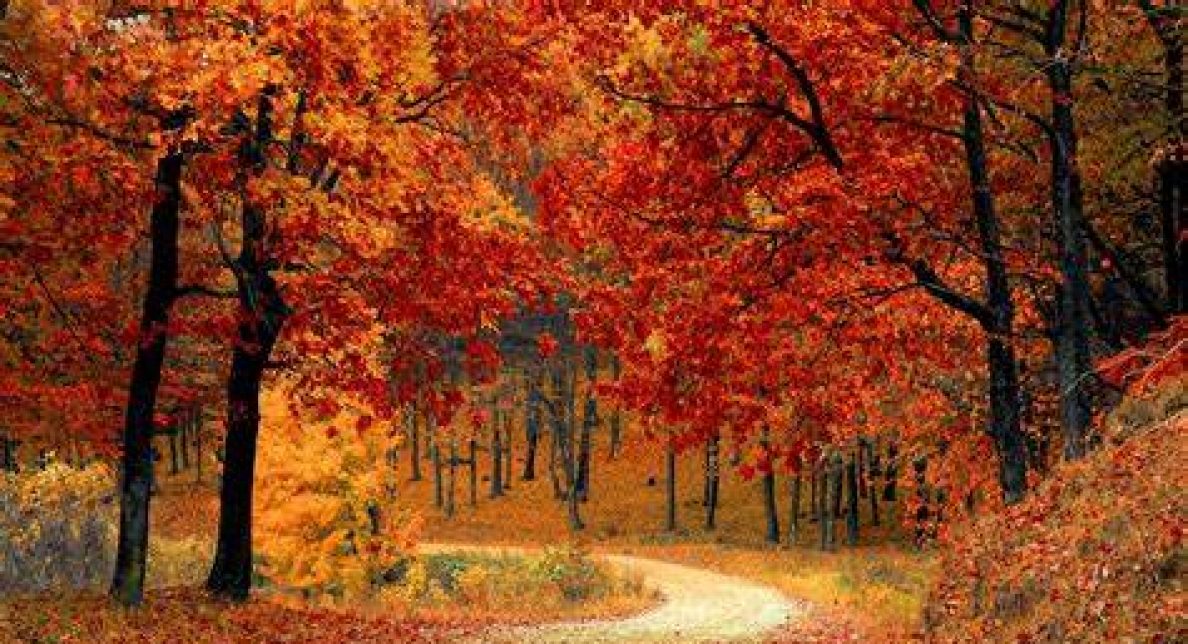
Needless to say, I was excited. I promptly decided to capture the experience on film to show you what an American chestnut looks like in the autumn season.
Speaking of decent-sized organisms, I recently found a large enoki mushroom. In fact, it was the largest enoki mushroom I’ve ever seen. To view a short video on that experience, check out the Learn Your Land Instagram and Facebook pages.
Thanks for reading and watching, and thanks for your continued support!
Conventional ways of doing things aren’t always the most effective ways of doing things.
Take tree identification, for instance.
We might think that we have to strain our necks in order to identify trees. If we don’t look up into the canopy, how else are we supposed to learn?
We can look down instead.
When we look down at the forest floor, we discover clues. After analyzing these clues, we can easily determine which trees are growing nearby — without even looking up.
During a recent walk, I attempted to identify trees based on what I observed beneath my feet. I brought my camera along to show you just how effective (and fun!) such an exercise can be.
I also recently posted a new video in which I discuss an edible mushroom known as hen-of-the-woods. To view that video, check out the Learn Your Land Instagram and Facebook pages.
Thanks for reading and watching, and thanks for your continued support!
In recent years, a new disease has been threatening its health. Leaves are falling off prematurely. Trees are dying. Researchers are scratching their heads.
Since its initial detection, this mysterious disease has been spreading throughout 12 states and one Canadian province. Some people are already predicting what a world without American beech might look like.
What is this new disease? How bad is it really? Who is the culprit? And will chemical treatments work this time?
Before I share a new video with you, I’d like to mention that I’ll be opening up registration for my online tree identification course on Monday, May 15.
Trees In All Seasons is an online video course designed to teach you how to successfully identify over 100 trees in every season. Registration will be open for one week only — from Monday, May 15 to Monday, May 22. Once you register, you will have immediate and unlimited access to the course.
If you’re interested in improving your tree identification skills, check your email on Monday for more information on how to register.
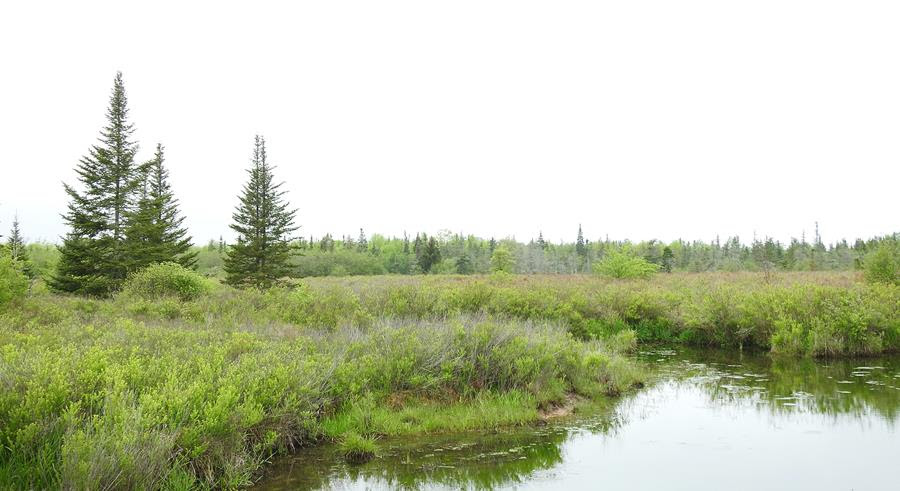
Two years ago, I explored a remote bog in northern Pennsylvania. It was the peak of the autumn mushroom season, but I wasn’t there to look for mushrooms. Archery season had just begun, but I wasn’t there to harvest deer either.
After a few hours of wandering through the bog, I eventually encountered the only person I’d see the entire day. His name was Bill and he was heading home for the day.
Taking one good look at Bill, I immediately knew why he was in this isolated part of Pennsylvania. He was hunting deer.
Bill, on the other hand, wasn’t too sure why I was there. He noticed that I had no hunting gear, no camouflage, no truck, and no apparent desire to look for deer.
Instead, I had a tripod, a camera, and a paper map printed off the internet.
After exchanging formalities, I explained to Bill why I was in the bog: to film and photograph balsam fir.
Bill was a lifelong woodsman. He hunted. He fished. He knew his way around the woods better than most people did. Bill spent his entire life in Pennsylvania, but he had never heard of balsam fir.
“We call them all pines,” he said as he watched me point out a few balsam fir trees.
Pines. I wasn’t too surprised to hear that response. Heck, I could even relate. Years ago, I called every conifer a “pine.” It didn’t matter if I was looking at a spruce or a fir. As long as the tree had evergreen leaves and woody cones, it was a pine.
Today, things are different. Disciplined tree study has allowed me to appreciate the beautiful differences between conifers. I now love observing the distinctive Christmas tree shapes of balsam firs. I love watching fir cones fall apart in the autumn season. I love smelling fir leaves (they smell better than any conifer I’ve ever smelled). And I love knowing that firs, despite being in the pine family, aren’t true pines. They’re firs, and thank God they are.
Noticing the distinctions between conifers is an important skill if you want to learn how to identify trees. Tree identification skills are important if you want to improve your ecological literacy.
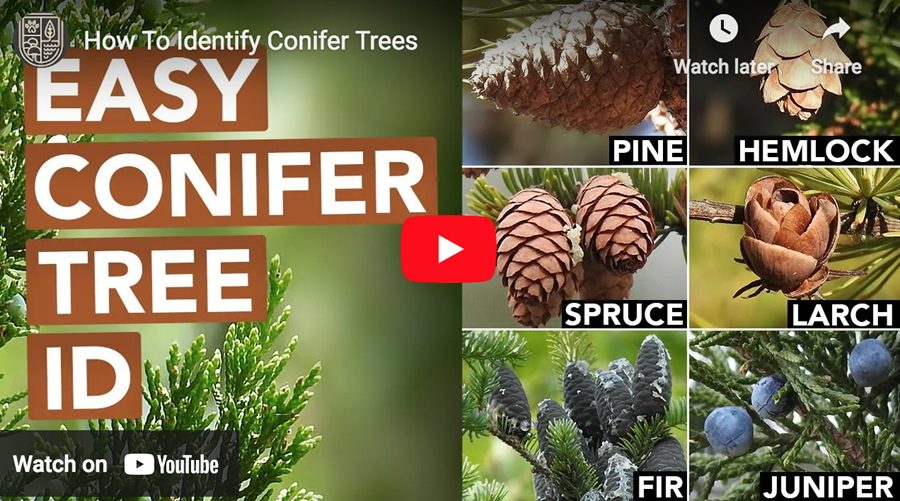
To get you started, I created a video in which I teach you the major differences between conifers.
Thanks for reading and watching. If you are interested in learning how to identify over 100 trees, check your email on Monday for information on how to register for Trees In All Seasons.
Have you ever said to yourself or others, “My garden is my therapy?” If you have noticed that you feel more relaxed and even rejuvenated after imbibing the beauty, fragrance, and even hard work in your garden, you are not alone! Gardening provides physical exercise, as well as a rewarding intellectual and emotional connection. When recognized on a personal level, it is not a stretch to see how people in a wide variety of care environments who are facing diverse personal challenges can benefit from professionally facilitated horticultural experiences as well.
The profession of horticultural therapy (HT) was formalized in the early 1970s, though people have sought out gardens and gardening activities for respite and health recovery well before then. The practice of horticultural therapy involves a plant-based activity, a horticultural therapist, client(s), and identified treatment goals and objectives. Either in a group or as individuals, clients participate in outdoor…
Years ago, I didn’t have much of an appreciation for the months of October and November.
Becoming a devout student of trees changed that.
In my early days of tree identification, I placed too much emphasis on the spring and summer seasons. Everything was lively and green, I reasoned. What more did I need?
As time went on, I inevitably ran into problems whose solutions would only be found in the autumn season.
I remember seeing an oak in the summer season whose leaves contained deep sinuses. Scarlet oak and pin oak were two candidates, but my beginner’s mind required more information. Once autumn arrived, I easily identified the tree based on its acorns. (Scarlet oak acorns contain concentric rings.)
I also remember seeing an ash tree but being unable to determine its exact identity. Once autumn arrived, I easily identified the tree based on its color. (White ash foliage turns yellow to purplish; green ash foliage turns yellowish-brown.)
I could share more examples of how the autumn season provided answers to my most pressing questions. Suffice to say, I now rank the months of October and November as among the most important for honing tree identification skills.
To help you hone your tree identification skills this autumn season, I am opening up registration for my online course next week.
Trees In All Seasons is a four-season online video course designed to help you successfully identify over 100 trees in every season — spring, summer, fall, and winter.
This course is presented entirely online and it features over 75 exclusive videos that lay the groundwork for successful tree identification. If you are interested in identifying trees but are finding it difficult to learn through field guides and apps, consider enrolling as a student in Trees In All Seasons.
Please note: Trees In All Seasons will be open for registration for one week only from Monday, October 17th to Monday, October 24th. Upon registration, you have immediate access to all course content and you can watch the videos at your own pace.
To register for Trees In All Seasons, mark your calendar for Monday, October 17th and visit this link.
All additional information (including course structure, outline, and cost) will be posted on Monday.
This is especially true when we consider what it takes to harvest pawpaws.
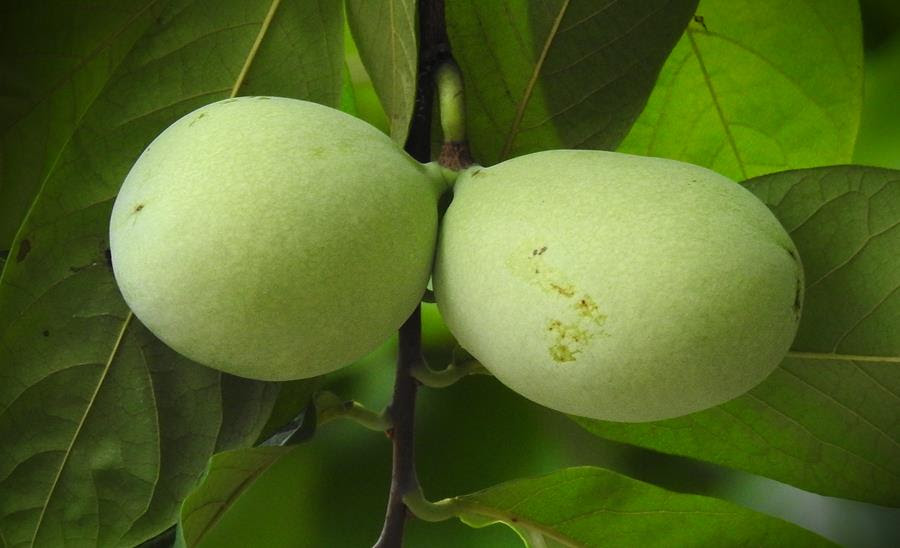
Pawpaws are incredibly delicious fruits that are produced by pawpaw trees (Asimina triloba). Green and kidney-shaped, these tropical-tasting berries are considered to be the largest edible fruits produced by any native North American tree.
Many people are interested in finding pawpaws for the first time this year. Some people will wait until the fruits are ripe in September to begin their search.
I would suggest another approach: begin your search right now.
Scouting the land in advance is an essential part of harvesting wild food. When preparatory work has been done ahead of time, successful harvests are much more likely to occur. Such is the case when we understand what it takes to find pawpaws.
What does preparatory work look like? How do we begin our search for pawpaws? What kinds of habitats are worth exploring?
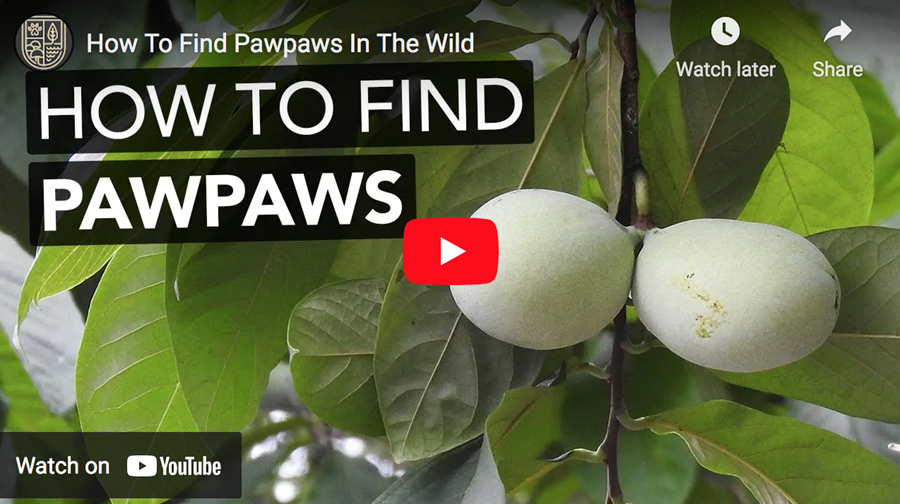
I answer all those questions in a brand new video. If you are interested in harvesting pawpaws this year, check it out!
I was a recent guest on the Silvercore Podcast hosted by Travis Bader. In this conversation, we chat about foraging, the importance of learning trees, and why money is necessary to protect land. You can listen to the interview here.
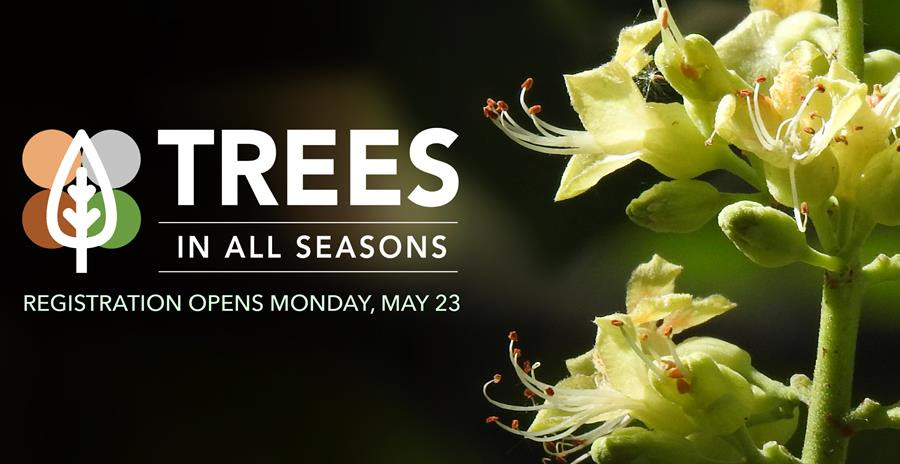
I am very excited to announce that registration for my brand new online course will be open on Monday, May 23rd.
Trees In All Seasons is a four-season online video course designed to help you successfully identify over 100 trees in every season — spring, summer, fall, and winter. Additional topics that are featured in this course include tree ecology, physiology, anatomy, and taxonomy.
This course is presented entirely online and it features over 75 exclusive videos that lay the groundwork for successful tree identification. If you are interested in identifying trees but are finding it difficult to learn through field guides and apps, consider enrolling as a student in Trees In All Seasons.
Please note: Trees In All Seasons will be open for registration for two weeks only from Monday, May 23rd to Monday, June 6th. Upon registration, you have immediate access to all course content and you can watch the videos at your own pace.
To register for Trees In All Seasons, mark your calendar for Monday, May 23rd and visit this link.
All additional information (including course structure, outline, and cost) will be posted on Monday.
My good friend Aaron Watson recently invited me on to his podcast to discuss my work with Trees In All Seasons and Learn Your Land. To learn more about the course, as well as my motives in creating the course, check out the recent interview: Part 1 Part 2
I look forward to seeing you on Monday! -Adam Haritan
A druid walks upon a landscape, barren, cold, with trees cut and plants uprooted. Tears in her eyes, she surveys the damage that others have caused: the homes of so many animals disrupted after logging, the wild ramps and ginseng roots damaged, and the remains of the logged trees laying like skeletons on the earth.…




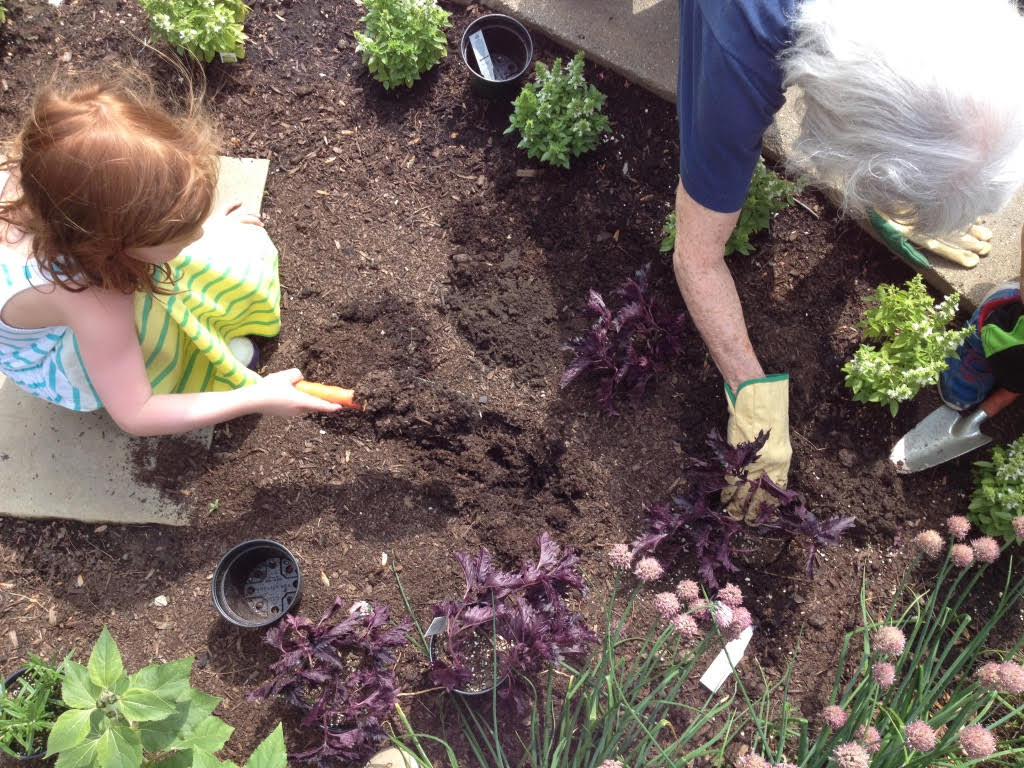 Have you ever said to yourself or others, “My garden is my therapy?” If you have noticed that you feel more relaxed and even rejuvenated after imbibing the beauty, fragrance, and even hard work in your garden, you are not alone! Gardening provides physical exercise, as well as a rewarding intellectual and emotional connection. When recognized on a personal level, it is not a stretch to see how people in a wide variety of care environments who are facing diverse personal challenges can benefit from professionally facilitated horticultural experiences as well.
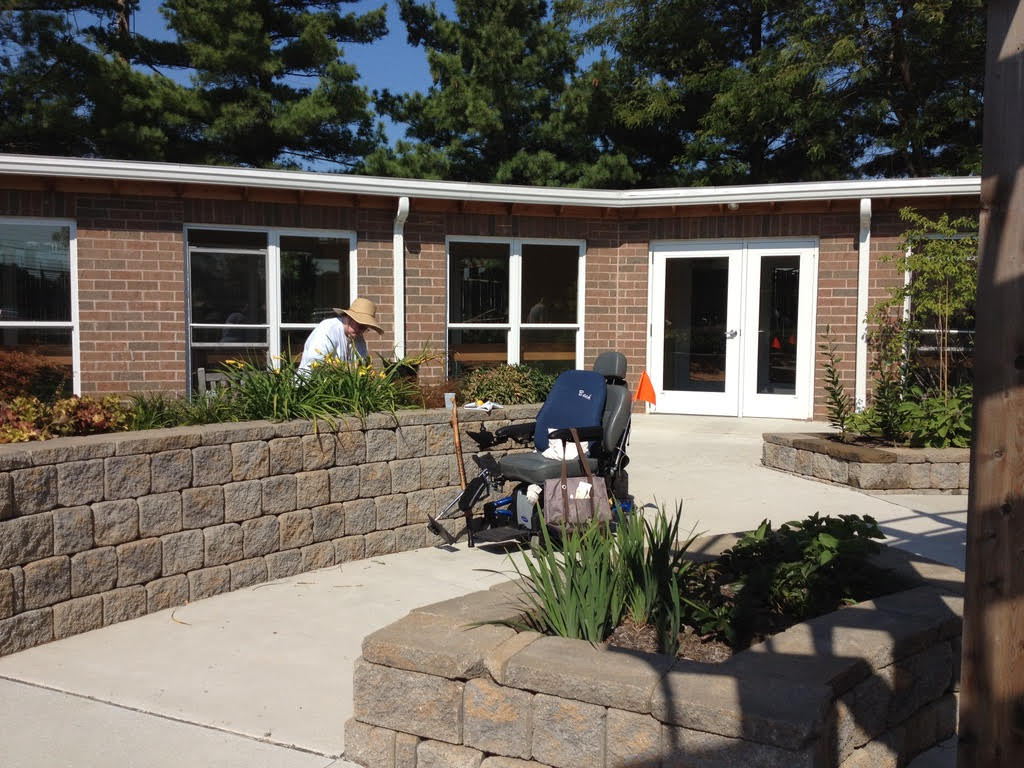 The profession of horticultural therapy (HT) was formalized in the early 1970s, though people have sought out gardens and gardening activities for respite and health recovery well before then. The practice of horticultural therapy involves a plant-based activity, a horticultural therapist, client(s), and identified treatment goals and objectives. Either in a group or as individuals, clients participate in outdoor…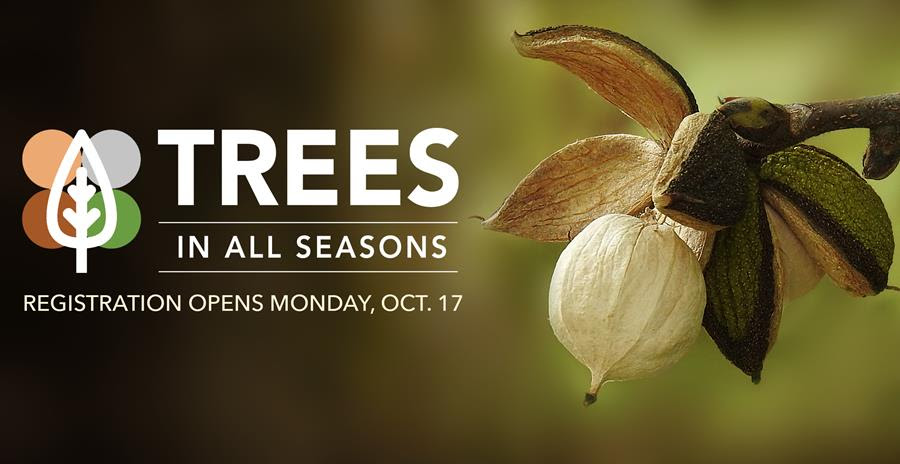





You must be logged in to post a comment.