Tag: Ritual tools
The Power of Magic
Destroying Your Thoughtforms:
Establishing Sacred Land, or, A Home-Coming

There has been a lot of talk in the American druid scene in the last few years about establishing sacred spaces, creating sacred groves, and really staring to re-enchant our land here. I think druids and other earth-centered spiritual traditions around the world, particularly those living in places shaped by colonization, face these same challenges: how do we create our own sacred spaces? What does that look like? I wrote earlier this year, for example, about Stones Rising at Four Quarters farm, and the raising of standing stones. A few years ago, I’ve also written a series on sacred sites in the US and how to build some sacred sites. This post continues those conversations.
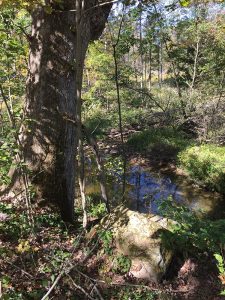 White Oak by the Creek
In my Stones Rising post, I talked about how establishing sacred spaces, as a community, was certainly an “American” challenge because of the history of colonialism and the…
View original post 2,972 more words
Second New Moon of Autumn
Herbal Astrology

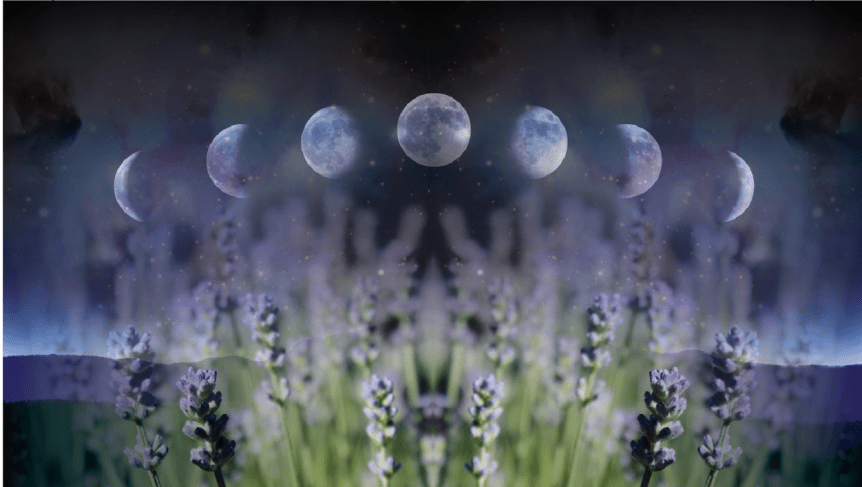
October Birthstones: Opal and Tourmaline
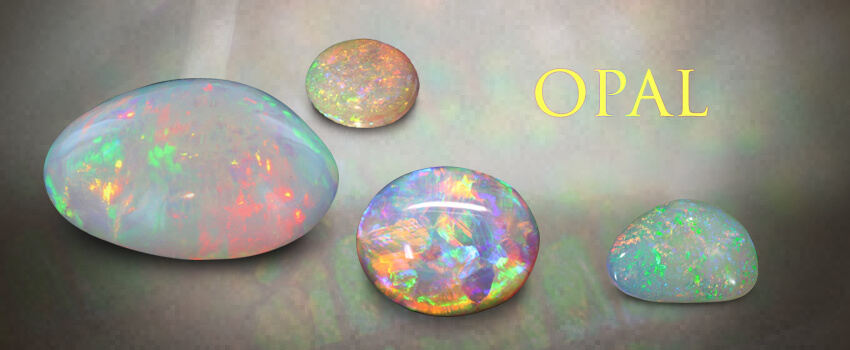


OPAL SYMBOLISM AND MEANING
Arabic legend attests that opals fell from the sky during lightning storms, while Australian aborigines thought the creator visited the earth in a rainbow and imparted opals as a colorful gift.
Nearly 100 B.C., a Roman scholar by the name of Pliny compared opal gemstones to volcanoes and colorful artwork, realizing that opals have the ability to reflect the hues of any gem. Because of these colorful reflective qualities, during the Middle Ages, it was thought that opals harnessed immense power and luck.
Throughout time, opals have been regarded as a gem full of good luck and fortune, especially for those with October birth months.
OPAL COLOR
Opals have a primary color of either white or black, and many people find both appealing. The opal’s most defining quality is its kaleidoscope character that radiates all the colors of the rainbow. Microscopic silica, a crucial component to…
View original post 1,232 more words
First Full Moon of Autumn
Ecoregional Druidry: Adapting and Localizing Symbolism

To follow up from two posts a month or so ago on ecoregional druidry and the wheel of the year and celebrating rituals, observances, and activities, I want to continue thinking about how druids can adapt basic practices of druidry to their local ecosystems. This is particularly important for those of us in diverse ecosystems around the world: part of nature spirituality is being with nature as she is in your region. Thus far in this series, we’ve explored a druid’s wheel of the year that is seasonally-focused on a local ecosystem as well as the different ways we might celebrate this wheel of the year with rituals, observances, and activities. Also tied to these spiritual practices are symbolism associated with the elements and directions; framing symbolism that weaves its way into our practices in a variety of different contexts. And so, in this post, we’ll delve into thinking…
View original post 1,883 more words
Sage Ash
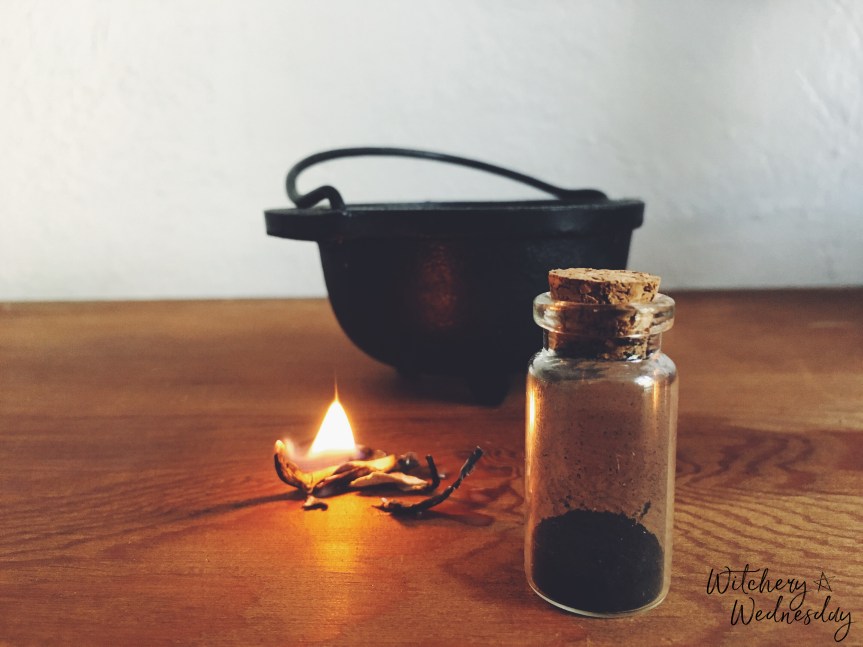
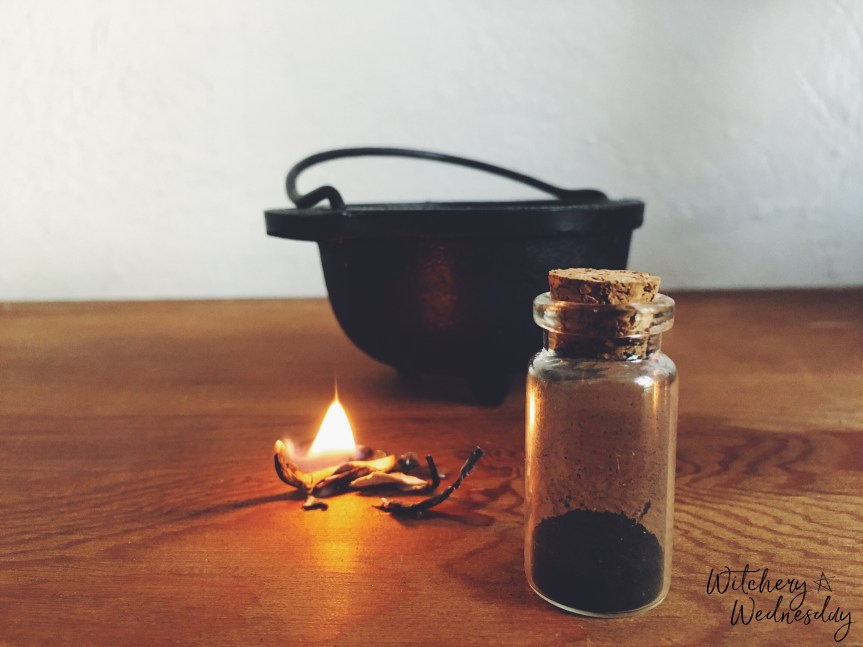

One of the signs that you might be a little witchy is that you tend to save everything. It’s not hoarding if it’s useful, right? And when it comes to spellwork, everything can be useful. If your pockets are currently full of bits of stray string and your shelves full of glass jars (that may or may not actually contain cobwebs on purpose) then you know what we’re talking about. But here’s something you’re probably not saving that you should be.
Burning white sage, whether as a smudge stick or loose, is almost a witchy right of passage. Some people will insist that you should discard of any loose sage or sage ash that is “used up” after burning so as to avoid “contamination”. But we disagree. Sage ash is incredibly useful, and should not be wasted.
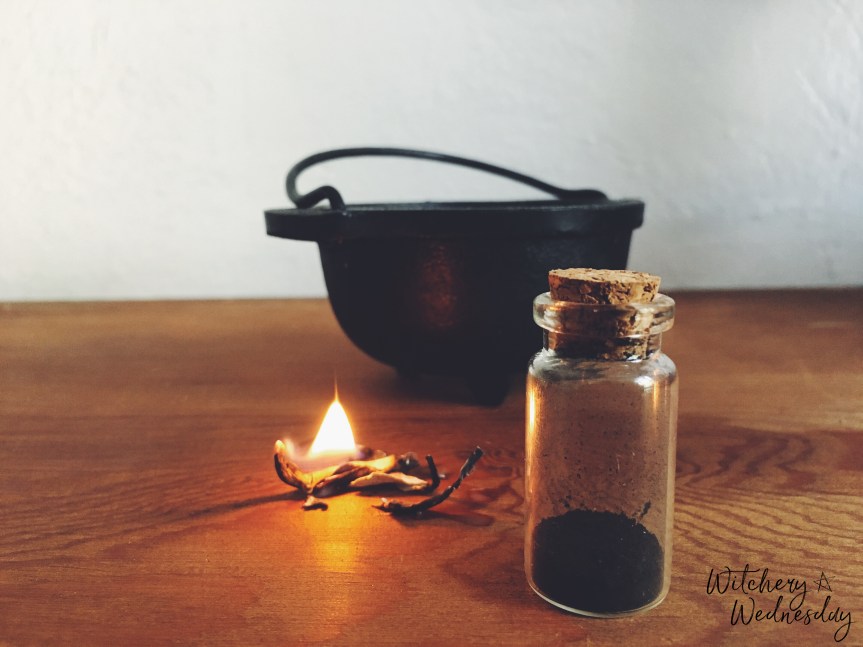
How to do it? If you are using a smudge stick, roll…
View original post 191 more words
 Paths I Walk
You must be logged in to post a comment.