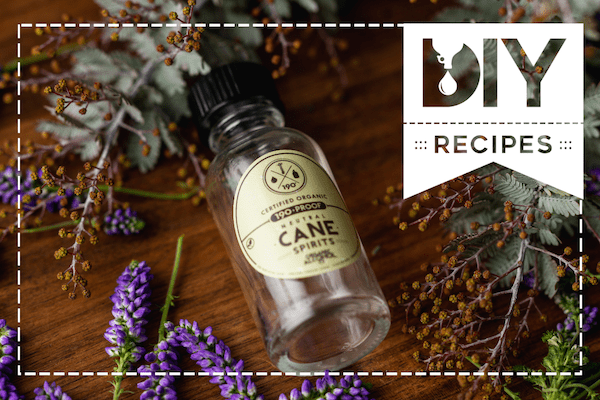

Organic Alcohol Company (OAC) was founded in 2001 to provide high-proof Organic Alcohol with herbalists in mind. Our founder, an herbalist himself, saw the need to provide an alternative to other conventional ethanols on the market. Focusing on high quality and healthful medicines is still something our whole team values. We regularly purchase products from our local herbalist customers, not only support their work, but to support the use of herbal medicines and remedies.
Many of us at OAC have taken to experimenting with OAC alcohol to make various herbal concoctions ourselves. As a novice, I am learning new information all the time. I only recently found out that traditional tinctures may be only called a tincture when alcohol is used as the solvent, or menstruum (another word for solvent).
Each time I learn something new I am more excited to dive deeper into herbal education, and glean knowledge from…
View original post 444 more words

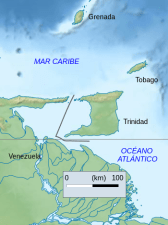 Last week we looked at some of the beverages important to a Trinidad Christmas. Now let’s talk about some of the foods and the special ingredients needed to make them.
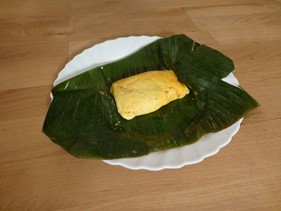 into a party and making large quantities assembly-line style. This is part of what makes them such a Christmas treat. Every island has their own…
 I was visiting my mother just a few weeks before Christmas in 2017. She had recently moved to a wonderful small family-run assisted living home. The owner, Ann Abdul, asked me if I’d like to taste some “sorrel drink” she had made for the holiday season. I had no idea what that was. It looked Christmassy–a brilliant ruby red. I took a sip, and the most delicious taste filled my mouth. It was a rich, complex, and unfamiliar burst of flavors. But it tasted like Christmas, too—it was sweet, and I thought I could detect cinnamon, cloves, and vanilla. But it also tasted a bit like lemonade with a pronounced citrusy tartness. I loved it, and I had to know more!


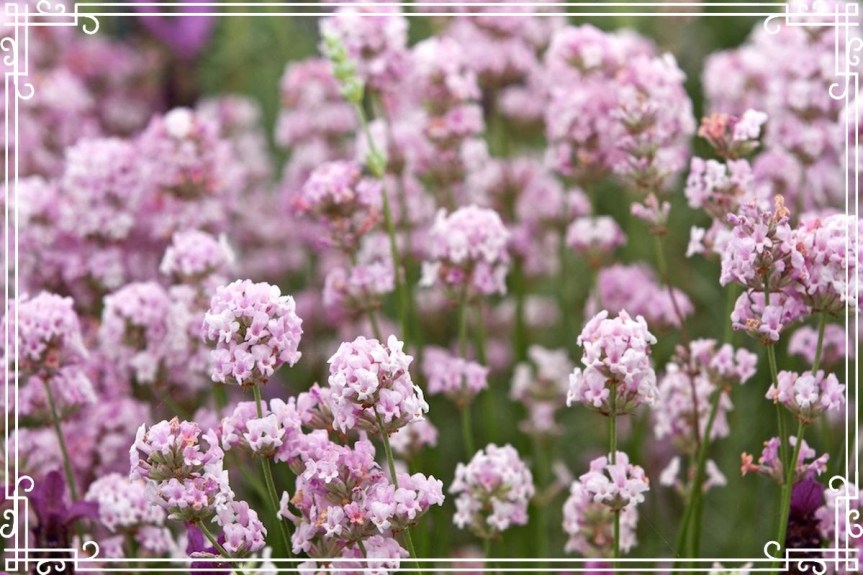 June 2020 Cultivar of the Month
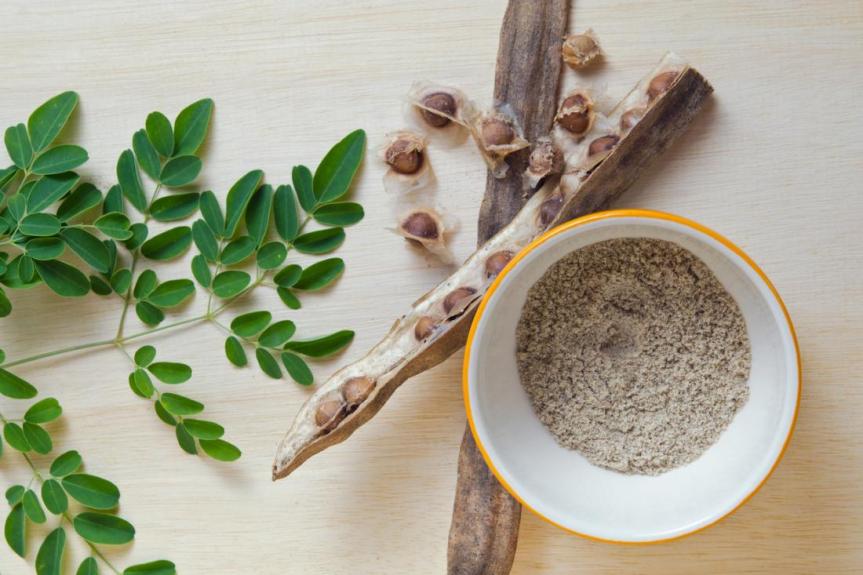
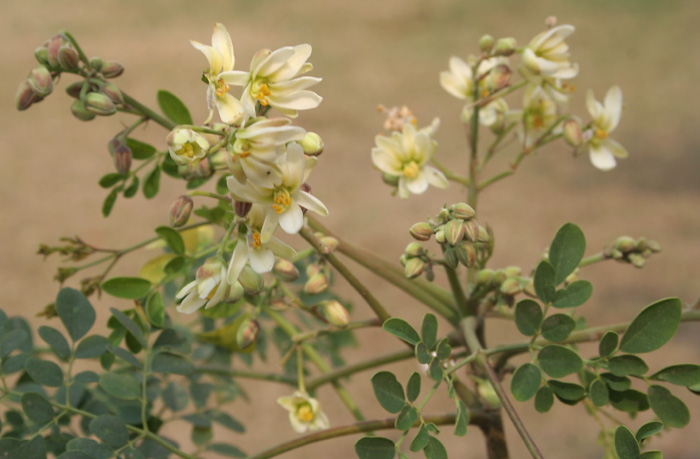 are endemic to Africa, and three species occur in India.1,2 Belonging to the Brassicales order, this plant family is distantly related to cruciferous vegetables like arugula (Eruca vesicaria ssp. sativa, Brassicaceae) and broccoli (Brassica oleracea var. italica, Brassicaceae) and contains many of the same nutrients and sulfurous phytochemicals.1,3 Moringa species grow as stout-stemmed trees or shrubs. Some species are known as bottle trees and have a large root system that enhances water storage and aids the trees’ survival during periods of drought.1 Members of the Moringa genus have corky gray bark and distinct bi- or tri-pinnately compound leaves that have conspicuous swellings, or pulvini, at…
 Paths I Walk
You must be logged in to post a comment.