
Eleven Old-Fashioned Potpourri Mixes You Can Make {Lavender Potpouriis}

Crooked Bear Creek Organic Herbs's avatarGood Witches Homestead

Cottage Garden Potpourri

1 cup dried lavender flowers
2 cups dried pink rose petals {preferably from extremely fragrant old Damask, Alba, Centifolia and Moss roses like ‘Gloire de Guilan’, ‘Ispahan’,’Marie Louise’, ‘Petite Lisette’, ‘Quatre Saisons’, ‘The Rose of Kazanlik’, ‘Felicite Parmentier’, ‘Belle Amour’, ‘Fantin Latour’, ‘Old Cabbage Rose’, ‘Mme Louis Leveque’ and ‘Gloire des Mousseaux’}
2 cups dried lavender leaves
1 cup dried clove pink petals
1 cup dried rosemary leaves
2 cups dried rose geranium leaves {choose from ‘Dr. Livingstone’, ‘Dwarf Rose’, ‘Attar of Roses’, ‘Round Leaf Rose’, P. graveolens}
1 cup dried blue delphinium flowers
2 tablespoons orris root chips
1 cup dried mignonette flowers
1 cup dried Westmoreland thyme
1 cup dried wallflowers
1 cup dried violets
1 cup sweet myrtle leaves
1 cup dried jasmine flowers
2 cups dried double hollyhock flowers
20 drops essential oil of lavender
20 drops essential oil of rose geranium

View original post 2,361 more words
Food as Medicine Update: Carrot (Daucus carota subsp. sativus, Apiaceae)

Crooked Bear Creek Organic Herbs's avatarCrooked Bear Creek Organic Herbs

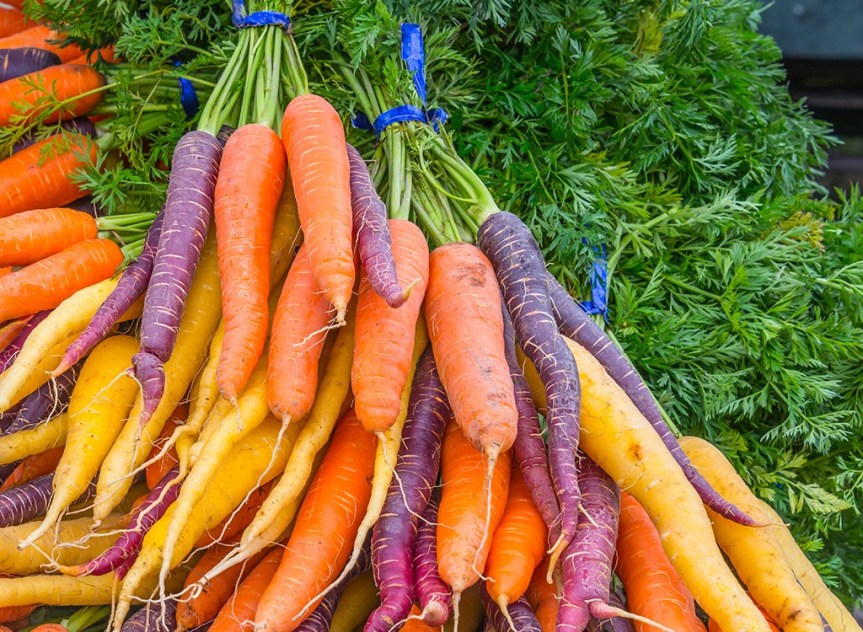
Widely available at most supermarkets, the common root vegetable carrot (Daucus carota subsp. sativus, Apiaceae) is a biennial plant with erect, green stems and fine, feathery leaves.1 The plant produces densely clustered white blossoms in an umbrella shape, which is typical of plants in the Apiaceae family. The edible taproot comes in a variety of colors: orange is the most widely available in stores, but the root can also be white, yellow, red, or purple.2

The modern carrot is a domesticated cultivar of wild carrot, Daucus carota, also known by the common name Queen Anne’s lace. Indigenous to Europe and southwestern Asia, frost-tolerant carrots are now cultivated in a wide range of environments.1 Carrots are popular with home gardeners due to their colorful varieties as well as their hardiness.

Phytochemicals and Constituents

Favored for their sweet flavor and versatility, carrots contain a vast array…

View original post 1,435 more words

GIFTING WITH INTENTION: HERBAL DIY

Crooked Bear Creek Organic Herbs's avatarGood Witches Homestead

So much of the holidays get lost behind the buying and gifting that it’s easy to lose sight of the fact that this time of year is about love, family, and doing good in the world. Gifting with intention has been our goal when it comes to thinking about the holidays, and it seems especially important these days, as we live in such challenging times. As herbalists, we love giving herbal gifts, as they are unique and are always well loved.

These simple and easy DIY recipes can be made at home, and the ingredients can be sourced at your local health food store/ co-op, or on Plant Therapy.

Flora-Forager-by-Bridget-Beth-Collins-6

DIY AROMATHERAPY SPRAY

It makes an excellent gift for anyone who experiences stress and worry. This aromatic blend of herbs is traditionally used to promote a joyful spirit and positive mental attitude*.

It pairs exceptionally well with this easy DIY…

View original post 515 more words

25 Days of Herbal Holidays Countdown

Crooked Bear Creek Organic Herbs's avatarGood Witches Homestead

2018 Holiday Sale on herbal courses! 

2018 Holiday Sale on herbal courses!

Sunday, December 2
SPECIAL OFFER:
SUPER HOLIDAY DEAL ENDS TODAY!
All programs are on sale, but our Herbalist Path Packages have super deals this weekend only to make the holidays even sweeter! 
What are your goals as you explore your herbal path and education? Do you want to support your family with herbs and natural approaches to your health and wellness? Do you want to learn herbalism to round out your knowledge so you can start a business?

SHOP HERBALIST PATH PACKAGES – Super Sale ends Sunday!

Whether you are just getting started in herbalism or have been exploring this natural path for some time, you might realize that there are several directions to take as an herbalist! Perhaps you are interested in opening up an herb shop or selling your own natural body care products. Maybe your passion is for people, and therefore…

View original post 1,103 more words

Food as Medicine: Anise (Pimpinella anisum, Apiaceae)

Crooked Bear Creek Organic Herbs's avatarCrooked Bear Creek Organic Herbs

Anise or aniseed (Pimpinella anisum, Apiaceae) is an herbaceous annual that grows to almost a meter (3.3 feet) in height.1,2 The lower leaves of the plant are dark green, heart-shaped, and shallowly lobed, while the upper leaves are feathery. In the summer, the plant produces small, white flowers in an umbrella-shaped head, and, in the fall, these flowers produce aromatic fruits that are three to four millimeters in length. These fruits, called “anise seeds” in the market and referred to in the rest of this article as “seeds,” are the medicinal and culinary portion of the plant.

The cultivation of anise, which is native to the Anatolian peninsula, Greece, and Egypt, has spread to other countries. The plant grows well in warm, frost-free climates.3,4 Anise should not be confused with fennel(Foeniculum vulgare, Apiaceae), licorice (Glycyrrhiza glabra, Fabaceae), or star anise (Illicium verum, Schisandraceae), which have…

View original post 2,028 more words

Food as Medicine: Date (Phoenix dactylifera, Arecaceae)

Crooked Bear Creek Organic Herbs's avatarCrooked Bear Creek Organic Herbs

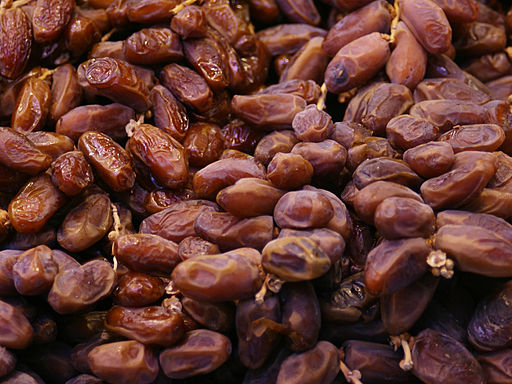
The date palm (Phoenix dactylifera, Arecaceae) has been cultivated for more than 5,000 years.1 Because of this long history of use and cultivation, the exact origin of the date palm is difficult to pinpoint. Dates have been harvested for centuries in northern Africa and the Arabian Peninsula, and have played a large role in the economies of countries where the plant grows.1,2 The largest global producers of dates are Iraq, Egypt, Saudi Arabia, Tunisia, Algeria, the United Arab Emirates, Oman, Libya, Pakistan, Sudan, and the United States.3

The date palm is a large palm tree and grows about 49-82 feet tall.1 The palm leaves are 1.5 to 11.5 inches long.1 Around the trunk of the date tree, the palm branches grow in a spiral pattern and form a crown with hundreds of leaves that are gray in color.2,4 The leaves have a…

View original post 2,299 more words

Food as Medicine Update: Sweet Potato (Ipomoea batatas, Convolvulaceae)

Crooked Bear Creek Organic Herbs's avatarCrooked Bear Creek Organic Herbs

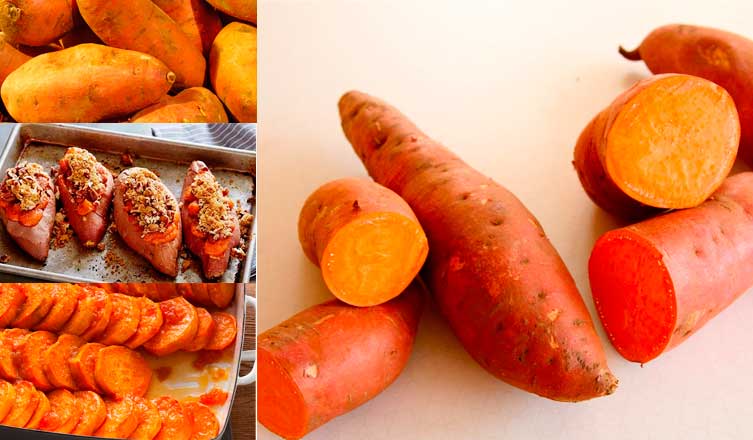
The sweet potato (Ipomoea batatas, Convolvulaceae) is a trailing, herbaceous perennial in the morning glory family.1,2 It is indigenous to Central and South America and grows best in subtropical climates, spreading along the ground and producing oblong, tuberous roots. There are more than 400 sweet potato varieties, and most have yellow-brown or copper-colored skins with bright orange or yellow-red flesh.3 Orange-fleshed sweet potatoes (OFSPs) are the most common varieties consumed, but white, cream, yellow, pink, and deep purple varieties also exist. The sweet potato plant has alternate, heart-shaped leaves and produces funnel-shaped white, pink, or rose-violet flowers that appear in clusters in the leaf axils as the plant matures.4

Taxonomic confusion can arise over the common name “yam” that often is given to sweet potatoes in the market. Botanically speaking, true yams belong to the genus Dioscorea (Dioscoreaceae) and are much less common in the United…

View original post 2,927 more words

Sticky Toffee Acorn Bundt Cake: Nutty, Sweet & Nutritious — Gather Victoria

This moist, dense and gooey Sticky Toffee Acorn Cake was made from acorns harvested from my neighbourhood. And despite the nearly full day it took to create (from harvesting, shelling, leaching, roasting and grinding – to the actual baking) it was well worth the effort! It took first prize in a most wonderful old-fashioned community harvest…

via Sticky Toffee Acorn Bundt Cake: Nutty, Sweet & Nutritious — Gather Victoria

The Fifth Season: Herbs for Wildfire Season

Ancestral Arts's avatarAncestral Apothecary

Guest student post by third year Cecemanna student Beth Sachnoff.

Here in California a fifth season has emerged. As we move from the warm months of summer into the dry winds of autumn we enter what has been the peak time for California wildfires.  In this era marked by extreme drought, years of fire suppression and climate change, fires have raged up and down California and the Pacific Northwest. This year alone, 1,258,880 acres have burned in California[1].

Driving up north to the mountains last month I was met with gray skies and smoky hazy air. The land is on fire. There was a heaviness in my heart and a deep sense of grief for the lives, homes and livelihoods lost. Back home in the Bay Area the air hung heavy with pollution carried from fires miles and miles away. Schools were instructed to keep children in-doors, and air…

View original post 1,443 more words

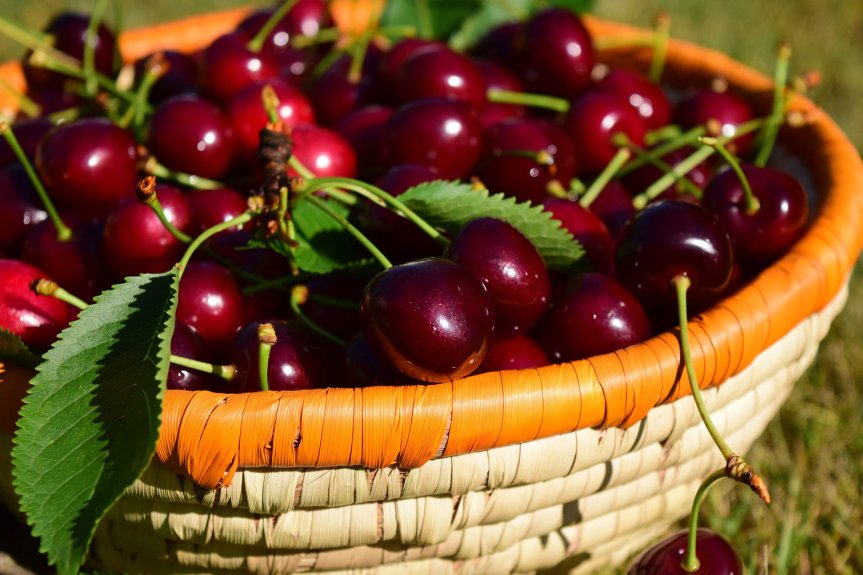
Food as Medicine: Cherry (Prunus avium and P. cerasus, Rosaceae)

Crooked Bear Creek Organic Herbs's avatarCrooked Bear Creek Organic Herbs

Take advantage of the fleeting cherry season to explore the fruit’s sweet side, sour side, and beneficial side. Due to their anti-inflammatory properties, cherry fruit and cherry bark have been used to treat and support a wide variety of chronic inflammatory conditions. In addition, the fruit’s rich phenolic compound content has been studied for their potential benefits for sleep disorders, exercise recovery, and cognitive function.

Known for both their ornamental beauty and sweet and tart fruits, cherry (Prunus spp.) trees are among the 3,400 species that belong to the economically important rose (Rosaceae) family. This botanical family also includes other fruit-bearing trees such as apples (Malus spp.) and pears (Pyrus spp.), as well as herbaceous perennials like strawberries (Fragaria spp.) and brambles like blackberries (Rubus spp.) and raspberries (Rubus spp.).1

Cherry fruits are produced by various trees…

View original post 3,878 more words