
By Peggy Riccio
 I love being able to step out into the garden and snip fresh herbs whenever I need them. Yesterday, I was making ham and bean stew in the crockpot. I was inspired to add thyme so I cut off a few sprigs from the thyme growing in the front of the house. I looked around and snipped even more herbs: cutting celery, oregano, sage, and rosemary. Except for the cutting celery, these are perennial herbs that should be in everyone’s garden. They can be tucked in the ornamental bed just like any other perennial plant. In the spring, you can purchase the small plants from a nursery or you can ask a friend for a cutting or division. Once you have them in your garden, you can enjoy them year-round and nothing will bother them, not even deer.
Cutting Celery
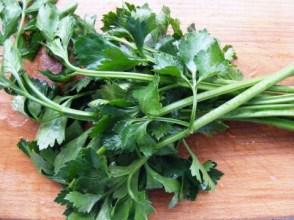 Botanically speaking, the cutting celery is a…
View original post 702 more words
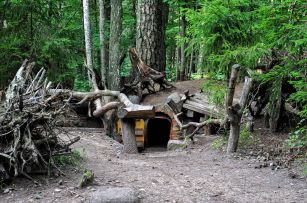 Long before humans roamed the forests, fairies are said to have taken up residence in the cavities of trees, forming fairy houses where they took refuge. Dating back to the Middle Ages, fairy folklore says that these little beings possess supernatural powers.
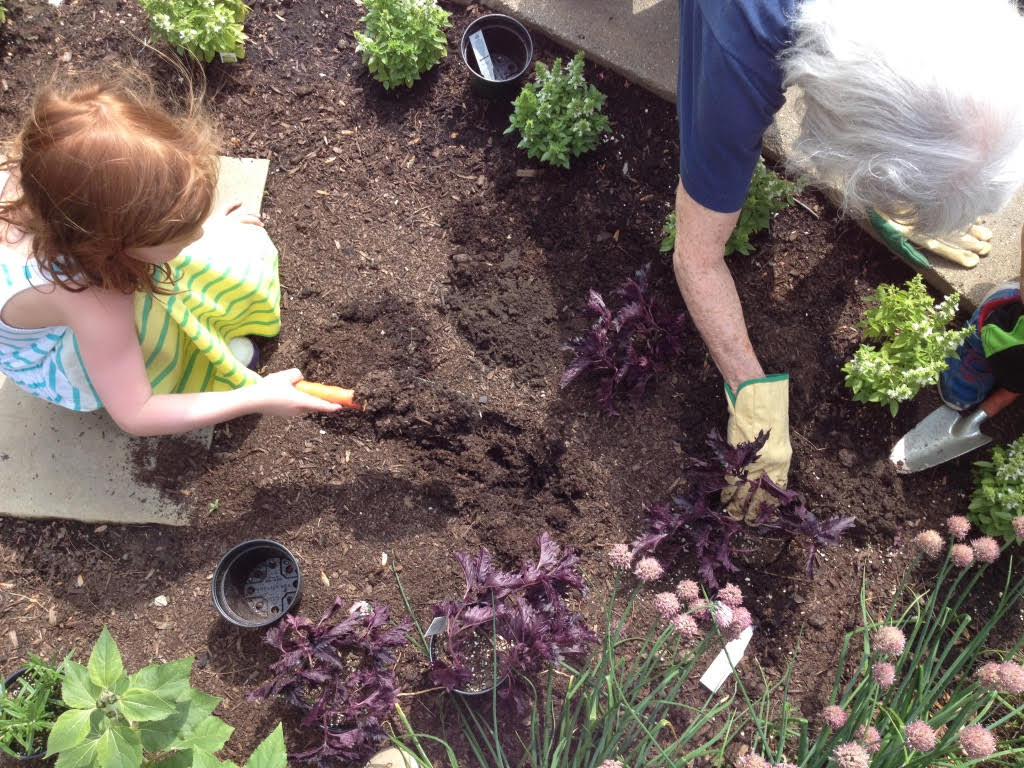 Have you ever said to yourself or others, “My garden is my therapy?” If you have noticed that you feel more relaxed and even rejuvenated after imbibing the beauty, fragrance, and even hard work in your garden, you are not alone! Gardening provides physical exercise, as well as a rewarding intellectual and emotional connection. When recognized on a personal level, it is not a stretch to see how people in a wide variety of care environments who are facing diverse personal challenges can benefit from professionally facilitated horticultural experiences as well.
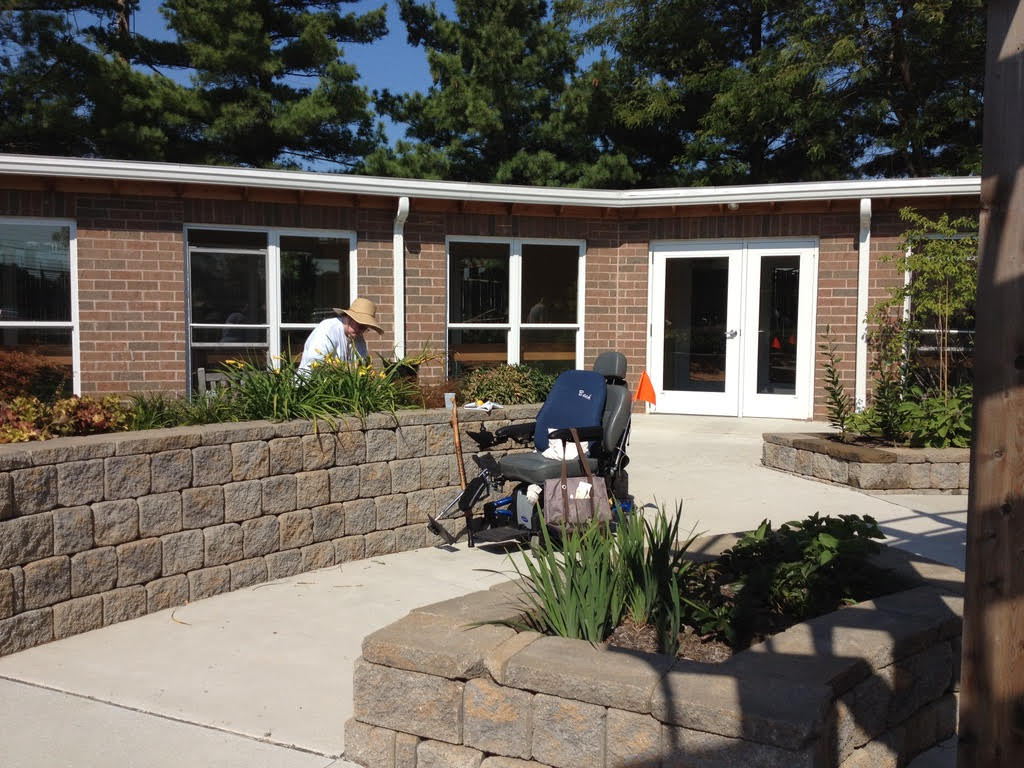 The profession of horticultural therapy (HT) was formalized in the early 1970s, though people have sought out gardens and gardening activities for respite and health recovery well before then. The practice of horticultural therapy involves a plant-based activity, a horticultural therapist, client(s), and identified treatment goals and objectives. Either in a group or as individuals, clients participate in outdoor…
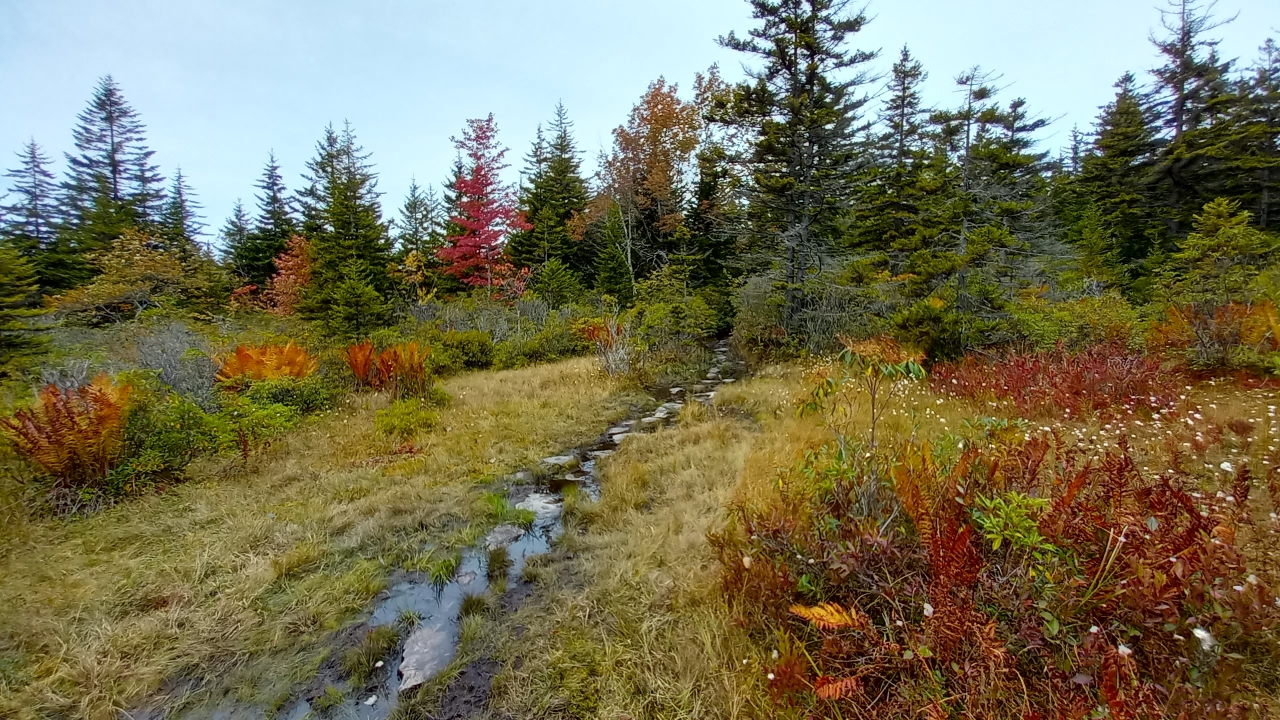 I have a bumper sticker on my car that reads: “I’d rather be lost in the Sods than found in the city.” A friend introduced me to the Dolly Sods Wilderness Area in West Virginia back when I was in college (and back when few people ever ventured that far outside of Washington, DC), and I have been hiking in the West Virginia mountains ever since. They are truly special in so many respects.
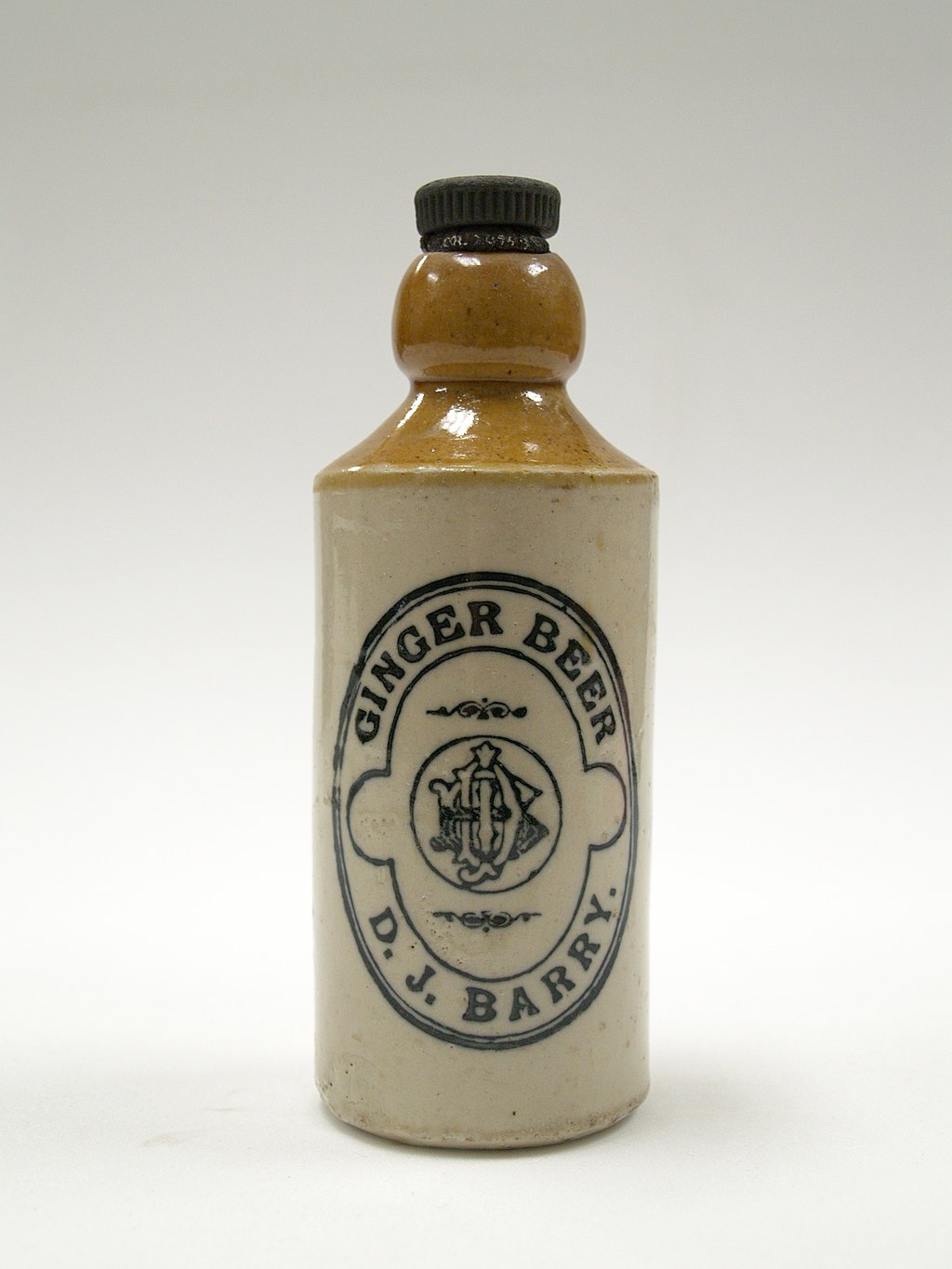 The fresh or dried rhizome of ginger (Zingiber officinale) has been used “as a condiment and aromatic stimulant from ancient times”. And from as early as the 15th century, ginger was exported from Zanzibar—a possible origin of the Latin, Zingiber—for use by healers, monks, and herbalists in tisanes, syrups, tinctures, and other carminative simples.
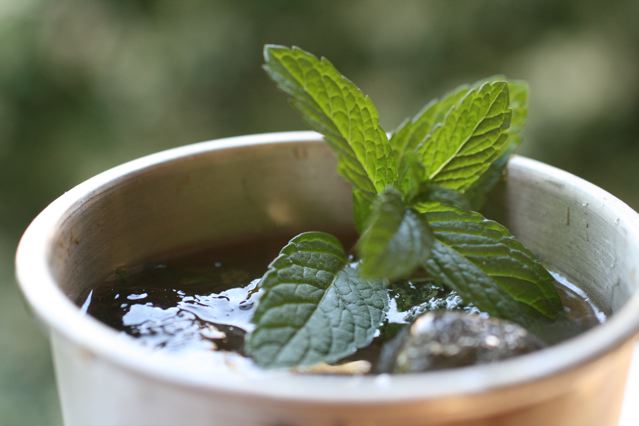 Fall and winter are the perfect “thyme” to enjoy some new seasonal herbal libations. As we move away from the oppressive heat of summer with our icy and light drinks enjoyed by the pool or lakeside, we can curate our offerings with the stronger, more flavorful herbs. Herbal cocktails and mocktails continue to be very popular and have the perfect flavor profile for wowing our guests as we entertain for the holidays.
 Paths I Walk
You must be logged in to post a comment.