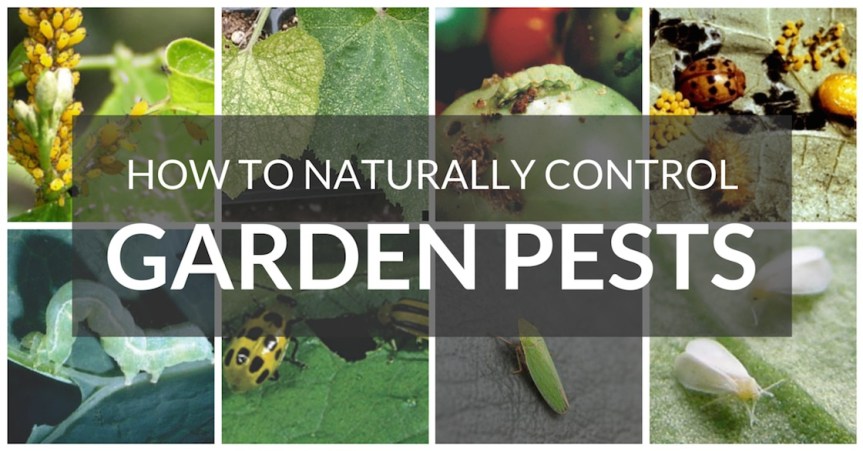
A Shady Subject…

By Crooked Bear Creek Organics

Crooked Bear Creek Organic Herbs's avatarCrooked Bear Creek Organic Herbs

Question: I have a lot of trees in my yard, which leaves very few sunny spots. Are there any herbs I can grow?
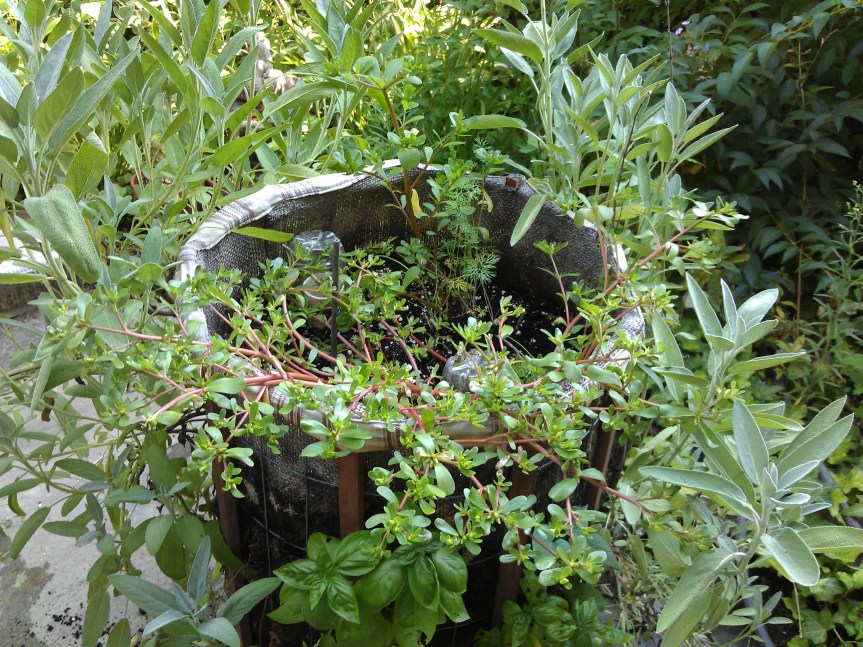
herb farm bucket

Answer: Most herbs love the sun, but some do thrive in woodlands and other shady spaces. Look for herbs that have shallow roots, which help them compete with tree roots that tend to hog water. Here are several of my favorite herbs that thrive on four or fewer hours of sun a day or dappled sunlight.

  • Angelica {Angelica archangelica}
  • Anise Hyssop {Agastache foeniculum}
  • Black cohosh {Actaea racemose}
  • Cardamom {Elettaria cardamomum}
  • Catnip {Nepeta Cataria}
  • Chervil {Anthriscus cerefolium}
  • Chives {Allium schoenoprasum}
  • Cilantro {Coriandum sativum}
  • Evening Primrose {Oenothera biennis}
  • Ginger, wild {Asarum canadense} or Mioga {Zingiber mioga}
  • Goldenseal {Hydrastis canadensis}
  • Lemon balm {Melissa officinalis}

View original post 52 more words
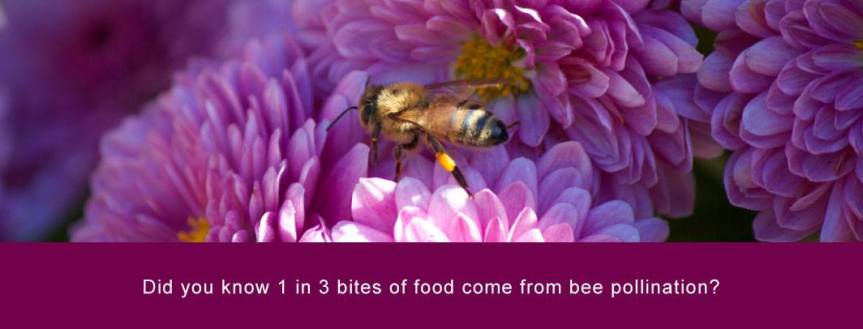
Honey Bees; Heros of Our Planet

By Crooked Bear Creek Organics

Crooked Bear Creek Organic Herbs's avatarCrooked Bear Creek Organic Herbs

Have you ever had the opportunity to observe the busy work of a tiny honey bee as it meanders from flower to flower on a clear, sunny day? There’s something truly captivating about honey bees that draw us deeper into their world. We see honey bees frequently in books, movies, and television, where they are often associated with making hives filled with delicious, golden honey. You might recall reading about a hungry bear character in search of the honey bee’s golden treasures in various children’s stories. Honey bees are known for their production of honey and beeswax, as well as the large role they play in the pollination of plants and flowers. Honey bees can also be considered super-organisms due to their complex social systems and dynamic, tight-knit interactions with one another and their environments.

Bee Species

There are actually seven recognized species of honey bee within the genus Apis…

View original post 2,192 more words

IPM For The Herb Garden

By Crooked Bear Creek Organics

Crooked Bear Creek Organic Herbs's avatarCrooked Bear Creek Organic Herbs

Designed as an alternative to the rampant use of insecticides in agriculture, Integrated Pest Management has proven to be an effective means of promoting healthy growth in the backyard garden as well. Learn more about how you can implement this technique in your herb plot.

Even under the best of care, your herb garden may be affected by pests or disease at some point. It can be difficult to choose the right moment and method to deal with these problems that arise, but implementing an Integrated Pest Management {IPM} strategy can help get your garden on the right track. With its multipronged approach of prevention, observation, identification, and control {if necessary}, IPM can have a significant impact in any garden, large or small, and will reward you with healthy, thriving plants with minimal impact to the environment.

The concept of IPM was first explored by American scientists and agriculturalists after…

View original post 2,021 more words

Companion Planting with Herbs

By Crooked Bear Creek Organics

Crooked Bear Creek Organic Herbs's avatarCrooked Bear Creek Organic Herbs

Boost your garden this season with the right pairings of plants.

Companion planting is a fantastic addition to any garden. By specific plants next to certain fruits, flowers, and vegetables, you can boost their health and increase their production. Of course, knowing what pairings work best is key, especially when it comes to herbs.

How It Works

Companion planting improves growth in a number of ways. To start, some plants serve to repel unwanted pests while providing shelter and safety for beneficial insects. Others encourage pollination, which is especially needed for those fruits and vegetables that don’t have noticeable flowers. Species with bright shades of blue, white, or yellow and/or with high concentrations of nectar can attract bees to these lesser-flowered plants. Larkspur, sunflowers, sweet peas, cosmos, zinnias, and mints all do well in vegetable gardens {though the mint does spread quickly}. Companion planting is a wonderful tool for organic…

View original post 2,129 more words

The Health Benefits of Alfalfa

By Crooked Bear Creek Organics

Crooked Bear Creek Organic Herbs's avatarCrooked Bear Creek Organic Herbs

We grow and cultivate alfalfa as a commercial crop, to feed our livestock and as well, I grow some around the house. I make sprouts, a herbal tea and I love the gorgeous little flowers in the late spring, early summer.

Medicago sativa

Also, Known As:

  • Alfalfa
  • Buffalo Herb
  • Lucerne
  • Mu-su
  • Purple Medic

Alfalfa is a common sight in many temperate grasslands of the world. Alfalfa belongs to pea family (Fabaceae). The herbal remedies made utilizing the alfalfa have been generally prescribed by herbalist for the treatment of a variety of ailments and disorders, the alfalfa can be taken in the form of an herbal tea and it is also used in the form of herbal tablets or capsules, at times the dried plant itself is consumed by patients. The effectiveness of the herbal remedies made from the alfalfa in treating disorders is available from many testimonials written by people who…

View original post 2,025 more words

Learn Your Land

By Adam Haritan

Continue reading “Learn Your Land”