Summer Herbs: Feverfew {Tanacetum parthenium}

Summer Herbs: Feverfew …

Crooked Bear Creek Organic Herbs's avatarCrooked Bear Creek Organic Herbs

Also, Known As:

  • Bride’s Button
  • Compositae
  • Featherfew
  • Featherfoil
  • Febrifuge Plant
  • Feverfew
  • Wild Chamomile

The feverfew herb has been used as an herbal remedy since the time of Dioscorides-78 A.D. The herbal remedies made from the feverfew was used to treat problems such as a headache, the development of menstrual irregularities in women, disorders such as stomachaches, and all types of fevers in particular. The common name of the herb itself is a simple corruption of the name in Latin- febrifuge or the fever reducer. Botanist is still agreed about what proper scientific name to give to this strongly aromatic and perennial herb. The feverfew belongs to the plant family Asteraceae, the disagreement among botanists about naming the plant has been existing for a long time now. The feverfew was in fact, placed into five different genera at different times. At this present time, the herb is known by the botanical name Tanacetum parthenium…

View original post 2,861 more words
6 Bug Repellent Patio Plants

Six Bug Repellent Patio Plants …

Crooked Bear Creek Organic Herbs's avatarCrooked Bear Creek Organic Herbs

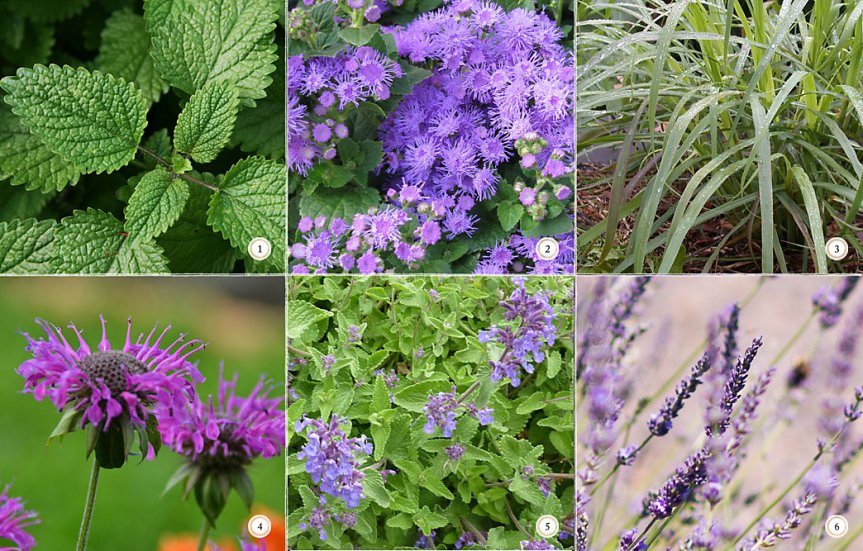
We love to spend our summer days outside with family and friends, but pesky bugs are quick to drive a party indoors. For a chemical-free way to keep insects at bay this season, we asked the experts from our green goods team to recommend their favorite bug repellent plants. Planted near the doorway or transformed into essential oils, these six natural options deter mosquitoes, flies, and more uninvited guests in the summer garden.

1. Lemon Balm (Melissa officinalis): Like many members of the mint family, this herb provides protection against summertime mosquitoes. To make a quick, all-natural bug repellent, crush a handful of lemon balm leaves and rub onto any exposed skin. If you’ve already suffered a bug bite, its soothing oils can limit itching as well. This easy-to-grow herb also has a number of additional applications, from infused teas and vinegar to green salads.

2. Ageratum ‘Artist…

View original post 326 more words

Wild Food Profile: Milkweed + Fried Milkweed Pod Recipe

Wild Food Profile …

Dana's avatarThe Druid's Garden

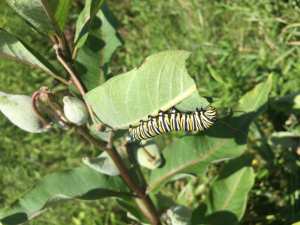
Monarch catepillar enjoying a milkweed feast--they know the good stuff when they see it! Monarch caterpillar enjoying a milkweed feast–they know the good stuff when they see it!

I love the summer months for foraging wild foods.  One of my very favorite wild foods is Common Milkweed (asclepias syriaca).  Around here, the pods are just beginning to form–and its a great time to explore this delightful wild food.  They have a light vegetable taste, maybe something like a sugar snap pea–very tasty and delicious.  In fact, this is one of the best wild foods, allowing you to have four different harvests from the plant at four different times during the spring, summer, and early fall.

Ethical Harvesting and Nurturing Practice

With the excitement of harvesting from common milkweed, however, comes a serious responsibility.  New farming techniques over the last 20 years have eliminated many of the hedges that used to be full of milkweed.  Because of this issue, the monarchs have been in serious…

View original post 914 more words

Tips For Growing and Preserving Herbs In The Low Desert

By Crooked Bear Organics

Crooked Bear Creek Organic Herbs's avatarCrooked Bear Creek Organic Herbs

Soil Preparation:

In low desert areas, growers are not blessed with the rich, organic soil we’d prefer to have. Most gardens will need some organic material, soil sulfur, ammonium phosphate, and gypsum. Every year, as a matter of fact, you may need to add organic matter and gypsum. Pay close attention to your garden soil. If you get a soil test, you’ll know what the pH and fertility are and can make any necessary adjustments. If the test indicates your soil needs it, add fertilizer during pre-plant soil preparation, when it is easier to amend the soil; you’ll also find the results more effective. Spade the soil deeply, to a depth of 18 inches, to loosen compact soils. Enrich the soil with plenty of compost and well-rotted manure. It greatly helps gardeners to spade as much as 6 inches of organic material into the top 12 inches of the planting…

View original post 1,437 more words

Southwest Herb Gardening: What To Plant In June, and Watering In June

By Crooked Bear Organics

Crooked Bear Creek Organic Herbs's avatarCrooked Bear Creek Organic Herbs

We recommend most plants be planted in the fall or spring. However, if you must plant during the summer months watering may need to be more frequent and you must be diligent about observing your newly planted plants for signs of water stress. Follow the guidelines in the Watering section.

Many cacti and warm-season succulents can still be planted in the summer. When transplanting cacti and succulents, mark either the south or west side and plant facing the orientation you marked to avoid the burning of tender tissues. Most nurseries will mark the side of the container to help you determine proper planting orientation. However, if the original orientation is not known, newly planted cacti and succulents need to be covered with shade cloth if the plant surface appears to yellow or pale suddenly. Use a shade cloth rated between 30-60% as anything higher will block most of the sunlight and…

View original post 1,557 more words

Southwest Herb Gardening: June In The Low Desert

By Crooked Bear Organics

Crooked Bear Creek Organic Herbs's avatarCrooked Bear Creek Organic Herbs

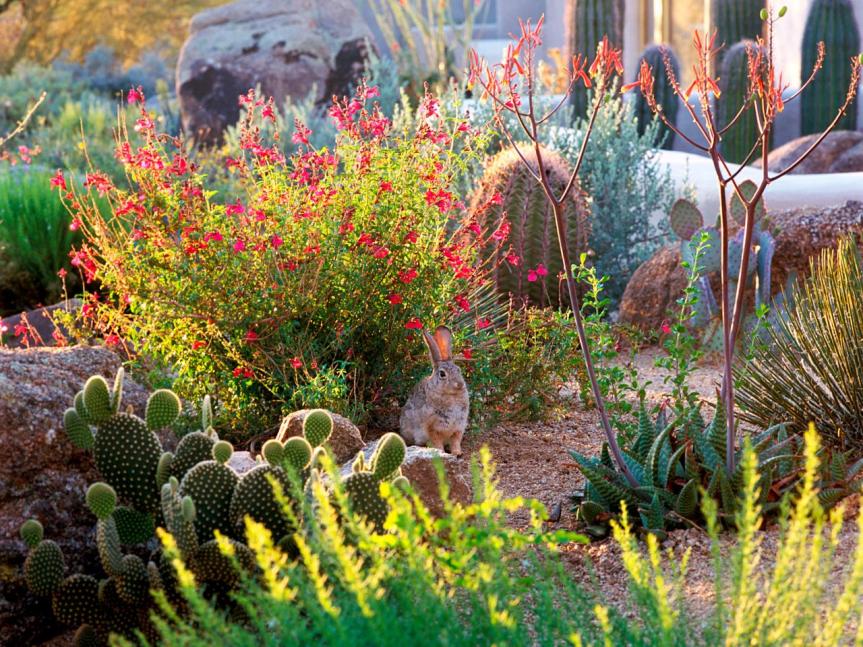
June in the low desert is generally the driest and hottest month. Desert gardeners often must begin their garden activities in the early morning or at sunset to avoid the intense sunlight. Plants must endure the intense heat throughout the day. Many native and desert-adapted plants have numerous adaptations that enable them to live successfully in the desert, such as succulence, drought-deciduousness, and small leaves, to name a few examples. Even with these numerous adaptations, desert plants sometimes need a little help to keep them healthy and thriving in your garden. Native and desert-adapted plants that were newly planted and those that are not established in the landscape need to be watered until they become established in the landscape and can then survive with natural rainfall. Even established plantings will need an occasional supplemental watering during long periods of drought to keep them healthy and stress-free.

Summer is the prime…

View original post 1,684 more words

The Spice Pantry: Queen of the Spices, Cardamon

By Crooked Bear Organics

Crooked Bear Creek Organic Herbs's avatarCrooked Bear Creek Organic Herbs

Cardamom – The Queen of Spices

My favorite spice in the house!

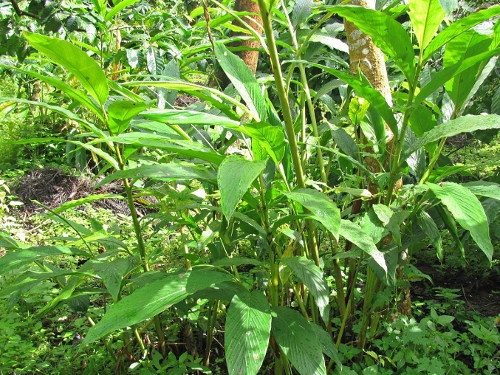
Cardamom is the Queen of Spices and has grown lavishly under the tropical canopy on hillsides in the Ghat Mountains on the Malabar Coast of southern India to be harvested by hand and shipped around the world.  The cardamom familiar to India and the western world is called green cardamom and it, along with several other types such as giant cardamom, black cardamom, and bastard cardamom, have been used for cooking, perfumery, incense, and medicine since very early in history.

cardamon flowers

Ancient Egyptians used it frequently for perfume along with frankincense, myrrh, cinnamon, and cassia, and had a recipe for an ointment called “Oil of Lilies” that included the scent from 1000 lilies. It is often mentioned as one of the ingredients of the ancient incense kyphi. Cardamom essential oil is one of the oldest essential oils known in perfumery…

View original post 1,291 more words

June Herb of the Month: Capers

By Crooked Bear Creek Organics

Crooked Bear Creek Organic Herbs's avatarCrooked Bear Creek Organic Herbs

Did you know:

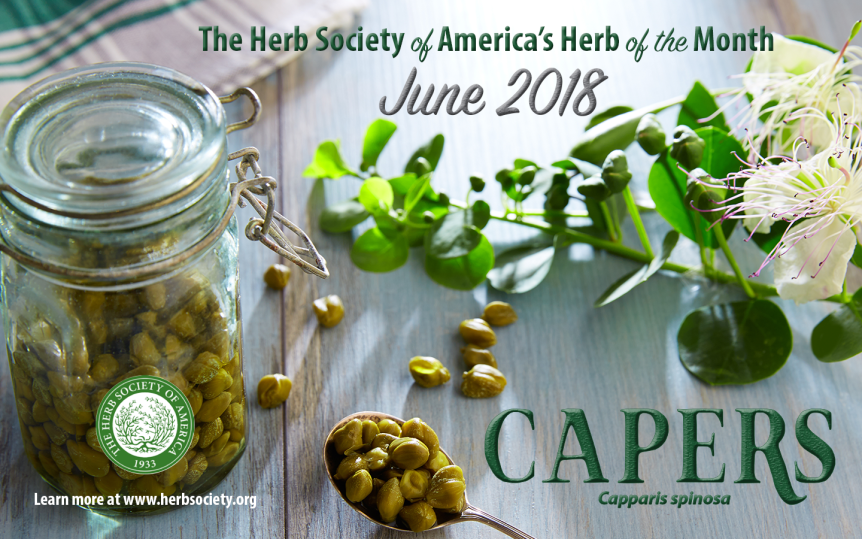
Capers – Capparis spinosa
• Capers are the flower buds of the Flinders rose (or caper bush) Capparis spinosa
• This thorny shrub is native to the Mediterranean and hardy to USDA zone 9
• Capers thrive in hot dry climates
• Grows as a mounding shrub with a sprawling habit
• The flower buds are hand-picked then either pickled, brined or packed in salt to preserve
• The bitter flavor is mellowed by pickling, resulting in a salty, slightly sweet taste
• Buds that bloom produce a white flower with purple stamens which then will form a small fruit
called a caperberry.
• Caperberries are also pickled and are often served on antipasto platters or used as a garnish for
martinis
• The smaller the caper, the better the quality, flavor and commercial value, and are also called
nonpareilles or surfines; larger ones are known as…

View original post 347 more words

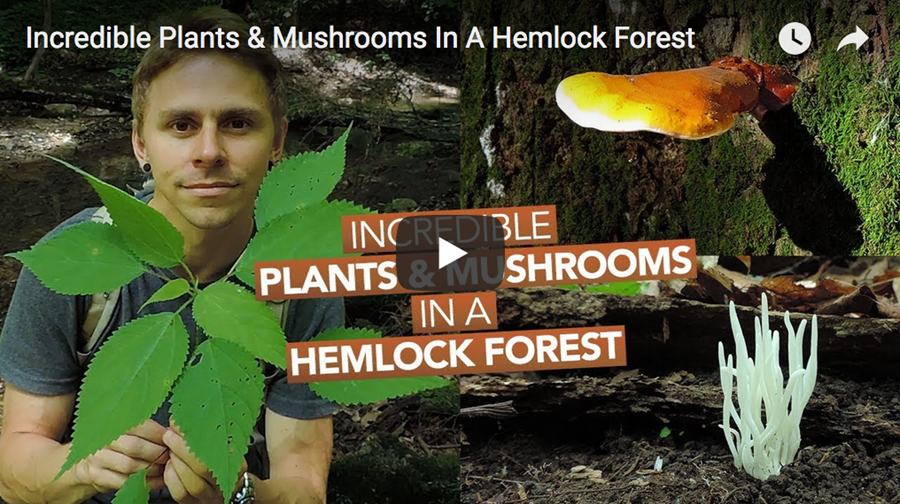
One Of My Favorite Places To Find Incredible Wild Plants & Mushrooms

Greetings!

First, I want to say “Thank you!” to everyone who pre-registered for the upcoming Summer Flora & Fungi Hike on July 7th.  Registration is now closed, as both walks have filled to max capacity.  Stay tuned for another Learn Your Land outdoor event to be held in August!

Second, let’s talk about ideal locations to find incredible wild plants and mushrooms.

Bogs are magical.  Floodplains are great.  Deciduous woods are wonderful, and forest edges are fantastic.

I love walking through all these unique ecosystems during all seasons of the year, though I’d be remiss if I didn’t mention an additional habitat that I absolutely love exploring…

A hemlock forest.

There’s something special about it.  Dark, moist, green, and aromatic… this is how I typically think of a hemlock forest.  Deep in these woods, incredible wild plants and mushrooms can often be found if the conditions are right.

I recently explored a hemlock forest in search of summer’s flora and fungi.  Needless to say, I brought my camera along and documented the experience.  If you’re interested in learning a few new incredible plants and mushrooms (some of which are edible and medicinal!), check out the brand new video!

Speaking of incredible wild fungi, Black Trumpet mushrooms are appearing right now.  These fungi are some of the tastiest wild mushrooms on the planet, though they’re not always so easy to find.  Check out this recent Instagram post to learn a few foraging tips!

Thanks for reading and watching, and as always, thank you for your support!

-Adam Haritan

Witchcrafting with Burdock Root & Leaf

By Slavic Witch