

This herbal cough syrup recipe was inspired by formulating with the TASTE of herbs. I wanted to create an effective syrup that encompassed all five of the tastes in Traditional Chinese Medicine (pungent, salty, sour, bitter, and sweet). It’s commonly believed that a meal isn’t complete unless it has all the flavors, so I thought it would be interesting to apply this to an herbal formula as well. While western herbalists don’t often talk about the taste of a plant (although this is slowly beginning to change), classifying herbs by their taste is a major foundation of Ayurveda and Traditional Chinese Medicine, two of the largest and oldest living systems of medicine today. The idea is that, by simply tasting an herb, you can understand the big picture of the ways it could be used. Taste, as well as how you feel after tasting, can also give you insights into…
View original post 305 more words




 My father had over three acres of the most glorious organic gardens, filled with historic roses, lilies, and every kind of beautiful perennial and herb imaginable. I remember perfect summer evenings when he’d wander his gardens with a cocktail in one hand and a sprinkling hose in the other. He taught me everything I know about growing beautiful gardens organically and with a minimum of intervention.
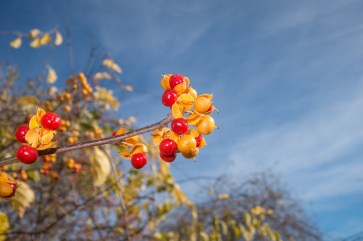 A lot of legends of magic, revenge and sorcery begin with two sisters. Sometimes they are friends. Sometimes they are rivals. But an unspoken message in many stories is, “Don’t pick the wrong one!” Increasingly, North American gardeners are finding themselves faced with this dilemma. The choice may be between a native plant and its sometimes seductive, sometimes invasive sister, introduced from elsewhere.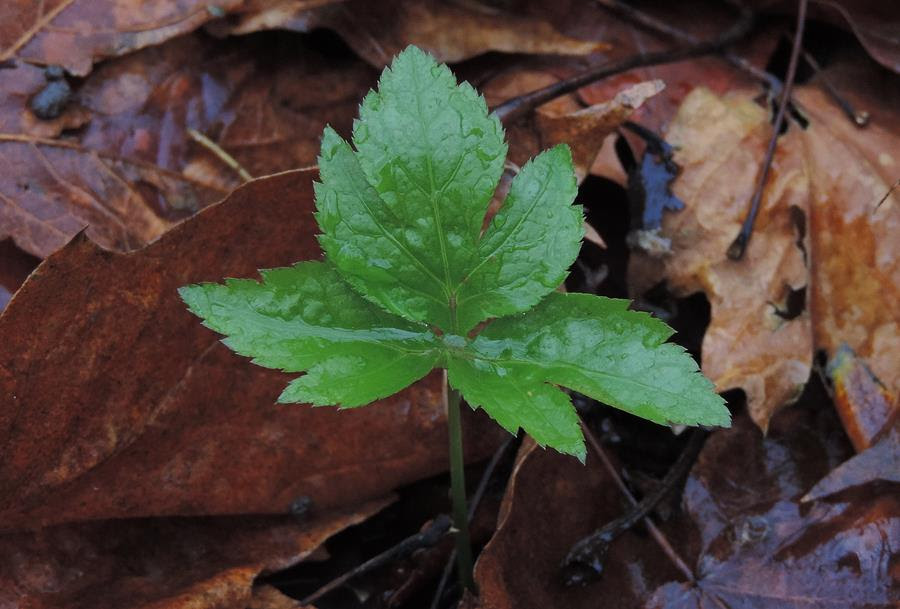


 Basket of newly made smudge sticks


You must be logged in to post a comment.