Wood Sorrel Mini-Cream Tarts: Wild Food Treats — Gather Victoria

​Here’s another recipe from “Gather Cookbook” for Gather Patrons! I’m releasing a few of last year’s recipes to the Gather website – so the rest of you can see what you’re missing! First up was a Chunky Rose Petal Pesto (recipe here) and now these creamy & tangy yogurt mini-tarts. Made by processing wood sorrel leaves…

via Wood Sorrel Mini-Cream Tarts: Wild Food Treats — Gather Victoria

Tuscan Garden Kale Soup

Drying Herbs for Infused Oils

What’s Not To Love About These Wild Plants?

Greetings!

Before I share a brand new video with you, I wanted to let you know that I’ll be leading several mushroom programs at the Great Lakes Forager’s Gathering in southern Michigan from June 20th to June 23rd… and I’d love to see you there!

The Great Lakes Forager’s Gathering is the largest annual gathering of wild food enthusiasts in the Great Lakes region and features a variety of classes covering foraging, cooking with wild foods, and other traditional skills.  The lineup of instructors this year is quite impressive, featuring such notable teachers as Samuel Thayer and Jim McDonald.

You can learn more about the event by clicking here.

And now on to this week’s brand new video!

With only a few days left in the month of May, things are starting to appear more summery than spring-like.  The warm temperatures, humid air, abundant sunshine, and green canopies remind us that, as lovely as it can be, spring can only do so much for us before its reins are handed over to the next season.

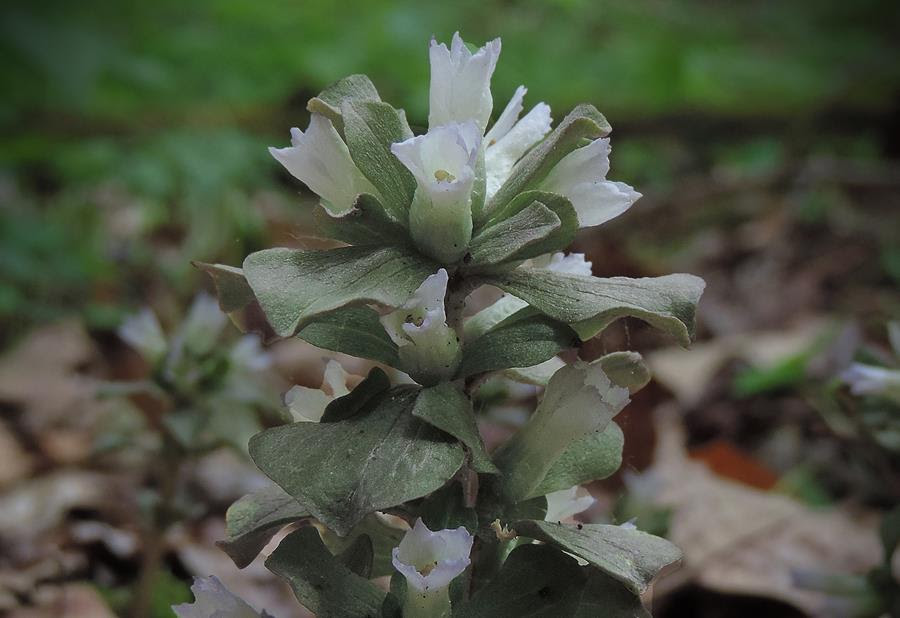
To celebrate the final weeks of spring, I decided to explore the woods in search of interesting plants and wildflowers that thrive during the transitional time between the two seasons.  On a recent walk through a beautiful wooded area, I encountered two plants that were truly worthy of documentation.

If you’re interested in seeing the two wild plants that are too easy to love, check out the new video!

Thanks for reading and watching… and as always, thank you for your support!

-Adam Haritan

Creative Ways to Use Dandelions – Organic Gardening – MOTHER EARTH NEWS

Crooked Bear Creek Organic Herbs's avatarGood Witches Homestead

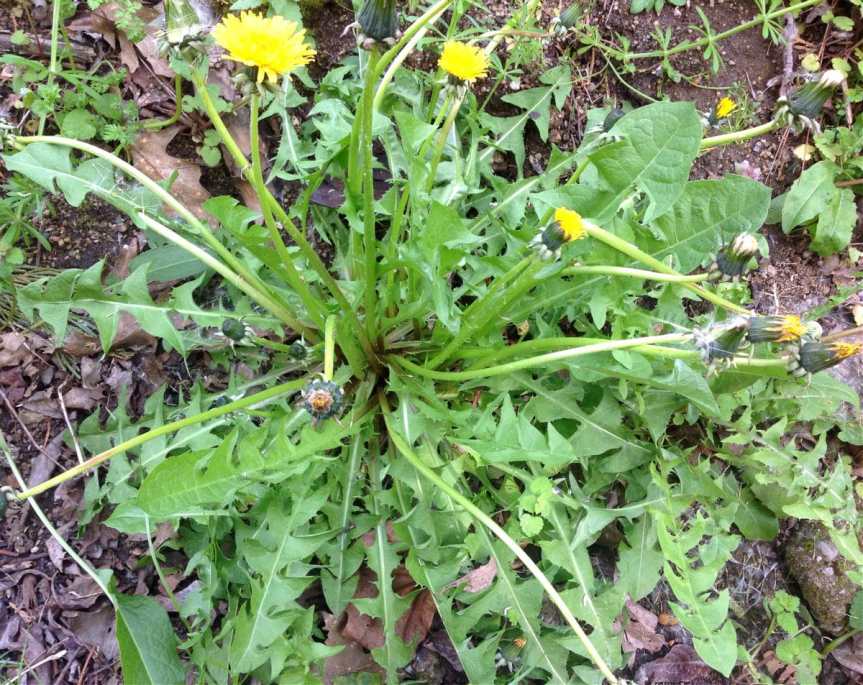
Dandelions grow just about everywhere in the world, dotting lawns and defiantly sprouting through sidewalk cracks.  Though dandelions are incredibly common, they’re also powerful herbal medicine and tasty edibles at the same time.

Medicinally, whole dandelion plants are often made into a dandelion tincture, which has traditionally been used for skin and urinary tract problems.  Herbalists use the blossoms as a treatment for sore muscles, in the form of a dandelion salve or dandelion infused oil.

Beyond herbal medicine, dandelions are just plain tasty.  Dandelion roots can be cooked like carrots or roasted and brewed into dandelion root coffee.  The greens are eaten fresh in salads or cooked with a bit of oil or salt.  Dandelion blossoms can be made into simple dandelion fritters without much effort too.

A simple hard candy flavored with dandelion blossoms, this dandelion candy will put a…

View original post 344 more words

Recipe: Dandelion & Burdock Cordial

Children’s Garden opens at Kew Gardens helping kids to learn about what plants need to grow

Let Us Stroll the Primrose Path of Dalliance

The Herb Society of America's avatarThe Herb Society of America Blog

By Kathleen M Hale, Western Reserve Herb Society

20190505_163700The botanical family name of the common or English primrose, Primula, comes from the diminutive of the Latin word for “first.” And the common name “primrose,” derived from prima rosa (“first rose”), is also a reference to the primrose being one of the first flowers of spring. This is not the evening primrose (Oenethera), or any of the other, more ornate, forms of Primula. This is the quintessentially English cottage garden flower.

Of course, it is then described as “vulgaris.” Sounds harsh. But this is not a matter of judgment of the primrose’s character. It’s just that, where the primrose is happy, it is very happy. It grows and spreads in abundance in cool, moist places.

This does not describe the micro-climate in most of our homes when primroses beckon so invitingly from the grocery store aisles shortly after the winter holiday…

View original post 281 more words

Herbs for Your Windowsill

Crooked Bear Creek Organic Herbs's avatarCrooked Bear Creek Organic Herbs

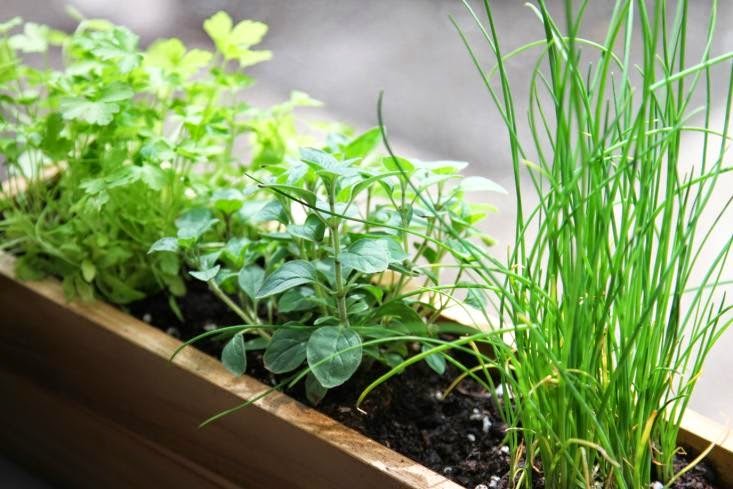
Like the idea of growing your own medicinal plants? Look no further than your windowsill or patio garden for these four standbys of ours: lemon balm, sage thyme, and peppermint. These herbs are familiar to us from grandma’s recipes and as lyrics in songs, but they may be less familiar as medicine. Lemon balm, also known as “hearts delight” and the “gladdening” herb, has long been treasured for its ability to soothe the nerves and uplift the spirit. An old Arabian proverb says that “balm makes the heart merry and joyful.” From ancient times, though, sage was used for digestive troubles, heartburn, depression, and even dementia. Thyme is excellent for treating sore throats and bronchitis. Make thyme tea with honey to soothe those colds and coughs. And women listen up, for bloating and digestive issues associated with our monthly cycle thyme is an excellent soother and diuretic. Another great herb for digestion…

View original post 305 more words

Herbal Bouquets for Mother’s Day – Traditional Medicinals

Crooked Bear Creek Organic Herbs's avatarGood Witches Homestead

In the English and European Victorian era, gifting herbs and flowers were used to relay secret messages. When you received a flower bouquet, you would sit down with your dictionary and try to decipher what it meant; honeysuckle for devotion, aster for patience, and roses for love.  Fast forward to modern times, important life milestones like births, graduations, buying a new home, and career changes are almost always accompanied by flower gifts. While today it’s not our first choice of communication, a flower bouquet can make a lovely homemade and eco-friendly gift for just about anyone in your life, and can certainly contain an intention.

Plants and floral bouquets have a long-standing tradition as Mother’s Day gifts, and with good reason. There’s a simple and well-understood joy that comes from a vibrant and beautiful bouquet on the kitchen table. We have all felt it, botanical bliss; it’s like a type…

View original post 439 more words