Cooking with Monarda

The Herb Society of America's avatarThe Herb Society of America Blog

By Susan Belsinger

(Blogmaster’s note: With Monarda currently in its full glory here in zone 7, we’re posting this recipe so you can take advantage of its unique flavors while it’s still in bloom. Serve these tasty treats at your next summer celebration!)

—————————–Monarda didyma—————————-

Monarda (commonly called bee balm or bergamot) is a native American herb named after a Spanish physician and botanist, N. Monardez, of Seville. Its unusual and ornamental flowers possess a distinctly architectural character with their rather bristly, shaggy-headed colorful appearance. All species attract bees and are good honey plants. Right now, my stands of the various bee balms are abuzz with activity from dawn until dusk. The twelve species of Monarda, all native to North America, offer a wide assortment of flavors and fragrances—from lemon to thyme to pungent oregano to tealike and rose—produced on annual or perennial plants. So sniff and…

View original post 998 more words

It’s A Lavender Season! Lavender Association of Colorado

Crooked Bear Creek Organic Herbs's avatarCrooked Bear Creek Organic Herbs

The cultivar of the Month

Lavender coloradoJune 2020 Cultivar of the Month
Lavandula angustifolia ‘Hidcote Pink’

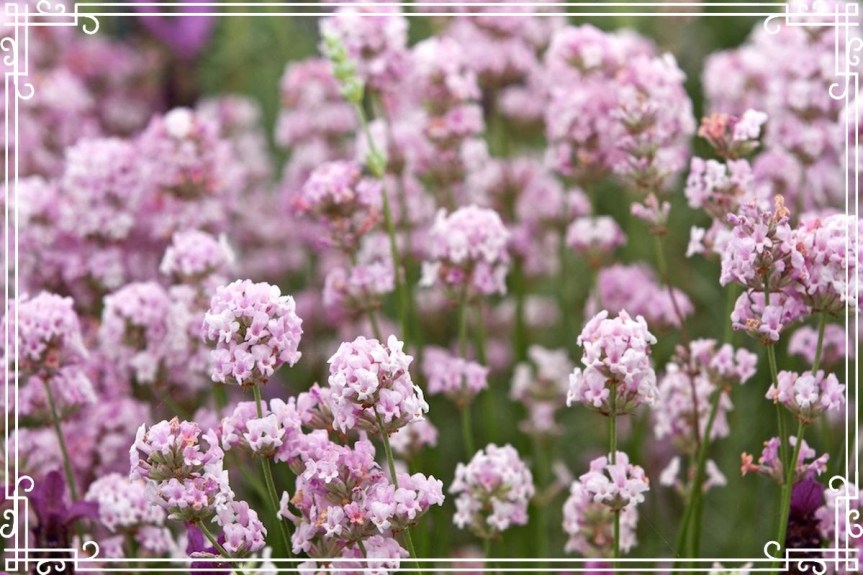
Hidcote Pink is another versatile lavender grown in Colorado.  It is an excellent culinary variety.  It produces an exceptionally sweet oil that several growers use in conjunction with other lavender essential oils to make unique blends.  Planted with purple lavenders, the pink flowers make the purple flowers “pop” in the landscape.
Hidcote Pink is not really good for crafting as in drying it loses its pink color and dries to a brown.
Hidcote Pink plants are 30-40″ tall.  Stems are in the 6-10″ range.  Spacing the plants 36″ apart should allow them to remain separate over the years.
Hidcote Pink was developed by Major Lawrence Johnston in Gloucester, England, and became available around 1958.  It is hardy in zones 5-9.  It blooms once in the spring.

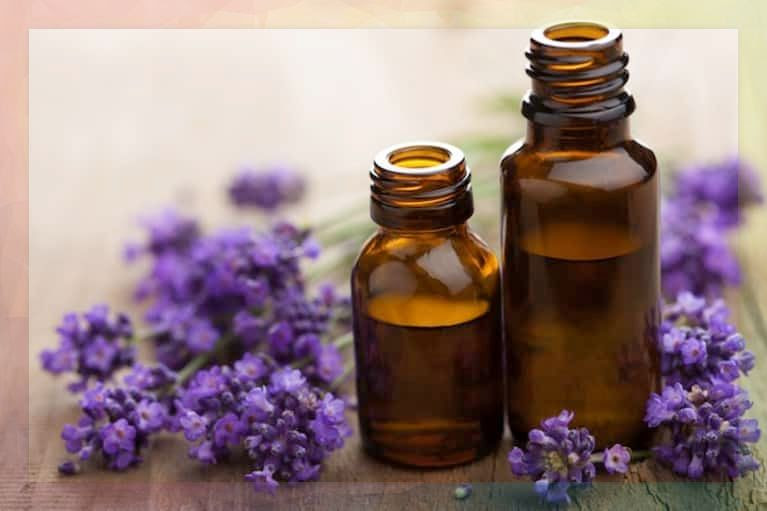
lavender dilution

Dilution The Key To Using Essential Oils Safely

We…

View original post 739 more words

Botanical Brews – An introductory guide to using tropical specialty ingredients in beer

The Herb Society of America's avatarThe Herb Society of America Blog

By Amanda Dix

(Blogmasters’ note: Experiencing craft beer is a high point for many connoisseurs these days. While beer in its various forms has been around for millennia, today’s brew-masters have taken beer to a whole new level by adding unique flavor combinations to their recipes. Capitalizing on that trend, many gardens and arboreta are incorporating special tasting events into their program repertoire that highlight the herbs that make each brew unique. Below are some of horticulturist and brewer Amanda Dix’s suggestions for upping your botanical beer game. Even if you don’t brew yourself, these might inspire you to try new things and understand how herbs are woven into this timeless beverage.)

Many culinary dishes and beverages are abundant with tropical herbs, spices, and fruit. Beer is no exception, and using unique ingredients alongside barley, hops, and yeast is very common these days.

When formulating a beer recipe, be sure…

View original post 510 more words

Food as Medicine: Moringa (Moringa oleifera, Moringaceae)

Crooked Bear Creek Organic Herbs's avatarCrooked Bear Creek Organic Herbs

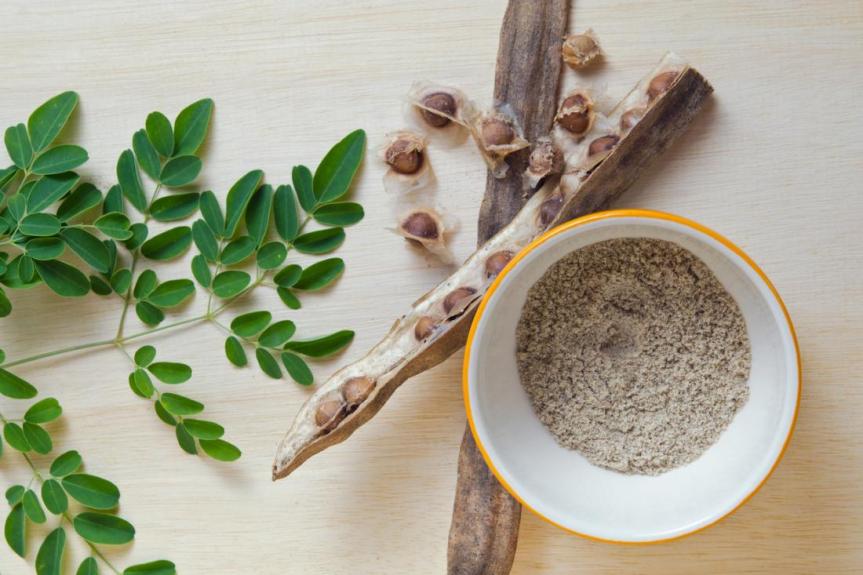
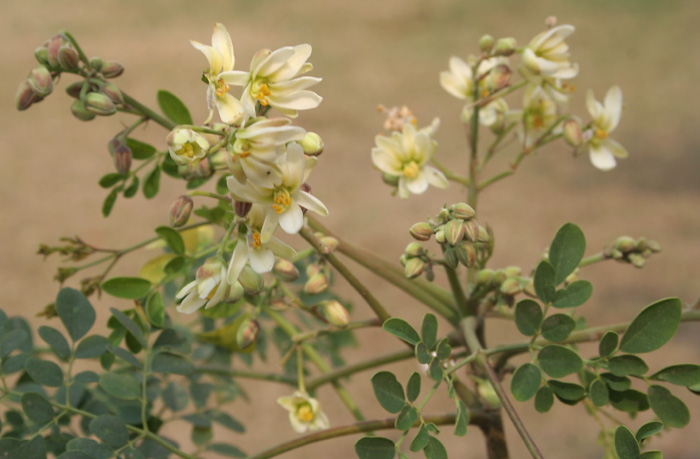
Moringa oleifera is one of the 12 known Moringa species in the horseradish tree family (Moringaceae) that flourish in drier parts of the world.1 Nine species occur in eastern Ethiopia, northern Kenya, and Somalia, of which eight moringa flowersare endemic to Africa, and three species occur in India.1,2 Belonging to the Brassicales order, this plant family is distantly related to cruciferous vegetables like arugula (Eruca vesicaria ssp. sativa, Brassicaceae) and broccoli (Brassica oleracea var. italica, Brassicaceae) and contains many of the same nutrients and sulfurous phytochemicals.1,3 Moringa species grow as stout-stemmed trees or shrubs. Some species are known as bottle trees and have a large root system that enhances water storage and aids the trees’ survival during periods of drought.1 Members of the Moringa genus have corky gray bark and distinct bi- or tri-pinnately compound leaves that have conspicuous swellings, or pulvini, at…

View original post 4,254 more words

Marchpane Cookies for the Rose Queens — Gather Victoria

Marchpane was one of the most popular Tudor confections – at least for those who could afford it. Created from costly ground almonds, sugar and rosewater, moulded into shapes and baked, decorated with coloured glazes, gilded fruit and “comfits”, then assembled into elaborate centrepieces, it was found only on the most aristocratic and royal tables. …

via Marchpane Cookies for the Rose Queens — Gather Victoria

Black Pepper – Herb of the Month

The Herb Society of America's avatarThe Herb Society of America Blog

By Maryann Readal

Black pepper, Piper nigrum, is a ubiquitous spice that can be found on tables anywhere in the world where food is served. But what is the story behind this popular spice that is used in kitchens the world over? 

P. nigrum is native to the Malabar Coast of southern India. It is also grown in other parts of the tropical world, including Vietnam, which has taken the lead in production by exporting 287,000 tons of black pepper worth $722 million in 2019. This is about 35% of the world’s black pepper trade. 

pepppercorn drupe from Missouri Botantical Garden Pepppercorn drupes. Photo credit: Missouri Botantical Garden

Black pepper is a perennial vine with heart shaped leaves and pendulous flowers. It is grown for its fruit, which is dried and then used as a seasoning. The black pepper vine grows in my Zone 8b garden; however, it has yet to produce any peppercorns, although…

View original post 1,122 more words

Are You A Forager? New Forager Course — Good Witches Homestead

As herbalists, we have a lot of passions, and foraging is top of the list! With spring in full swing and summer inching closer, we are enjoying our foraging forays and plan for even more time in the fields and forests as the green world bursts into a riot of growth! To make the most […]

via Are You A Forager? New Forager Course — Good Witches Homestead

Rudraksha Tree – A Medicinal Tree of India and Nepal — The Herb Society of America Blog

By Maryann Readal Seeing hundreds, perhaps thousands, of strings of what looked to be brown seeds hanging in stores around holy places in India made me extremely curious about this seed. On a recent visit to India and Nepal, it was a very common sight to see hundreds of people walking around Buddhist temples in […]

via Rudraksha Tree – A Medicinal Tree of India and Nepal — The Herb Society of America Blog

Herbal Beauty Ideas for All Year — Crooked Bear Creek Organic Herbs

DIY Moisturizing Skin Serum Growing up, I was fed the beauty myth that oily skin is bad. The cosmetics industry pushes the use of harsh, drying soaps and products that strip natural oils to help you get rid of shine. However, those natural oils actually help moisturize your skin. Washing them away can result in overly […]

via Herbal Beauty Ideas for All Year — Crooked Bear Creek Organic Herbs

Essential Oils for Treating Cold Sores — Crooked Bear Creek Organic Herbs

Cold sores, which are also called fever blisters, can be itchy, painful, and embarrassing. They are typically caused by the herpes simplex virus. Cold sores can be treated with antiviral medications, which may shorten how long the symptoms last. There are various home remedies, as well, which are used to ease their discomfort. Furthermore, a lot […]

via Essential Oils for Treating Cold Sores — Crooked Bear Creek Organic Herbs