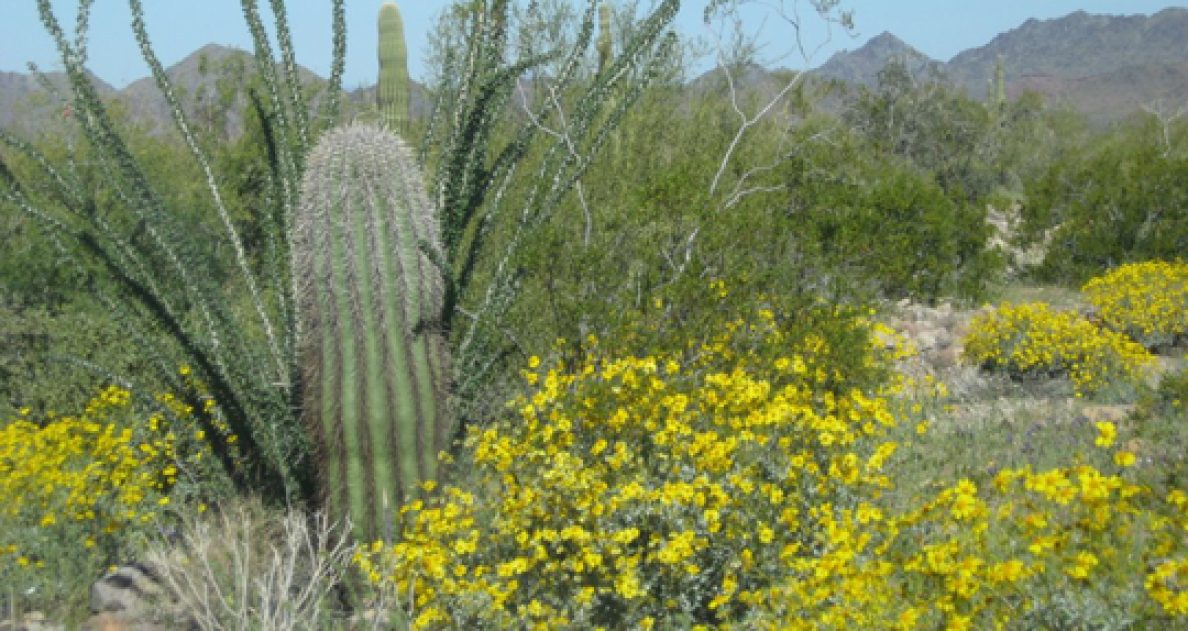

Druidry today has both ancient and modern roots. Druids today seek spiritual connection with nature, using nature to guide, inspire, and ground us. Nature has always been a source of everything to humanity, and those of us who pick up the druid tradition work to reconnect with nature in a multitude of ways. The modern Druid tradition has many branches and paths, and I try to be comprehensive in my coverage of this vibrant and growing tradition. The modern druid tradition is inspired by the Ancient Druids, wise sages who kept history and traditions, and guided the spiritual life of their people. The ancient Druids had three branches of study: the bard (a keeper of history, stories, and songs), the ovate (a sage of nature or shaman), and the druid (the keeper of the traditions, leader of spiritual practices, and keeper of the law). Much of what we know about the Ancient Druids today comes through their surviving legends, stories, mythology, and the writings of Roman authors: the druids themselves had a prohibition against writing anything down that was sacred, and so, we have only fragments. The modern druid movement–from which all present druid traditions descend–started in the 1700-1800’s as one response to industrialization. Today, Druidry is a global and vital tradition. I’ve been walking the path of druidry for almost 20 years and currently serve as the head of the Ancient Order of Druids in America (www.aoda.org). As such, I’ve been sharing a great deal about druidry for a long time on this blog. The ecological crisis is a spiritual crisis as much as it is a crisis of culture. Druidry is us finding our way “home”; back into a deep connection with the living earth. Many people today are drawn to the druid tradition, there is “something” missing for them and it is that connection to nature. Continue reading.

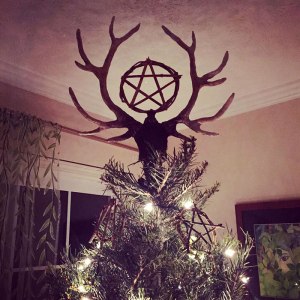 Handmade Stag and Pentacle Tree Topper with Handmade Ornaments
 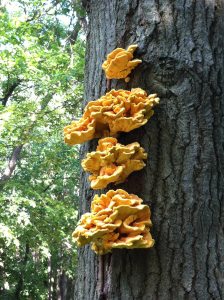 One of my favorite mushrooms- the Chicken of the Woods
  Monday, February 18 at 8pm est, Candelo’s Corner on KDCL Media, welcomes ArchDruid Ermeritus Ian Corrigan.
 Paths I Walk
You must be logged in to post a comment.