Health Benefits of Bitters – Crooked Bear Creek Organic Herbs

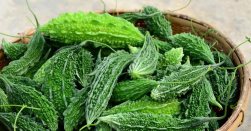
Including bitter foods in the diet isn’t simply a matter of reviving tradition or taste — bitter-flavored foods have a history of healing. From the wine-infused herbal concoctions used by ancient Egyptians to the 16th-century prescriptions of famous physician Paracelsus, elixirs brewed from carefully selected bitter herbs have been treasured as helpful remedies throughout the ages. Studies have confirmed that getting an adequate amount of bitter flavor is important for digestive balance and is linked with many health benefits. Digesting bitters regularly has been shown to:
• Curb sugar cravings
• Soothe gas and bloating
• Relieve occasional heartburn
• Encourage digestive enzymes, bile, and necessary stomach acids
• Calm upset stomach and nausea
• Increase absorption of fat-soluble vitamins A, D, E, and K
• Help maintain healthy blood sugar levels
• Balance appetite
• Ease constipation and regulate bowel movements
• Support liver function and healthy skin …

Read the article at the Source: Health Benefits of Bitters – Crooked Bear Creek Organic Herbs

Hippocrates – ” Let food be thy medicine and medicine be thy food”

Herbs as Cleansers:

The disinfectant qualities of certain plants would have been of great importance to humans, and may have been one of the triggers for a recognition of the other medicinal uses of plants. A large number of ancient cultures used herbs and plants in the cleansing rituals and preparation of the dead. Throughout history, the burning of natural substances has been used for cleansing, healing and in spiritual ceremonies and rituals.

Smudging: Shamanic smudging or just ‘smudging’ is an age-old tribal tradition which has been used for centuries for cleansing and to create harmony and peace. There are many different shamanic smudging ceremonies, and different tribes use a variety of herbs for smudging.  Smudging was used for centuries by the native people of both North and South America, Europe, the Middle-east, Africa, Asia and the Siberian shamans to open the doors of the soul to the spirit world. In all cultures, the burning of certain herbs and incense was seen as a way of gaining access to the soul and power of the plants for cleansing, purification, protection spiritual, ceremonial and magical use, the banishment of negative energies and creation of sacred space. In modern use, incensing is still used as a symbol of purification and sanctification.

One of the earliest recorded uses of smudging can be traced to ancient Egypt where herbs were burned in religious ceremonies, being mentioned on an inscribed tablet from Giza, Egypt, c. 1,500 BC. The Babylonians also regularly used smudge/incense extensively while offering prayers or divining oracles. It was imported to Israel in the 5th century BC to be used in religious offerings. It spread from there to Greece, Rome and India, where both Hindus and Buddhists still burn it in their rituals and at festivals. The smudging tradition dates back millennia and connects all traditional cultures, from the Native Americans to the Druids, from the Zulus to the Maoris, from Aboriginals to the Mayans, from the Chinese to the Balinese, which have age-old forms of cleansing and blessing rituals. Smudge (Incense) is widely used in Oriental religions (Buddhism, Hinduism, Islam, and Taoism) and in the ceremonies of the Anglican, Roman Catholic, and Orthodox churches. Smudging can therefore be seen as a universal spiritual component that runs through and connects all the worlds great cultures and religions throughout time.

Read the entire article at the Source: Herb-Lore (Herbalism).

Birch Essential Oil

Birch essential oil, also known as sweet birch oil, is rich in methyl salicylates and has a long history of use for sore and fatigued muscles. The familiar, soothing aroma of birch oil is reminiscent of the inside of a doctor’s bag on the day of house calls. This therapeutically wide-spectrum stimulating and cleansing oil  has a bright, refreshing aroma, and can be kept in mind for restoring comfort to the overworked body and the agitated or cloudy mind. […]

via Birch Essential Oil — Good Witches Homestead

The Importance of Keeping Balance

In life, especially during these modern times that are a constant go, it’s easy to lose your balance.  But what do we really mean when we seek balance in reference to spirituality?  Balance is often thought of as a midpoint between two opposing forces.  Black and white, hate and love, faith and skepticism.  But life is not broken into a straight line that simply.  Most people assume that finding balance means never venturing too far into one side or the other; remaining in a true neutral.  Others believe it means staying only “in the light” and eschewing everything considered “dark.”  But we believe that neither one of these views is truly balanced.

True neutrality does not exist.  It’s an impossibility, because it assumes that there is some kind of universal “center” that is true for every single person.  But life is much messier than that.  We all experience different things, and even when we experience the same things, we may draw different conclusions from them.  So everyone’s idea of “neutral” is not the same.  And trying to remain only in this imaginary center point deprives you of experience.  In life we all experience highs and lows.  That is part of what makes life amazing; the endless state of change.  That should be embraced.

Read the article at the Source: The Importance of Keeping Balance

Crystal of the Week: Jade

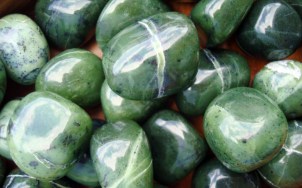
Jade, also known as the Dream Stone, is a mixture of Sephrite and Jadenite, which are minerals. It’s said that it blesses whatever it touches and was valued in Ancient China for its beauty and power of healing and protection.

Traditionally, it was used to guard against illnesses and as a way to access the spiritual world, gain insight into ritualistic knowledge and encourages creativity and dream-solving. It was also worn as a protective talisman, assuring long life and peaceful death and was considered a powerful healing stone.

As an amulet of good luck and friendship, Jade signifies wisdom gathered in tranquility, dispelling the negative energies and encouraging to see oneself as they are. It’s also well known for its medicinal properties of curing calculus stones and disorders of the kidneys or bladder.

As a travel stone, it prevents illness while on a holiday, traveling alone, and protects children and pets from staying or being hurt while on a journey. It’s great for hiking, gardening, or relaxing out doors.

It’s a stone of calm in the midst of storm, it balances the nerves and soothes cardiac rhythm. Jade is often used to temper the shock or fear of the very young or old being cared for in the hospital or away from home and family. It heals feelings of guilt and extreme cases of defeatism.

Read the rest at the Source: Crystal of the Week: Jade

Thalya’s Druid Daydreams • Herbal Medicine: What is an Electuary? An…

As always … Check that any herbal medicines do not have contraindictors with any prescription medications.

Does Himalayan Salt Really Work? — Holistic Experiment

Himalayan Salt contains approximately 84 minerals and produces negative ions that combat positive ions in order to reduce stress and fatigue, leaving the user feeling relaxed and refreshed. It’s often said that Himalayan salt is good for asthma, eczema, psoriasis, acne, allergies, sinusitis, bronchitis, as well as other respiratory illnesses. It can boost the immune […]

Read the rest of the story via Does Himalayan Salt Really Work? — Holistic Experiment

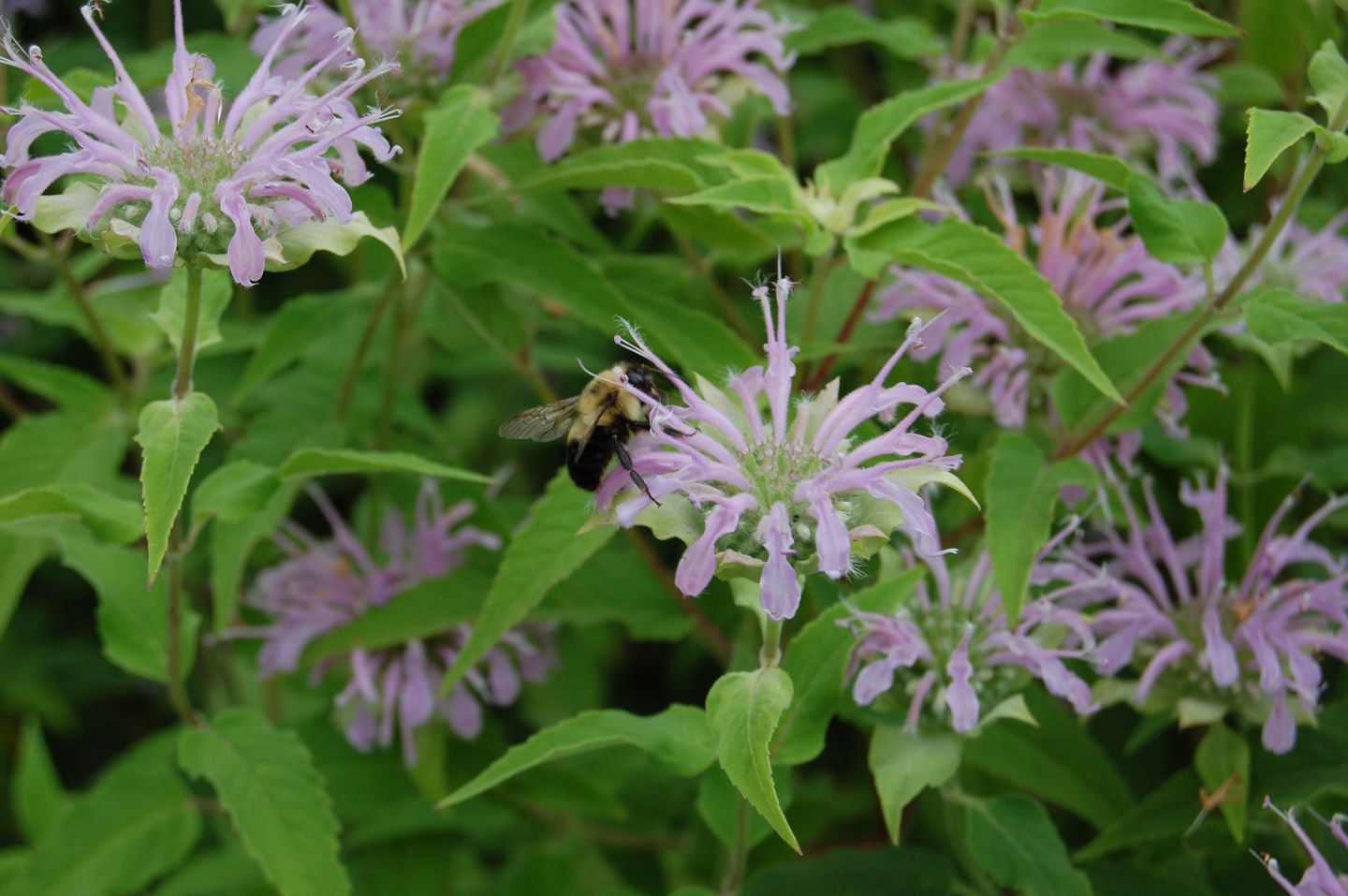
Bergamot Has Positive Quantitative and Qualitative Effects of Plasma Lipids, Decreases Oxidative Stress, and Improves Control of Plasma Glucose Levels — Crooked Bear Creek Organic Herbs

Dyslipidemia is often treated with statins, which inhibit 3-hydroxy-3-methylglutaryl-coenzyme-A (HMG-CoA) reductase. Some patients with dyslipidemia have adverse reactions to prescription statins or do not reach target plasma lipid levels with statins alone. Herbal treatments may help patients reduce total cholesterol (TC), low-density lipoprotein cholesterol (LDL-C), and triglyceride (TG) levels. Citrus (Citrus spp., Rutaceae) fruits have […]

via Bergamot Has Positive Quantitative and Qualitative Effects of Plasma Lipids, Decreases Oxidative Stress, and Improves Control of Plasma Glucose Levels — Crooked Bear Creek Organic Herbs

‘We Bring Gifts Of Gold, Myrrh, And Ovarian Cancer Treatment’

A traditional symbol of Yuletide …

Crooked Bear Creek Organic Herbs's avatarCrooked Bear Creek Organic Herbs

When you hear the word “frankincense,” no doubt you think of the biblical three wise men who presented gifts of gold, frankincense, and myrrh to the newly born baby Jesus. But what you may be less familiar with is the medicinal properties of frankincense. Now, new research suggests it may help in the treatment of ovarian cancer.

Frankincense is an aromatic plant resin that comes from a tree called Boswellia sacra, found in Africa and Arabia.

According to researchers from the University of Leicester in the UK, led by Kamla Al-Salmani, frankincense has been used for centuries as an anti-inflammatory, making it useful for the treatment of conditions such as asthma, various skin conditions, and gastroenteritis.

Previous research has also suggested that frankincense may be useful for the treatment of some cancers, including breast, colon, and prostate cancer. This is due to a compound it contains, called acetyl-11-keto-beta-boswellic acid…

View original post 364 more words

Myrrh: Uses, Health Benefits, Precautions

One of the major symbols of Yuletide …

Crooked Bear Creek Organic Herbs's avatarCrooked Bear Creek Organic Herbs

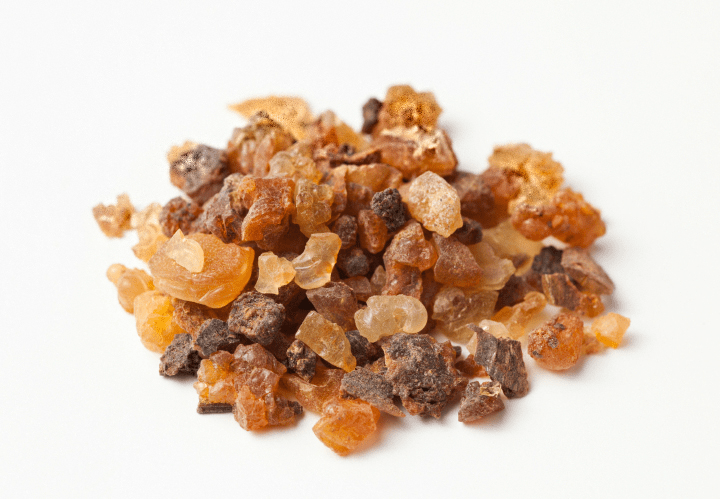
Myrrh is a resin that comes from trees belonging to the genus Commiphora – which grow in Northern Africa and the Middle East.

The sap-like substance, which has a unique sweet and smoky aroma, has a wide range of uses.

Myrrh is mainly used:

  • as a fragrance
  • for embalming
  • to flavor food products
  • for its potential therapeutic properties.

The essential oil has been part of medical practice in traditional therapies for millennia.

The word myrrh comes from the Arabic word “murr” which translates into “bitter”.

In Ancient Egypt, myrrh was used to treat hay fever and herpes. The ancient Greeks used it as an antiseptic for soldiers to clean up battle wounds – myrrh was commonly carried into the battlefield.

Myrrh is mentioned in the New Testament as one of the three gifts the three wise men brought to Jesus when he was born (Gold, Frankincense, and Myrrh).

Potential health…

View original post 273 more words