Medicinal Herbs: Arnica

Crooked Bear Creek Organic Herbs's avatarGood Witches Homestead

Arnica {Arnica montana}

Arnica has been an important topical healing herb since the 15th century. It is a member of the large and varied Asteraceae, or Composite family, along with sunflowers, daisies, lettuce, and chicory. This perennial herb originated in the mountains of Europe and Siberia and is now widely cultivated in North America.

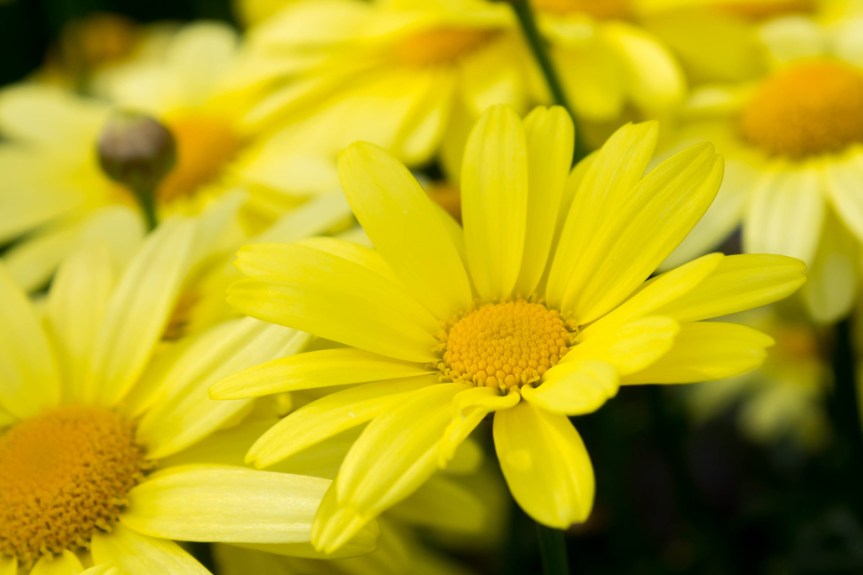
The plant’s genus name derives from arna, Greek for “lamb,” because of the soft, fleecy hair on its green leaves. It reaches an average height of one to two feet and produces daisy-like yellow-orange flowers that begin to bloom in May.

Healing Properties

Arnica’s flower heads, either fresh or dried, are the base of creams, salves, ointments, liniments, or tinctures that are applied to the skin to treat muscle aches, sprains, strains, and bruises. Arnica can also be useful in treating superficial phlebitis, inflamed insect bites, and swelling from broken bones. There…

View original post 428 more words

Medicinal Herbs: Clary Sage

Crooked Bear Creek Organic Herbs's avatarGood Witches Homestead

Clary Sage {Salvia sclarea}

Clary Sage is an ancient herb that has been used by many cultures to medicate the eyes and treat a variety of diseases. This biennial member of the mint family, Lamiaceae, is native to the northern Mediterranean, parts of North Africa, and Central Asia. It is now a commercial crop in the Mediterranean, Russia, the United States, England, Morocco, and Central Europe, cultivated primarily for its essential oils. It still grows wild in many places.

The plant begins as a rosette, and, by its second year, produces strong, hairy stems that reach an average height of three feet. The large, downy green leaves are paired and show a hint of purple. The herb produces lush spikes of lilac or blue flowers that bloom from spring to mid-summer and attract bees and other pollinators.

Healing Properties

Written records of the herb’s healing powers go…

View original post 728 more words

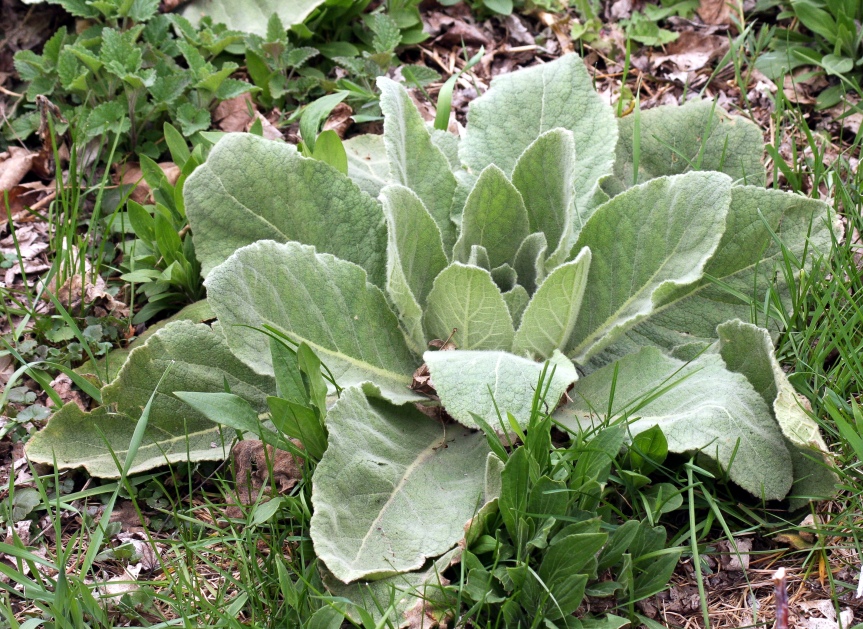
Ozark Encyclopedia – M – Mullein

Herbal Support for Stress and Trauma: Part 2, Adaptogens

Ancestral Arts's avatarAncestral Apothecary

Adaptogens are some of our best herbal allies to help ourselves cope with chronic stress.  Adaptogens are herbs that help increase the body’s ability to adapt to all kinds of stressors: physical, emotional, environmental, social, and biological.

Adaptogens help build the body’s resistance and reliance to stress by supporting the nervous, immune and endocrine systems. They help to increase the body’s strength, stamina, vitality and immunity.

Many adaptogens have been considered supreme herbal tonics in the cultural systems from which they come.  For example, reishi mushroom was considered in ancient China to be the “herb of immortality”and Holy Basil is considered a panacea in India and in Ayurvedic medicine.

Dosing for adaptogens:  The more we need the adaptogen, the more we need to increase the amount and frequency of dosage.  For lower stress levels, stick to the lower recommended doses.  For higher and acute stress, higher doses more frequently are…

View original post 617 more words

Herbal Support for Stress and Trauma, Part 1: Nervines

Ancestral Arts's avatarAncestral Apothecary

Herbal nervines are herbs that support, strengthen and nourish the nervous system.  They can help with stress, shock, tension, pain, anxiety, depression, insomnia and other nervous systems disorders.  Nervines are great herbal allies to support our bodies during acute or chronic stress.  They also help the body, mind and heart to heal from stress and trauma.

Oatstaw (Avena sativa): Great for nervous exhaustion and burnout; helps with headaches from stress; good for skin rashes caused by stress; good tonic for adrenals, helps with insomnia, helps with detox from drugs and alcohol, high in minerals, very nutritious, works best long term.

  • Dosage: 1-4 cups herbal infusion per day; 10-30 drops of tincture 3 X/ day.

IMG_20150819_171138 Scullcap 

Skullcap (Scutellaria lateriflora): Excellent to calm stress, agitation, tics, tremors or road rage. Useful for insomnia, quiets mind chatter, revitalizing to nerves, helps with insomnia and nervous agitation from grief…

View original post 422 more words

Second Annual Holiday Herb Fair

Ancestral Arts's avatarAncestral Apothecary

Saturday November 25th from 1 to 6 PM

Studio Grand Oakland, 3234 Grand Ave, Oakland

Join Ancestral Apothecary for our second annual Herbal Fair this holiday season! This a great opportunity to have fun doing holiday shopping and to support your local community of herbalists.  All the vendors are students or teachers from our Cecemmana Herbal Programs.

You’ll find unique, hand-crafted herbal gifts and products like herbal chocolate, tea, flower essences, tinctures, salves, body care, and much more.  We’ll also be offering limpias, Reiki and have a raffle with great gifts.

This event is also a fundraiser for our Herbalism Diversity Fund.  We are raising money for scholarship for our students of color.  If you can’t make this event but still want to donate to this fundraising campaign, check our our Generosity Fundraising Page.

View original post

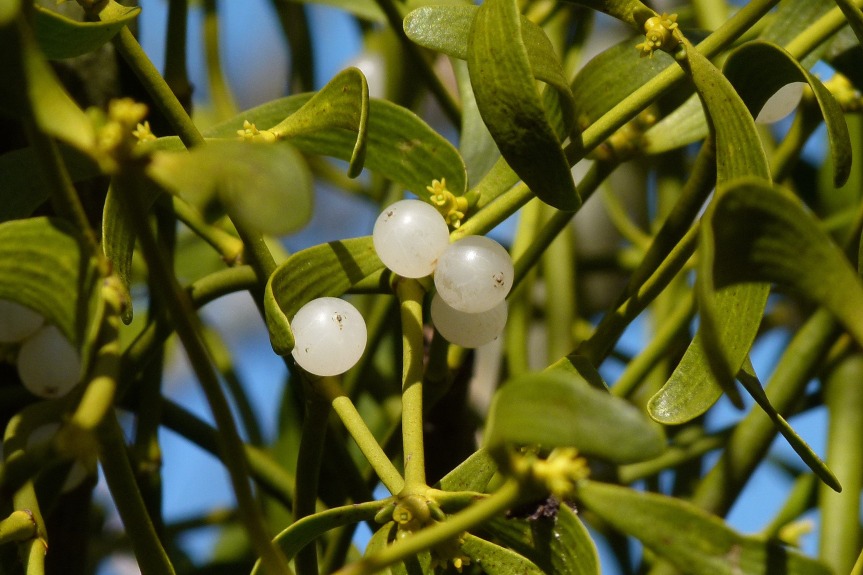
Ozark Encyclopedia – M – Mistletoe

American Botanical Council Publishes Online Version of The Identification of Medicinal Plants Book

Crooked Bear Creek Organic Herbs's avatarCrooked Bear Creek Organic Herbs

Online access to identification book provides new quality control resource for herb industry

AUSTIN, Texas (October 19, 2017) — The American Botanical Council (ABC) announces a new benefit for its members around the world: the online publication of The Identification of Medicinal Plants: A Handbook of the Morphology of Botanicals in Commerce, a manual that addresses the macroscopic assessment of 124 medicinal plants used in North America and Europe.

The book was originally co-published in 2006 by ABC with the Missouri Botanical Garden in St. Louis. It was written by Wendy Applequist, PhD, associate curator at the Missouri Botanical Garden’s William L. Brown Center, and illustrated with botanically accurate black-and-white line drawings by artist Barbara Alongi.

Accurate identification of the correct genus and species of botanical raw materials is the first step in quality control of botanical preparations. While several methods of identification are addressed in the…

View original post 576 more words

Health Benefits of Butterbur

Featured Image -- 4907

Crooked Bear Creek Organic Herbs's avatarCrooked Bear Creek Organic Herbs

Butterbur has a plant extract used in alternative remedies. But what are its health benefits and are there any risks involved in using it?

Butterbur comes from a shrub that grows in Europe, Asia, and parts of North America, and is available as a natural remedy in many health food stores and pharmacies. It is most commonly used to treat migraines and hay fever, although it has a number of other potential uses.

What is butterbur?

Butterbur plant and flower.Butterbur extract comes from the bulb, leaf, and roots of the plant.

The proper name for the butterbur plant is petasites hybridus. It grows best in wet marshland, damp forest soil, or on riverbanks.

The name butterbur is thought to come from the fact that its large leaves were traditionally used to wrap butter and stop it from melting in summer.

Butterbur extract is taken from the leaf, roots, or bulb of the plant.

The use…

View original post 780 more words

Ozark Encyclopedia – M – Mayapple