Symbolism of Violet: February Birth Flower

Crooked Bear Creek Organic Herbs's avatarGood Witches Homestead

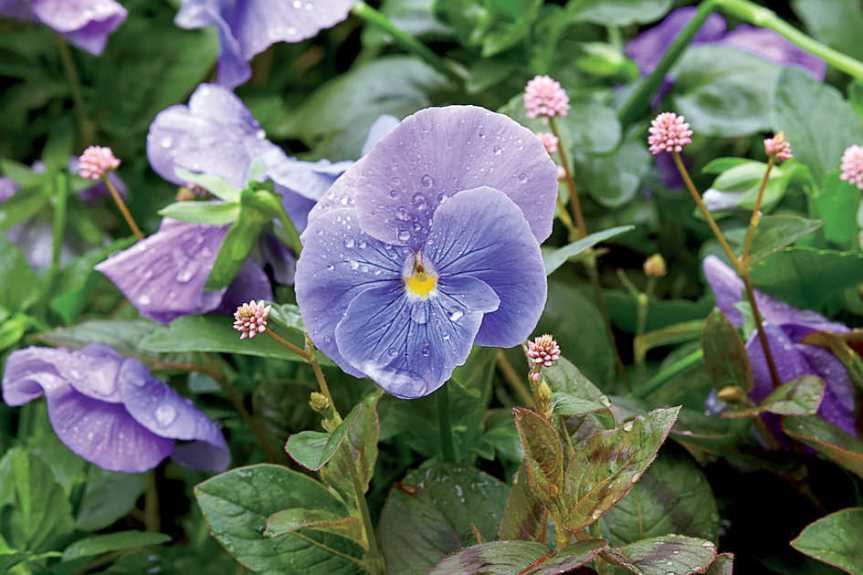
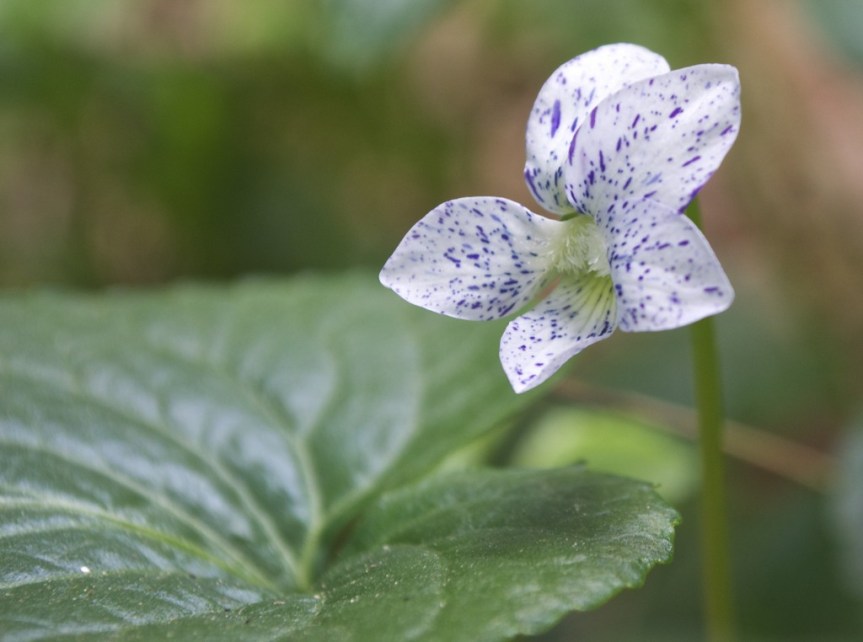
The violet has a charming and long history of mythology. Greek myth states that Zeus fell in love with Io. Zeus was afraid that Hera, his wife, would discover him and Io, so he made Io into a white heifer. Zeus created the sweet-scented flower that we know as the violet for Io to eat while she was a heifer. Hera placed an insect pest on Io as the white heifer, so she roamed all over the land trying to free herself from the pest.  Zeus finally caught the heifer and put his hand on her, and she turned back into Io. She gave birth to their child, who founded many nations.

Another Greek myth states that Persephone, a young lady, was walking in a field of violets when Hades saw her and fell in love with her. Hades took her to his kingdom of death and the world became…

View original post 857 more words

The Medicinal Properties and Health Benefits of Violets.

Crooked Bear Creek Organic Herbs's avatarGood Witches Homestead

Violets have been known throughout history as a healing herb. An example that was proven by research was that Viola odorata contains phenolic glycosides, flavonoids, saponins, alkaloids, mucilage, and tannins among other things. These compounds work in several ways to cure ailments.

Violets have been known throughout history as a healing herb. Hippocrates, in the ancient times, classified the violet as a “moist” plant, which is best used for treating liver disorders as well as bad tempers. In the 16th century, the English used syrups made from violets for their laxative properties. Violet remedies were also used for pleurisy, epilepsy, and jaundice. Culpepper, a 17th-century herbalist states that “All the violets are cold and moist while they are fresh and green, and are used to cool any heat or distemperature of the body.” He personally recommends the use of violet concoctions to treat various skin and eye disorders, as well…

View original post 1,641 more words

Primrose: The Flower of February

Crooked Bear Creek Organic Herbs's avatarGood Witches Homestead

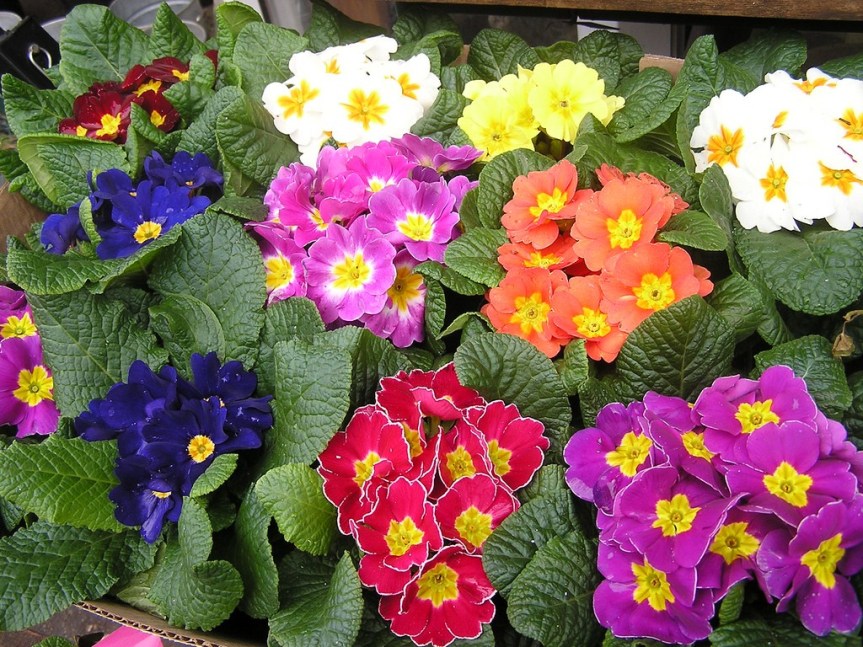
COMMON NAME:  primrose
GENUS:  Primula
SPECIES, HYBRIDS, CULTIVARS:
P. denticulata-lavender, purple, or white flowers; grows to 12 inches. P. japonica ‘Millar Crimson’-flowers whorled around 24-inch stem; blooms May-June. P. polyanthus-best known; colors are red, pink, blue, gold, and white, all with small yellow eyes.
FAMILY:  Primulaceae
BLOOMS:  spring
TYPE:  perennial
DESCRIPTION:  Primroses form an attractive rosette of crinkly, light green leaves. The flowers are generally brightly colored and occur in tight bundles on individual stems above the leaves.
CULTIVATION:  Needing partial shade, primroses thrive in well-drained, rich soil. They are indigenous to cool, moist meadows and woodland environments  Duplicating these conditions as closely as possible will create the best growing conditions for primroses. The soil should not be allowed to dry completely. To retain vigorously blooming plants, divide clumps every four to five years. Seeds should be sown in midsummer for bloom the following spring.

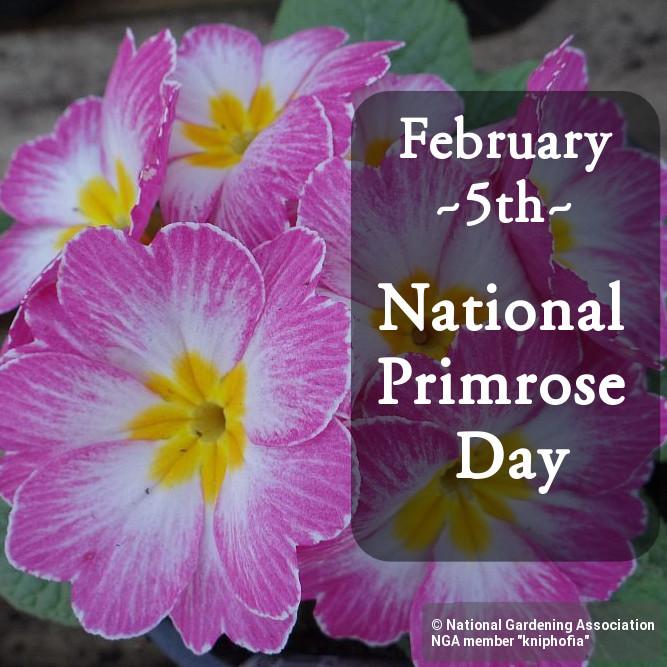
primrose day

Primrose is beloved…

View original post 706 more words

Rosemary Lore

Crooked Bear Creek Organic Herbs's avatarGood Witches Homestead

Rosmarinus officinalis

Also, Known As:

  • Compass Weed
  • Dew of the Sea
  • Garden Rosemary
  • Incensier
  • Mary’s Mantle
  • Mi-tieh-hsiang
  • Old Man
  • Polar Plant
  • Rosemary
  • Rosemary Plant

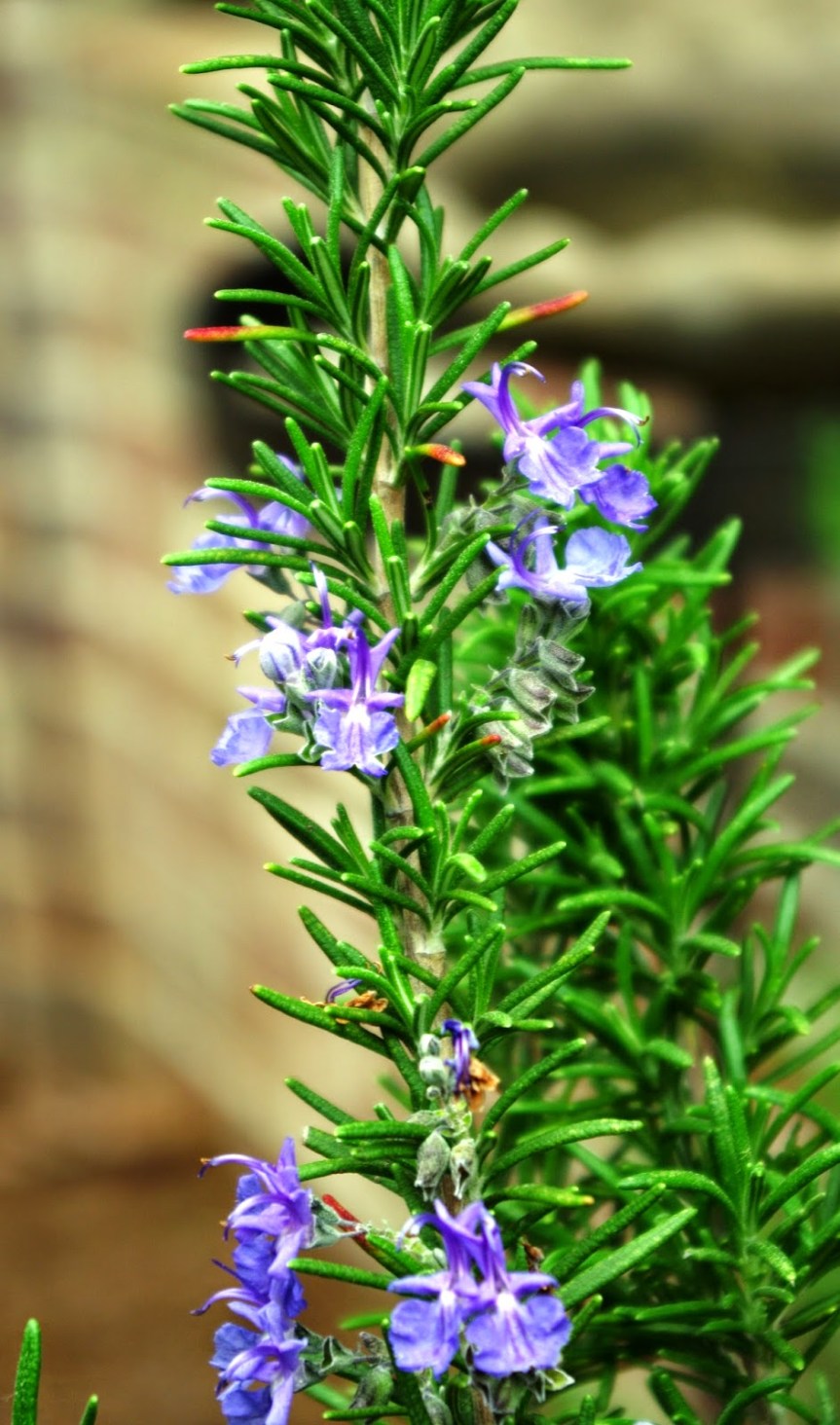
Rosmarinus officinalis L. (family Lamiaceae), is also known as rosemary. This herb is an evergreen shrub, with lovely aromatic linear leaves. Colored a dark shade of green above and white below, the leaves of the rosemary give off a beautiful fragrance, and with its small pale blue flowers, the plant is cultivated extensively in many kitchen gardens across America and elsewhere.

The evergreen shrub originated in the Mediterranean area, but it is today cultivated almost everywhere in the world, primarily for its aromatic leaves. The shrub has several ash colored branches, and the bark is rather scaly. The leaves, as described earlier, are opposite and leathery thick. They are lustrous and dark green above and downy white underneath, with a prominent vein in the middle and…

View original post 3,130 more words

Vetiver Lore

Crooked Bear Creek Organic Herbs's avatarGood Witches Homestead

Vetiveria zizanioides

Also, Known As:

  • Cuscus
  • Khas Khas
  • Vetiver
  • Vetivert

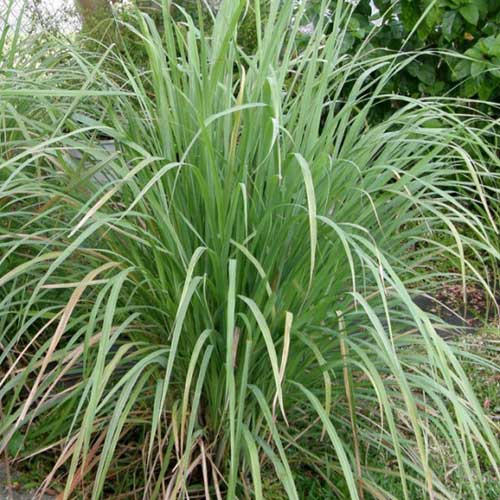
Vetiver (botanical name Vetiveria zizanioides) belongs to the grass family, which also includes sorghum, maize, sugarcane as well as lemongrass. This plant has had an irregular history, as it was given no less than 11 names in four dissimilar genera at one time. The generic name ‘Vitiveria’ is derived from the Tamil expression ‘vetiver’ denoting a ‘dug up root’, while the Swedish taxonomist Carolus Linnaeus gave the plant its specific name ‘zizanioides’, which is occasionally spelled wrongly, in 1771. The word ‘zizanioides’ refers to ‘beside the river’ and mirrors the fact that this plant is generally found growing the length of the water bodies, especially in India.

Belonging to the Poaceae family, vetiver is a perennially growing grass that is indigenous to India. It is also known as ‘khus’ in the northern and western regions of India. This grass has tall stems while the leaves are…

View original post 1,586 more words

Vervain Lore

Crooked Bear Creek Organic Herbs's avatarGood Witches Homestead

Verbena Officinalis

Also, Known As:

  • Herb-of-the-cross
  • Ma Bian Cao
  • Pigeon’s Grass
  • Verbena
  • Vervain

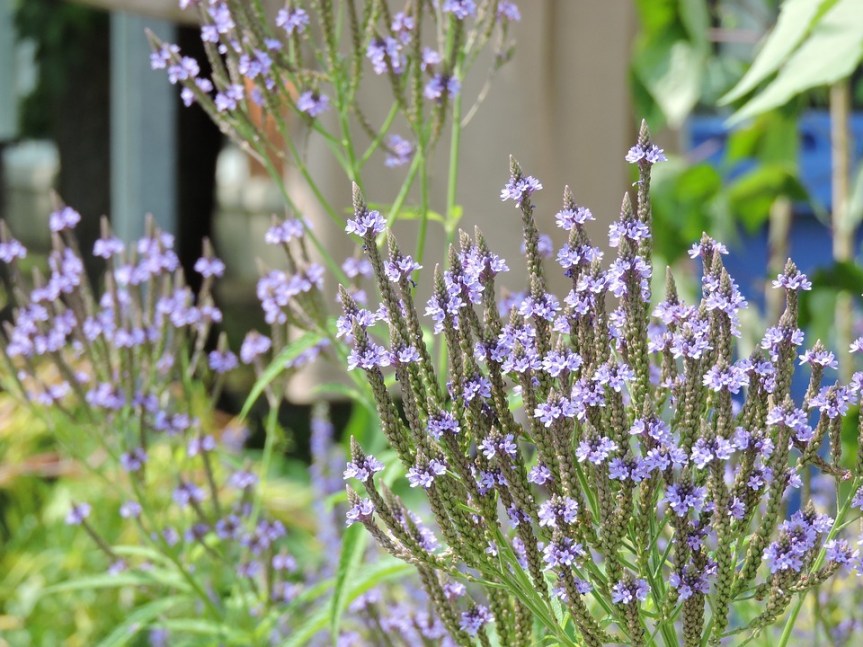
The ancient Romans held all species of the vervain in admiration and used the ‘sacred’ herb to sanitize their homes and temples. In addition, they knew several therapeutic advantages of the herb and used it to treat numerous disorders. Incidentally, despite its multi-purpose use, the vervain is a commonly growing herb that does not appear to be different from many other plants. In ancient times, remedies prepared with the herb were often used to cure snakebite and diarrhea. At the same time, the root of vervain was chewed by people with a view to strengthening their teeth and gums. Interestingly, the herb served to diverse purposes – a love potion for the medieval witches and a substance to cure people of the influence of the ominous spell cast by these witches. In fact, vervain also finds a…

View original post 1,225 more words

Verbena Lore

Crooked Bear Creek Organic Herbs's avatarGood Witches Homestead

COMMON NAME: verbena
GENUS:Verbena
SPECIES, HYBRID, CULTIVARS:
V. bipinnatifida-light purple perennial: 3 inches tall. V. rigida-purplish blue perennial; 1 foot tall. V. rigida-‘Flame’-red flowers from June through frost. V. canadensis-rose pink flowers from June through frost. V. venosa-purplish blue flowers; to 1 foot. V. hybrida-‘Amethyst’-lavender blue; annual. V.b.-‘Blaze’-scarlet; annual. V.b.-‘Sangria’-wine colored; heat tolerant; annual; spreads 1 to 1 1/2 feet.
FAMILY:Verbenaceae
BLOOMS: summer
TYPE: annual and perennial
DESCRIPTION: Low-growing verbena blooms profusely and adds great color to the summer perennial bed. Different species vary in height from 3 to 12 inches and in a spread from 12 to 24 inches. Flowers are small and borne on short stalks; the foliage is bright green and continuously attractive. Verbenas come in white and bright shades of red, pink, blue, and purple.
CULTIVATION: Full sun and well-drained soil are necessary conditions for growing…

View original post 612 more words

Apartment Dweller’s Series: Urban Apartment Gardening: Gardening Tips For Apartment Dwellers

Crooked Bear Creek Organic Herbs's avatarCrooked Bear Creek Organic Herbs

I remember the days of apartment dwelling with mixed feelings. The spring and summer were especially hard on this lover of green things and dirt. My interior was festooned with houseplants but growing veggies and larger specimens were something of a challenge, having minimal room on the patio or balcony. Fortunately, urban gardening ideas abound and there is a host of ways to grow tiny gardens for the space restricted gardener.

Challenges for Urban Gardening in Apartments

Finesse and commitment are required for urban apartment gardening. Space is not the only issue. Lighting and ventilation pose a concern, as well as the species and varieties which will thrive in confined and restricted spaces. Over the years, I gleaned some tips on how to grow a garden in an apartment. Follow along as we investigate gardening tips for apartment dwellers for a successful tiny landscape that is both beautiful and productive…

View original post 1,325 more words

The Best Teas for IBS.

Crooked Bear Creek Organic Herbs's avatarCrooked Bear Creek Organic Herbs

Treating irritable bowel syndrome can include changing diet, reducing stress, and taking medication. Can certain herbs and herbal teas also help relieve symptoms?

Tea for IBS symptoms

There are many types of tea that may be beneficial for easing the symptoms of IBS. These include:

Peppermint

Peppermint tea may help with IBSPeppermint tea may help with the symptoms of IBS.

One review found that peppermint reduced the severity of pain for people with IBS compared to a placebo.

Peppermint is not recommended for use by people with hiatal hernias, gastroesophageal reflux disease, or gallbladder problems. Heartburn is not an uncommon side effect.

Peppermint essential oil has also been studied as a treatment for IBS. Essential oils are meant to be inhaled through a diffuser or applied to the skin only after being diluted by carrier oil.

People should always speak to a doctor or aromatherapist before considering taking an essential oil by mouth. An article in American Family Physician

View original post 819 more words

Wild Witch-Crafting With Peony Flower Ants Part 2