The Spice Pantry: Queen of the Spices, Cardamon

By Crooked Bear Organics

Crooked Bear Creek Organic Herbs's avatarCrooked Bear Creek Organic Herbs

Cardamom – The Queen of Spices

My favorite spice in the house!

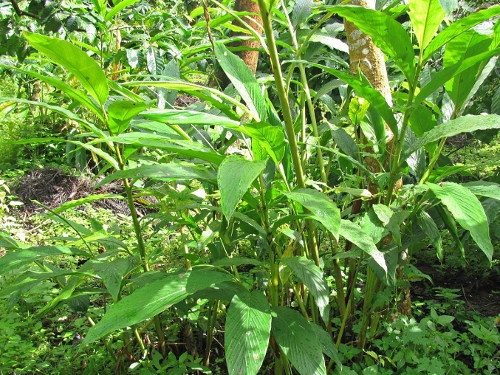
Cardamom is the Queen of Spices and has grown lavishly under the tropical canopy on hillsides in the Ghat Mountains on the Malabar Coast of southern India to be harvested by hand and shipped around the world.  The cardamom familiar to India and the western world is called green cardamom and it, along with several other types such as giant cardamom, black cardamom, and bastard cardamom, have been used for cooking, perfumery, incense, and medicine since very early in history.

cardamon flowers

Ancient Egyptians used it frequently for perfume along with frankincense, myrrh, cinnamon, and cassia, and had a recipe for an ointment called “Oil of Lilies” that included the scent from 1000 lilies. It is often mentioned as one of the ingredients of the ancient incense kyphi. Cardamom essential oil is one of the oldest essential oils known in perfumery…

View original post 1,291 more words

The Spice Pantry: Black Pepper

By Crooked Bear Creek Organics

Crooked Bear Creek Organic Herbs's avatarCrooked Bear Creek Organic Herbs

Piper nigrum

Also, Known As:

  • Black Pepper

The common herbal product known as the black pepper is a well-known spice around the world and is used in almost every home, this herb is native to southern India, though it is now cultivated widely in many tropical countries of the world. The plant itself is a perennial woody climbing vine which can reach a height of about 15 ft or 5 meters climbing on trees and along man-made wooden trellises. The herb bears characteristic and large oval-shaped leaves, it also has spikes of many small and white colored flowers, the commercial pepper itself is made from the many clusters of small round fruits borne on the plant, these small fruits are the pepper of common use, and these fruits ripen from a green to red coloration as they mature on the vine.

The black pepper vine is not only economically interesting…

View original post 2,150 more words

The Spice Pantry: Clove

By Crooked Bear Creek Organics

Crooked Bear Creek Organic Herbs's avatarCrooked Bear Creek Organic Herbs

Eugenia carpophyll Ata syn. Syzygium aromaticum

Also, Known As:

  • Clove

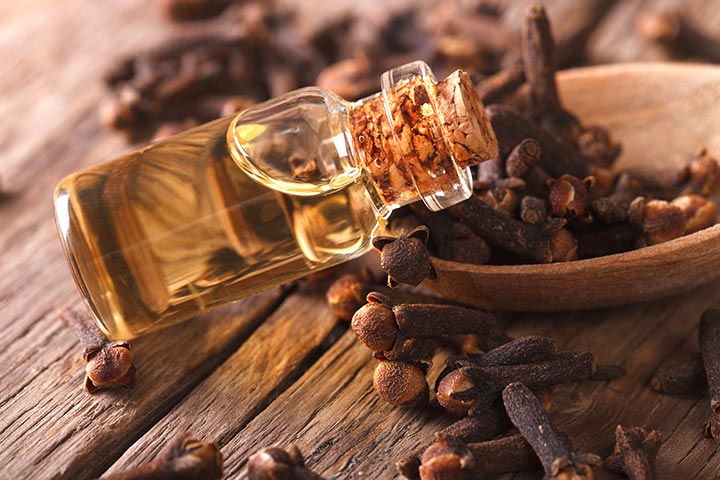
The association of the clove with human society is old indeed. The ancient Chinese Han dynasty – lasting from 207 B.C. to A.D. 220, gives us our first clue to the uses of the fragrant clove. Chinese physicians of that era wrote that the court visitors to the emperor were required to hold cloves in their mouths while they addressed the emperor, it would be reasonable to believe that this was to save the ruler from the bad breath of the visitors. The clove is a pungent and aromatic floral bud, and its use as a spice reached Europe around the 4th century A.D. when commercial trading really started with the Arabs who in turn acquired these dried and fragrant buds from the cultures to the east in Asia. The spice trade leading to great competition among European seafaring nations…

View original post 1,900 more words

The Spice Pantry: Benefits Of Cinnamon And Honey

By Crooked Bear Creek Organics

Crooked Bear Creek Organic Herbs's avatarCrooked Bear Creek Organic Herbs

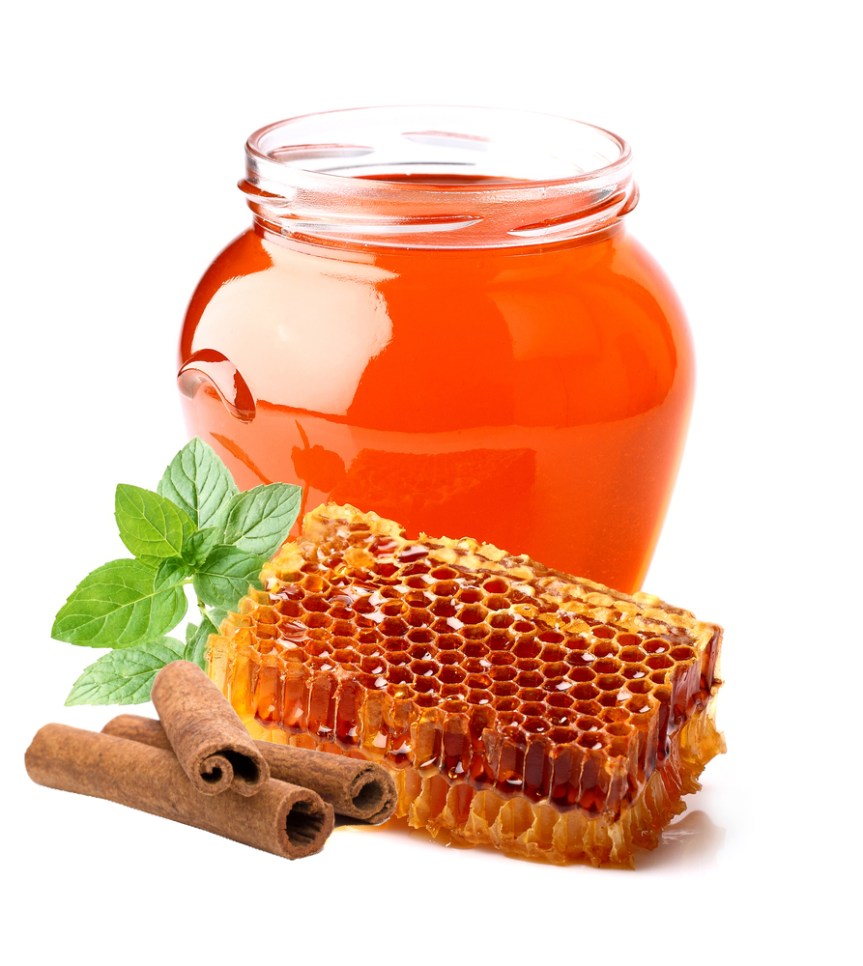
Since ancient times, people have been using a blend of cinnamon and honey to heal several ailments. While honey is readily available in most countries across the globe, contemporary scientists also acknowledge the benefits of honey as a ‘Ram Ban’ or extremely useful medication for almost all types of maladies. What is more significant is the fact that ingestion of honey does not lead to any unfavorable aftereffects in any type of ailment.

According to contemporary science, despite being sweet, taking honey as a medication and in measured dosages is also beneficial for people suffering from diabetes and does not cause any damage. The January 1995 edition of a Canadian magazine called the Weekly World News has published a directory of the maladies that can be healed by taking cinnamon and honey. The report of the magazine is based on the findings of the different studies undertaken by the scientists in the West. The disease-specific findings vis-à-vis…

View original post 1,393 more words

Aromatic Culinary Herb Called the Savory

By Crooked Bear Creek Organics

Crooked Bear Creek Organic Herbs's avatarCrooked Bear Creek Organic Herbs

Savory

Satureja hortensis / Satureja montana

Also, Known As:

  • Mountain Savory
  • Savory
  • Summer Savory
  • Winter Savory

Ancient herbal texts frequently mention about two types of savories – summer savory comprising the dense parts of the herb Satureja hortensis L., and the winter savory, which is acquired from the herb Satureja Montana L. While the summer savory is an annual plant, the winter savory is perennial and is used to add essence to foods. Both these aromatic species belong to the mint (Lamiaceae) plant family. They are small plants that are cultivated extensively as garden plants. These plants produce slender leaves and flowers whose color varies from pale lavender to pink to white. Of the two Satureja species, the summer savory is valued highly and has been used widely in folk medicine in comparison to the winter savory. Both these herbs have been valued as sex medicines for several centuries. It…

View original post 1,608 more words

Aromatic Culinary Herb Called the Tarragon

By Crooked Bear Creek Organics

Crooked Bear Creek Organic Herbs's avatarCrooked Bear Creek Organic Herbs

Tarragon

Artemisia dracunculus

Also, Known As:

  • Dragon’s Mugwort
  • Estragon
  • French Tarragon
  • German Tarragon
  • Tarragon
  • True Tarragon

Tarragon is a green perennial shrub that is smooth and lacking in hairs and bristles. The shrub is native to the sunny and dry regions of the northern hemisphere, especially the United States, Asia, and Siberia. The plant derives its English name from the French estrange denoting ‘little dragon’. People in Europe grow this shrub commercially for it perfumed leaves that pass on a licorice-anise essence to salads, sauces, and foods prepared with vinegar. Normally, the tarragon plant, having slender stalks, grows up to a height of two feet and bears glossy green, elongated and slender leaves that are undivided. This shrub is intimately related to wormwood. Tarragon has fibrous roots that are long and extend to all areas where they are grown by means of runners. The shrub bears small flowers that are…

View original post 3,305 more words

June Herb of the Month: Capers

By Crooked Bear Creek Organics

Crooked Bear Creek Organic Herbs's avatarCrooked Bear Creek Organic Herbs

Did you know:

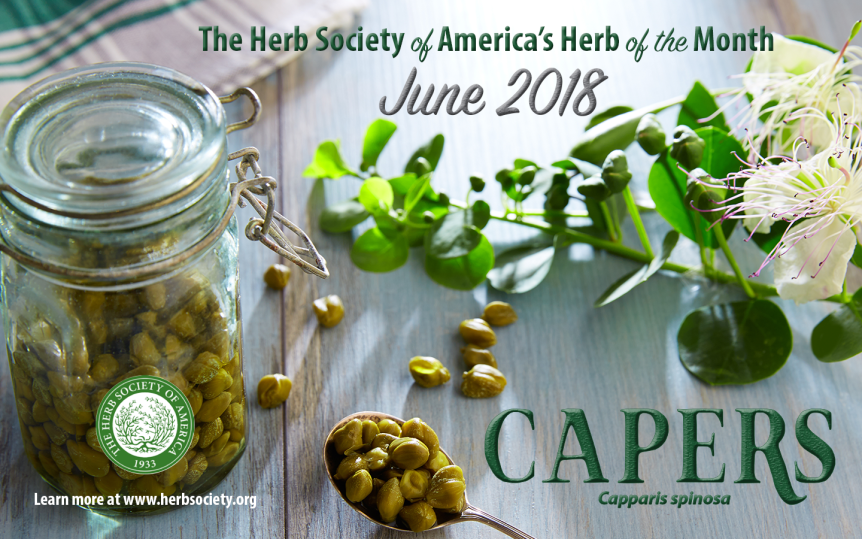
Capers – Capparis spinosa
• Capers are the flower buds of the Flinders rose (or caper bush) Capparis spinosa
• This thorny shrub is native to the Mediterranean and hardy to USDA zone 9
• Capers thrive in hot dry climates
• Grows as a mounding shrub with a sprawling habit
• The flower buds are hand-picked then either pickled, brined or packed in salt to preserve
• The bitter flavor is mellowed by pickling, resulting in a salty, slightly sweet taste
• Buds that bloom produce a white flower with purple stamens which then will form a small fruit
called a caperberry.
• Caperberries are also pickled and are often served on antipasto platters or used as a garnish for
martinis
• The smaller the caper, the better the quality, flavor and commercial value, and are also called
nonpareilles or surfines; larger ones are known as…

View original post 347 more words

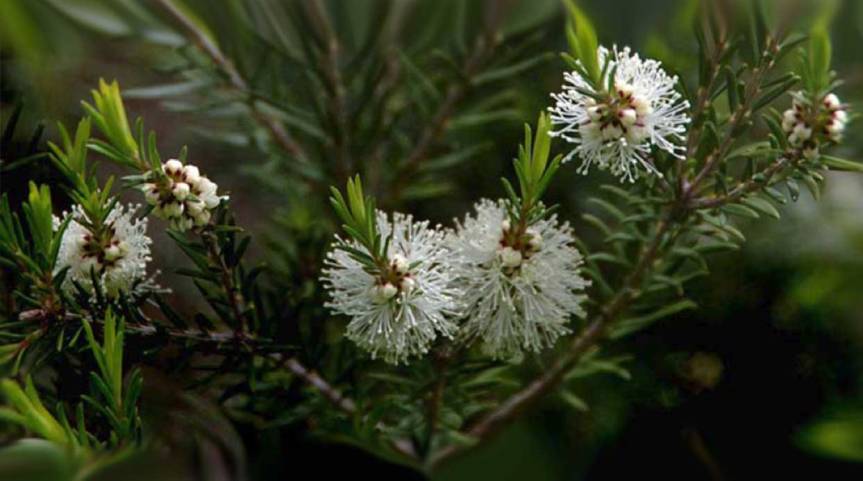
Medicinal Value of Tea Tree {Melaleuca alternifolia}

By Crooked Bear Creek Organics

Crooked Bear Creek Organic Herbs's avatarCrooked Bear Creek Organic Herbs

Also, Known As:

  • Cajeput Tree
  • Melaleuca
  • Manuka
  • Tea Tree

The tea tree is not the common tea plant that produces both black and green tea. In fact, leaves of this tea tree are known as Melaleuca alternifolia and belong to the family Myrtaceae that has long been used by the aboriginals as an antiseptic. This tea tree was first discovered in 1770 when Captain James Cook dropped anchor off the coast of New South Wales and his sailors went aground and prepared a perfumed tea from the leaves of a tree growing in the marshy valley there. Because of the aromatic tea prepared by the sailors, it is called the tea tree and should not be mistaken to be the common tea plant.

In fact, the aboriginals residing in New South Wales used the volatile oil obtained from the leaves of the tea tree to heal scratches, burns, cuts, insect bites, athlete’s…

View original post 1,270 more words

Powerful Herbal Pain Relief

By Crooked Bear Creek Organics

Crooked Bear Creek Organic Herbs's avatarCrooked Bear Creek Organic Herbs

A few days ago, I had the pleasure of visiting the home of a gracious woman who deals in antiques. As I admired the many fine pieces displayed there, I came to realize that I, too, am something of a period piece a baby boomer who’s fundamentally sound but sporting the odd creaky hinge or two.
Fortunately, the herbal apothecary holds promise. Its medicines are good alternatives to non-steroidal anti-inflammatory drugs for chronic, mild to moderate aches and can reduce the need for prescription drugs.
More than 100 plants are known to have pain-relieving properties, but some are really outstanding. Reporting on herbal painkillers for arthritis, a review of clinical trials in the Clinical Journal of Pain says devil’s claw {Harpagophytum procumbens}, capsaicin from hot chiles {Capsicum spp.}, gamma-linolenic acid {GLA} from seed oils, and certain blended herbal extracts are especially good. Other studies indicate broader pain-relieving…

View original post 4,174 more words

Herb Guide: Bay Laurel

By Crooked Bear Creek Organics

Crooked Bear Creek Organic Herbs's avatarCrooked Bear Creek Organic Herbs

Laurus nobilis

Also, Known As:

  • Bay Laurel
  • Sweet Bay

The herb known as the bay laurel or the sweet bay is native to Asia Minor and the Mediterranean region in general – it is a small evergreen shrub or tree. The early Greeks and Romans admired the bay laurel for its beauty and used the aromatic leaves in many different ways. Bay laurel possesses leathery leaves that are lanceolate and pointed in shape. The leaves also have the maximum oil content during early and mid-summer and this oil content tends to decrease in other seasons. The name “bay” is used to refer to several botanicals – for example, the West Indian bay – botanical name Pimenta racemosa, and the California bay – botanical name Umbellularia californica. Therefore, any of these plants can be called by the name “bay” in the existing herb literature; what is more, some other plants are…

View original post 2,420 more words