View original post 130 more words
Tag: Herbs
25 Days of Herbal Holidays Countdown
2018 Holiday Sale on herbal courses!
SUPER HOLIDAY DEAL ENDS TODAY!
SHOP HERBALIST PATH PACKAGES – Super Sale ends Sunday!
Whether you are just getting started in herbalism or have been exploring this natural path for some time, you might realize that there are several directions to take as an herbalist! Perhaps you are interested in opening up an herb shop or selling your own natural body care products. Maybe your passion is for people, and therefore…
View original post 1,103 more words
Marzanna – Goddess of Winter
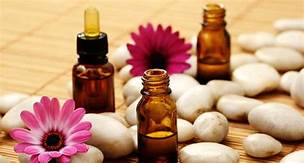
Practice Essential Oil Safety
The Herb Society of America Blog
By Beth Schreibman-Gehring, Chairman of Education for The Western Reserve Herb Society unit of The Herb Society of America
I love working with essential oils and have for several decades. It’s been lovely to witness their surge in popularity over the past 15 years. Essential oils are wonderful for diffusing and creating a relaxing aura of comfort. Certain oils like lavender, frankincense, and rose are skin care standards which, when used correctly, are lovely additions to any wellness program
While essential oils are great, consumers must know proper safety.
Without safety measures, bad things happen. For example, I’ve been to a yoga class where a well-meaning yogi dabbed oils directly onto my skin during shavasana to promote relaxation. In theory this would be lovely, but it could cause an allergic reaction for some people. The yogi should be aware of the participants’ sensitivities.
In another case, I saw a young woman…
View original post 256 more words
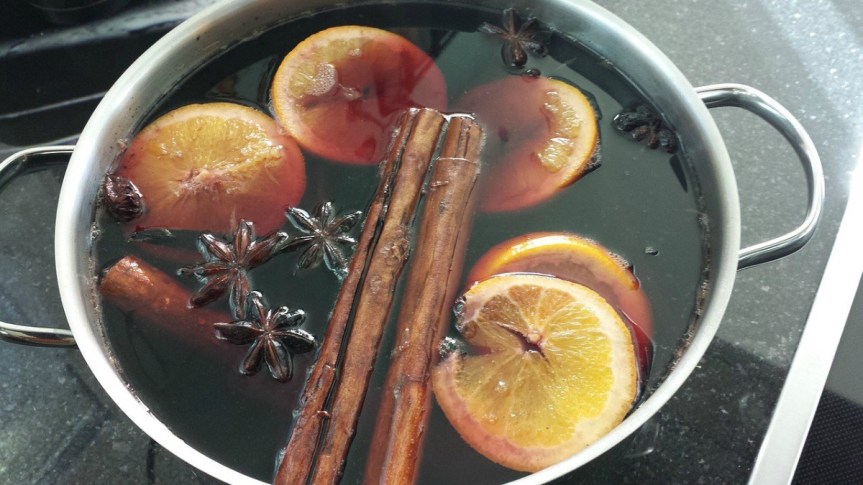
Food as Medicine: Anise (Pimpinella anisum, Apiaceae)
Crooked Bear Creek Organic Herbs
Anise or aniseed (Pimpinella anisum, Apiaceae) is an herbaceous annual that grows to almost a meter (3.3 feet) in height.1,2 The lower leaves of the plant are dark green, heart-shaped, and shallowly lobed, while the upper leaves are feathery. In the summer, the plant produces small, white flowers in an umbrella-shaped head, and, in the fall, these flowers produce aromatic fruits that are three to four millimeters in length. These fruits, called “anise seeds” in the market and referred to in the rest of this article as “seeds,” are the medicinal and culinary portion of the plant.
The cultivation of anise, which is native to the Anatolian peninsula, Greece, and Egypt, has spread to other countries. The plant grows well in warm, frost-free climates.3,4 Anise should not be confused with fennel(Foeniculum vulgare, Apiaceae), licorice (Glycyrrhiza glabra, Fabaceae), or star anise (Illicium verum, Schisandraceae), which have…
View original post 2,028 more words
Bittersweet … A Tale of Two Sisters
The Herb Society of America Blog
By Kathleen M Hale, Western Reserve Herb Society
The Sisters’ Shame
We were two daughters of one race;
She was the fairest in the face.
The wind is blowing in turret and tree.
They were together, and she fell;
Therefore revenge became me well.
O, the earl was fair to see!
Alfred, Lord Tennyson
A lot of legends of magic, revenge and sorcery begin with two sisters. Sometimes they are friends. Sometimes they are rivals. But an unspoken message in many stories is, “Don’t pick the wrong one!” Increasingly, North American gardeners are finding themselves faced with this dilemma. The choice may be between a native plant and its sometimes seductive, sometimes invasive sister, introduced from elsewhere.
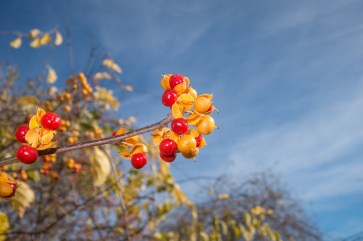
Bittersweet gives us such a story. American bittersweet, Celustrus scandens, is seen everywhere this time of year in wreaths and dried arrangements. It has tiny vivid orange fruits…
View original post 434 more words
6 LUNG HERBS for the BODY & MIND
Add Lemongrass to Your Garden Plans — The Herb Society of America Blog
Lemon grass is probably one of the easiest, cheapest herbs you can grow.
via Add Lemongrass to Your Garden Plans — The Herb Society of America Blog
Let’s Create Some Herbal Remedies – When Cold and Flu Season Arrives.
Crooked Bear Creek Organic Herbs
These two recipes are prepared as teas but are not taken in your tea cup – they help with the discomfort of flu season in other ways.
Winter Inhalation
This traditional herbal steam helps open your sinuses, discourages bacterial and viral growth, and reduces pain and inflammation. Remember to stay a comfortable distance from the steaming pot to avoid burning your face.
8 – 12 teaspoons fresh or 4 teaspoons dried eucalyptus leaf {Eucalyptus globulus}
2 – 3 tablespoons fresh or 1 tablespoon dried peppermint leaf
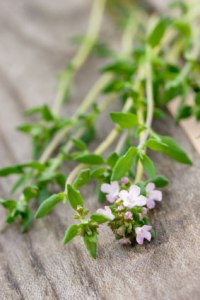
2 – 3 tablespoons fresh or 1 tablespoon dried thyme herb
3 cups purified water
Essential oils of the herbs above {optional}
Place the eucalyptus, peppermint, thyme, and water in a saucepan and stir to thoroughly combine. Bring to a boil, reduce the heat, and simmer, covered, for 5 to 10 minutes. Remove from the heat and uncover. Drape a large towel…
View original post 371 more words
BE A HERBALIST THIS FALL
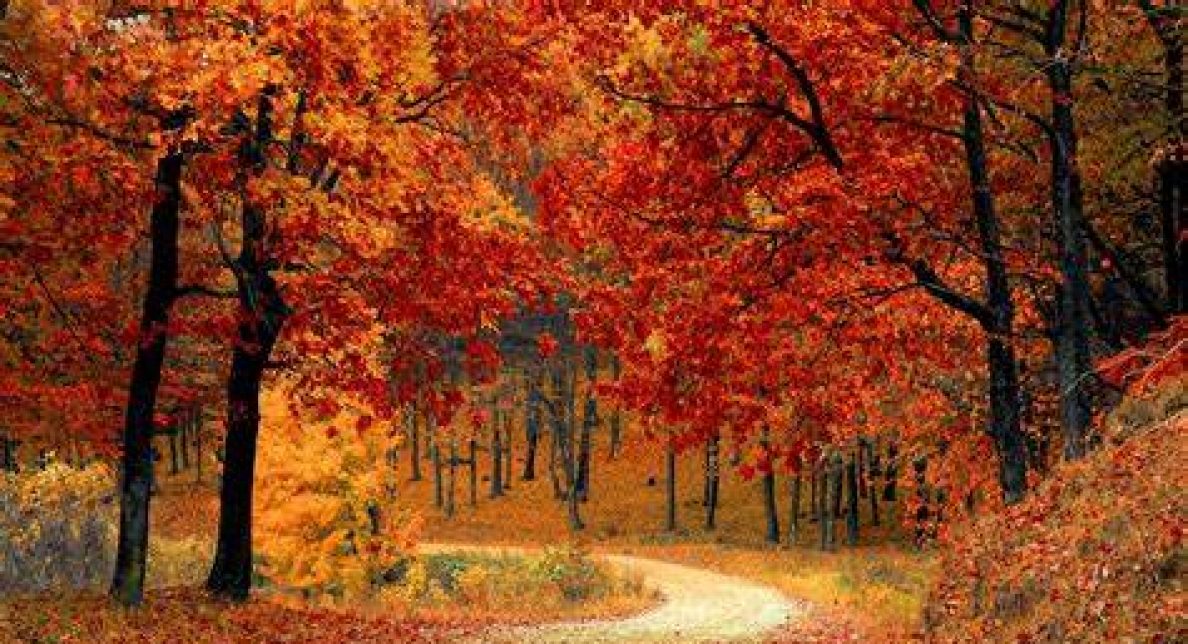
Autumn is the time to ground down and return to our inward selves. After the ethereal light and abundant days of summer, we start to prepare for the darker days ahead. It’s the best time of year to set intentions, get quiet, create and manifest dreams, and to re-commit to healthy habits–the simple things that add up to a healthier state of being.
Wherever you are in the world and whether you experience a dark winter or not, honoring the seasons within the body is one of the most fundamental practices within herbalism.
1. INVITE WARMING, GROUNDING AND NOURISHING RITUALS BACK INTO YOUR LIFE
From a holistic, traditional standpoint, each season is characteristic to an element or quality within nature, and we should guide our lifestyle choices to support the season. For example, in Traditional Chinese Medicine, this season marks the beginning of the Yin (cool, watery, deep) part of…
View original post 618 more words


You must be logged in to post a comment.