Your Apothecary Cabinet: Herbal Oils

By Crooked Bear Creek Organics

Crooked Bear Creek Organic Herbs's avatarCrooked Bear Creek Organic Herbs

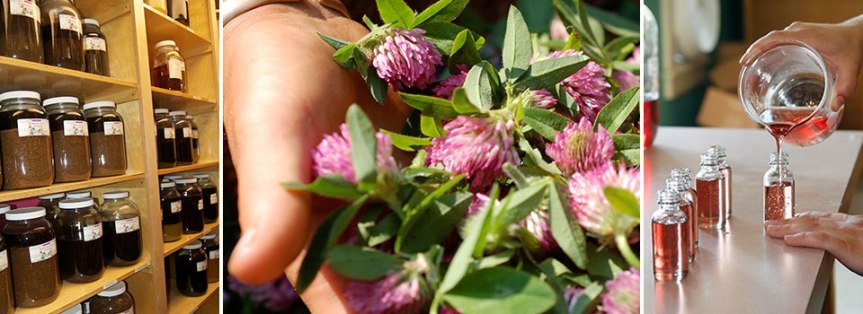
Herbal oils are simply oils infused with herbs, much as you would steep rosemary in olive oil for culinary purposes. Healing herbal oils can be taken internally for a variety of ailments, can be used externally for therapeutic or daily beauty routines, and can be incorporated into herbal salve recipes. Dried herbs are preferred since fresh herbs will sometimes ferment.

Basic Herbal Oil:

1 cup finely ground dried herbs {flowers, leaves, roots, barks, and/or seeds}

1 1/4 cups almond, jojoba, or olive oil

In a blender or food processor, combine the herbs and oil. Blend or process until puree for greater extractability. Pour the mixture into a clean glass jar with a lid, making sure the plant material is completely submerged in the oil. If it’s not, add more oil until the herbs are covered by about 1 inch of liquid. Cover the jar and store it in a dark…

View original post 775 more words

Your Apothecary Cabinet: Herbal First Aid Kit…

By Crooked Bear Creek Organics

Crooked Bear Creek Organic Herbs's avatarCrooked Bear Creek Organic Herbs

Being prepared with my favorite remedies gives me peace of mind on the road or trail, and keeps me from having to search out herbal products in an unfamiliar town — or from having to resort to padding my heels with mullein leaves to ease the agony of a broken blister while on a backpacking trip.

I’ve had plenty of opportunities to put my first-aid kit to use, from treating blisters and bug bites to motion sickness and colds. I choose simple, multipurpose remedies and store them in a small padded nylon lunch box that’s always ready to toss into the car. For backpacking trips, I pare my kit down to arnica gel, echinacea, peppermint and chamomile tea bags, crystallized ginger, insect repellant, a tin of herbal salve, a tiny bottle of lavender essential oil, and an assortment of bandages and moleskin.

With the following herbs and essential oils, you…

View original post 1,626 more words

The History of Herbal Medicine and Essential Oils

By Crooked Bear Creek Organics

Crooked Bear Creek Organic Herbs's avatarGood Witches Homestead

The history of essential oils is intertwined with the history of herbal medicine, which in turn has been an integral part of magical practices. Herbal medicine has been used for more than treating minor ailments and disease; it has been instrumental in providing life-enhancing benefits. In most ancient cultures, people believed plants to be magical, and for thousands of years, herbs were used as much for ritual as they were for medicine and food. According to medical herbalist and healer Andrew Chevallier, the presence of herbs in burial tombs attests to their powers beyond medicine. In addition, fourth-century BCE Greek philosopher Aristotle noted his belief that plants had psyches.

Aromatic plants in the form of oil and incense were elements of religious and therapeutic practices in early cultures worldwide. In addition, anointment with perfumes and fragrant oils was an almost universal practice. Burning incense in rituals provided a connection between…

View original post 1,460 more words

Your Apothecary Cabinet: The Healing Properties Of Herbs

By Crooked Bear Creek Organics

Crooked Bear Creek Organic Herbs's avatarCrooked Bear Creek Organic Herbs

There have been lots of pharmaceutical studies to evaluate the active elements present in herbs to discover the reason as well as the manner in which they work. A relatively outmoded method is to classify the herbs by exploring the types of health conditions that they can aid in curing. Identifying the actions of the herbs and the manner in which they may be employed together forms the basis of a comprehensive approach.

For example, in a number of instances, the action of herbs is owing to certain chemical or a blend of chemicals present in them – the sedative herb valerian is a perfect example of this. Alternatively, the action may also be owing to a multifaceted synergetic interaction between the different elements of the herbs. Nevertheless, the best way to comprehend the actions of the herbs is to consider them as characteristics all together and to interpret the chemical…

View original post 2,900 more words

Endangered Species; Herb Guide: Goldthread

By Crooked Bear Creek Organics

Crooked Bear Creek Organic Herbs's avatarCrooked Bear Creek Organic Herbs

Health Benefits of Goldthread

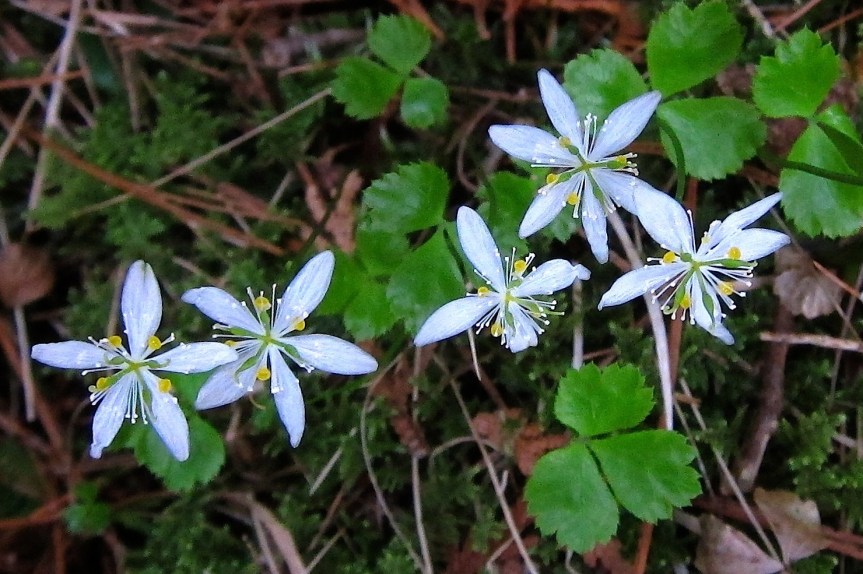
Goldthread, also known as coptis or canker root, is a genus of perennial herbs that have been part of Asian and North American traditional medicine for hundreds of years. The roots of the plant look like a tangled mass of gold thread, hence its name. Herbal goldthread is actually the powdered rhizome, or underground stem, of the goldthread plant.

View original post 580 more words

Herb Guide: Senna

By Crooked Bear Creek Organics

Crooked Bear Creek Organic Herbs's avatarCrooked Bear Creek Organic Herbs

Cassia senna syn. Senna Alexandria

Also, Known As:

  • Alexandrian Senna
  • Senna

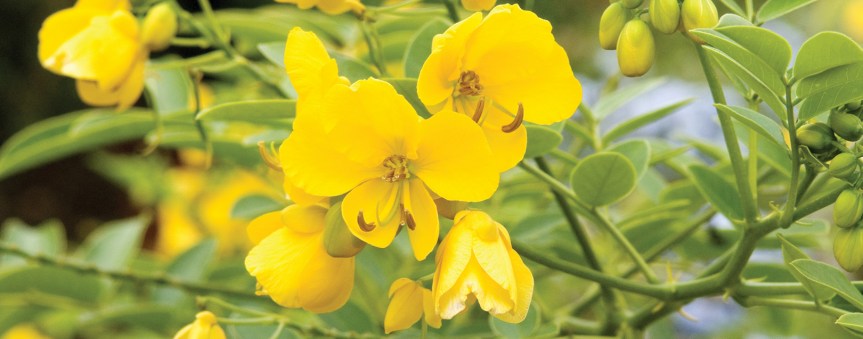
The senna plant is a small shrub belonging to the Caesalpiniaceae family. Incidentally, the senna belongs to two genus of Cassia – C. senna is also known as Alexandrina senna and C. Angustifolia that is also called the Tinnevelly senna. While the first variety of senna is found along the Nile River in Egypt and Sudan, the second type is widely cultivated in southern and eastern parts of India. It may be noted here that some experts are of the opinion that both the varieties of senna belong to a single species – Senna Alexandrina. Despite such claims, it may be said that the two varieties of senna differ greatly both according to morphology (structure of the plants) and histology (tissue study). Hence, the theory that Senna belongs to one single species is yet to get the pharmacognosists’ sanction.

View original post 1,844 more words

Herbal Pet Care

By Crooked Bear Creek Organics

Crooked Bear Creek Organic Herbs's avatarCrooked Bear Creek Organic Herbs

Just as we use herbs to enhance our lives, we can do the same for our four-legged family members – our pets. A growing number of veterinarians take a holistic approach to health care for animals, and that includes the use of herbs to promote wellness and increase the quality and length of our pet’s lives. At home, you can use herbs to supplement your pet’s diet and make healing preparations for them. But remember Always work with a veterinarian who is trained in the use of herbs for pets.

German-Shepherd-Dog

Nutritive Herbs for Pets

The following herbs are excellent daily additions to your pet’s diet. Finely mince the fresh organic herbs and sprinkle them over food just before serving. Grind the seeds into a powder and add just a pinch to food before serving. Decoct {simmer in water for 10 to 15 minutes} the burdock root, and pour some of…

View original post 1,120 more words

Herbal Healing For Pets

By Crooked Bear Creek Organics

Crooked Bear Creek Organic Herbs's avatarCrooked Bear Creek Organic Herbs

Even with a healthy diet and regular exercise, your cat or dog could be plagued by parasites, be stung by a bee, or could develop an acute or chronic disease. A holistic veterinarian might treat the problem in a variety of ways, but the treatment will likely include the use of herbs. Here are a few of the most common problems dogs and cats experience and the herbs used to treat them. Work with your vet to determine the best preparation and dosage for your pet. To find a holistic veterinarian in your area, contact the American Holistic Veterinary Medical Association {www.ahvma.org}. Many of these practitioners use herbs as part of an integrated approach to pet health.

Allergies:

Allergies result when the body’s immune system becomes overactive in response to an allergen. Besides identifying and avoiding the triggering substance, treatment could include the use of herbs that help the…

View original post 872 more words

Herb Guide: Cat’s Claw {Uncaria tomentosa}

By Crooked Bear Creek Organics

Crooked Bear Creek Organic Herbs's avatarCrooked Bear Creek Organic Herbs

Also, Known As:

  • Cat’s Claw
  • Garabato
  • Saventaro
  • Una De Gato

Traditional herbalist and indigenous healers or shamans in South America make wide use of the herb called the cat’s claw in their remedies. All types of infectious diseases, many cancerous disorders and inflammations are normally treated using the cat’s claw herb by the Ashaninka Indians of Peru; in their view, this herb is a powerful and effective “health-restorative” herbal medication. The herbal cat’s claw based remedies are marketed essentially as an alternative preventive natural medicine in the west and the western pharmacopeia classifies the herb as an alternative treatment option for the treatment of disorders such as cancer, the human immunodeficiency disease or HIV and to treat all other infections in the body, in the West it is also used in the treatment of disorders such as arthritis, symptoms of asthma and ulcers – and other long-term or persistent inflammatory illnesses.

Traditionally derived knowledge, case reports and trials conducted without controls are…

View original post 2,809 more words

Herb Guide: Lemon Balm

By Crooked Bear Creek Organics

Crooked Bear Creek Organic Herbs's avatarCrooked Bear Creek Organic Herbs

Learn the medicinal and culinary uses of lemon balm, how to grow it, and how to make your own traditional Carmelite water.

To get the best flavor out of lemon balm, shear it with scissors, cutting it down by half or more, at least once a month. You can safely harvest three-quarters of the plant every three to four weeks and not harm it.

Often when someone asks me what my most favorite herb would be, I enjoy the surprise on their face when they hear my answer: Lemon balm, I say, without any hesitation.

Lemon balm (Melissa officinalis) isn’t at the top of most people’s favorites list. Basil, parsley, and lavender are the most popular herbs in America, but lemon balm isn’t even on the top 10 list. But it is deserving of considerably more recognition.

Lemon balm is a perennial herb from the mint family (

View original post 1,136 more words