
Herbal science group emphasizes that consumers should NOT attempt to produce oleander-based home-remedies or self-medicate with the dangerous poisonous plant.
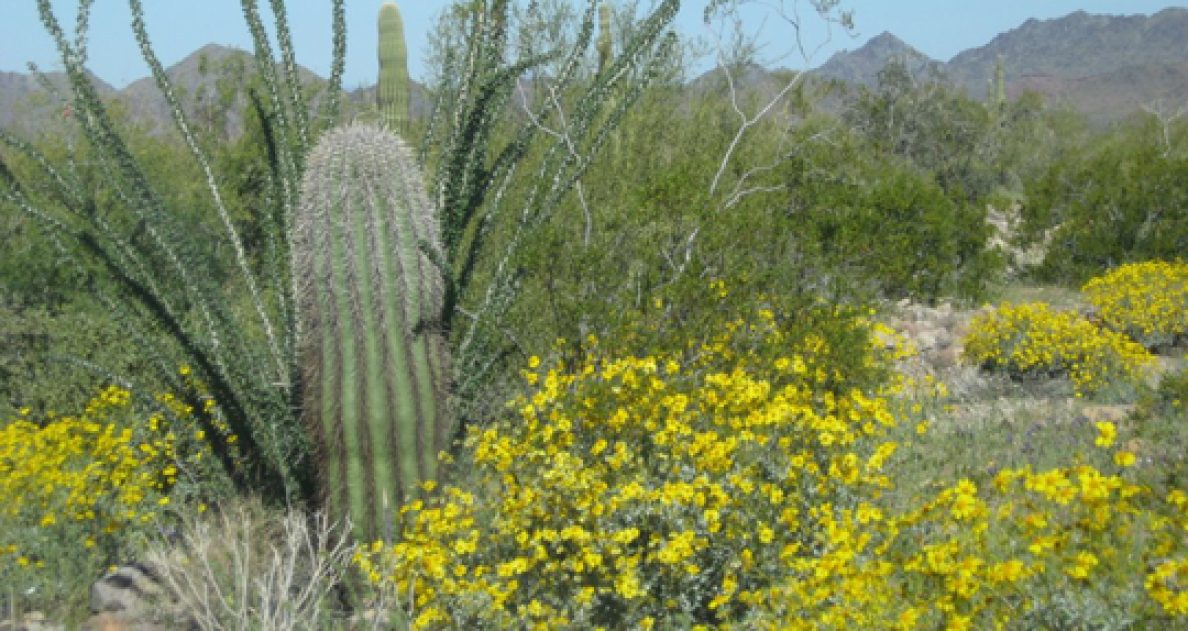
AUSTIN, Texas (August 18, 2020) — The nonprofit American Botanical Council (ABC) today warned the public about the substantial toxicity associated with all parts of the oleander (Nerium oleander) plant. ABC warns consumers not to ingest any parts of the plant, or capsules, tablets, teas, or extract preparations made from leaves or other parts of the oleander plant because it contains chemicals that can cause serious effects to the human heart, including death.
The ABC warning came as a result of recent media reports that President Trump may be considering asking (or may have asked) the Food and Drug Administration (FDA) to approve the drug product called oleandrin as a potential treatment for COVID-19. Oleandrin, as a purified pharmaceutical investigative drug product, has been researched for its potential…
View original post 359 more words


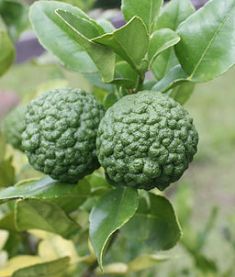 The Herb Society of America’s Herb of the Month for August is the makrut lime,
 While on a volunteer trip in Orlando, Florida, I was desperate for bug spray. In the middle of December, the mosquitoes nibbled on any exposed skin they could find, leaving me and the rest of the unprepared Maryland native participants with patches of red swollen bumps on our ankles and arms. Our guides, a retired couple who volunteers with the state parks, became our heroes on the second day of the trip. During our lunch break, the husband saunters over to us, carrying a branch from a nearby shrub and states, “This is spicebush. Crush its leaves and rub it onto your arms. Keeps the bugs away and helps the itch.” Immediately, we passed the branch around, ripped the leaves off the branch, crumpled them, and rubbed the lemon-peppery scented oil onto our skin.

 Pepppercorn drupes. Photo credit: Missouri Botantical Garden


 Paths I Walk
You must be logged in to post a comment.