Springtime Herbs To Have On Hand

Crooked Bear Creek Organic Herbs's avatarCrooked Bear Creek Organic Herbs

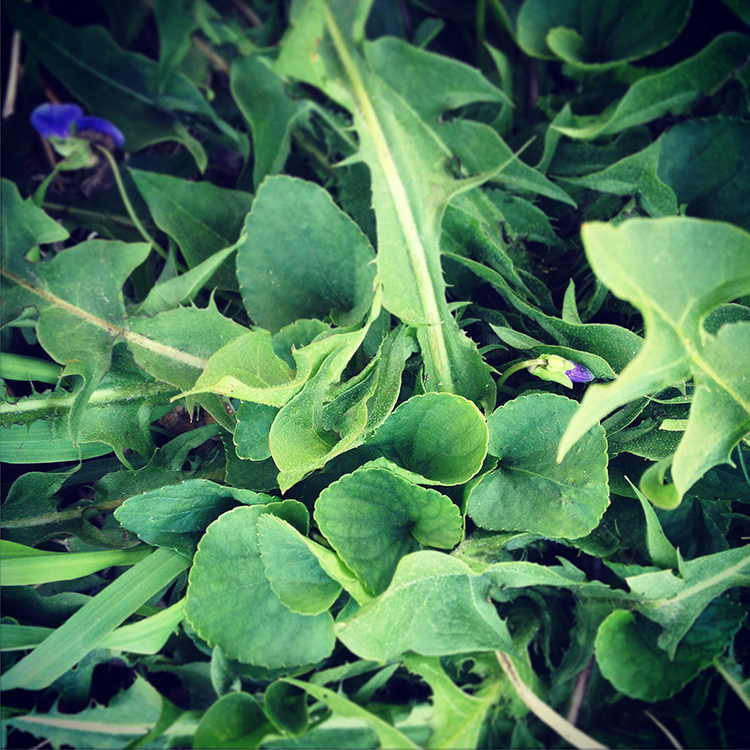
Traditionally, the days around the Vernal Equinox (mid to late March) and the month(s) after it was seen as a time of intense, rushing energy: days get longer and the sunlight more intense, the first signs of green growth emerge, and wildlife stirs again. Herbalists still consider this a time when the more inward, ‘congealing’ energies of Winter begin to transition into the more outward, ‘expansive’ energies of Summer—and when a little attention paid to the process can improve vitality, strengthen digestion and immunity, and keep us in tune with the changing seasons.

There are specific herbal allies that have gained a deserved reputation for aiding in this transition, and each has its own peculiar “virtues” and affinities. All, however, rely somewhat on two basic strategies: either enhancing digestive and eliminative function or bolstering the power of the body’s immune and hormonal systems. Some do both! And generally, it was (and still is) considered a good idea to start with…

View original post 1,786 more words
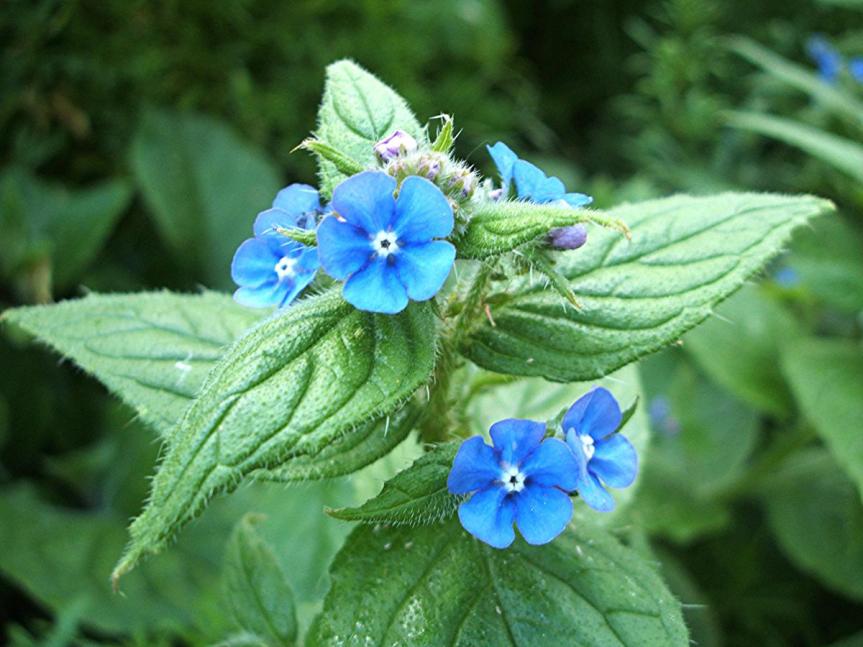
Plant Profile: Alkanet {Anchusa officinalis}

Crooked Bear Creek Organic Herbs's avatarCrooked Bear Creek Organic Herbs

Also, Known As:

  • Alkanet
  • Bugloss
  • Common Alkanet

The plant known commonly as alkanet is a biennial herb familiar to all herbalists. The herb is characterized by coarse and hairy stems as well as leaves that arise out of a cluster of basal leaves. The plant is about 1- 3 feet tall when fully developed. The plant is also characterized by possessing lower leaves that are stalked; these can grow up to eight inches in length. Leaves in the upper part of the plant are narrow, they can be oblong or lance-like in shape, these upper leaves can reach about six inches in length with a width an inch. Alkanet bears very dainty and purplish blue flowers, these flowers bloom from late May up to October, the flowers are tubular in shape, they can be about one-fourth of an inch across and are replaced by a minute and nut-like fruits of…

View original post 879 more words

Sweet Marjoram {Origanum majorana}

Crooked Bear Creek Organic Herbs's avatarCrooked Bear Creek Organic Herbs

Also, Known As:

  • Amaracus
  • Annual Marjoram
  • Knotted Marjoram
  • Sweet Marjoram

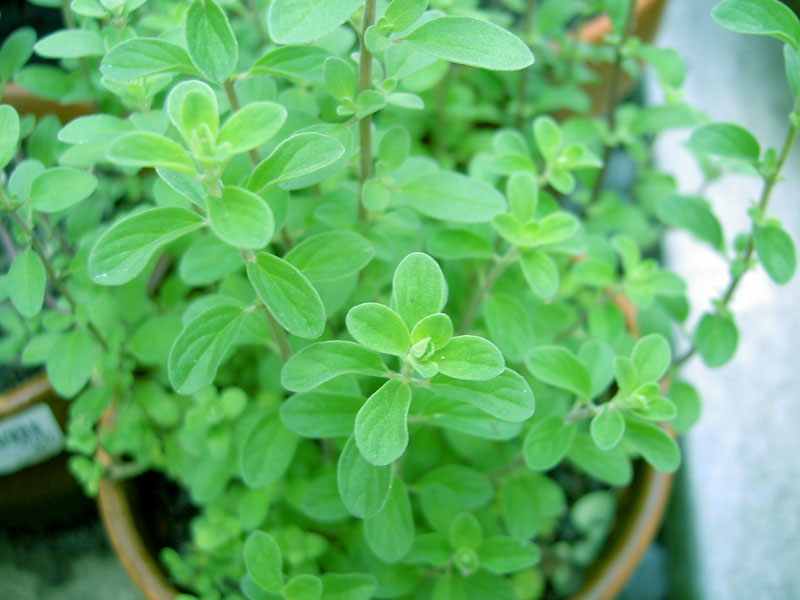
Sweet marjoram (botanical name Origanum majorana) is one of the more delicately flavored cousins of oregano. Sweet marjoram is a soft perennially growing herb that is actually cultivated in the form of an annual in the gardens in the northern hemisphere. This herb is considered to have its origin in North Africa, India, and the Middle East and usually grows up to a height of 25 cm to 60 cm (10 inches to 24 inches). Sweet marjoram is an attractive plant with a somewhat luxuriant, expensive habit that makes it a gorgeous hanging plant and is perfect for rock gardens and borders.

Sweet marjoram grows copiously; they are small, spherical, and woolly-haired and have greyish-green leaves that grow opposite to each other. The herb has a sugary, spicy aroma and essence.

The stem of this herb is square having a purple…

View original post 2,097 more words

Plant Profile: Prickly Ash — Crooked Bear Creek Organic Herbs

Zanthoxylum americanum Also, Known As: Angelica Tree Prickly Ash Suterberry Toothache Tree The prickly ash or the Zanthoxylum americanum is a tall shrub that may also be described as a small tree and usually grows up to a height of twenty feet. The shrub is distinguished by its barbed stalks and branches. The leaves of […]

via Plant Profile: Prickly Ash — Crooked Bear Creek Organic Herbs

Medicinal Hops for Health Benefits — Crooked Bear Creek Organic Herbs

While we know it best for the bitter flavor it imparts to beer, we celebrate hops as an increasingly valuable herbal medicine – and as the 2018 International Herb of the Year. Step into a hop field and you will witness a gorgeous feat of herbal engineering. Whether flourishing in towering lush columns or luxuriously […]

via Medicinal Hops for Health Benefits — Crooked Bear Creek Organic Herbs

Plant Profile: Eucalyptus {Eucalyptus globulus}

Crooked Bear Creek Organic Herbs's avatarCrooked Bear Creek Organic Herbs

Also, Known As:

  • Blue Gum
  • Blue Gum Tree
  • Eucalyptus
  • Fever Tree

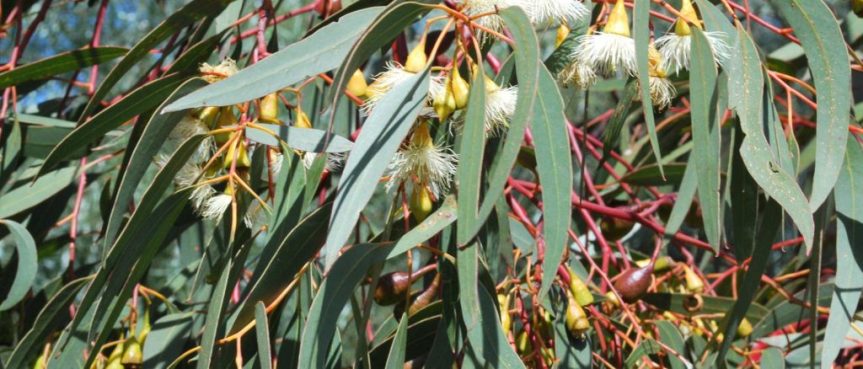
The familiar tree known as the eucalyptus is indigenous to Australia. This popular quick growth tree is now cultivated in many other countries. The tree is one of the quickest growing tree species around; it is also among the world’s biggest and tallest trees. The eucalyptus grows successfully in many places with varied soils and climate. When fully grown, some sub-species of this tree can cross two hundred fifty feet in height. The eucalyptus is an efficient dry land tree, putting out a vast network of roots underground to probe for water. The efficient ability of the eucalyptus at scrounging water from the soil has been applied to great effect in draining marshy and waterlogged areas in land reclamation programs. This characteristic of the tree has proven to be of the greatest help in the complete reclamation of water bogged malarial…

View original post 2,889 more words

Home Remedies for Pneumonia?

Crooked Bear Creek Organic Herbs's avatarCrooked Bear Creek Organic Herbs

Pneumonia is an inflammatory disorder of the lungs caused by an infection of the airways. It is a serious condition, and home remedies cannot be used to treat it. However, they can help ease the symptoms.

Pneumonia infections can be critical and may even be life-threatening in some cases. It is essential to visit a doctor for a diagnosis, as well as to monitor symptoms and avoid any complications.

Using a blend of medical treatments and home remedies may help many people manage their symptoms more easily.

Fast facts on pneumonia:

  • Infections by viruses, fungi, bacteria, and other harmful organisms cause pneumonia.
  • Many of the germs that can cause pneumonia are common in the environment.
  • Healthy lifestyle choices may help reduce the risk of developing pneumonia.

Causes and symptoms

Common symptoms of pneumonia include fever, chills, fatigue, and achiness.

People often contract pneumonia from someone else or through a lingering…

View original post 1,222 more words

Plant Profile: Yerba Mansa

Crooked Bear Creek Organic Herbs's avatarCrooked Bear Creek Organic Herbs

Anemopsis californica

Also, Known As:

  • Lizard’s Tail
  • Queue de Lézard
  • Swamp Root
  • Yerba Mansa
  • Yerba Manza

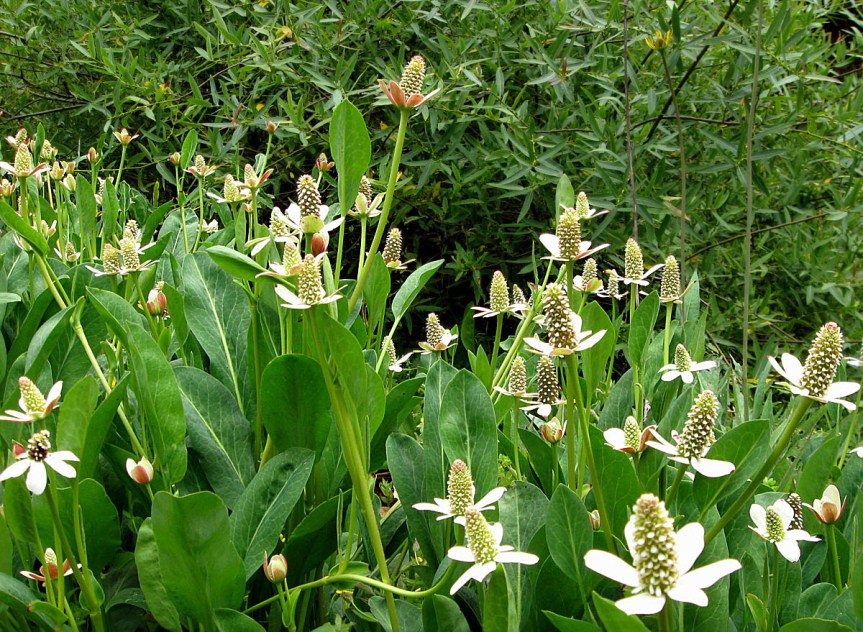
Usually, the yerba mansa, scientific name Anemopsis californica, is depicted as a perennially growing herb. Native to the United States, this herb grows most actively during the spring and summer. The foliage of this plant is green and it produces unremarkable white blooms along with plenty of prominent brownish fruits or seeds. The yerba mansa produces maximum blooms at the onset of spring while the fruits and seeds are produced from the beginning of spring to the end of the season.

The yerba mansa is found growing in stands in marshes and boggy swamps, along river banks. For instance, this herb is found growing naturally along the Colorado River and downstream into some places in Mexico like Chihuahua and Sonora. This plant does not grow very tall and bears smoothed and slightly juicy leaves whose…

View original post 2,485 more words

Plant Profile: Chuchupate, Oshá

Crooked Bear Creek Organic Herbs's avatarCrooked Bear Creek Organic Herbs

Ligusticum porteri – Chuchupate, Oshá

Other Names:  Bear Root, Colorado Cough Root, Chuchupate, Hunawpi, Nawpi, Wasike, Shush, Chuchupaste, Porter’s Lovage

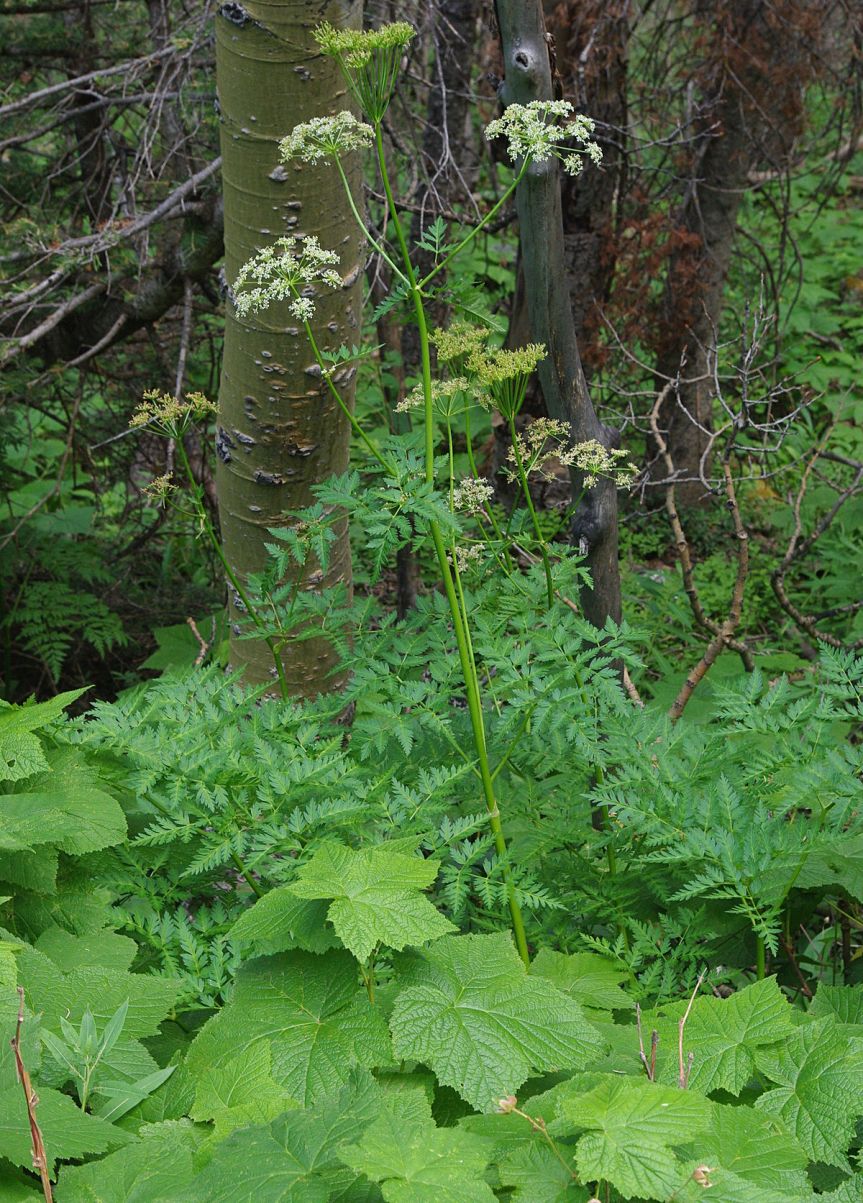
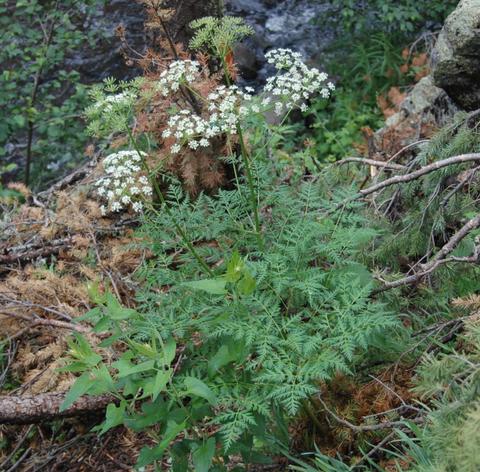
Ligusticum_porteri_-_Chuchupate_Osha_largeOrigin:  Chuchupate is found primarily from the Rocky Mtns. south down into the Cordillera of Mexico. Widely used by peoples of the Southwest and Mexico with a far-reaching significance in their cosmology. The plant is greatly varied in terms of size, scent, growth characteristics, and adaptability to the environment. It is not grown commercially, but is prolific in the mountains of Colorado, primarily SW Colorado.
Energetics:  Hot & Dry. Pungent, spicy sweet, bitter. Vital Stimulant. Tonic.

Properties:  Stimulating diaphoretic, stimulating expectorant, circulatory stimulant, antiviral, carminative, aromatic bitter, digestive, antimicrobial, styptic, anodyne, antiseptic, emmenagogue

Uses:  Cough, sore throat, colds, influenza, bronchitis, fever, empacho, indigestion, injured joints/tendons/ligaments, bruises, toothache, snake bite, wounds, stings, or spider bites.

Appearance, Habitat & Poison Relatives

Ligusticum porteri has opposite or whorled…

View original post 1,934 more words

Healthy Lungs: Health Benefits of Chapparel

Crooked Bear Creek Organic Herbs's avatarCrooked Bear Creek Organic Herbs

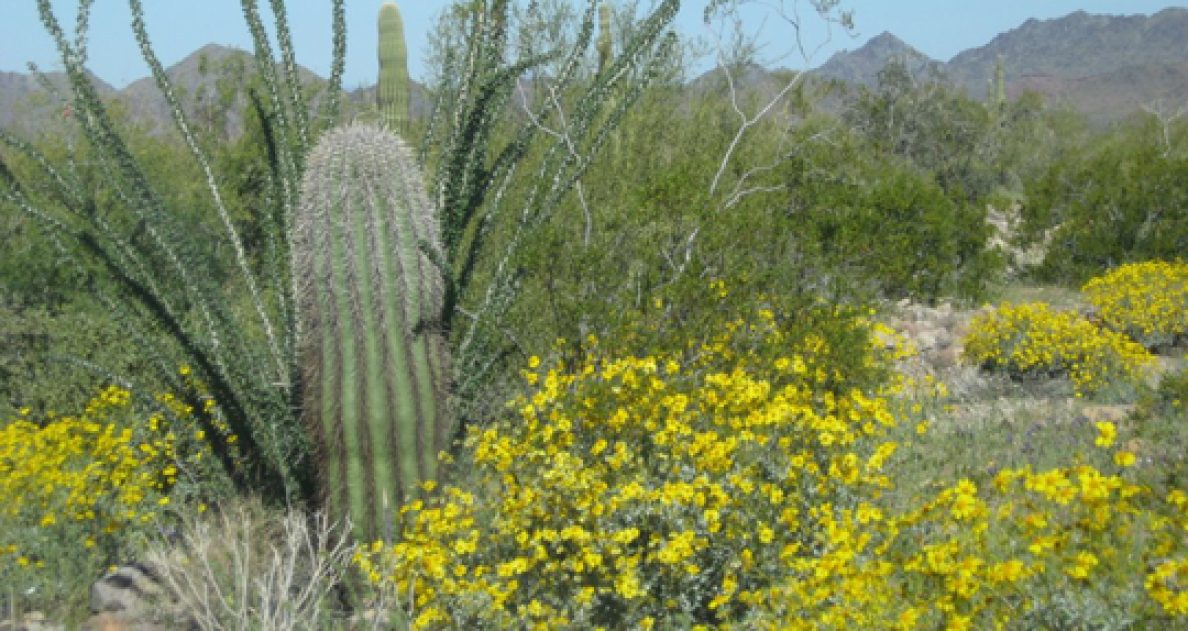
There’s good news for sufferers of upper respiratory ailments. Chaparral is a flowering plant found in the deserts of southwest North America that may provide relief via its natural, organic compounds. Native Americans have historically appreciated chaparral for lung detox and addressing respiratory problems such as symptoms of bronchitis, cold, and congestion.

View original post 1,436 more words