This Full Planting Moon is the first of 4 super moons in a row this year. This is also the first full moon of the astrological new year.
The energy has been intense leading up to this full moon. Establishing order, healing of old wounds and trying to maintain and establish harmony might be some major themes for you right now.
There are some powerful lessons with this moon. It is opposite Venus, trine Saturn and opposite Chiron. The Moon will also make a perfect triangle configuration to both Saturn and Mars, known as a Grand Trine.
This Full Moon is opposite Venus which can increase your need for love and affection, helping us connect to others on deeper levels. Be careful that with this vulnerability you don’t give into things like jealousy or obsession or codependency.
The Moon is trine Saturn, which gives us the patience, inner strength and wisdom to handle any of the obstacles that might come with the intense energies of this full moon.
Chiron, the wounded healer is conjunct the Sun and Venus, and opposite the moon right now too, so there are some unhealed wounds that might be making themselves known to you right now. These might come in the form of new experiences that hold similar energy to a past event.
You might feel like your healing is going backwards, but trust that it is cyclical. Trust in the seeds you’ve planted in the past. Trust in your inevitable period of blooming.
The full moon is also known as the Planting Moon. The Seed has sprouted. Life is flowing and growing wild.
The Planting Moon brings you back to Earth. Prepare your garden so your dreams can grow. Spiritually and quite literally.
For this earthy full moon, we are reconnecting with Gaia- the plant allies, crystal companions and our ritual from last month by completing our witches garden.
If you haven’t planted any seeds yet, no worries! There is still plenty of time. If you did already plant your seeds, they might be big enough to be moved to a bigger planter.
But before we transplant plant our seeds, we are going to create a dedicated planter to hold them and help them grow.
Read full article at: Spirit de la Lune ~ An Enchantment Spell for this Full Planting Moon

 You may be one of the growing numbers of home gardeners who have put shovel to soil in the effort to nourish themselves and their families with wholesome, organic, fresh, and ultimately local vegetables and fruits. It is empowering to know exactly where your food comes from. And, while gardening is perfect exercise…it can be a lot of work! What if you could grow food plants that all but took care of themselves? Or better yet simply harvest, with caution of course, from the wild.

 V. tricolor is in the violet family (Violaceae). The flowers can be purple, yellow, or white but are most commonly all three colors. The herb is native to Europe and Eurasia and was thought to be brought to the United States by colonists. It can be an annual, biennial, or a short-lived perennial. It will reseed itself and thrives in cooler weather.


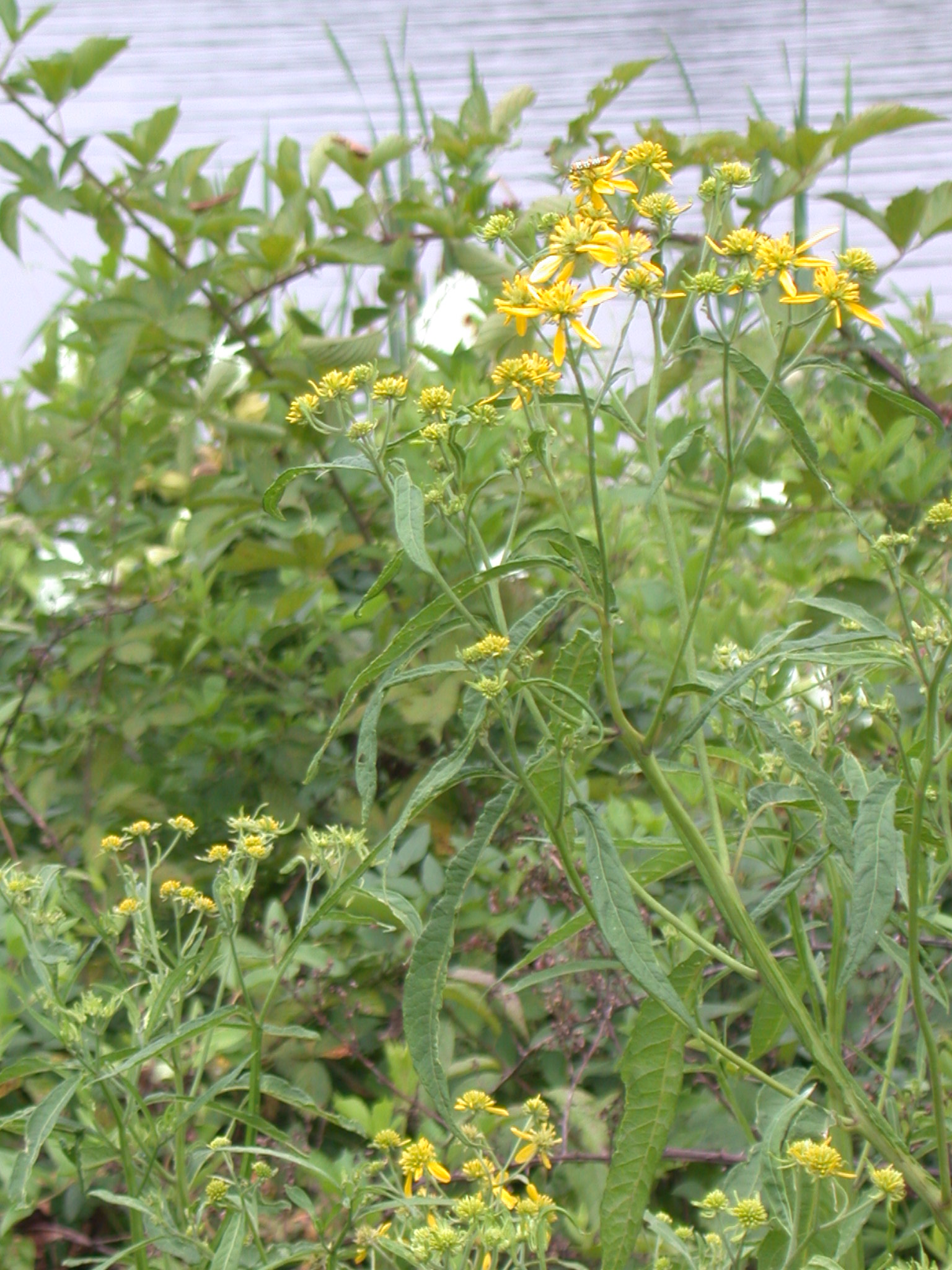 Shivering as I stood looking out the door, a glimpse of white caught my eye. My first thought was squirrels had again torn open the chairs on the deck, ripping out stuffing to line their nests. Walking down the steps to retrieve the wisps of cotton, I realized these are FROST FLOWERS!!


You must be logged in to post a comment.