IPM For The Herb Garden

By Crooked Bear Creek Organics

Crooked Bear Creek Organic Herbs's avatarCrooked Bear Creek Organic Herbs

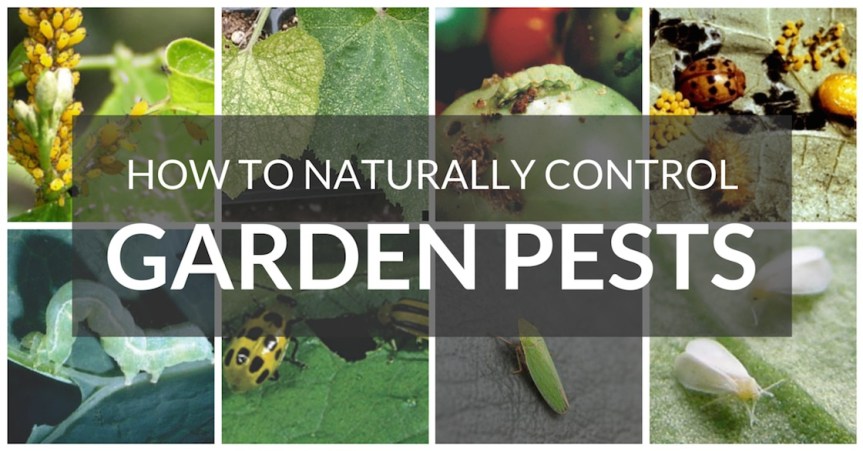
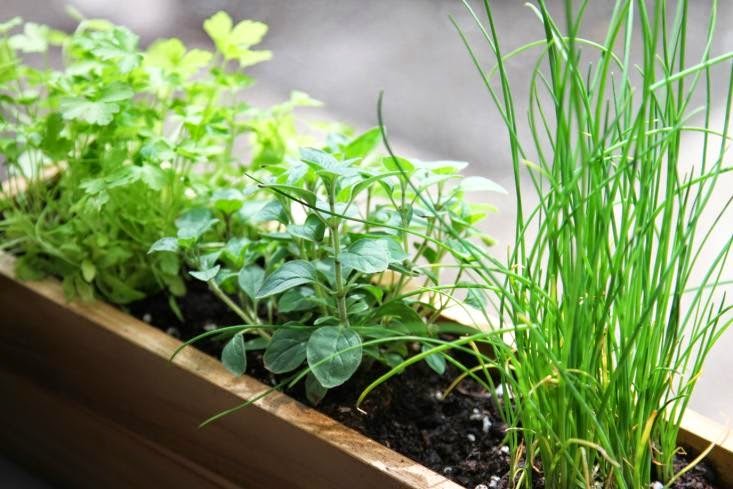
Designed as an alternative to the rampant use of insecticides in agriculture, Integrated Pest Management has proven to be an effective means of promoting healthy growth in the backyard garden as well. Learn more about how you can implement this technique in your herb plot.

Even under the best of care, your herb garden may be affected by pests or disease at some point. It can be difficult to choose the right moment and method to deal with these problems that arise, but implementing an Integrated Pest Management {IPM} strategy can help get your garden on the right track. With its multipronged approach of prevention, observation, identification, and control {if necessary}, IPM can have a significant impact in any garden, large or small, and will reward you with healthy, thriving plants with minimal impact to the environment.

The concept of IPM was first explored by American scientists and agriculturalists after…

View original post 2,021 more words

Companion Planting with Herbs

By Crooked Bear Creek Organics

Crooked Bear Creek Organic Herbs's avatarCrooked Bear Creek Organic Herbs

Boost your garden this season with the right pairings of plants.

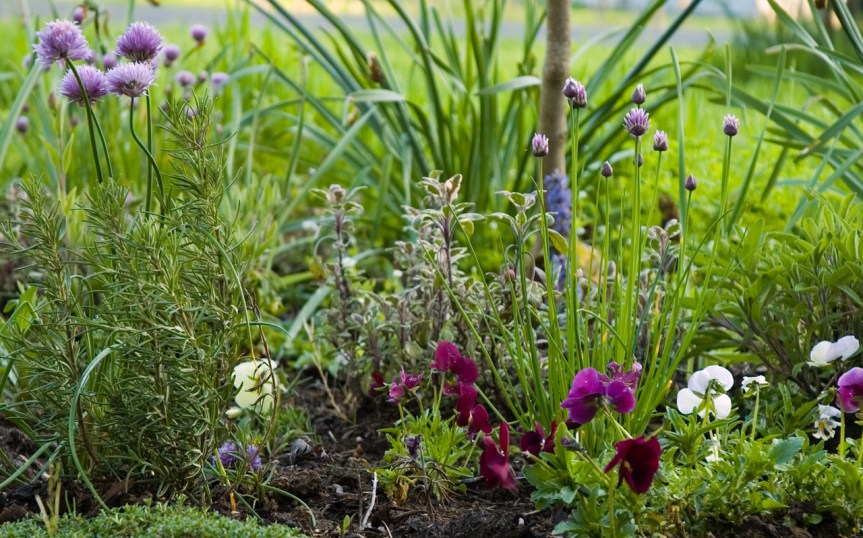
Companion planting is a fantastic addition to any garden. By specific plants next to certain fruits, flowers, and vegetables, you can boost their health and increase their production. Of course, knowing what pairings work best is key, especially when it comes to herbs.

How It Works

Companion planting improves growth in a number of ways. To start, some plants serve to repel unwanted pests while providing shelter and safety for beneficial insects. Others encourage pollination, which is especially needed for those fruits and vegetables that don’t have noticeable flowers. Species with bright shades of blue, white, or yellow and/or with high concentrations of nectar can attract bees to these lesser-flowered plants. Larkspur, sunflowers, sweet peas, cosmos, zinnias, and mints all do well in vegetable gardens {though the mint does spread quickly}. Companion planting is a wonderful tool for organic…

View original post 2,129 more words

That Funny Little Spring Weed: Lamb’s Quarter

Crooked Bear Creek Organic Herbs's avatarCrooked Bear Creek Organic Herbs

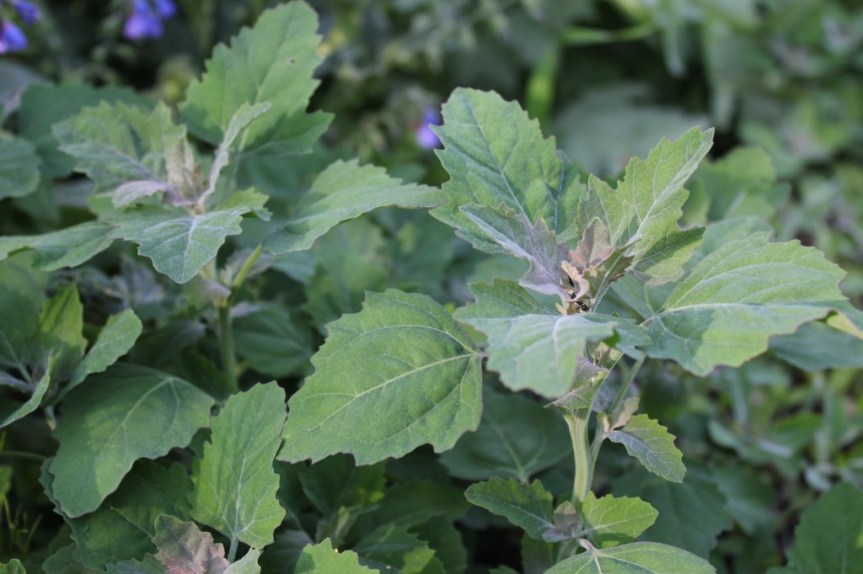
Lambs quarter is one of the most common weeds in gardens, backyards, and fallow fields, following human habitation closely. If you add horse or cow manure to your garden you will have a steady supply of these tasty wild greens for most of spring and summer. Easy to recognize with its alternate, triangle-to-diamond shaped leaves which are coated on the underside with a whitish grey powdery meal resembling flour. This coating may sometimes possess a coppery-fuchsia sheen and is sold as a cultivar called “magenta spreen” in some garden catalogs. The coating is a natural part of the leaf and is fine to eat. Put a leaf under water and the meal will cause the water to bead up in a beautiful iridescent fashion. Lamb’s quarter grows to 3-5 feet and is a branching annual with a grooved stem which is often tinged with red, especially at the node, or…

View original post 805 more words

Lily Lore

Crooked Bear Creek Organic Herbs's avatarGood Witches Homestead

COMMON NAME:  lily
GENUS:  Lilium
SPECIES, HYBRIDS, CULTIVARS:
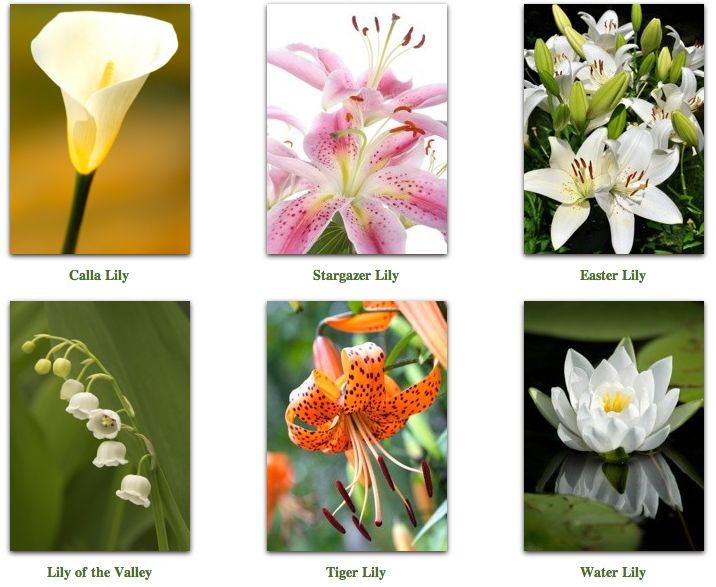
Many of the 200 species of lilies are native to the United States. Plant breeders have done extensive hybridization work on the lilies to make them hardy and free flowering. Lilies are now available in every color except blue.
FAMILY:  Liliaceae
BLOOMS:  late spring
TYPE:  perennial
DESCRIPTION:  Lilies are one of the most beautiful of all garden plants. The flowers are large and deliciously colored, and they usually occur many to a stem. The height of lilies ranges between 2 to 6 feet. Flower forms include trumpet shape, pendant, flat-faced, or bowl-shaped.
CULTIVATION:  The most important requirement for growing lilies is well-drained soil. Water standing on the bulbs will cause them to rot. The bulbs should be kept cool. This can be done by overplanting with annuals or perennials. Depending on the size of the bulbs, they should be planted…

View original post 678 more words

A Living Herbal Apothecary

Crooked Bear Creek Organic Herbs's avatarCrooked Bear Creek Organic Herbs

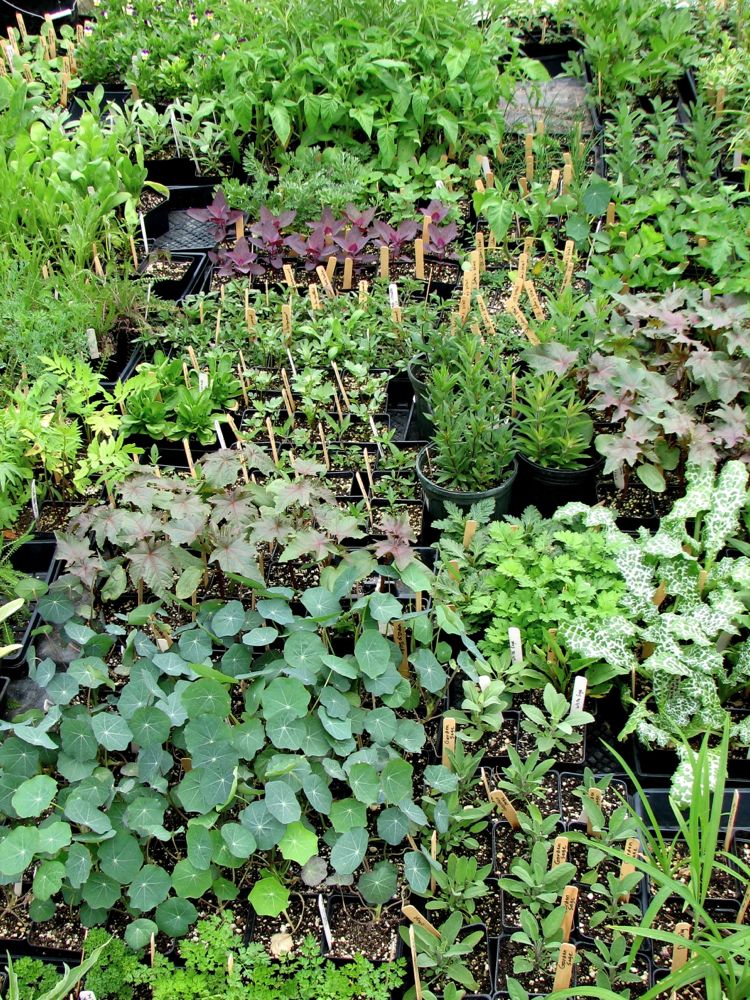
Whether you’re an experienced farmer or completely new to the world of gardening, medicinal herbs offer a unique growing experience. In this article, you’ll learn the steps you need to take to create a living herbal apothecary outside your door. If you have the land to cultivate and would like to grow your own herbs, start right here.

Herbs From the Ground Up:

Gardening begins with the soil; it’s the “ground of our being,” to borrow a phrase. If you take care of the soil, the soil, in turn, will nourish and feed the plants you grow for healing and health.

Soil Types:

An important first step in growing outdoors is to find what kind of soil you have. Take a handful of soil from a couple different places in your yard or on your land, make sure each one is somewhat moist, squeeze it gently in your fist, and…

View original post 4,131 more words

Apartment Dweller’s Series: Urban Apartment Gardening: Gardening Tips For Apartment Dwellers

Crooked Bear Creek Organic Herbs's avatarCrooked Bear Creek Organic Herbs

I remember the days of apartment dwelling with mixed feelings. The spring and summer were especially hard on this lover of green things and dirt. My interior was festooned with houseplants but growing veggies and larger specimens were something of a challenge, having minimal room on the patio or balcony. Fortunately, urban gardening ideas abound and there is a host of ways to grow tiny gardens for the space restricted gardener.

Challenges for Urban Gardening in Apartments

Finesse and commitment are required for urban apartment gardening. Space is not the only issue. Lighting and ventilation pose a concern, as well as the species and varieties which will thrive in confined and restricted spaces. Over the years, I gleaned some tips on how to grow a garden in an apartment. Follow along as we investigate gardening tips for apartment dwellers for a successful tiny landscape that is both beautiful and productive…

View original post 1,325 more words

Your Medicinal Herb Garden

Crooked Bear Creek Organic Herbs's avatarCrooked Bear Creek Organic Herbs

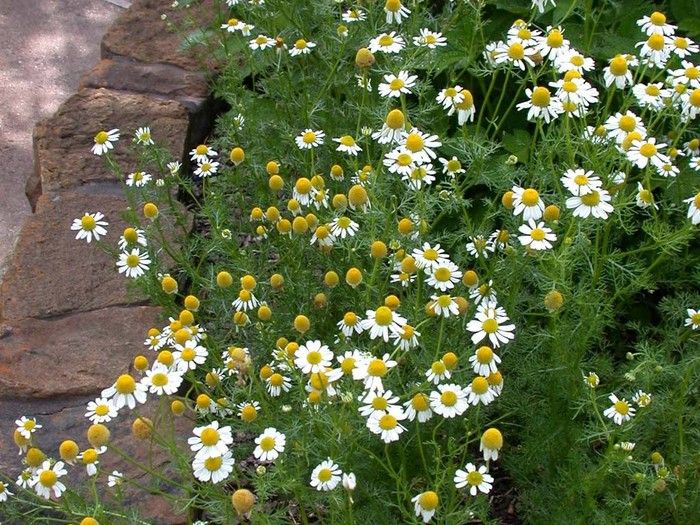
One of the questions I get asked frequently is what herbs would I recommend for a small medicinal herb garden or for someone just starting out so they don’t get overwhelmed. So that’s what I’m going to cover today. Of course, I don’t know everyone’s specifics. I will have to make a few assumptions – there will be plenty of sun, access to water, and the soil is healthy. One other important point is that these are herbs I believe allow for a beginner herbalist to begin treating their family with, they are also good for more advanced herbalists (for instance, I use chamomile in many preparations because it’s good for so many things). I’m hoping this will enable more and more individuals to grow their own “farmacy”!

chamomile plantMatricaria recutita – Chamomile

Like I mentioned before, I believe Chamomile (Matricaria recutita)  to be one of the most important…

View original post 3,347 more words

CRYSTALS FOR YOUR PLANTS – Good Witches Homestead

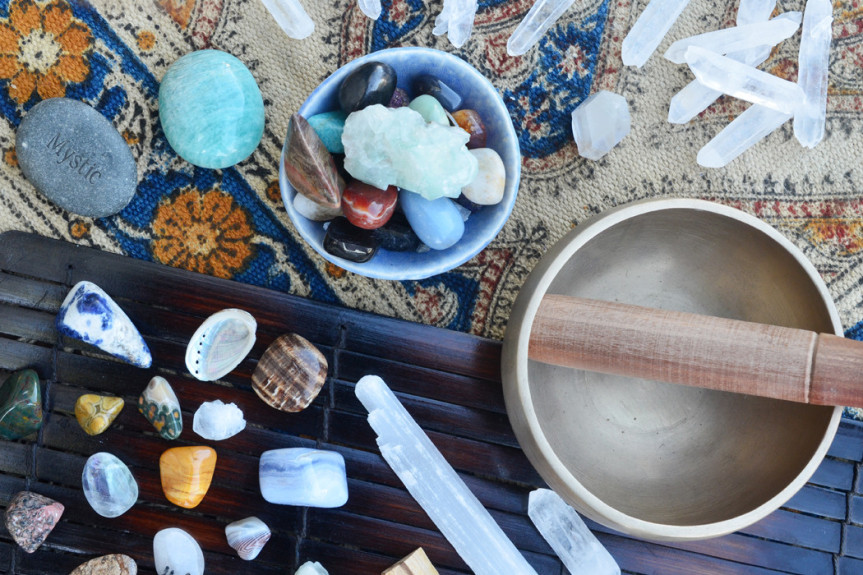
The integration of crystals alongside nature’s bounty can be a wonderful benefit for growth and regeneration.

By placing these minerals at the base of any plant or burying them alongside your vegetables, they can bring an added sense of encouragement and even spirituality to your hard work.

Minerals Used In The Garden

Agate (Moss): is a transparent stone that has inclusions of minerals that make it look like the stone has foliage in its matrix. This pretty stones can make a decorative border around any plant or flower bed.

Boji Stones are actually a registered trademark of stones discovered in Colorado. The appear smooth on one side (female) while others have a small protrusion on one side (male). These pair of stones are many composed of pyrite and palladium and have been used to facilitate growth and encourage telecommunication between plants.

Cerussite is a mineral, which occasionally resembles trees branching out with icicles. This stone has been used in gardens and work fields to assist in relieving infestation. It can be used to energize and protect house plants.

Daphnite: has been used by agricultural associations, farmers, and growers of herbs, plants, and flowers as the stone of transformation and transmutation. It appears to facilitate the communication with the plant world in order to enhance gardens, terrariums, and crops of any kind.

Fossils are the organic materials that have turned to stone. Minerals incorporate into the cellular structures of animals, bones, insects, shells and wood, filling in the spaces and are often found with inclusions of other plants or animals. Fossils are a stamp from the past that can be used to adorn any garden, indoor/outdoor potted plants. Their high mineral content is said to supplement any type of plantings.

Quartz: is considered solidified light and oxygen. Quartz encompasses a large family of stones and crystals, all of which are made up primarily of silicon dioxide, one of the most common and most important substances in the world. This mineral is found over 2/3 of the earth and can be used in many ways throughout your garden. Create beautiful borders.

Bury a few quartz points facing upward next to your potted plants. Lay some clear quartz tumbled stones alongside your flower garden. Use an elixir (see below) of quartz and water your plants with them. Make a crystal grid (see below) around your field or plant beds to encourage growth, harmony, and transform energy.

Sphene: is a mineral that grows in plate-like or wedge-shaped form and has been used in grids (see below) to encourage growth.

Tourmaline (Green): is a healing stone that some gem healers consider the strongest of all green stones. It is used to help achieve balance in all areas. Botanists, herbalists, farmers and gardeners have all used this stone to increase the effectiveness of a herb’s healing properties. Green tourmaline is said to hold the “essence of the plant kingdom” within it and is used to conduct energy between the earth and the plants for smoother transitions during growth.

Creating A Garden Grid

A ‘Grid’ is a way to arrange the stones in a sacred geometric pattern. They are then consciously ‘activated’ by connecting a ‘line of Light’ between the stones so that they radiate an energy field in the immediate environment in which they are constructed.

Those of you who are sensitive to energy will be able to tell immediately that there is a shift of energy in the area where you construct a Grid. Depending on which stones you choose, there will either be a gentle shift… or a very tangible one.

Creating a Sacred Space:

We live and work in a variety of environments. Many of these environments have a specific function to fulfill that can be consciously and energetically supported. The current attention on Feng Shui and similar ‘getting the energy in the room just right’ techniques have shown that we, as a society, are becoming more aware of how our immediate spaces can either be harmonious or disharmonious to our goals.

Constructing a Crystalline Grid in your garden or an environment that supports the function of the area is yet another way to contribute to the overall energy flow.

You may add a Grid that supports harmony in your garden or general feelings of love and comfort. There are no right or wrongs. Choose the space. Familiarizing yourself with the various metaphysical properties of minerals can be very helpful to you as you make your choices.

You can get a nice list of stones you may want to use and then use a pendulum to figure out which ones would be the most effective for you.

The first thing to do is develop clear intent of the purpose of your grid.

Hold your crystals in your hands at heart level. Say a prayer of intention or affirmation that will program these stones to work their highest good for your garden.

Place them in a formation. Consider using sacred symbols around your plant or garden such as a star, a circle, a cross or a square. Save one crystal before placing it into the earth.

To connect the grid lines start by pointing the last crystal toward the first stone you laid down. Holding it a few inches above the grid, draw a line of energy, that connects each crystal you have laid out. Once you have traced these energy lines over your stones, plant the last crystal in your hand into the earth.

Making Crystal Elixirs

Crystal concoctions or elixirs are the recipes of the past. It is recommended to place clean stones or crystals into clean, clear distilled water and place it in the morning sun through the day and into the night of a full moon for 24 hours.

This allows the (male) sun energy and (female) moon energy to reflect through the water and into the crystals, therefore, charging the water with this vibrational force of light and color.

After 24 hours, place this elixir into a dark glass bottle and use it to water your plants, flowers, and vegetables.

Quartz crystals such as clear rose, amethyst, citrine and smokey all respond very favorably to a water and light remedy method. They also offer a complete light spectrum within them. The best for healing.

Top 10 Ways To Make A Crystal Garden

1. Choose crystals that will work for your appropriate situation.

2. Choose crystals you are drawn to.

3. Program crystals to their greatest and highest good

4. Place in a grid around plants, shrubs, and trees.

5. Plant elixir water can be used to enrich your garden.

6. Use crystals as a border around your plants or herbs.

7. Blend sand (high in quartz crystal content) with potting soil.

7. Invoke the elements by coordinating your garden with crystals associated with each season and direction.

8. Enhance plant food with crystals by placing them in the food 24 hours before use.

9. Cut flowers and potted plants make great gifts. Include one of your garden crystals with the gift.

10. Enjoy the work you have created.
Source: CRYSTALS FOR YOUR PLANTS – Good Witches Homestead