Parsley – Herb of the Month and Herb of the Year

The Herb Society of America's avatarThe Herb Society of America Blog

By Maryann Readal

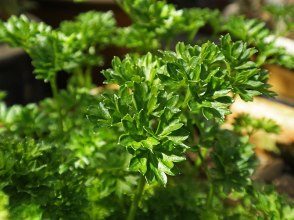
The spotlight is shining on parsley this month. Parsley (Petroselinum crispum) is The Herb Society of America’s Herb of the Month for January and the International Herb Association’s Herb of the Year for 2021. The three most common varieties of parsley are P. crispum or curly-leaf parsley,  P. crispum var. neapolitanum or flat-leaf Italian parsley, and P. crispum var. tuberosum or turnip-root parsley which is grown for its root and is used in soups and stews.

Parsley has an interesting history dating back to Greek and Roman times. To the Greeks, parsley symbolized death and was not used in cooking. However, according to Homer, the Greeks fed parsley to their chariot horses as they thought it gave them strength. The Greeks believed that parsley sprang from the blood of one of their mythical heroes, Archemorus, whose name means “the beginning of bad…

View original post 1,001 more words
Readers Choice: Ringing in the Best of Blog Castanea

As we spin forward into 2021 (are we there yet, mom?!?), it’s exciting to reflect on what you—our friends, fans, and phenomenal plant family—went herb-wild for through the seasons.Did you know we serve up a splendid spread of free herbal content on our blog?In 2020, we decked the halls of Blog Castanea with garlands of new articles, and re-polished our most popular blogs from seasons past. We brought in new contributors and the blog officially became a team sport. Are you curious which topics were herbally admired and adored this year? And which plants people felt positively passionate about? Get caught up with our Best of 2020 Roll Call:
Continue reading “Readers Choice: Ringing in the Best of Blog Castanea”

Christmas Herbs of Trinidad, Part II

The Herb Society of America's avatarThe Herb Society of America Blog

By Amy Forsberg

Trinidad_tobago-esLast week we looked at some of the beverages important to a Trinidad Christmas. Now let’s talk about some of the foods and the special ingredients needed to make them.
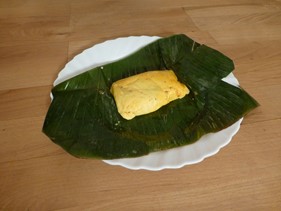
So what is on the menu in Trinidad for Christmas? Here is what Ann told me. “Dinner is ham, of course, pastelles, baked chicken, fried rice, pelau, callaloo, macaroni pie…and everybody makes homemade bread. And, of course, sorrel drink and ponché de crème. And you have to have black cake, of course….Everything is homemade, nobody buys anything.” 

Pastelles are the West Indian version of tamales and reflect the Mexican/Aztec heritage in the Caribbean. Making pastelles can be labor intensive, and according to Ann, many families make the work fun by turning it pastelles on leafinto a party and making large quantities assembly-line style. This is part of what makes them such a Christmas treat. Every island has their own…

View original post 2,124 more words

Christmas Herbs of Trinidad, Part I

The Herb Society of America's avatarThe Herb Society of America Blog

By Amy Forsberg

Trinidad_tobago-esI was visiting my mother just a few weeks before Christmas in 2017. She had recently moved to a wonderful small family-run assisted living home. The owner, Ann Abdul, asked me if I’d like to taste some “sorrel drink” she had made for the holiday season. I had no idea what that was. It looked Christmassy–a brilliant ruby red. I took a sip, and the most delicious taste filled my mouth. It was a rich, complex, and unfamiliar burst of flavors. But it tasted like Christmas, too—it was sweet, and I thought I could detect cinnamon, cloves, and vanilla. But it also tasted a bit like lemonade with a pronounced citrusy tartness. I loved it, and I had to know more! 
Ann and her family are from Trinidad, and over the next two years, I learned so much from her about Trinidad cuisine and culture. The island…

View original post 1,024 more words

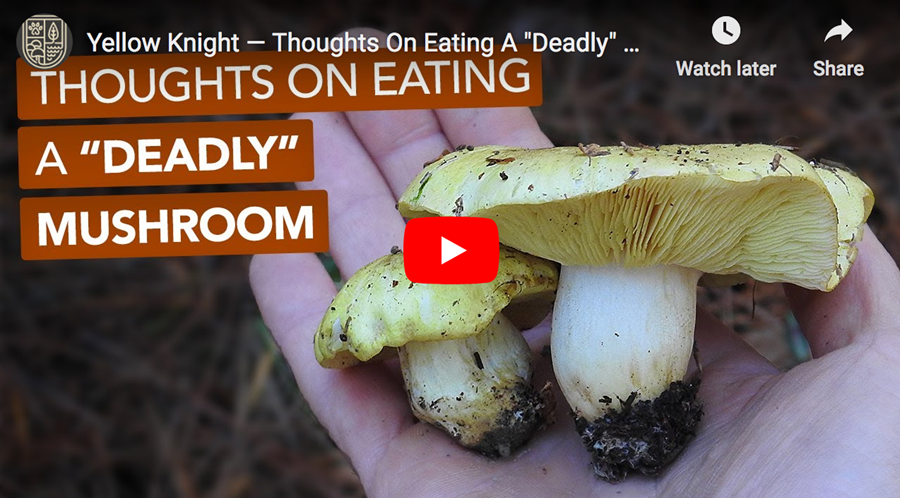
Yellow Knight: Thoughts On Eating A “Deadly” Mushroom

To determine whether a mushroom is edible or not, time is one factor worth considering. 

A mushroom that has been eaten for centuries with few adverse events reported is a mushroom that most people would consider to be edible. 

On the other hand, a mushroom with a centuries-old reputation of being toxic is certainly a mushroom whose edibility should be called into serious question, even in modern times.

But not all mushrooms fit neatly into those two categories.

Take the Yellow Knight, for instance. 

The Yellow Knight is a wild mushroom that had been safely eaten for centuries.  In the 1990s, however, consumption of the Yellow Knight suddenly and unexpectedly became linked to multiple human poisonings.  Some of these poisonings resulted in death.

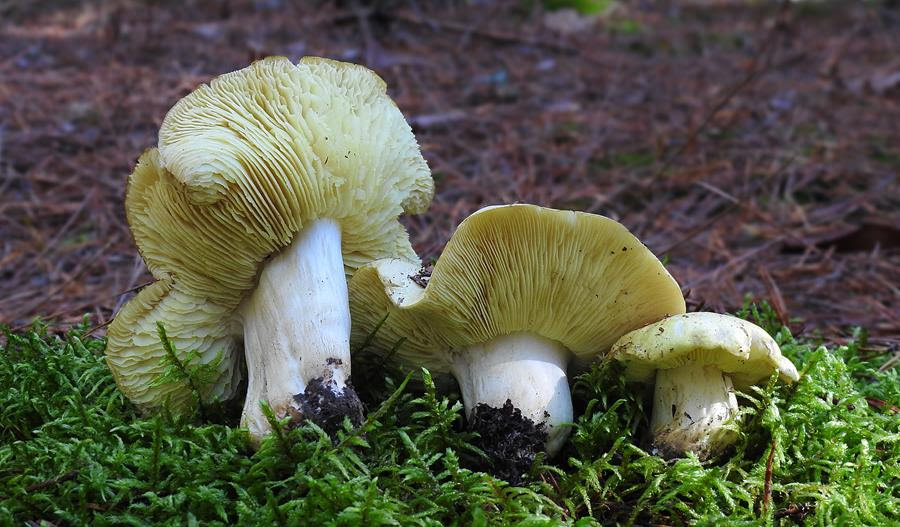
During a recent walk through a pine forest, I encountered the infamous Yellow Knight mushroom.  After careful consideration, I decided to harvest the mushroom and cook it, and in the following video I explain why I would do such a thing.

If you are interested in learning more about a common yet controversial fall mushroom, check out the brand new video!

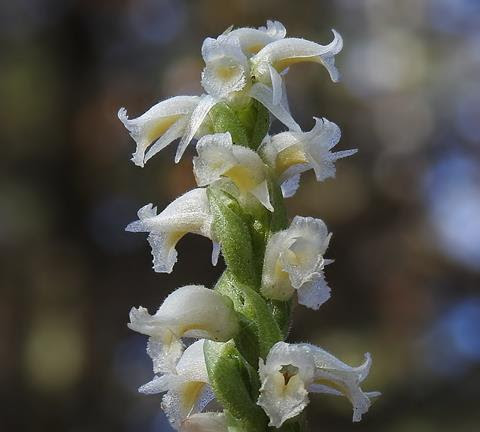
Deeper into the forest full of Yellow Knight mushrooms, this wildflower was blossoming under red pine trees.  Known as Yellow Ladies’ Tresses, this orchid is involved in a tangled web of specialized relationships.  Check out this recent Instagram post to learn more.Click to view post

Thanks for reading and watching, and thanks for your continued support!

-Adam Haritan

Tamarind – Herb of the Month

The Herb Society of America's avatarThe Herb Society of America Blog

By Maryann Readal

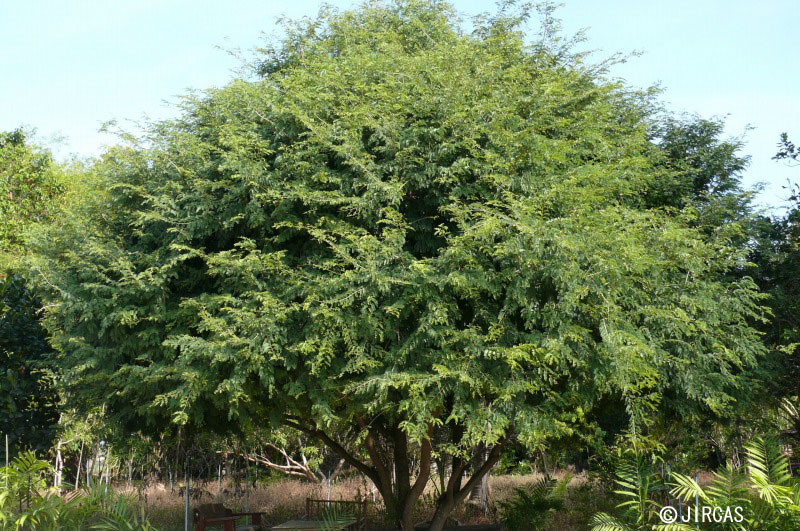
The tamarind tree (Tamarindus indica) is one of many tropical herbal trees. Its leaves, bark, wood, roots, and fruits have many uses. The tamarind tree Tamarindus indicais also an evergreen, long-lived landscape tree, reaching a height of 40 to 60 feet tall and a width of up to 25 feet wide. Its pinnate leaves close up at night. The branches droop to the ground, making it a graceful shade tree. A mature tree can produce up to 350-500 pounds of fruit each year. It is native to tropical Africa and is in the Fabaceae family. 
One of the earliest documented uses of tamarind was found in the Ganges Valley of India, where wood charcoal dating back to 1300 BCE was discovered. Tamarind was mentioned in ancient Indian scriptures as early as 1200 BCE. Arab physicians were reported to be the first to use the fruit pulp…

View original post 1,123 more words

Reflections On Eating One Of The Strangest Mushrooms In The World

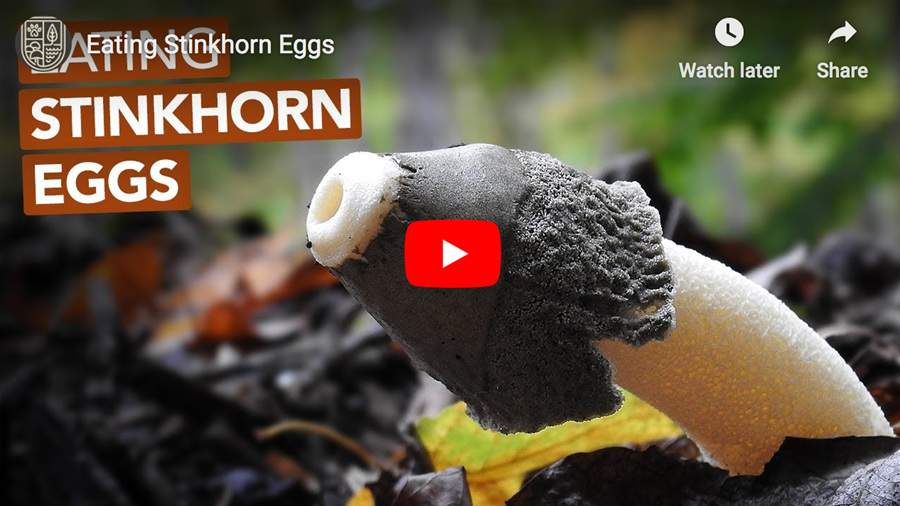
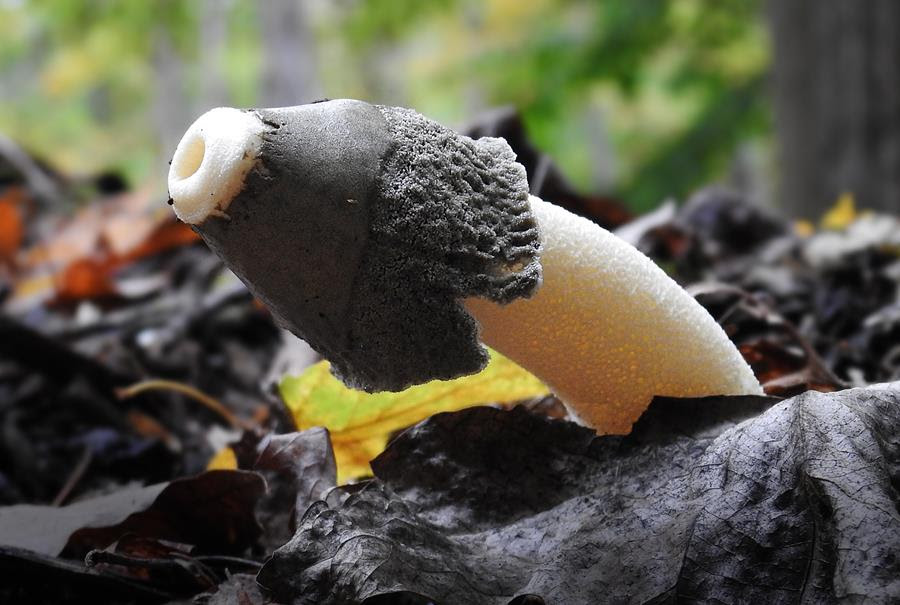
Stinkhorns, with their presumptuous shapes and foul odors, are truly some of the strangest creatures in the biological world.  Any rational person could be forgiven for assuming that such bizarre fungi couldn’t possibly be edible.

Fortunately, however, nature isn’t always rational, and foul-smelling entities with presumptuous shapes can sometimes be eaten.

Take Ravenel’s Stinkhorn, for instance.

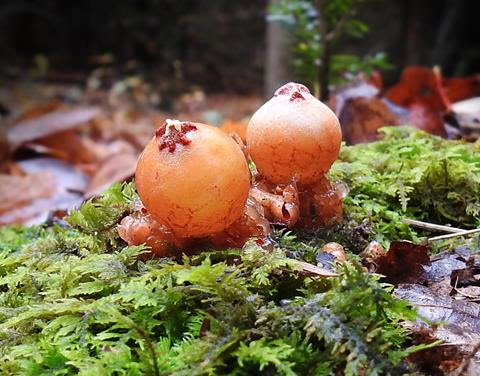
This strongly-scented fungus grows in wood chips and along trails during the autumn months.  As it turns out, Ravenel’s Stinkhorn is considered to be edible with one caveat:  only its immature “eggs” are supposedly fit to be eaten.

During a recent walk, I encountered quite a few of these funny-looking stinkhorns growing alongside their primordial eggs.  Rather than snap a few photographs and flee the scene, I decided to harvest a few eggs and see for myself just how edible these quirky creatures could be.

If you are interested in hearing my candid thoughts on eating one of the strangest mushrooms in the world, check out the brand new video!

Speaking of strange fungi, this odd-looking pair inhabits forests in eastern North America and performs critical roles in maintaining the health of oak trees.  Check out this recent Instagram post to learn more.Click to view post

Thanks for reading and watching, and thanks for your continued support!

-Adam Haritan

Herbal Hacks, Part 1: Food and Drink

The Herb Society of America's avatarThe Herb Society of America Blog

We asked and you delivered! Over the summer we asked folks to share how they used herbs to make their lives easier or more fun. We received many great responses, and want to thank everyone who contributed a little snippet of herbal how-to. We received so many responses, in fact, that we’ve decided to offer them in installments, categorized by topic for easy reference. Please enjoy this week’s selection – herbs in food and drink.

Violet banner_Creative Commons via Pxfuel

I love to use fresh herbs as drink garnishes and in ice cubes. Edible flowers and leaves enhance my beverages, from my morning smoothie to my afternoon glass of wine! – Janice Cox

Dried blue cornflower petals sprinkled over salads – or as a garnish on other foods – for a beautiful blue punch of color! Flowers are harvested each year from my garden at the end of a hot day, dried on white cotton…

View original post 687 more words

Ode to the Oak: Acorn Harvesting, Preparation, Acorn Breads, and More!

Dana's avatarThe Druid's Garden

Honoring the oak

With the cooler temperatures of September and October, the abundance of the Oaks come forth.  In my area, we have abundant oaks of a variety of species: white oak, chestnut oak, eastern red oak, swamp oak, and much more.  Each of these oaks, every 2-3 years, produces an amazing crop of nuts that simply drop at your feet. Acorn was once a staple food crop of many different peoples around the world–and in some places, it still is.  Here in North America, acorns and chestnuts were primary food sources for native American people. Cultures subsided–and thrived–on annual acorn harvests and the bread, cakes, grits, and other foods that can be made with processed acorns.  I really enjoy processing acorns and using them as ritual foods for both the fall equinox and Samhain.

Thus, in this post, we’ll explore the magic of the acorn, how to process acorns…

View original post 3,973 more words

DIY Recipe of the Month: Spiced Pear Liquor • The Organic Alcohol Company

Crooked Bear Creek Organic Herbs's avatarCrooked Bear Creek Organic Herbs

October’s recipe is extra exciting to share, not only because we are showcasing our newly available Craft-Grade Pear Spirits, but because fall flavors like Clove and Cinnamon and ripe Pear happen to be an all-time, cozy-inducing favorite. We now have our Certified Organic Craft-Grade Pear in house, and it was hard to choose what recipe to make with this fragrant, juicy, and delicious spirit.

Our Spiced Pear Liquor is a perfect addition to give you all the Autumn feels. As the evenings get darker a little earlier, you can brighten them up with this seasonal warming spiced liquor. It’s a great addition to your baking recipes or to make delicious cocktails. A favorite libation of mine is adding a dash of this flavorful liquor to a dry apple cider and poured over ice.

You can experiment with different spice blends and quantities to make it perfectly yours. As with all…

View original post 223 more words