
A New Study Supports The Claim That This Mushroom Can Stave Off Dementia

Greetings!

I’m constantly scanning the scientific literature in search of new studies that document the healing potential of mushrooms.  Recently, I encountered a study whose results lend even more support to the use of one particular mushroom for cognitive health.

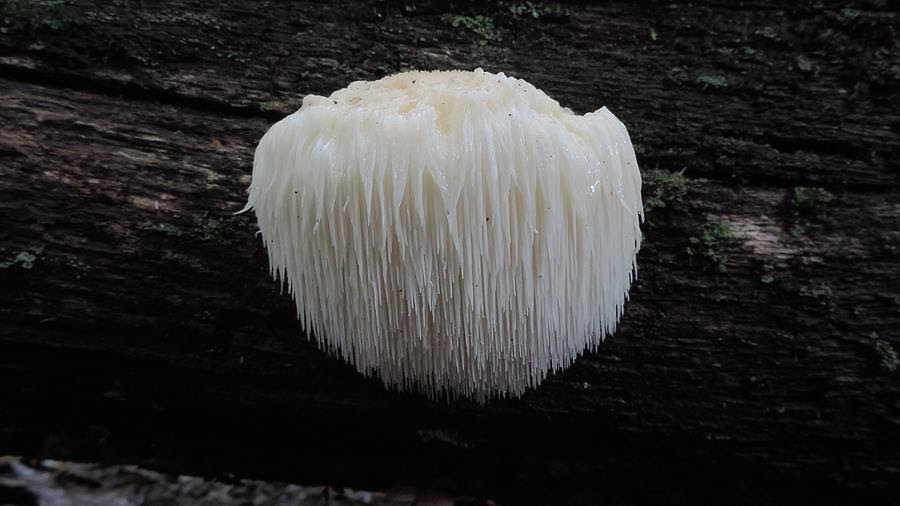
Lion’s Mane (Hericium erinaceus) is an edible mushroom whose fruiting body consists of an unbranched, cushiony mass of icicle-like spines.  This fungus is a common decomposer of hardwood trees and can often be found late summer through early winter in eastern North America.

In addition to its culinary use, Lion’s Mane is valued for its potential therapeutic applications.  More specifically, extracts from this fungus have been shown to offer support for the treatment of cognitive impairment and depression.

A brand new study published in the journal Biomedical Research revealed that ingestion of Lion’s Mane fruiting bodies significantly improved cognitive function in human participants.

This double-blind, randomized, placebo-controlled trial utilized 31 humans over the age of 50.  Participants in the experimental group ingested 4 supplements — each containing 0.8 grams of powdered Lion’s Mane — every day for 12 weeks.

After 12 weeks of ingestion, the participants in the experimental group significantly outperformed those in the control group (participants who received a placebo) on tests that are commonly used in medicine to screen for dementia.

Researchers concluded that compounds within Lion’s Mane known as hericenones potentially have the ability to influence “brain neural networks and improve cognitive functions” (Biomedical Research, 2019).

Even better, Lion’s Mane is currently fruiting in eastern North America and will continue to make appearances throughout the next few months.  In other words, you have the ability to forage your own wild medicine right now.

If you’re interested in learning how to forage Lion’s Mane and dozens of other wild fungi, don’t forget to check out what Foraging Wild Mushrooms has to offer.

This online course is designed to teach you the skills necessary to safely and confidently harvest wild fungi for food, for medicine, for study, and for fun.

Today (Monday) is the last day to enroll, as registration will close at midnight.

To learn more, you can follow this link:  Foraging Wild Mushrooms

In the meantime, consider delving deeper into the fascinating world of Lion’s Mane and its ability to protect the human brain against cognitive decline.  The research seems promising!

Thanks for reading, and as always, thank you for your support!

-Adam Haritan
11 Coffee Alternatives to Help You Kick the Habit

Crooked Bear Creek Organic Herbs's avatarCrooked Bear Creek Organic Herbs

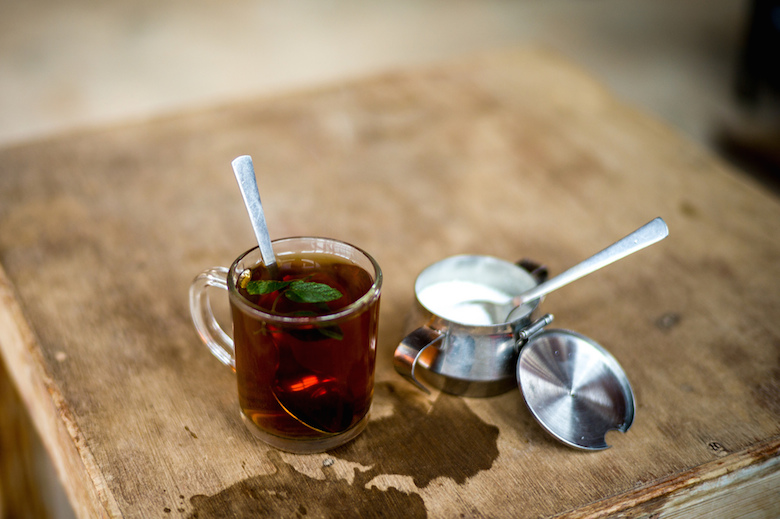
A cup of joe is a key part of many people’s morning routine. Coffee isn’t just aromatic and delicious — it promotes alertness and focus, suppresses appetite, and even aids with digestion.

Coffee acts as a stimulant, which means that it can increase your blood pressure and heart rate; it also gives some people headaches. And while it helps digestion in some people, it can cause stomach pain and indigestion in others, especially people who drink several cups a day.

Maybe your healthcare provider recommended that you reduce your coffee intake or remove it from your diet entirely. Or perhaps you just want to live coffee-free for personal reasons. No matter the reason, we have good news.

Several delicious drinks can ease your transition away from coffee while still providing some or all of the same effects. Many of these coffee substitutes have more natural sugar and no bitter taste, unlike coffee. Here…

View original post 1,852 more words

Food as Medicine: Pear (Pyrus communis and P. pyrifolia, Rosaceae)

Crooked Bear Creek Organic Herbs's avatarCrooked Bear Creek Organic Herbs

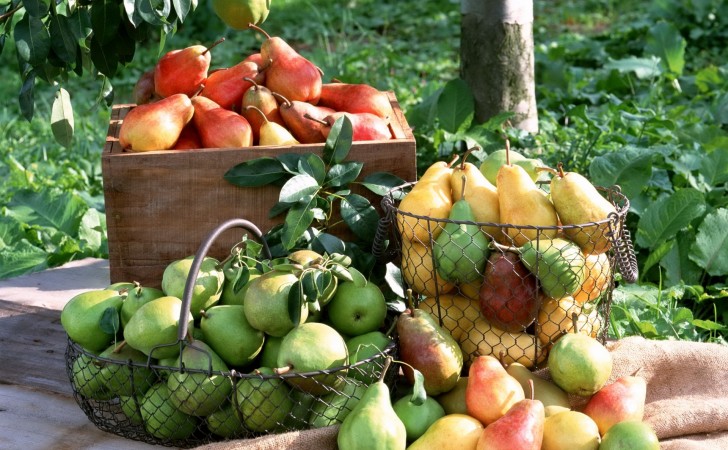
The genus Pyrus consists of 30 deciduous species and is closely related to the genus Malus, which includes apples (Malus spp.). Both genera are part of the economically important Rosaceae family.1,2 Similar to apples, Pyrus fruits are classified as pomes, where the seeds are contained in a central, compartmentalized core.3 The Pyrus genus is native to Europe, Asia, the Middle East, and North Africa.Capable of living for more than 250 years, the pear tree is one of the longest-living fruit trees.1 Cultivated pears are derived from one or two wild pear species widely distributed in Europe and western Asia.2 Of the 5,000 varieties cultivated worldwide, the two species grown commercially are the European pear (P. communis) with its juicy, aromatic, bell-shaped fruit, and the Asian pear (P. pyrifolia) with its crisp and crunchy, apple-like shape and texture.1,2,

The…

View original post 3,242 more words

Liver Cleanse: A Simple Step-by-Step Guide

Crooked Bear Creek Organic Herbs's avatarCrooked Bear Creek Organic Herbs

If you have a sluggish metabolism, are constantly ill, or follow a poor diet, it’s time to discover what a cleanse can do for you. Follow our simple, step-by-step guide to our 6-day liver cleanse.

The liver is the human body’s largest internal organ and one of the most important for survival. Without it, bodily tissues would die from lack of nutrients and oxygen and the digestive process would not be able to take place. One of the liver’s most important functions is the removal of toxins from your system. This function is why cleansing your liver and living a healthy lifestyle is so crucial. Performing a liver cleanse can help remove toxic buildup for overall health and wellness. Before doing a liver cleanse, it is important to understand what the liver is and all of the necessary functions it performs.

The Liver’s Location & Design

Inside your body, the liver sits…

View original post 2,601 more words

The Liver Cleansing Juice You’ll Crave!

Crooked Bear Creek Organic Herbs's avatarCrooked Bear Creek Organic Herbs

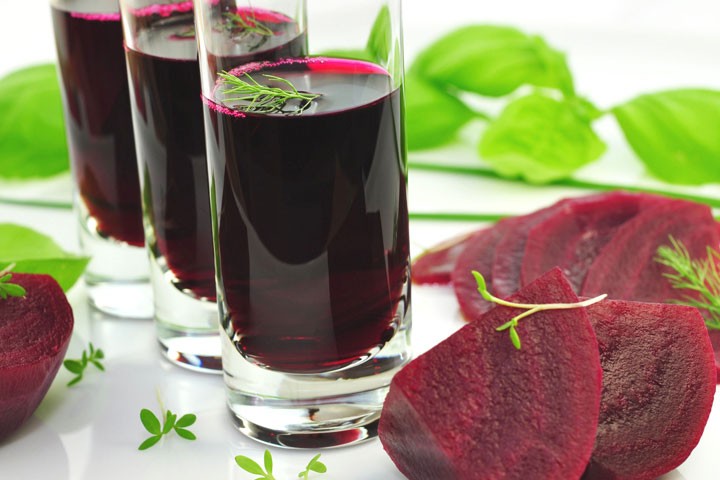
Beets, kale, ginger, lemon, and carrots are some of the best liver cleansing foods. Juice them together and you have a delicious and easy way to cleanse your liver. This juice will kick-start your day!

Beet Juice Recipe with Liver Cleansing Foods

Your liver is your main detoxifying organ, and it can get bogged down from time to time depending on your diet, activity level, and environment. When an overload of toxins becomes too much for your liver to handle, toxic compounds can store within tissues and decrease your quality of health. Cleansing your liver with a liver detox can be helpful for revving up the function of your body’s natural detox mechanisms.

Juice Your Way to Health

If you’re cleansing your liver, you need to provide your body with nutrition that is easy to digest. You don’t want your body to spend its energy digesting food, but you definitely need to keep…

View original post 386 more words

Food as Medicine: Pistachio (Pistacia vera, Anacardiaceae)

Crooked Bear Creek Organic Herbs's avatarCrooked Bear Creek Organic Herbs

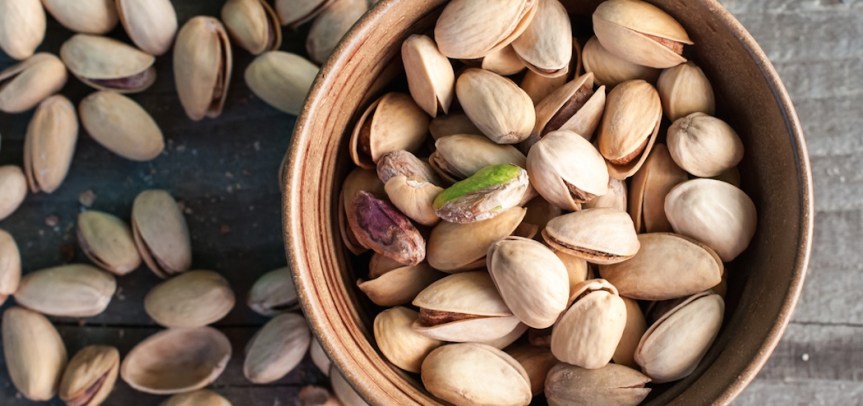
The pistachio (Pistacia vera) is the only commercially grown species in its genus, which belongs to the Anacardiaceae family. Members of the genus Pistacia are among the oldest flowering nut trees and are small to medium in size, and characterized by their ability to exude mastic (plant resin).1,2 Other economically important plants in Anacardiaceae include cashew (Anacardium occidentale) and mango (Mangifera indica).

Pistachio trees are temperate, deciduous trees adapted to the dry, hot, drought-prone climates of the Middle East.1,2,3 The pistachio tree can grow to a height of 10 meters (about 33 feet) and has pinnately compound leaves containing three to seven leaflets.3,4 The trees are dioecious; both male and female pistachio trees produce their own flowers.4 Female trees are wind-pollinated and produce green and brown flowers with no petals during the early summer.1,5 Female pistachio trees produce clusters of nuts…

View original post 3,075 more words

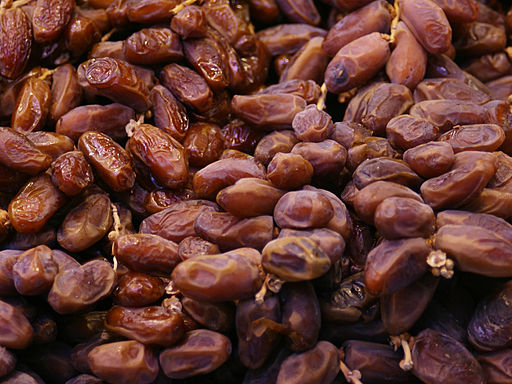
Food as Medicine: Date (Phoenix dactylifera, Arecaceae)

Crooked Bear Creek Organic Herbs's avatarCrooked Bear Creek Organic Herbs

The date palm (Phoenix dactylifera, Arecaceae) has been cultivated for more than 5,000 years.1 Because of this long history of use and cultivation, the exact origin of the date palm is difficult to pinpoint. Dates have been harvested for centuries in northern Africa and the Arabian Peninsula, and have played a large role in the economies of countries where the plant grows.1,2 The largest global producers of dates are Iraq, Egypt, Saudi Arabia, Tunisia, Algeria, the United Arab Emirates, Oman, Libya, Pakistan, Sudan, and the United States.3

The date palm is a large palm tree and grows about 49-82 feet tall.1 The palm leaves are 1.5 to 11.5 inches long.1 Around the trunk of the date tree, the palm branches grow in a spiral pattern and form a crown with hundreds of leaves that are gray in color.2,4 The leaves have a…

View original post 2,299 more words

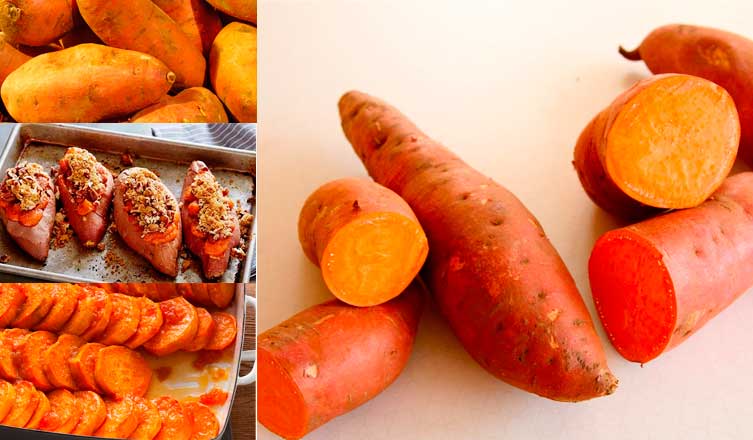
Food as Medicine Update: Sweet Potato (Ipomoea batatas, Convolvulaceae)

Crooked Bear Creek Organic Herbs's avatarCrooked Bear Creek Organic Herbs

The sweet potato (Ipomoea batatas, Convolvulaceae) is a trailing, herbaceous perennial in the morning glory family.1,2 It is indigenous to Central and South America and grows best in subtropical climates, spreading along the ground and producing oblong, tuberous roots. There are more than 400 sweet potato varieties, and most have yellow-brown or copper-colored skins with bright orange or yellow-red flesh.3 Orange-fleshed sweet potatoes (OFSPs) are the most common varieties consumed, but white, cream, yellow, pink, and deep purple varieties also exist. The sweet potato plant has alternate, heart-shaped leaves and produces funnel-shaped white, pink, or rose-violet flowers that appear in clusters in the leaf axils as the plant matures.4

Taxonomic confusion can arise over the common name “yam” that often is given to sweet potatoes in the market. Botanically speaking, true yams belong to the genus Dioscorea (Dioscoreaceae) and are much less common in the United…

View original post 2,927 more words

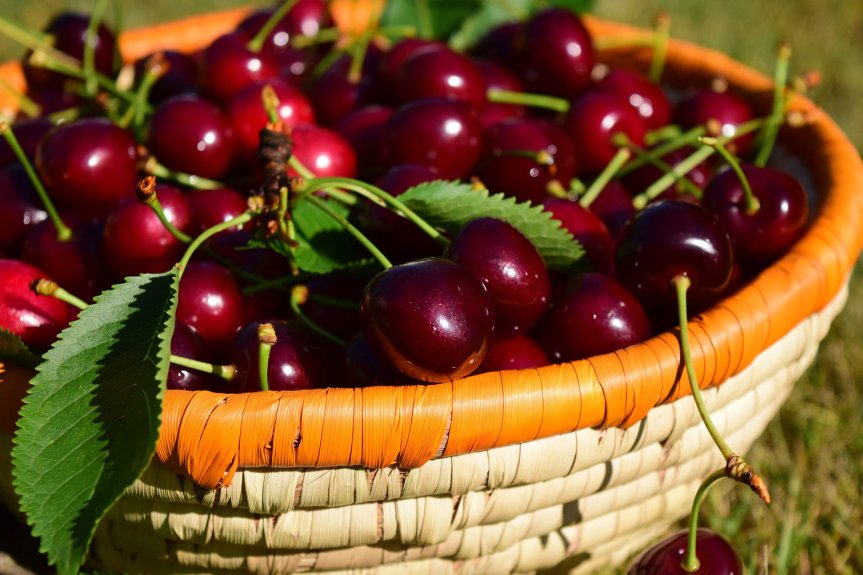
Food as Medicine: Cherry (Prunus avium and P. cerasus, Rosaceae)

Crooked Bear Creek Organic Herbs's avatarCrooked Bear Creek Organic Herbs

Take advantage of the fleeting cherry season to explore the fruit’s sweet side, sour side, and beneficial side. Due to their anti-inflammatory properties, cherry fruit and cherry bark have been used to treat and support a wide variety of chronic inflammatory conditions. In addition, the fruit’s rich phenolic compound content has been studied for their potential benefits for sleep disorders, exercise recovery, and cognitive function.

Known for both their ornamental beauty and sweet and tart fruits, cherry (Prunus spp.) trees are among the 3,400 species that belong to the economically important rose (Rosaceae) family. This botanical family also includes other fruit-bearing trees such as apples (Malus spp.) and pears (Pyrus spp.), as well as herbaceous perennials like strawberries (Fragaria spp.) and brambles like blackberries (Rubus spp.) and raspberries (Rubus spp.).1

Cherry fruits are produced by various trees…

View original post 3,878 more words

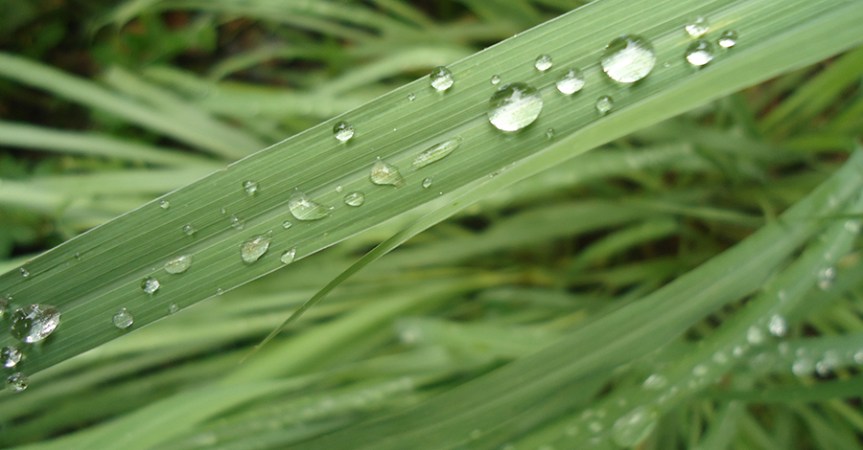
Food as Medicine: West Indian Lemongrass (Cymbopogon citratus, Poaceae)

Crooked Bear Creek Organic Herbs's avatarCrooked Bear Creek Organic Herbs

West Indian lemongrass (Cymbopogon citratus, Poaceae) is an aromatic tropical perennial with long, slender, light green leaves that grow in groups with bulbous and fibrous stems at the base of the plant.1-3The grass can grow from two to six feet tall, and its leaves are approximately one inch wide with slightly toothed, saw-like margins.2 West Indian lemongrass likely originated from India, Malaysia, or Sri Lanka.1,2,4,5 It is now cultivated in tropical and subtropical countries.4 The largest exporter of lemongrass leaves and stalks is Guatemala,5 while India is the largest producer of lemongrass essential oil, 80% of which is exported annually.6Lemongrass grows well in warm and humid areas with plenty of sunshine and moisture.4 The leaves and fleshy part of the stem are used for flavoring teas and broths in many Asian cuisines, and its essential oil is used in…

View original post 2,696 more words