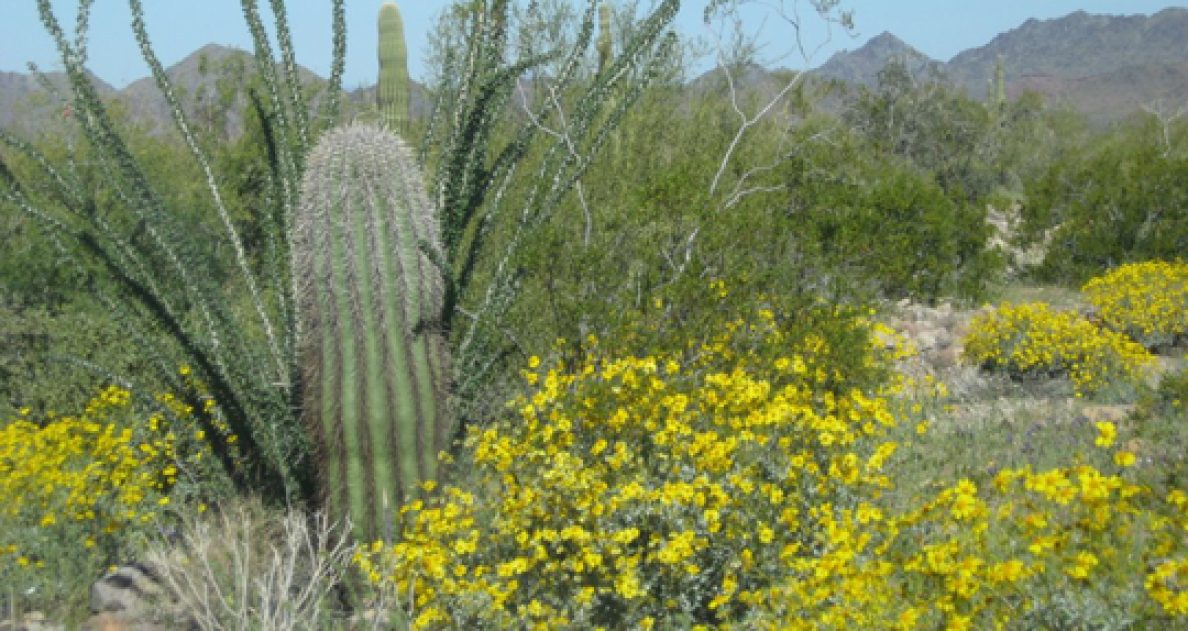

by Pat Crocker
 The fresh or dried rhizome of ginger (Zingiber officinale) has been used “as a condiment and aromatic stimulant from ancient times”. And from as early as the 15th century, ginger was exported from Zanzibar—a possible origin of the Latin, Zingiber—for use by healers, monks, and herbalists in tisanes, syrups, tinctures, and other carminative simples.
In England, from around the middle of the 18th century, ginger was fermented with sugar, water, and a starter culture to make an alcoholic beverage that quenched thirst and quelled stomachs at the same time. That drink was called ginger beer and it has survived—with and without alcohol—right up to the present time.
Almost a century later (1890 to be precise), an enterprising Canadian chemist, John McLaughlin, began bottling his own soda water. Never one to coast, McLaughlin’s experiments with natural flavorings and recipes led him to his greatest accomplishment…
View original post 871 more words
 Chocolate: food or medicine? For centuries, chocolate was consumed primarily as medicine. Cacao, from which chocolate is derived, was the basis for prescriptions promising relief from such ailments as anemia, alopecia, fever, gout, heart disease, kidney and liver disease, along with tuberculosis. Prescriptions from the 16th and 17th centuries would combine cacao with cinnamon, sugar, pepper, cloves, vanilla, and/or anise to ease common complaints. Certainly modern day amoxicillin could benefit from such a delicious concoction.
 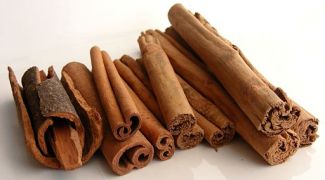 The two most common cinnamon species are “true” or Ceylon cinnamon (
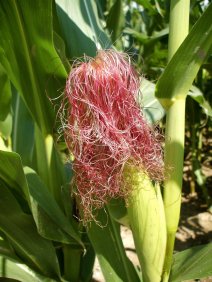 One of the great pleasures of summer is fresh corn on the cob, and one of my least favorite things is the silk that often interferes with that pleasure. But these silky strands can be dried and used as a tea. Corn silk was used…
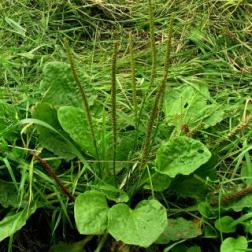 Weeds tell wonderful stories, and as we learn them, they take us on a journey to discover where they came from and how they came to be who they are today.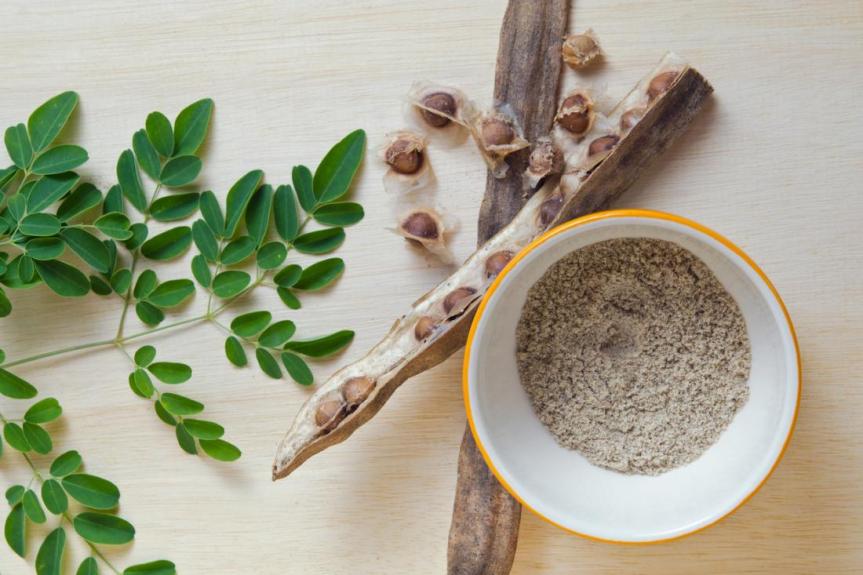

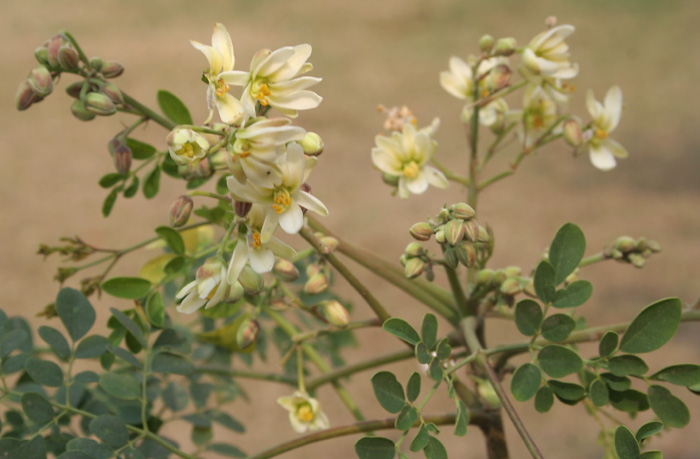 are endemic to Africa, and three species occur in India.1,2 Belonging to the Brassicales order, this plant family is distantly related to cruciferous vegetables like arugula (Eruca vesicaria ssp. sativa, Brassicaceae) and broccoli (Brassica oleracea var. italica, Brassicaceae) and contains many of the same nutrients and sulfurous phytochemicals.1,3 Moringa species grow as stout-stemmed trees or shrubs. Some species are known as bottle trees and have a large root system that enhances water storage and aids the trees’ survival during periods of drought.1 Members of the Moringa genus have corky gray bark and distinct bi- or tri-pinnately compound leaves that have conspicuous swellings, or pulvini, at…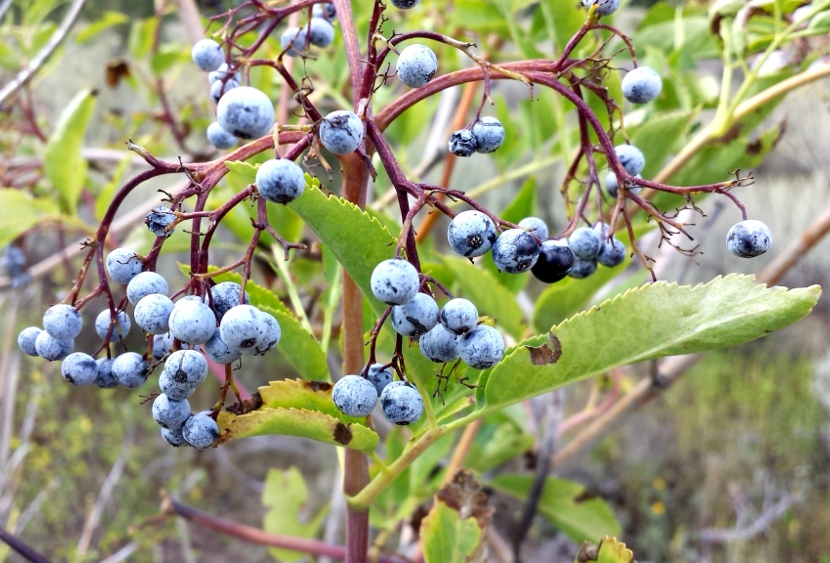

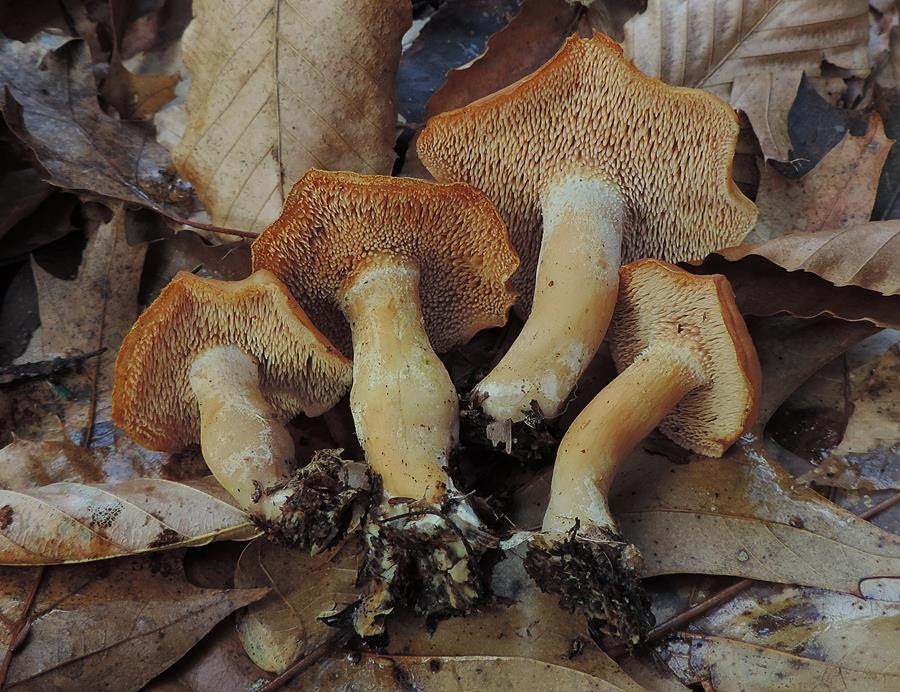

 Paths I Walk
You must be logged in to post a comment.