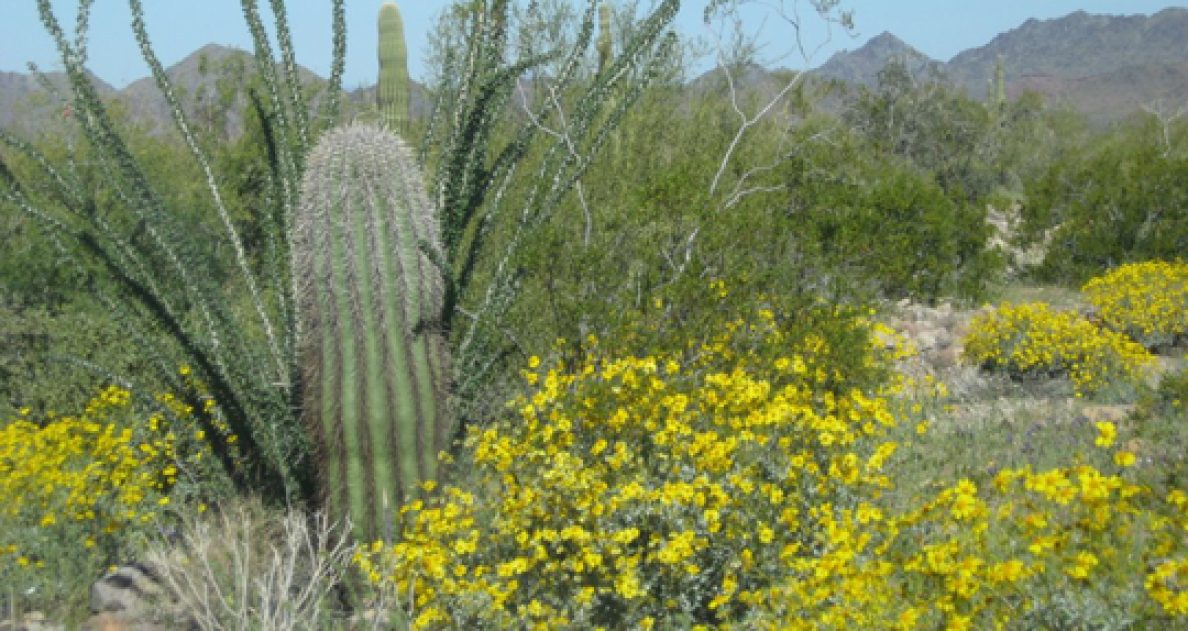
Tag: folklore
That Funny Little Spring Weed: Lamb’s Quarter
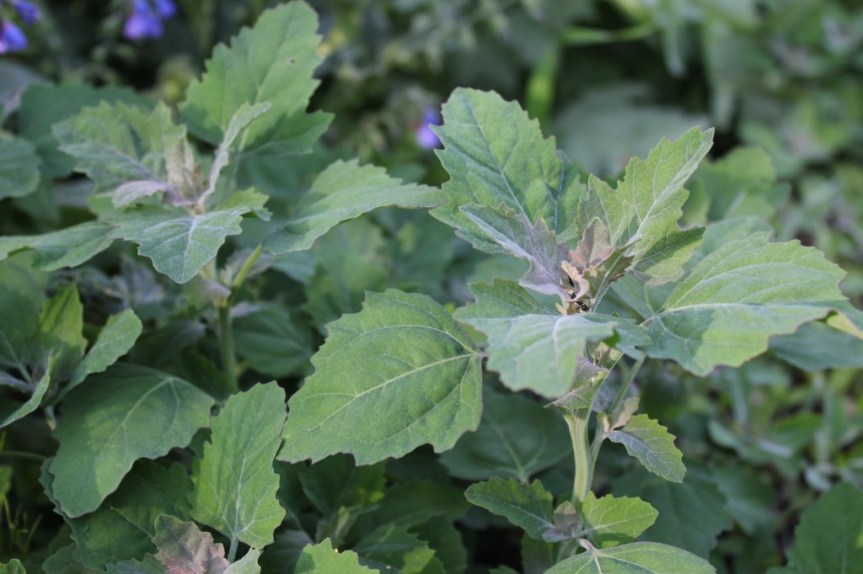

Lambs quarter is one of the most common weeds in gardens, backyards, and fallow fields, following human habitation closely. If you add horse or cow manure to your garden you will have a steady supply of these tasty wild greens for most of spring and summer. Easy to recognize with its alternate, triangle-to-diamond shaped leaves which are coated on the underside with a whitish grey powdery meal resembling flour. This coating may sometimes possess a coppery-fuchsia sheen and is sold as a cultivar called “magenta spreen” in some garden catalogs. The coating is a natural part of the leaf and is fine to eat. Put a leaf under water and the meal will cause the water to bead up in a beautiful iridescent fashion. Lamb’s quarter grows to 3-5 feet and is a branching annual with a grooved stem which is often tinged with red, especially at the node, or…
View original post 805 more words
Symbolism of Violet: February Birth Flower
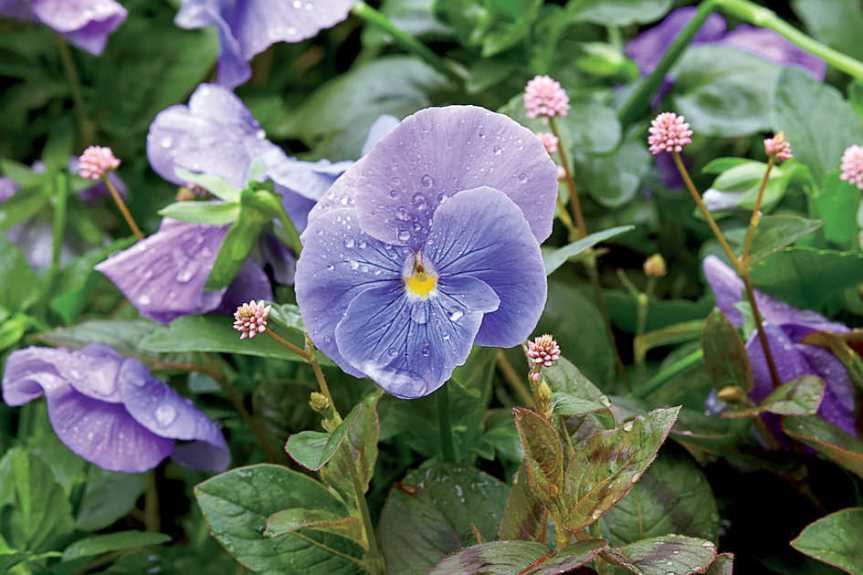
The violet has a charming and long history of mythology. Greek myth states that Zeus fell in love with Io. Zeus was afraid that Hera, his wife, would discover him and Io, so he made Io into a white heifer. Zeus created the sweet-scented flower that we know as the violet for Io to eat while she was a heifer. Hera placed an insect pest on Io as the white heifer, so she roamed all over the land trying to free herself from the pest. Zeus finally caught the heifer and put his hand on her, and she turned back into Io. She gave birth to their child, who founded many nations.
Another Greek myth states that Persephone, a young lady, was walking in a field of violets when Hades saw her and fell in love with her. Hades took her to his kingdom of death and the world became…
View original post 857 more words
Primrose: The Flower of February
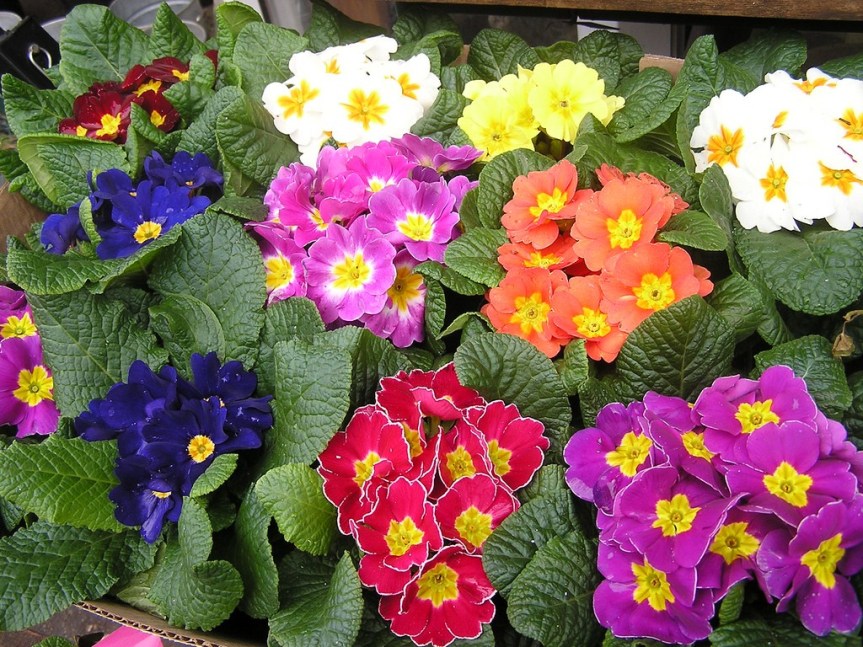
COMMON NAME: primrose
GENUS: Primula
SPECIES, HYBRIDS, CULTIVARS:
P. denticulata-lavender, purple, or white flowers; grows to 12 inches. P. japonica ‘Millar Crimson’-flowers whorled around 24-inch stem; blooms May-June. P. polyanthus-best known; colors are red, pink, blue, gold, and white, all with small yellow eyes.
FAMILY: Primulaceae
BLOOMS: spring
TYPE: perennial
DESCRIPTION: Primroses form an attractive rosette of crinkly, light green leaves. The flowers are generally brightly colored and occur in tight bundles on individual stems above the leaves.
CULTIVATION: Needing partial shade, primroses thrive in well-drained, rich soil. They are indigenous to cool, moist meadows and woodland environments Duplicating these conditions as closely as possible will create the best growing conditions for primroses. The soil should not be allowed to dry completely. To retain vigorously blooming plants, divide clumps every four to five years. Seeds should be sown in midsummer for bloom the following spring.
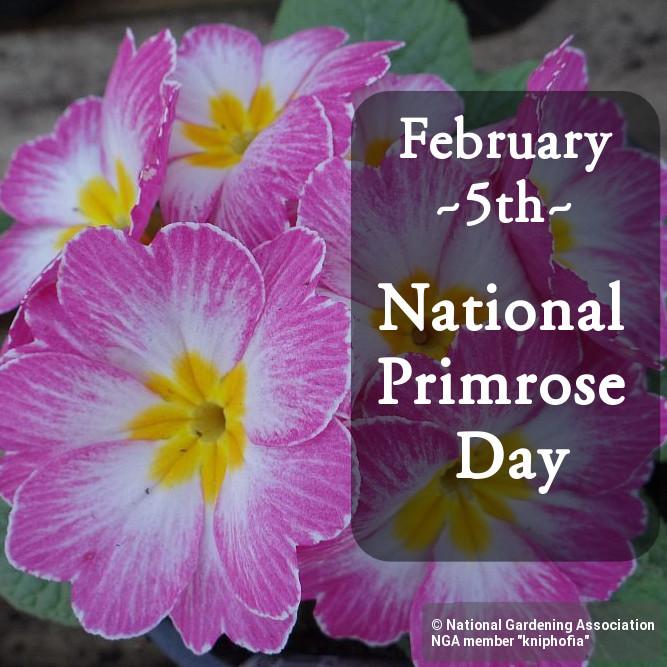
Primrose is beloved…
View original post 706 more words
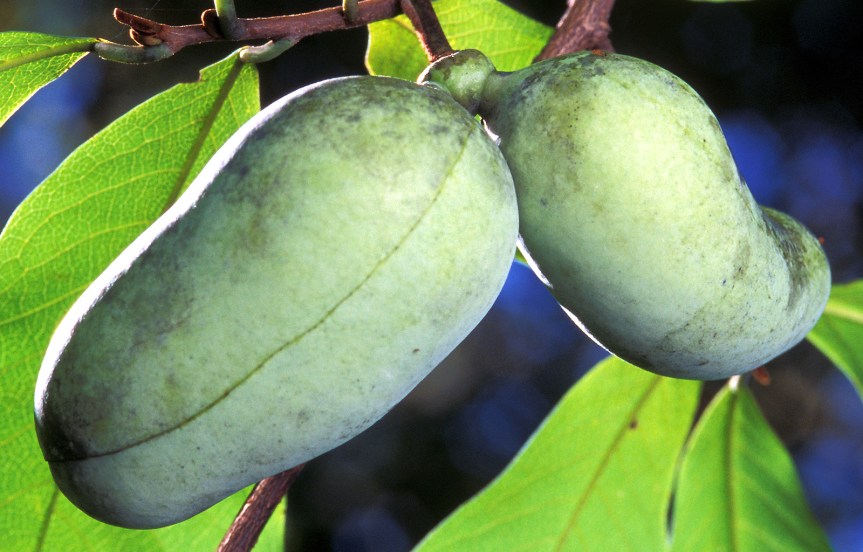
Ozark Encyclopedia – P – Pawpaw
Verbena Lore
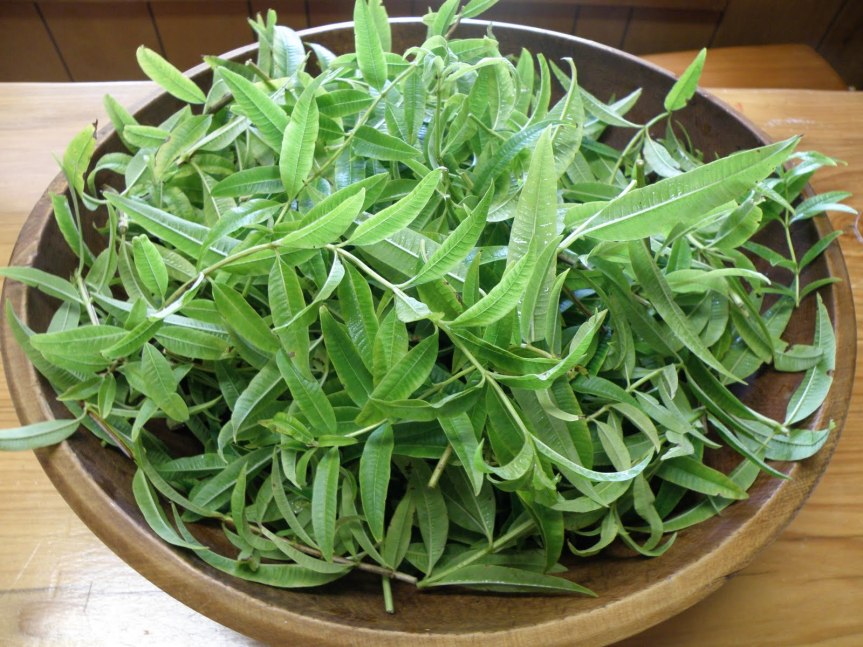
COMMON NAME: verbena
GENUS:Verbena
SPECIES, HYBRID, CULTIVARS:
V. bipinnatifida-light purple perennial: 3 inches tall. V. rigida-purplish blue perennial; 1 foot tall. V. rigida-‘Flame’-red flowers from June through frost. V. canadensis-rose pink flowers from June through frost. V. venosa-purplish blue flowers; to 1 foot. V. hybrida-‘Amethyst’-lavender blue; annual. V.b.-‘Blaze’-scarlet; annual. V.b.-‘Sangria’-wine colored; heat tolerant; annual; spreads 1 to 1 1/2 feet.
FAMILY:Verbenaceae
BLOOMS: summer
TYPE: annual and perennial
DESCRIPTION: Low-growing verbena blooms profusely and adds great color to the summer perennial bed. Different species vary in height from 3 to 12 inches and in a spread from 12 to 24 inches. Flowers are small and borne on short stalks; the foliage is bright green and continuously attractive. Verbenas come in white and bright shades of red, pink, blue, and purple.
CULTIVATION: Full sun and well-drained soil are necessary conditions for growing…
View original post 612 more words


 Paths I Walk
You must be logged in to post a comment.