Tag: folklore
Bird Folklore of Healing and Death
Native American Herbs of the Northeast
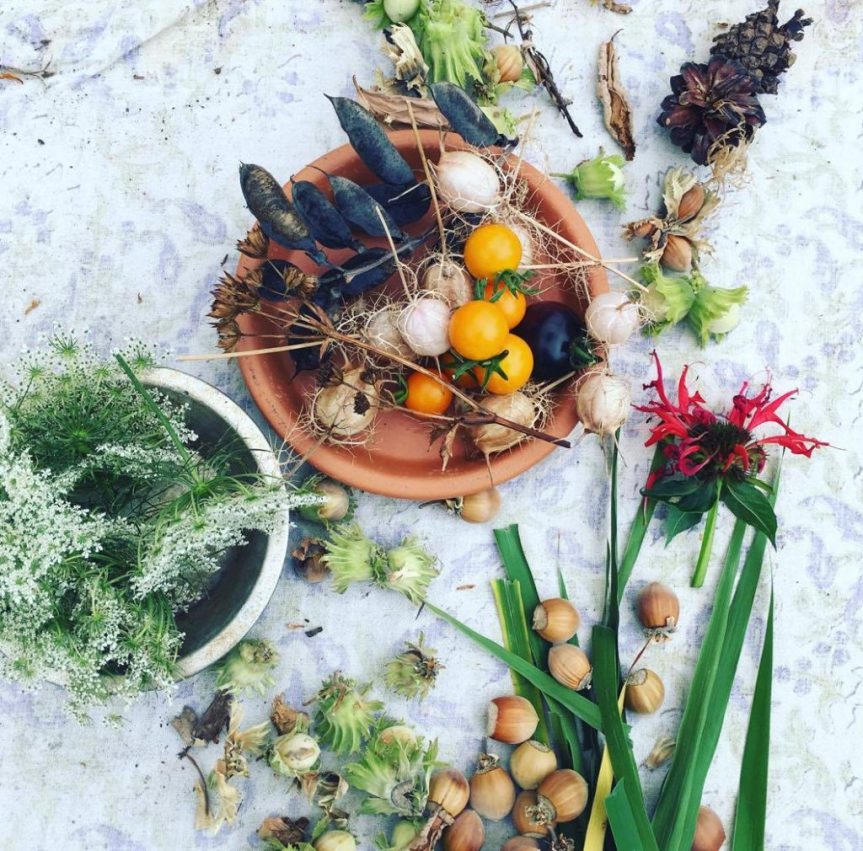

A look to the past reveals some of the most important plants used by Eastern woodland tribes – and an inestimable connection to nature.
My adventure into the historical uses of many Native American plants began when Maine native Kerry Hardy, author of Notes on a Lost Flute: A Field Guide to the Wabanaki, presented a program for Western Maine’s Greater Lovell Land Trust, billed as “Native American Plant Medicine” last summer. So many plants and so many uses! I was intrigued to find out more about these plants and explore the wealth of medicinal knowledge from Eastern Woodlands tribes like the Mohawk, Wyandot {Huron}, and Iroquois. From Hardy’s work, as well as from the research of author Charlotte Erichsen-Brown, I enjoyed a glimpse into how these tribes looked to nature for healing – and how early pioneers benefited from their knowledge.
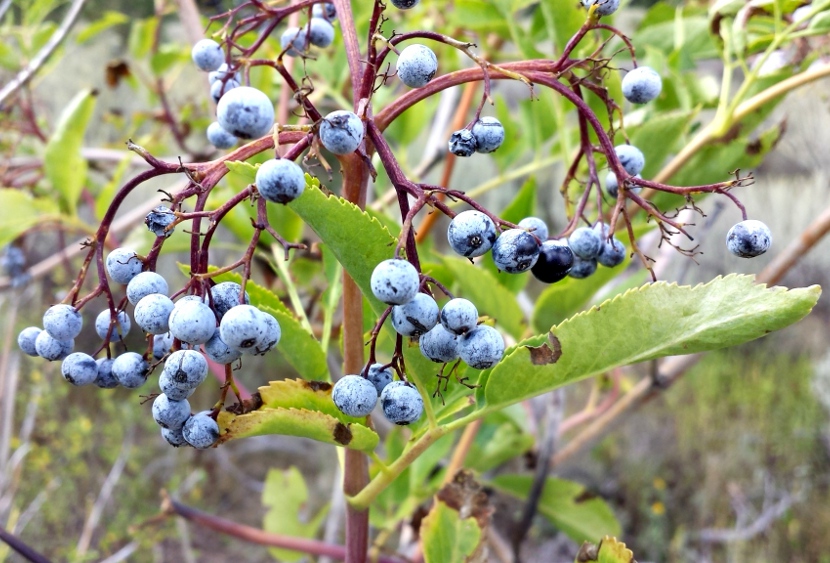
The Essential Elderberry
Hardy’s book focuses on…
View original post 2,088 more words
A Druid’s Guide to Connecting With Nature, Part III: Nature Engagement

 Leading you in deeper!
I’ve heard a lot of conversation in the nature spirituality community, including the druid community, about not touching nature, leaving it alone, to simply “be”. I remember one influential druid speaking at an event and saying, “The best thing you can do in nature is pick up the garbage and get out.” From a certain standpoint, this perspective makes a lot of sense. It is the same perspective held by many conservationists trying to preserve pristine lands or lands that have been replanted and are healing; the best thing that can be done is figure out how to keep people from mucking them up, pick up garbage, and leave them undisturbed. Because people have a tendency to come in, move things about, pick things, disrupt ecosystems, and generally cause havoc. Or worse, much, much worse. Further, in a world where most humans can’t identify even five…
View original post 2,628 more words
Regional traditional folk symbolism of Lublin, Poland
Elder Mountain’s Folk Smudge – Autumn 2018
Elder Mountain’s Folk Smudge …
The Enchanter’s Daughter
The Enchanter’s Daughter …
Spellbinding Sweet Woodruff Cake: Prosperity Magic — gather

In my tiny wildish garden, nestling at the foot of a tall tree, is sweet woodruff. Her glossy leaves and small white blossoms may be hidden by a profusion of taller plants, but it is her scent that perfumes the air. Fresh, her fragrance (like rain, earth, fresh air and green grass all condensed into…
via Spellbinding Sweet Woodruff Cake: Prosperity Magic — gather
Mexican Mint Marigold
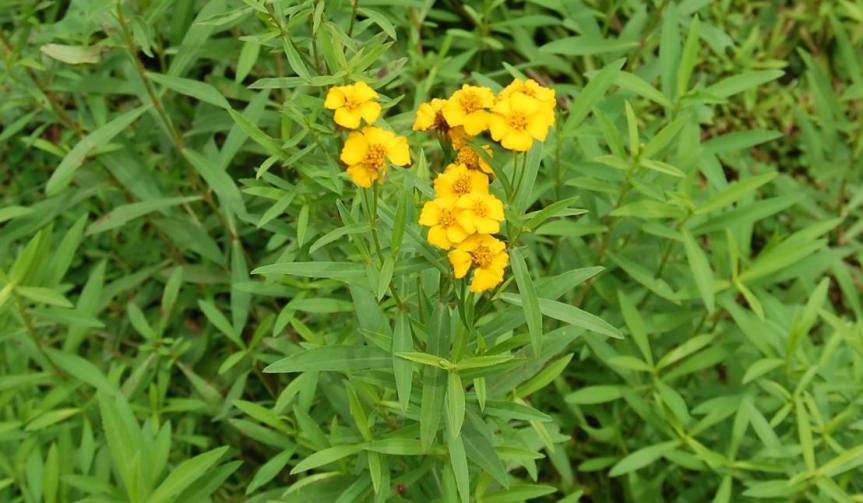
By Crooked Bear Creek Organic Herbs
This very ancient herb goes by a variety of common, but somewhat confusing names. ‘Mexican mint’ marigold is the most common, but you’ll also find it listed as ‘Texas’ tarragon, ‘Mexican’ tarragon, cloud plant, Coronilla, winter tarragon, sweet mace, sweet marigold and ‘Spanish’ tarragon. It isn’t, however, related to ‘French’ tarragon (Artemisia dracunculus ‘Sativa’) at all.
Don’t confuse ‘French’ tarragon, which is used for cooking, with false or ‘Russian’ tarragon, A. dracunculoides, because it is somewhat invasive, grows well in hotter climates, and is grown from seed.
The Latin name, Tagetes Lucida, refers to its other Tagetes relatives, the marigolds. ‘Mint’ marigold is a perennial, native to Central and South America and has been used as a seasoning herb, tea plant and medicinal in native cultures for more than a thousand years.
The flavor is anise-like, a bit sweeter than ‘French’ tarragon, but used in some of…
View original post 609 more words
 Paths I Walk
You must be logged in to post a comment.