

In 1959, a botanist named Ronald McGregor began a two-year search for a wildflower known as Tennessee purple coneflower.
He knew that Tennessee purple coneflower was rare, but he didn’t know how rare the plant actually was.
Despite his best efforts, Ronald McGregor didn’t find a single specimen. In 1968, he stated that Tennessee purple coneflower was possibly extinct.
Today, things are very different. Tennessee purple coneflower is far from extinct. Anyone who knows where to look can find hundreds of plants. The species is so abundant in some locations that it’s nearly impossible to miss.
What happened in the years between 1968 and 2023? How did Tennessee purple coneflower come back from the dead?
In a brand new video (filmed on location in Tennessee!), I share the remarkable story of this fascinating plant.
You can watch the brand new video here.


Speaking of fascinating plants, prairie smoke (Geum triflorum) is a beautiful wildflower whose distribution in North America is a bit quirky. How so? Check out this recent Instagram post to learn more.
Thanks for reading and watching, and thanks for your continued support!
— Adam Haritan

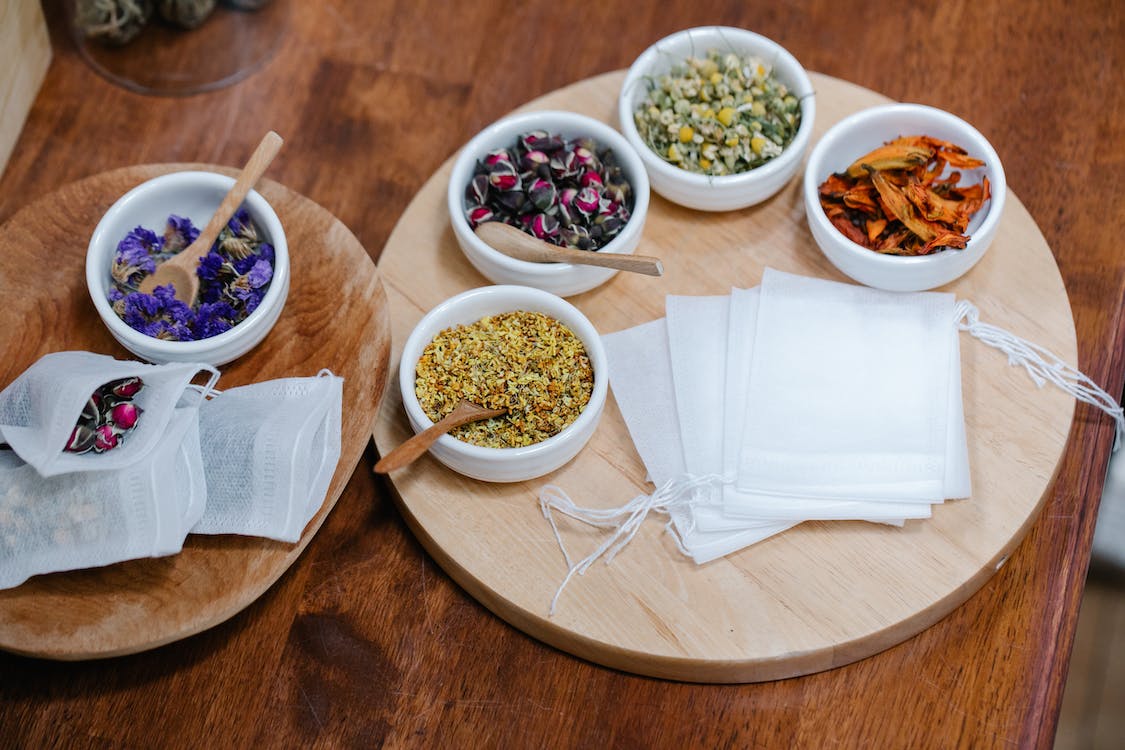 Most of the teas that we drink these days are blended at some point. Even teas that seem simple such, as ginger or English Breakfast. The reasons for blending teas are varied but the most important one is this: blended teas taste good. My favorite reason is that when blending teas, the possibilities are endless!
 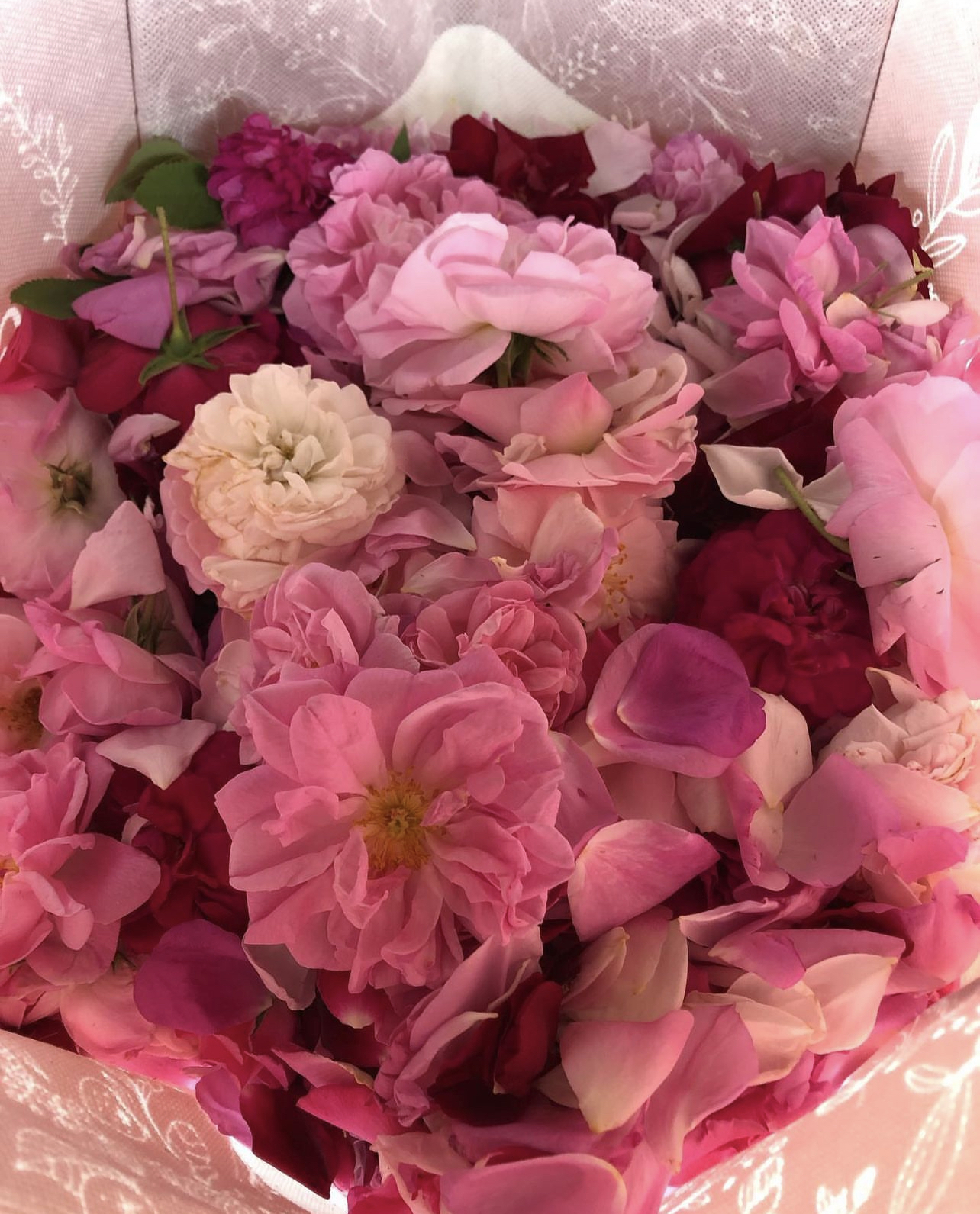 From as early as I can remember, I have been completely smitten by the beauty and versatility of roses. As I have mentioned before, my father was a passionate gardener who loved heirloom roses. Being a trained biologist, he knew the value of gardening organically, and he promoted the benefits of mycorrhizal fungi in the late 70s to strengthen the roots of his garden plants. Instead of using fungicides and pesticides, he planted fragrant herbs among the roses, knowing that many common rose pests would be deterred by the essential oils that they released. He would always tell me, “Remember Beth Ann, feed the roots first and forget about the flowers, because if you feed the roots, the flowers will always be healthy and beautiful.” This is a piece of advice I have followed to this day with real success.
 Like many artists for centuries before…


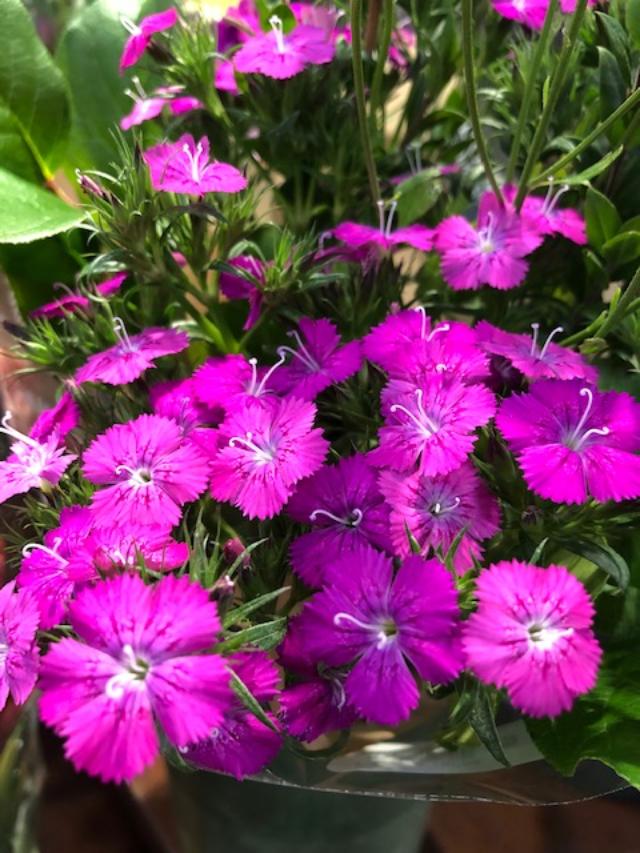 Dianthus is The Herb Society’s Herb of the Month for April. The timing is perfect as the weather is beginning to be spring-like, and these plants are now available in our garden shops. The Greek botanist, Theophrastus (371-287 BCE), is credited with giving these flowers their name. He combined the Greek word for dios, “divine,” with anthos, “flower” and came up with dianthus.Dianthus have been cultivated and bred for over 2,000 years, and many different colors and flower types have been developed along the way. With successive breeding, however, many of the cultivars have lost their native clove-like scent.
  The lazy days of summer quickly transition to the more scheduled and hurried days of autumn. While glorious hues are found in changing leaf color and late season blooms like goldenrod and Joe-Pye weed, the pace of our world undeniably quickens during this season. Add the additional stress and worry about the Covid-19 pandemic and the message is clear–take time to personally cultivate peace and manage stress.


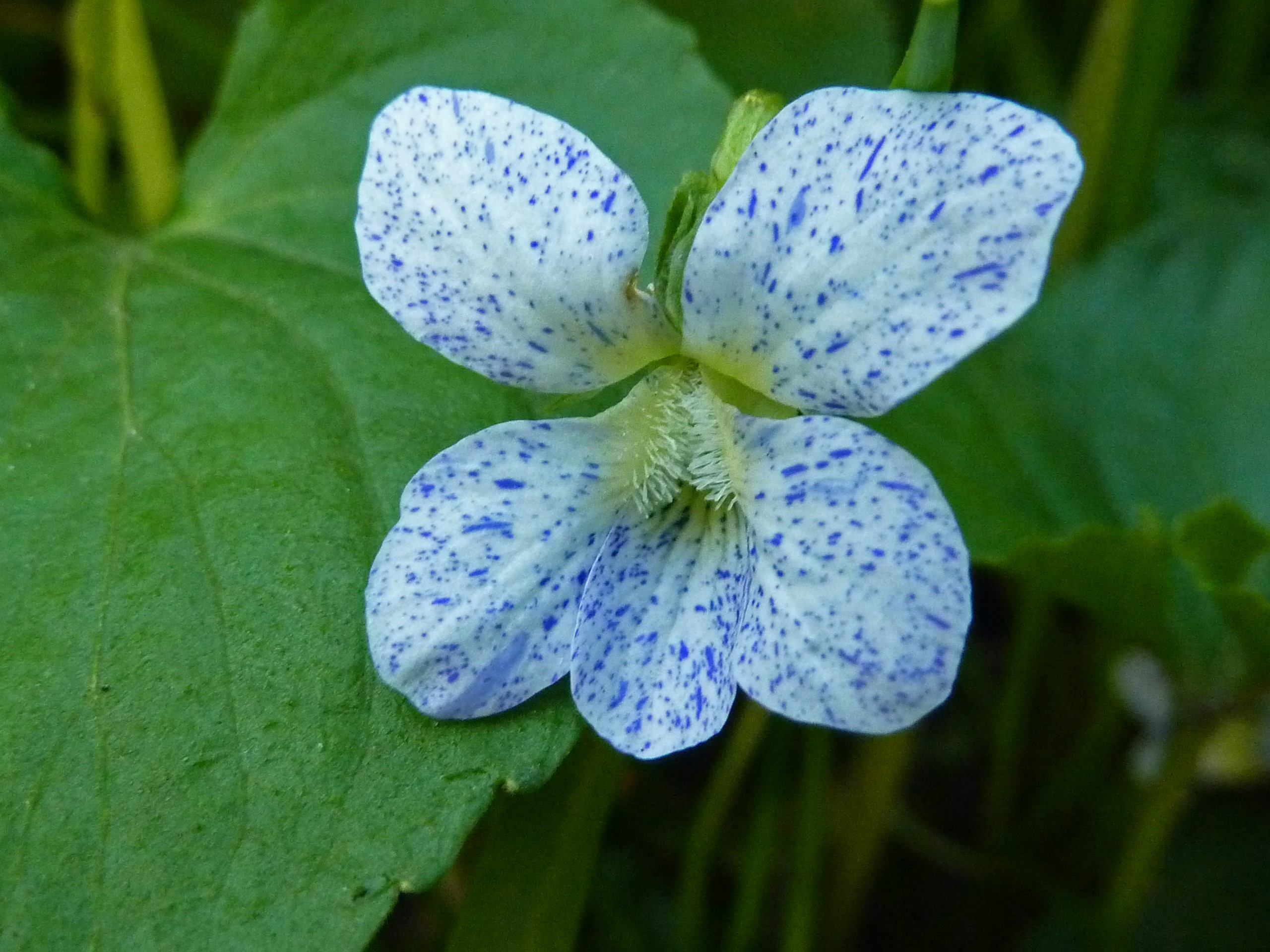 A common harbinger of spring is the showy dandelion with its bright yellow flower that pops against newly greening lawns. With dandelion sightings, so the debate begins between those who want the perfectly manicured lawn and environmentalists who see dandelions as an early food source for pollinators and beneficials. The dazzling dandelion outshines another harbinger of spring, and that is the less-assuming violet.
  Little do many of us realize that v
 Paths I Walk
You must be logged in to post a comment.