

 Honoring the oak
With the cooler temperatures of September and October, the abundance of the Oaks come forth. In my area, we have abundant oaks of a variety of species: white oak, chestnut oak, eastern red oak, swamp oak, and much more. Each of these oaks, every 2-3 years, produces an amazing crop of nuts that simply drop at your feet. Acorn was once a staple food crop of many different peoples around the world–and in some places, it still is. Here in North America, acorns and chestnuts were primary food sources for native American people. Cultures subsided–and thrived–on annual acorn harvests and the bread, cakes, grits, and other foods that can be made with processed acorns. I really enjoy processing acorns and using them as ritual foods for both the fall equinox and Samhain.
Thus, in this post, we’ll explore the magic of the acorn, how to process acorns…
View original post 3,973 more words

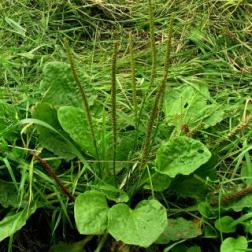 Weeds tell wonderful stories, and as we learn them, they take us on a journey to discover where they came from and how they came to be who they are today.
 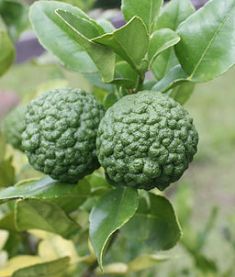 The Herb Society of America’s Herb of the Month for August is the makrut lime,


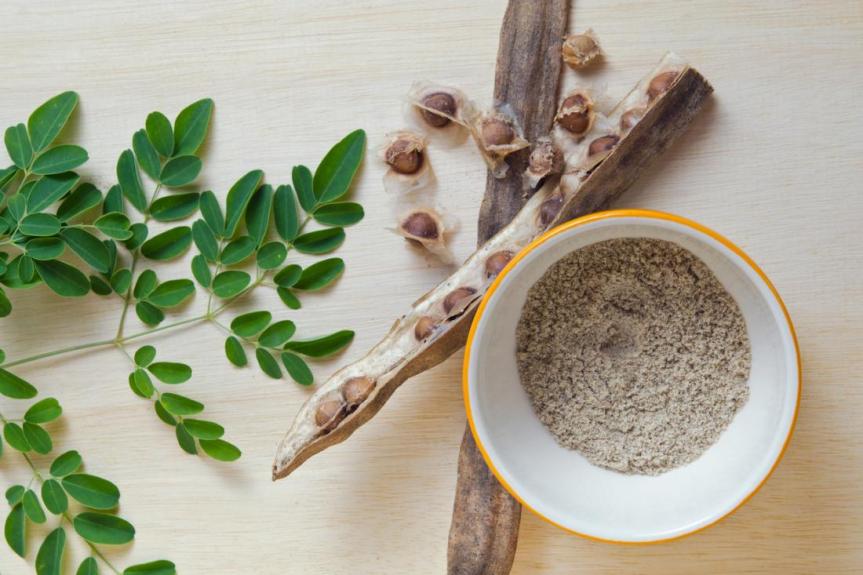
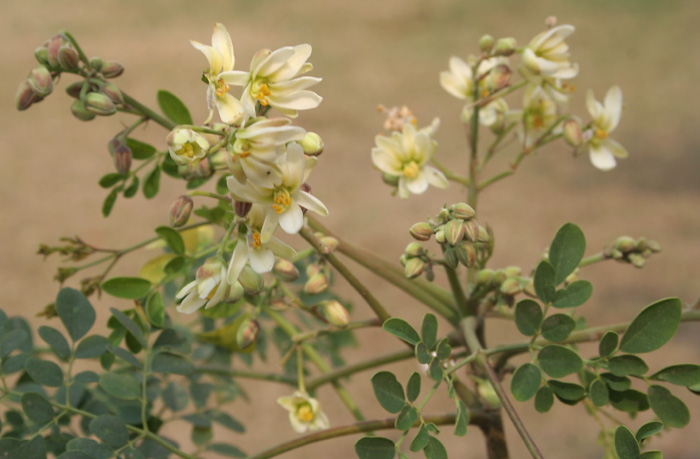 are endemic to Africa, and three species occur in India.1,2 Belonging to the Brassicales order, this plant family is distantly related to cruciferous vegetables like arugula (Eruca vesicaria ssp. sativa, Brassicaceae) and broccoli (Brassica oleracea var. italica, Brassicaceae) and contains many of the same nutrients and sulfurous phytochemicals.1,3 Moringa species grow as stout-stemmed trees or shrubs. Some species are known as bottle trees and have a large root system that enhances water storage and aids the trees’ survival during periods of drought.1 Members of the Moringa genus have corky gray bark and distinct bi- or tri-pinnately compound leaves that have conspicuous swellings, or pulvini, at…
 Pepppercorn drupes. Photo credit: Missouri Botantical Garden


You must be logged in to post a comment.