
By Maryann Readal
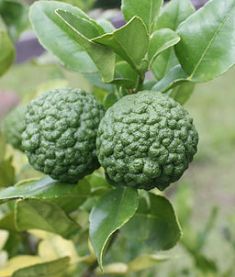 The Herb Society of America’s Herb of the Month for August is the makrut lime, Citrus hystrix, a member of the Rutaceae family. This lime is also known as kaffir lime or Thai lime, and also wild lime. You may have spotted it in a produce market or Asian supermarket and wondered what makes it different from an ordinary lime. It certainly looks different, in that it has a gnarly, bumpy skin. The very aromatic leaves are different, too, because they look as though they are two leaves attached to each other. The juice is sour and bitter, and so is not usually used in cooking because it can overwhelm other flavors.
This lime has been widely grown in Asia for so long that it has become naturalized in many countries. Therefore, no one is certain of its origin. It is a staple ingredient in Thai…
View original post 629 more words


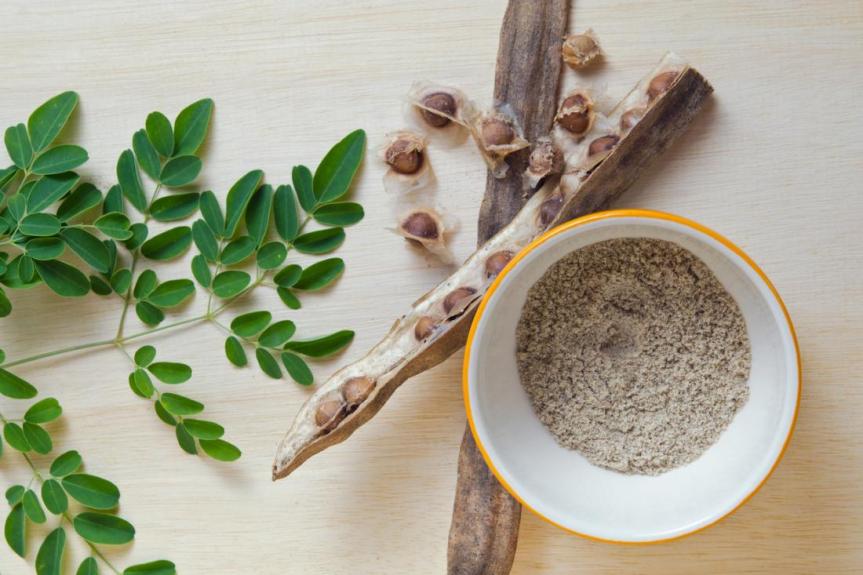
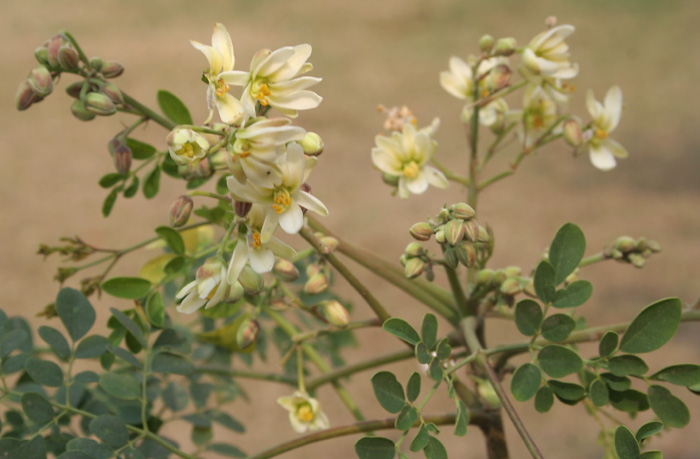 are endemic to Africa, and three species occur in India.1,2 Belonging to the Brassicales order, this plant family is distantly related to cruciferous vegetables like arugula (Eruca vesicaria ssp. sativa, Brassicaceae) and broccoli (Brassica oleracea var. italica, Brassicaceae) and contains many of the same nutrients and sulfurous phytochemicals.1,3 Moringa species grow as stout-stemmed trees or shrubs. Some species are known as bottle trees and have a large root system that enhances water storage and aids the trees’ survival during periods of drought.1 Members of the Moringa genus have corky gray bark and distinct bi- or tri-pinnately compound leaves that have conspicuous swellings, or pulvini, at…
 Pepppercorn drupes. Photo credit: Missouri Botantical Garden


 Paths I Walk
You must be logged in to post a comment.