Sticky Toffee Acorn Bundt Cake: Nutty, Sweet & Nutritious — Gather Victoria

This moist, dense and gooey Sticky Toffee Acorn Cake was made from acorns harvested from my neighbourhood. And despite the nearly full day it took to create (from harvesting, shelling, leaching, roasting and grinding – to the actual baking) it was well worth the effort! It took first prize in a most wonderful old-fashioned community harvest…

via Sticky Toffee Acorn Bundt Cake: Nutty, Sweet & Nutritious — Gather Victoria

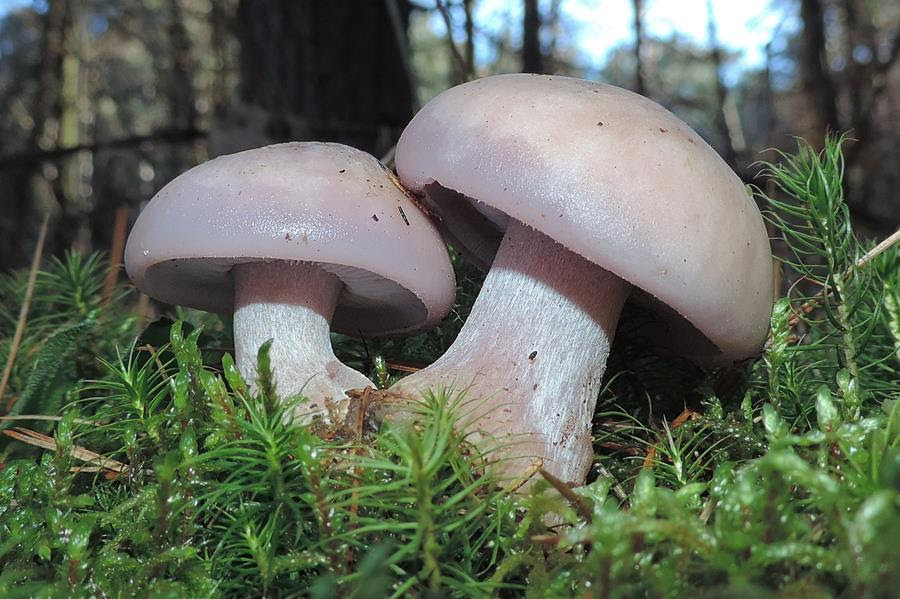
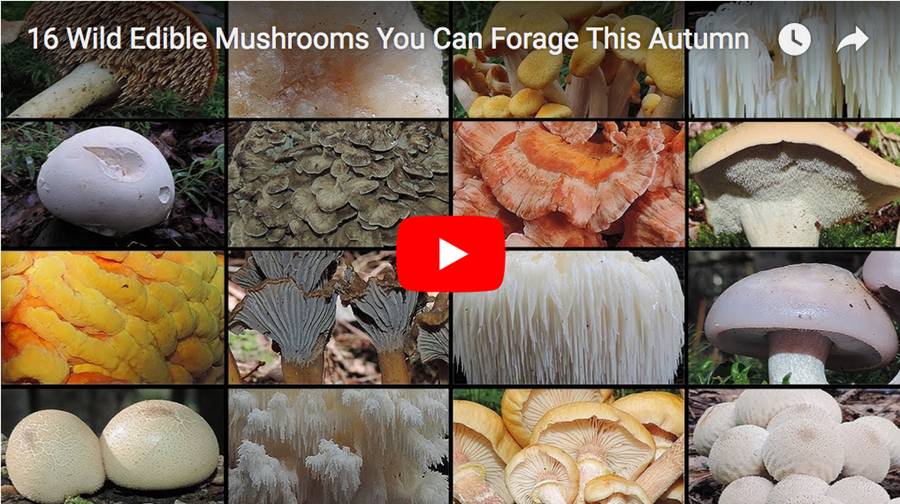
Here Are 16 Wild Mushrooms You Can Forage This Autumn

Greetings!

I’d like to say “thank you!” to everyone who registered for (and inquired about!) the upcoming Fall Flora & Fungi Outing on Saturday, October 14th at Cook Forest State Park.  The event filled to max capacity and registration is now closed.

If you’re interested in learning how to harvest and process acorns from start to finish, I’ll be demonstrating the steps involved for the Botanical Society of Western Pennsylvania on Monday, October 8th.  The topic is “Acorn History, Harvesting, & Preparation:  An Intimate Look At Pennsylvania’s Oak Trees,” and the meeting is free to the public.  If you’re interested in attending this event in Pittsburgh, click here for more information!

Next, let’s talk about edible mushrooms… specifically, the ones that can be harvested during the autumn season.

There are lots of them.  Perhaps more than you’d ever encounter during any other season.  Cool temperatures and ample rainfall provide the perfect conditions for fungal growth, and if you’re prepared for the bounty, you’ll never leave the woods empty handed.

In this brand new video, I cover 16 (yes… 16!) wild edible mushrooms you can forage right now.

Enjoy!

Okay… I forgot to include one mushroom.  This species makes the list at #17, and if you’re interested in learning more about an aromatic mushroom that loves hanging out in coniferous forests, check out this recent Instagram post!

Thanks for reading and watching, and as always, thank you for your support!

-Adam Haritan

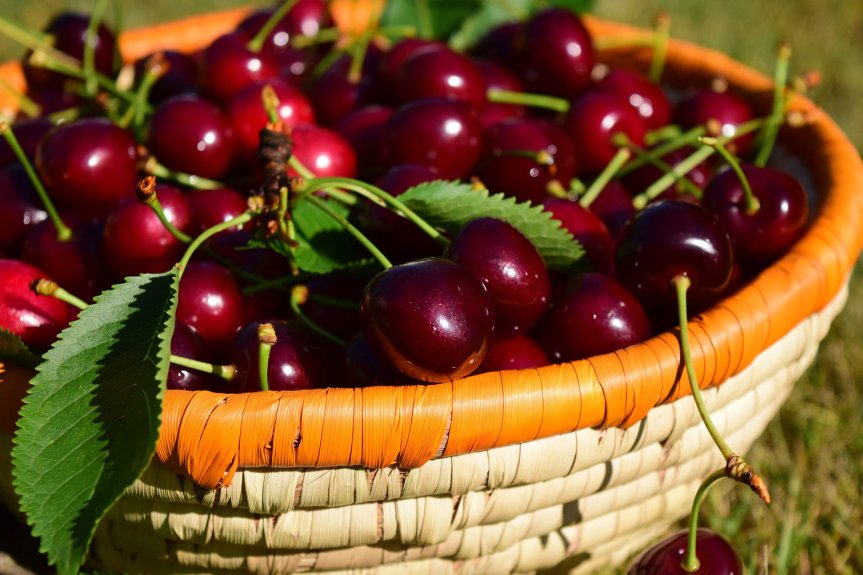
Food as Medicine: Cherry (Prunus avium and P. cerasus, Rosaceae)

Crooked Bear Creek Organic Herbs's avatarCrooked Bear Creek Organic Herbs

Take advantage of the fleeting cherry season to explore the fruit’s sweet side, sour side, and beneficial side. Due to their anti-inflammatory properties, cherry fruit and cherry bark have been used to treat and support a wide variety of chronic inflammatory conditions. In addition, the fruit’s rich phenolic compound content has been studied for their potential benefits for sleep disorders, exercise recovery, and cognitive function.

Known for both their ornamental beauty and sweet and tart fruits, cherry (Prunus spp.) trees are among the 3,400 species that belong to the economically important rose (Rosaceae) family. This botanical family also includes other fruit-bearing trees such as apples (Malus spp.) and pears (Pyrus spp.), as well as herbaceous perennials like strawberries (Fragaria spp.) and brambles like blackberries (Rubus spp.) and raspberries (Rubus spp.).1

Cherry fruits are produced by various trees…

View original post 3,878 more words

Crabapple & Rosemary Hand Pies: Ancestral Offerings for Mabon — Gather Victoria

A couple of years ago, completely hidden in dark thicket of trees, I discovered a beautiful gnarled Crabapple – gleaming with clusters of hundreds & hundreds of rosy, autumn fruits. I was thrilled! I love crisp truly tart apples (which are getting harder to find) so the Crabapple fits the bill perfectly. Crabapples are the…

via Crabapple & Rosemary Hand Pies: Ancestral Offerings for Mabon — Gather Victoria

September Herb of the Month; Annatto

Crooked Bear Creek Organic Herbs's avatarCrooked Bear Creek Organic Herbs

Annatto, Bixa Orellana

• An orange-red dye or colorant, flavoring for food and healing agent derived from the seeds of
the achiote tree, an evergreen native to tropic and subtropic zones of the Americas
• Spiny red fruits contain the seeds and the reddish pericarp that surround the seed contains
the annatto or color
• Foods colored with the annatto pigment range from yellow to deep orange and include
chorizo sausage, cheese (like cheddar and American), smoked fish, popcorn, oil, butter,
margarine, rice as well as processed products like snacks and breakfast cereals
• Historically used to create a face or body paint by rainforest tribes and natives of the
Caribbean; Applying the paint lips dubbed achiote tree the lipstick tree; annatto paint was
also used as a sunscreen, bug repellent, food, and medicine
• Aztecs enhanced the color of hot chocolate with annatto
• Commonly used in Mexican cooking…

View original post 608 more words

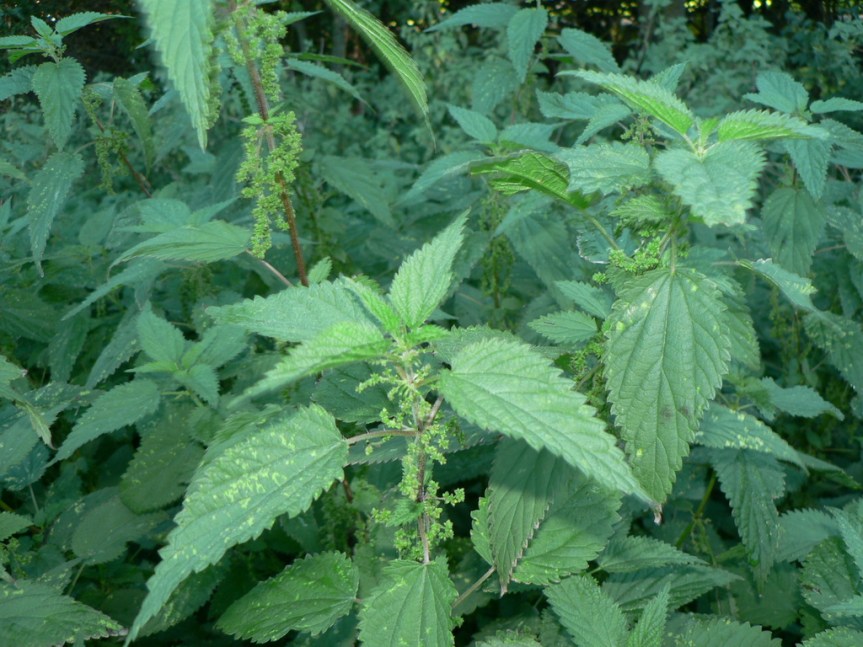
Food as Medicine: Stinging Nettle (Urtica dioica, Urticaceae)

Crooked Bear Creek Organic Herbs's avatarCrooked Bear Creek Organic Herbs

Urtica dioica (Urticaceae) is commonly known as nettle, common nettle, or stinging nettle. The species is an herbaceous perennial with a spreading growth habit. Growing 4-6 feet tall, stinging nettle produces numerous erect and wiry stems that hold up its opposite, roughly textured, serrated leaves.1-4 It produces small, inconspicuous greenish-brownish flowers that emerge as axillary inflorescences.The stems and undersides of leaves are covered with hairs called trichomes. When touched, these stinging trichomes inject a chemical cocktail that typically causes localized skin irritation as well as a painful, tingling sting from which the species has derived its most common name, stinging nettle.1,5

The Urticaceae family contains about 500 known species, distributed mainly in tropical areas.1 The genus Urtica, whose name comes from the Latin uro (to burn) and urere (to sting), consists of both annual and perennial herbaceous plants known for the burning properties of the…

View original post 3,981 more words

Our Pantry Profile: Rosemary

Crooked Bear Creek Organic Herbs's avatarCrooked Bear Creek Organic Herbs

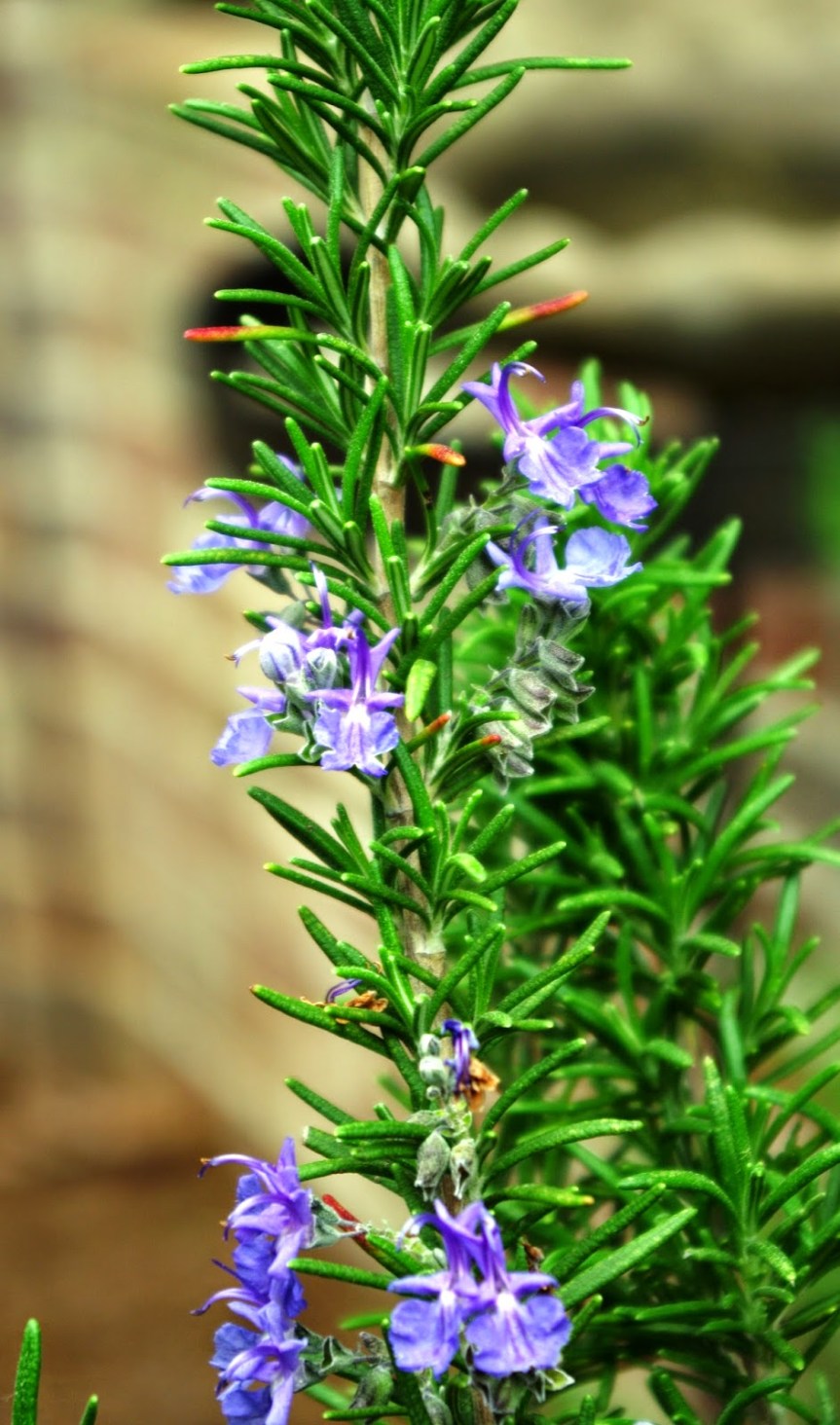
Rosemary {Rosmarinus officinalis}

The name Rosmarinus loosely translates to “dew of the sea,” given to rosemary because of its affinity for the wind-swept cliffs of the Mediterranean coast, where it originates. Beloved for centuries for its aroma and health benefits, this strongly aromatic member of the mint family is now cultivated worldwide.

Greek scholars wore garlands of rosemary to improve their memory and concentration, and many ancient herbalists recommended rosemary for failing mental acuity. During the Middle Ages, some would wear it around the neck to protect from the plague. Thirteenth-century Queen Elisabeth of Hungary claimed at 72 years of age, crippled with gout and rheumatism, that she had regained her beauty and strength by using “Hungary Water” {largely rosemary-infused}, compelling the King of Poland to propose marriage to her. Along with juniper, rosemary was frequently burned by the tub-full to disinfect the air from disease, from ancient times through…

View original post 827 more words

Our Pantry Profile: Thyme

Crooked Bear Creek Organic Herbs's avatarCrooked Bear Creek Organic Herbs

Thyme {Thymus vulgaris}

Common garden thyme has been used for protection, courage, food, and medicine since the beginning of recorded history. A low-growing, aromatic shrub native to the rocky hills of the Mediterranean and Southern Europe, it’s now a staple of herb gardens around the world.

Roman soldiers bathed in thyme to maintain their courage and strength before a battle, and in medieval times, departing knights received thyme-embroidered scarves from their lady loves to keep up spirits and inspire courage. A popular belief was that thyme tea prevented nightmares and even encouraged dreams of fairies. Carrying thyme warded off evil spells and witchcraft, while sewing thyme and fern into the hem of a dress kept the Devil from taking a woman as his bride. Placing a sprig of thyme in one shoe and a sprig of rosemary in the other on the Eve of St. Agnes {January 20} was said…

View original post 827 more words

Activity of Lemon Balm and Moldavian Dragonhead Essential Oils against Foodborne Microorganisms

Crooked Bear Creek Organic Herbs's avatarCrooked Bear Creek Organic Herbs

It has been postulated that plant essential oils can be used as natural preservatives to delay food spoilage, inhibit pathogen growth, and improve food quality. Lemon balm (Melissa officinalis, Lamiaceae) aerial parts and Moldavian dragonhead (Dracocephalum moldavica, Lamiaceae) aerial parts have antibacterial and antifungal activity. The purpose of this study was to evaluate the chemical composition, antimicrobial activity, and antioxidant capacity of lemon balm and Moldavian dragonhead essential oils with the goal of finding natural agents to protect against oxidation changes and pathogenic bacteria of food.

Lemon balm and Moldavian dragonhead aerial parts were collected at blossoming in the summer of 2013 in Urmia, Iran. The plants were confirmed by the Herbarium Department of Jahad Agriculture and Natural Resources Center of West Azerbaijan, Iran. Essential oils were extracted via hydro-distillation, and gas chromatography-mass spectrometry (GC-MS) was used to analyze the compounds in the essential oil. Antibacterial…

View original post 327 more words

Pantry Profile: Basil {Ocimum basilicum}

By Crooked Bear Creek Organics

Crooked Bear Creek Organic Herbs's avatarCrooked Bear Creek Organic Herbs

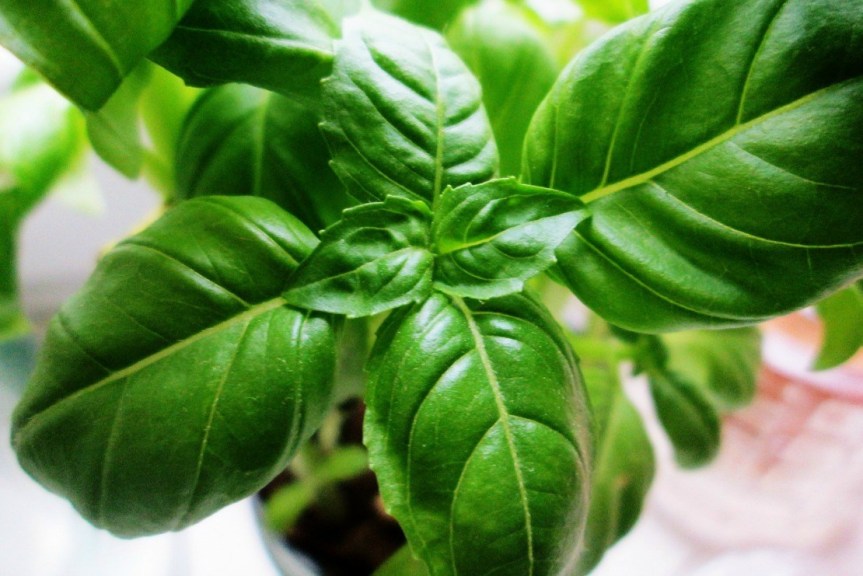
Bright green, tall, and aromatic, basil is a beauty. An ancient plant with a long history and strange folklore, its sweet, peppery flavor has been used for centuries in cuisine and medicine.

Basil is native to Africa and Southeast Asia and was eventually cultivated in the Middle East and the Mediterranean. Roman scholar Pliny the Elder described basil’s {now well-known} benefits as a carminative and digestive, explaining its effectiveness in relieving flatulence, colic, and nausea. It also has a long history of use for coughs associated with colds, and the leaves were routinely used topically as an insect repellent and poultice to relieve bug bites and stings.

Much myth and legend surrounded this plant we now consider a simple culinary herb. The ancient Egyptians believed basil would entice the god Osiris to open the gates of the afterlife. In his book the English Physician Enlarged, 17th-century botanist Nicholas Culpeper…
View original post 859 more words