Endangered Species; Herb Guide: Goldthread

By Crooked Bear Creek Organics

Crooked Bear Creek Organic Herbs's avatarCrooked Bear Creek Organic Herbs

Health Benefits of Goldthread

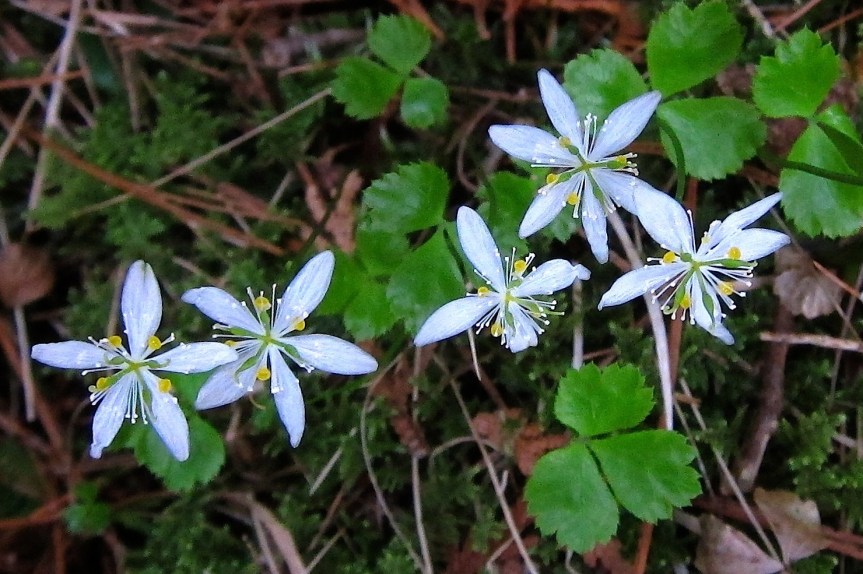
Goldthread, also known as coptis or canker root, is a genus of perennial herbs that have been part of Asian and North American traditional medicine for hundreds of years. The roots of the plant look like a tangled mass of gold thread, hence its name. Herbal goldthread is actually the powdered rhizome, or underground stem, of the goldthread plant.

View original post 580 more words

Herb Guide: Senna

By Crooked Bear Creek Organics

Crooked Bear Creek Organic Herbs's avatarCrooked Bear Creek Organic Herbs

Cassia senna syn. Senna Alexandria

Also, Known As:

  • Alexandrian Senna
  • Senna

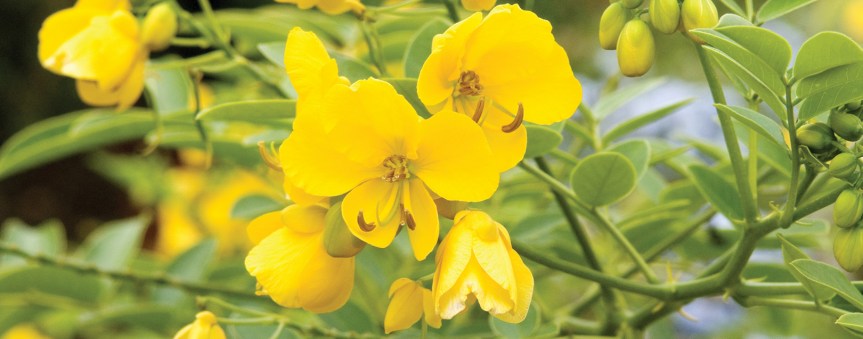
The senna plant is a small shrub belonging to the Caesalpiniaceae family. Incidentally, the senna belongs to two genus of Cassia – C. senna is also known as Alexandrina senna and C. Angustifolia that is also called the Tinnevelly senna. While the first variety of senna is found along the Nile River in Egypt and Sudan, the second type is widely cultivated in southern and eastern parts of India. It may be noted here that some experts are of the opinion that both the varieties of senna belong to a single species – Senna Alexandrina. Despite such claims, it may be said that the two varieties of senna differ greatly both according to morphology (structure of the plants) and histology (tissue study). Hence, the theory that Senna belongs to one single species is yet to get the pharmacognosists’ sanction.

View original post 1,844 more words

Herbal Pet Care

By Crooked Bear Creek Organics

Crooked Bear Creek Organic Herbs's avatarCrooked Bear Creek Organic Herbs

Just as we use herbs to enhance our lives, we can do the same for our four-legged family members – our pets. A growing number of veterinarians take a holistic approach to health care for animals, and that includes the use of herbs to promote wellness and increase the quality and length of our pet’s lives. At home, you can use herbs to supplement your pet’s diet and make healing preparations for them. But remember Always work with a veterinarian who is trained in the use of herbs for pets.

German-Shepherd-Dog

Nutritive Herbs for Pets

The following herbs are excellent daily additions to your pet’s diet. Finely mince the fresh organic herbs and sprinkle them over food just before serving. Grind the seeds into a powder and add just a pinch to food before serving. Decoct {simmer in water for 10 to 15 minutes} the burdock root, and pour some of…

View original post 1,120 more words

Herb Guide: Cat’s Claw {Uncaria tomentosa}

By Crooked Bear Creek Organics

Crooked Bear Creek Organic Herbs's avatarCrooked Bear Creek Organic Herbs

Also, Known As:

  • Cat’s Claw
  • Garabato
  • Saventaro
  • Una De Gato

Traditional herbalist and indigenous healers or shamans in South America make wide use of the herb called the cat’s claw in their remedies. All types of infectious diseases, many cancerous disorders and inflammations are normally treated using the cat’s claw herb by the Ashaninka Indians of Peru; in their view, this herb is a powerful and effective “health-restorative” herbal medication. The herbal cat’s claw based remedies are marketed essentially as an alternative preventive natural medicine in the west and the western pharmacopeia classifies the herb as an alternative treatment option for the treatment of disorders such as cancer, the human immunodeficiency disease or HIV and to treat all other infections in the body, in the West it is also used in the treatment of disorders such as arthritis, symptoms of asthma and ulcers – and other long-term or persistent inflammatory illnesses.

Traditionally derived knowledge, case reports and trials conducted without controls are…

View original post 2,809 more words

Herb Guide: Lemon Balm

By Crooked Bear Creek Organics

Crooked Bear Creek Organic Herbs's avatarCrooked Bear Creek Organic Herbs

Learn the medicinal and culinary uses of lemon balm, how to grow it, and how to make your own traditional Carmelite water.

To get the best flavor out of lemon balm, shear it with scissors, cutting it down by half or more, at least once a month. You can safely harvest three-quarters of the plant every three to four weeks and not harm it.

Often when someone asks me what my most favorite herb would be, I enjoy the surprise on their face when they hear my answer: Lemon balm, I say, without any hesitation.

Lemon balm (Melissa officinalis) isn’t at the top of most people’s favorites list. Basil, parsley, and lavender are the most popular herbs in America, but lemon balm isn’t even on the top 10 list. But it is deserving of considerably more recognition.

Lemon balm is a perennial herb from the mint family (

View original post 1,136 more words

Stalking The Wild Goldenseal

Greetings!

On Thursday, May 24th, I’ll be leading an evening foraging walk in Apollo, Pennsylvania (about 30 miles east of Pittsburgh).  We’ll be exploring a beautiful area known as Roaring Run along the Kiskiminetas River in search of wild edible plants and mushrooms.  If you’re interested in attending this walk, click here for more info!

Moving forward, let’s talk about Goldenseal.

Perhaps you’re familiar with this plant in supplement form.  Several immune-boosting formulas contain Goldenseal as the primary ingredient, and it’s one of the top-selling herbs in the world today.

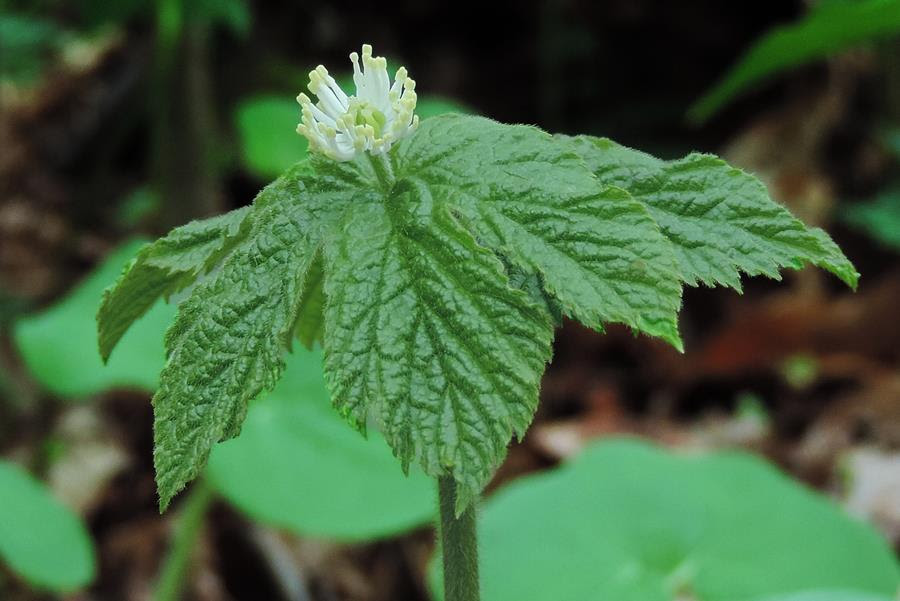
Goldenseal is not an exotic plant.  This understory species is native to North America and can be found in rich, deciduous woodlands… usually in association with tulip poplar, American beech, white ash, and sugar maple trees.

For centuries, various Native American cultures utilized Goldenseal as a medicinal plant.  Early European settlers also took a liking to this plant and quickly reduced wild populations to perilous numbers.

Today, Goldenseal is listed as endangered, threatened, or vulnerable in at least 10 states.  In some areas, however, it can still be quite abundant.

I recently explored the woods in search of Goldenseal and documented the experience on film.  If you’re interested in learning more about this incredibly special plant, as well as how to receive the benefits of Goldenseal without harvesting Goldenseal (there’s a great alternative!), check out the new video!
Some fungi eat plants, and some fungi eat animals.  Some fungi eat both plants and animals!  The edible Oyster mushroom is just one among the many species of omnivorous fungi that consume non-segmented roundworms called nematodes.  Check out this Instagram post to learn more!

Thanks for reading and watching, and as always, thank you for your support!

-Adam Haritan

Herb Guide: Chamomile

By Crooked Bear Creek Organics

Crooked Bear Creek Organic Herbs's avatarCrooked Bear Creek Organic Herbs

  • German Chamomile – Matricaria chamomilla
  • Roman Chamomile – Anthemis nobilis

The chamomile herb is another well-known plant, used in making effective herbal remedies for the treatment of a variety of illnesses. The herb has a great relaxant action on the nervous system and the digestive system. The herbal remedies made from this plant are considered to be a perfect remedy for the treatment of disorders affecting babies and children. The main action of the chamomile is that it brings about relaxation in all the smooth muscles throughout the body of an individual. The herb acts on the digestive tract and rapidly brings relief from any muscular tension and spasms, it alleviates disorders such as colic, and it can reduce the amount of abdominal pain, and remedy excess production of wind and abdominal distension in patients.

Chamaemelum-German_1

The other major effect of the herb lies in its ability to regulate peristalsis along the…

View original post 2,224 more words

Herb Guide: Echinacea

By Crooked Bear Creek Organics

Crooked Bear Creek Organic Herbs's avatarCrooked Bear Creek Organic Herbs

Echinacea, pronounced ek-i-NAY-see-a, is one herb that has become a “household” name in the 1990’s. Many refer to it as “Purple Cone Flower” because of its large purple daisy petals, which contain a hard and spiny center cone. These spines probably give the plant its name, since sea animals with spines are called “echinoderms”. Echinacea is indigenous to the U.S. and can be found both growing wild in many areas as well as in cultivated gardens. There are actually nine different species of the plant; two are most popular as remedies: Echinacea Angustifolia and Echinacea purpurea.

Echinacea for Immuno-Excellence…

Adapted from The Natural Medicine Chest, by Ellen Kamhi, PhD RN and Eugene Zampieron, ND
______________________________________________________________________________

FACTS:

Echinacea is a North American plant, native to the prairies…

Echinacea is an important plant for treating immune dysfunction…

Echinacea juice can be placed directly on wounds to promote healing…

_______________________________________________________________________________

Echinacea is…

View original post 1,106 more words

Herb Guide: Wild Thyme {Thymus serpyllum}

By Crooked Bear Creek Organics

Crooked Bear Creek Organic Herbs's avatarCrooked Bear Creek Organic Herbs

Also, Known As:

  • Creeping Thyme
  • Mother-of-thyme
  • Wild Thyme

The wild thyme is native to the larger parts of Europe where the land is dry. The wild thyme is rare compared to the common thyme’s and is farmed extensively. Normally, wild thyme is found growing up to a certain altitude on the Alps, on high plateaus, in valleys, alongside trenches, roads, on rocks and also in infertile and dry soil. Wild thyme may also be found growing in moisture-laden clay soil that is improvised of chalk. Wild thyme’s can also be found in old rocky, deserted grounds, dried-up grass turfs and also on open lands. Particularly in England, wild thyme’s grow normally on moorlands and rocky terrains. Wild thyme is frequently cultivated as garden borders, in rock gardens or on the sunlit banks of rivulets and streams.

Wild thyme is a perennial herb. The herb’s sulky wooded stems grow up to a…

View original post 1,531 more words

Herb Guide: Oregano

By Crooked Bear Creek Organics

Crooked Bear Creek Organic Herbs's avatarCrooked Bear Creek Organic Herbs

Origanum vulgare

Also, Known As:

  • Common Marjoram
  • Oregano
  • True Oregano
  • Turkish Oregano
  • Wild Marjoram
  • Winter Marjoram

The famous European herb called the oregano or the pot marjoram is a very familiar spice, botanical name Origanum vulgare. It is a common herb, and the European oregano is known to be a very hardy and perennial herb characterized by the presence of an erect, and somewhat hairy and well-branched stem, the leaves of the herb are also hairy. When fully grown, the plant can cross two feet in height, and is characterized by a very acrid and pungent odor, the fragrance of the plant is very strong, and has a sage-like an aroma, it also smells somewhat like another spice, the thyme – also used in a lot of European cuisines.

The oregano also refers to the pleasant and mint smelling European herb, the marjoram, or the wild marjoram as it is…

View original post 2,012 more words