Origins Of Aloe Vera
There in Misali, I was discovering my own circular route, from childhood familiarity with Aloe vera in America, to the splendid diversity found in Africa, and eventually… back home again.
RICHO CECH
The popular story goes that long ago, somewhere in North Africa, grew a smallish yet handsome, robust and edible aloe, plump of leaf and yellow of flower. This unique plant was taken from a wild stand which has since been extirpated, leaving no parent population to be found. In the process of domestication, the plant lost its ability to reproduce from seeds, and is thus currently propagated by pups (lateral offshoots) only. This aloe became known as “Aloe vera,” a common name that eventually came to be accepted as the scientific name. Lovely Latin, it means “True aloe.”

However, the story makes little botanical sense, and although charming, has always left me with a number of questions unanswered. How true is this true aloe? If true, then I’d like to know where it is from, and why it is more true than the rest? If Aloe vera came originally from the wild, then why has it lost its ability to reproduce from seed? Because the ability to reproduce from seed is one of the main earmarks of a wild-derived species aloe. And, why is common Aloe vera so very consistent in form? Wild aloes are not like that–they show some variability in form, and indeed require pollination with plants of different parentage in order to make viable seed. Finally, why is the plant so very vigorous? One can hardly keep up with transplanting all the pups. This trait looks a lot like hybrid vigor. All these questions are satisfied by this one hypothesis: Aloe vera is a hybrid!
Overview: The Aloe family (the Aloaceae) is represented by about 550 species growing in mainland Africa and Arabia as well as the islands of Socotra, Zanzibar, the Mascarenes and Madagascar. Aloes are in general rosette-forming, polycarpic, drought-tolerant succulents.[1] Their leaves are toothed on the margin, boat-shaped in cross-section, non-fibrous and filled with gel. The vascular bundles that occur just beneath the epidermis of the leaf are filled with a bitter, yellow latex. The flowers are drooping, tubular and brightly colored; arranged in terminal, sometimes branched, racemes. The seeds are dark-colored, occur in capsules, and are winged to encourage dispersal by wind. Beyond these commonalities, aloes come in a fantastic array of forms. There are tree aloes, single-stemmed aloes, multistemmed aloes, bushy aloes, stemless aloes, dwarf aloes, creeping aloes…[2] Aloes are the most common medicinal herb in Africa.[3] Many African mothers living in the bush know to use aloe leaf for treating conjunctivitis, a use that has rarely been understood by Western practitioners. Aloe in Africa is also used for treating burns and wounds, as a bitter tonic to the digestion, as an antiparasitic, for treating malarial fever, HIV/AIDS, jaundice, yellow fever, hepatitis, high blood pressure, etc. Ethnobotanical uses range from snuff ingredient (Aloe marlothii) to harborage of ancestral spirits (Aloe dichotoma). Aloe vera itself is a clumping aloe that will make a woody stem with age. The leaves are filled with mucopolysaccharide-rich gel that is used topically to treat burns or other skin injuries, promotes fibroblastic activity and speeds healing–a soothing and antiinflammatory emollient. The mucilage contains acemannan which is anti-tumor and beneficial against HIV. The skin of the leaves contains anthroquinone glycosides that are hydrolyzed in the intestines, speeding peristalsis and producing a stomachic and laxative effect. [4] [5]
Read the full article at: Richo’s Blog ~ Origins of Aloe Vera
Strange Oysters & Other Summer Mushrooms (New Video!)

Greetings!
First, I want to say “thank you!” to every person who has attended one of my foraging programs this year. One of the best parts of traveling to new areas is meeting and spending time with an incredible number of wonderful people who are thrilled to learn new plants and mushrooms. I’ve had a blast so far this year hopping around different states and I certainly don’t plan on stopping any time soon!
As a reminder, I’ll be participating in the West Virginia Mushroom Foray from July 19th through the 21st at Blackwater Falls State Park in Davis, West Virginia. While my Friday morning walk has already filled to max capacity, I’ll be offering a presentation on Saturday for all participants.
Additional instructors this year include such notable authors as Arleen Bessette, Walt Sturgeon, and John Plischke III.
And now on to this week’s brand new video!
Fungally speaking, summer is off to a fruitful start. The ample rains and warmer temperatures have been very conducive to fungal activity here in the Northeast, and if similar conditions persist, 2019 could be a banner year for many summer mushroom species.
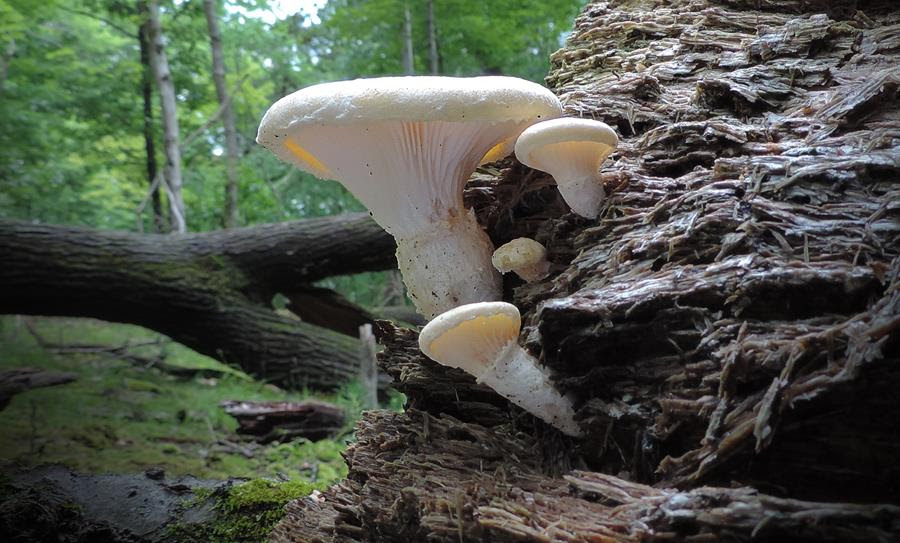
While on a recent walk through a local wooded area, I encountered quite an array of mushrooms — some edible, some not so edible, but all fascinating in their own right.
One species in particular caught my eye because of its close resemblance to oyster mushrooms, and upon closer inspection, its true identity was revealed to me.
Have you ever seen a mushroom that looks like this? Would you consider it to be an oyster mushroom or something else?
Check out the new video to learn more!
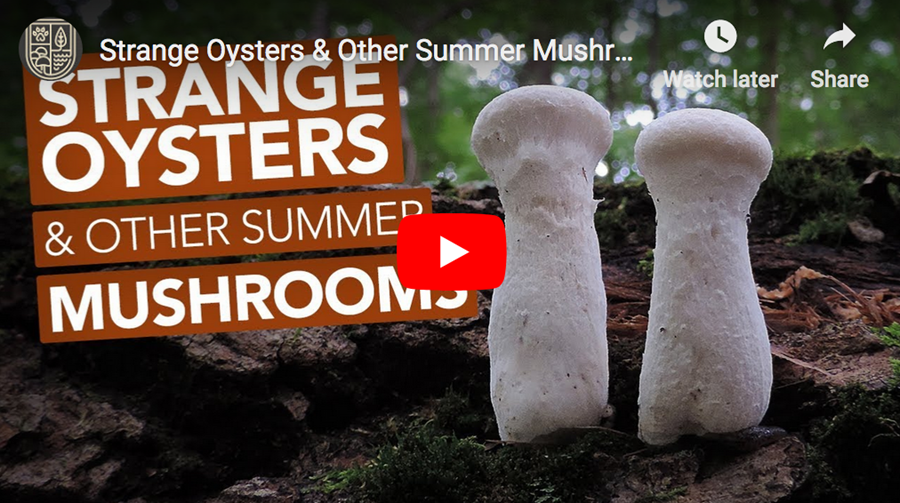

Amongst thunderstorms, cloudy skies, and rainbows, this beautiful mushroom contributes significantly to the array of phenomena that characterize the early summer season. Few mushrooms are as photogenic as this one, and if you’d like to learn who this unique fungus is, check out the recent Instagram post!
Thanks for reading and watching, and as always, thank you for your support!
-Adam Haritan
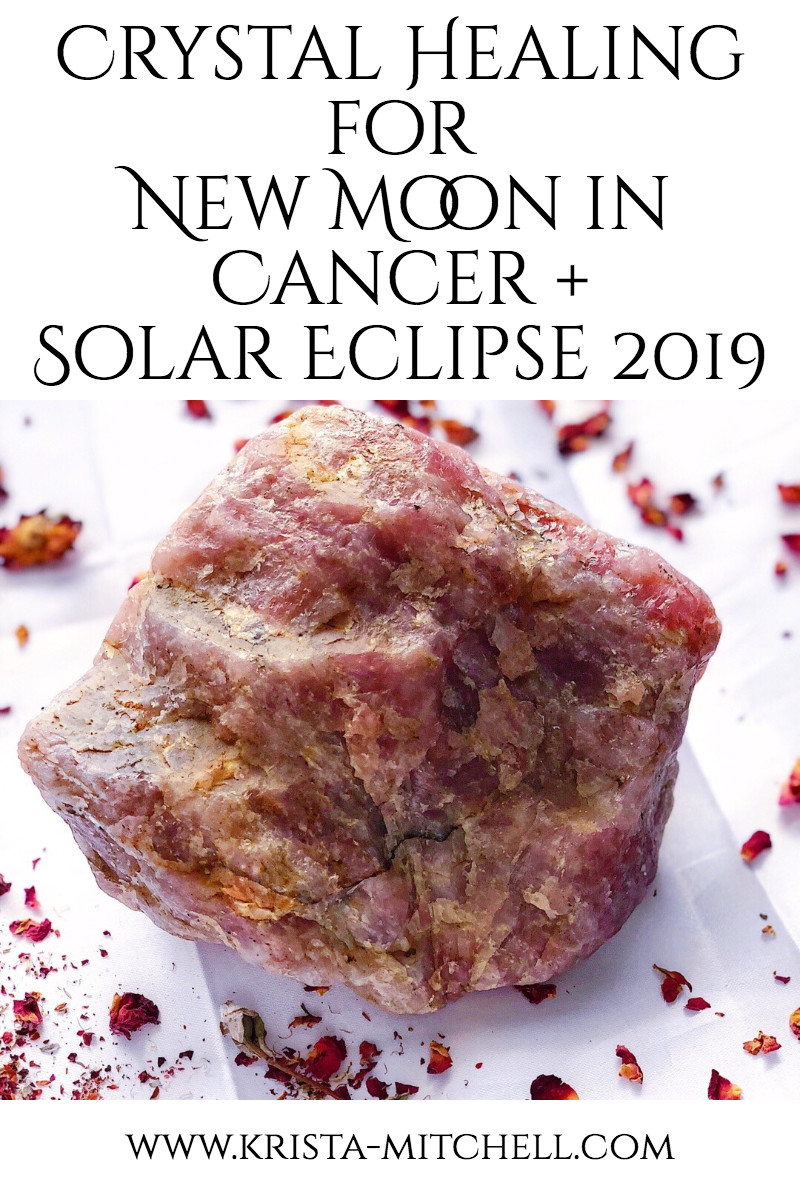
CRYSTAL HEALING FOR THE NEW MOON IN CANCER + SOLAR ECLIPSE
Hullo luvs!
On Tuesday, July 2nd at 3:16pm, we’ll be entering the new moon in Cancer phase as well as experiencing a solar eclipse.
New moons always represent new phases according to the theme of the sign they’re in; solar eclipses herald change or transformation that propels us forward on our evolutionary journey.
As Cancer (the crab) represents our home, family, roots, emotional needs, introspection, comfort, and our foundations (physical, mental, emotional), we can expect potential big change or revelations in this area.
Adding to this, Mercury goes retrograde on July 7th (until the 31st). We’ll feel a greater pull to draw within, contemplate, review, revisit, and re-do or reconsider.
This may all sound, and feel, quite dramatic.
I’ve found through my life and experience as both healer and human, that the best way to flow through powerful phases is to channel their energies in ways that are for our highest good.
As someone who’s been in the process of breaking free of old patterns and ways of being that were holding me back, I actually look forward to eclipse seasons and Mercury retrogrades: Out with the old, in with the new!!
It’s not always a comfortable or pain-free process, I know, having already experienced a deep loss this week. But life is made by change, and I’ve learned to look for the healing, Grace, or gift from even the saddest experiences.
If you move through them consciously, allowing yourself to surrender what you cannot control, powerful cosmic phases like eclipse season and Merc retro can be times of healing and positive change.
Read original articles at: Krista Mitchell ~ Crystal Healing For New Moon in Cancer + Solar Eclipse
Entering the Eclipse Season | New Moon in Cancer Energy Report
While this one might feel intense… it has the power & potential to transform us thoroughly.
A Solar Eclipse always happens when the moon is New but this total Solar Eclipse in Cancer holds potential for an emotionally intense yet refreshing rebirth. During a total Solar Eclipse, the Moon has darkened the Sun completely, meaning you will likely feel your emotions stronger than on a typical New Moon.
Your emotional and intuitive energy will be stronger than any physical action you can take right now. This is to allow us to sit back and fully witness and feel the emotions we may have been avoiding so that we can step forward into our rebirth.
A New Moon’s influence typically lasts for four weeks, but the energetic lessons from an Eclipse last for about 6 months, which is why it is called an Eclipse Season. Expect patterns, lessons, and themes from the last 6 months might come up for you this cycle. It’s time to finally feel them in order to heal them.

This Eclipse holds huge potential for rebirth and transformation on many levels. Mercury goes retrograde this month as well which will help us look at the way we are communicating our needs in a new way so we can be more constructive.
There are endless possibilities and opportunities ahead right now. Now is the time to walk through the threshold of the Eclipse.
All new moons hold potential for a new beginning, but this cycle in particular holds 2 eclipses and 5 planets in retrograde meaning the effects will be lasting and important.
Don’t let this potential go to waste! Each month for the New Moon, using our planners, decks and the stars as our guide, we put together the New Moon Energy Report to help us navigate the cycle ahead…
Read the original article at: Spirit de la Lune ~ Entering the Eclipse Season | New Moon in Cancer Energy Report
Summer Wellbeing: Summer, The Season of Becoming
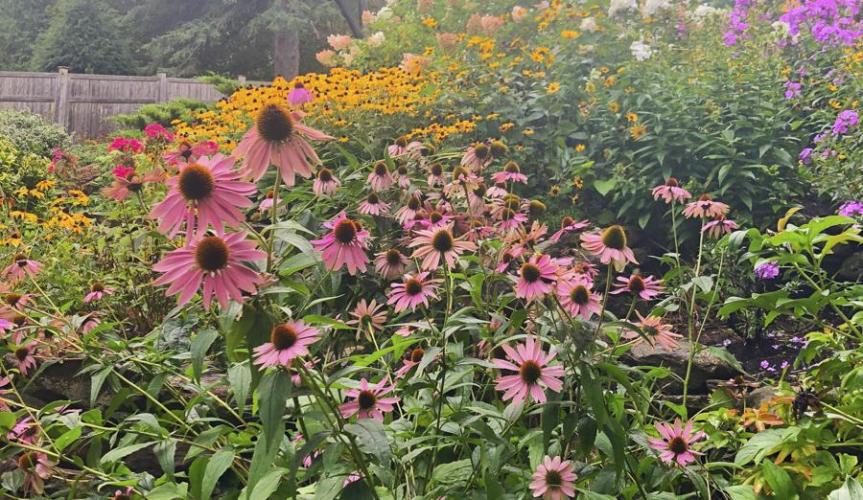

Summer has arrived, filled with a joyful abundance of all the sweetest of things. It makes me want to run barefoot and wild, as I listen to the sounds of the forest: the chirping birds and crickets, the rush of leaves when a gentle breeze comes to play. I fill my lungs as long and as wide as I can, dancing upon the warm winds of this season of flourishing.

Here we are met with the season of being alive — of letting go of all fears. Of letting the sun heal us with her gentle glow: restoring our hopes and our dreams. By now we are full-grown, in full bloom, but are also all still children with dirty feet and sparkling eyes. Summer is the season of starlight, of hikes through the forest, of a mountain lake, swims, bursts of laughter, long books of poetry, long days by the…
View original post 2,054 more words
2nd Moon of Summer 2019
A Druid’s Primer on Land Healing: A Healing Grove of Renewal

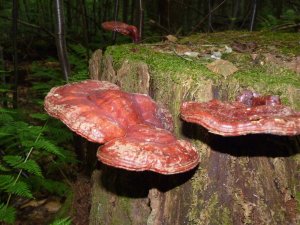 Reishi growing from a stump in my sacred forest
Many years ago, I shared the story of the “mystery of the stumps“, which was my path into druidry. I grew up spending all my days in a forest that was rich, full, and bountiful. When I was 14, that forest was logged. My heart broke, and afterward, I tried to enter the forest but it was horrible: downed trees everywhere, so much damage, so many friends that had been cut and taken away. I thought the forest would never heal. I withdrew not only from nature, but from my spirit and creative gifts, and spent a time in numbness and mourning–a period that lasted almost 10 years. I didn’t return to the forest till I was 24. When I finally went back in, so much had changed–the land was regrowing. Large thickets of birch, blackberry, and cherries were…
View original post 3,153 more words
Growing Edible Flowers in Your Garden
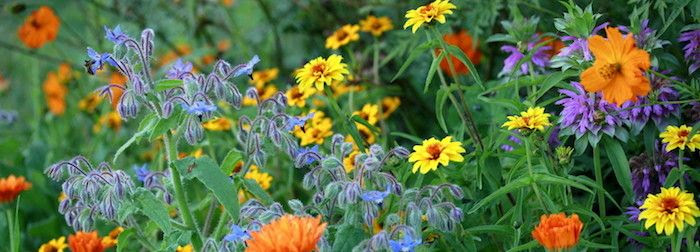
While gardeners love flowers for their beauty outdoors in the garden and indoors in a vase, few raise them to eat. That’s a shame because many flowers are edible and bring lively flavors, colors, and textures to salads, soups, casseroles, and other dishes. Eating flowers is not as exotic as it sounds. The use of flowers as a food dates back to the Stone Age with archeological evidence that early man ate flowers such as roses.
Of course, flowers have been used to make teas for centuries, but flower buds and petals also have been used from China to Morocco to Ecuador in soups, pies, and stir-fries. Rose flowers, dried day lily buds, and chrysanthemum petals are a few of the flowers that our ancestors used in cooking. In fact, many of the flowers we grow today were originally chosen for the garden based upon their attributes of aroma and flavor, not…
View original post 1,520 more words
The Magic of Chamomile
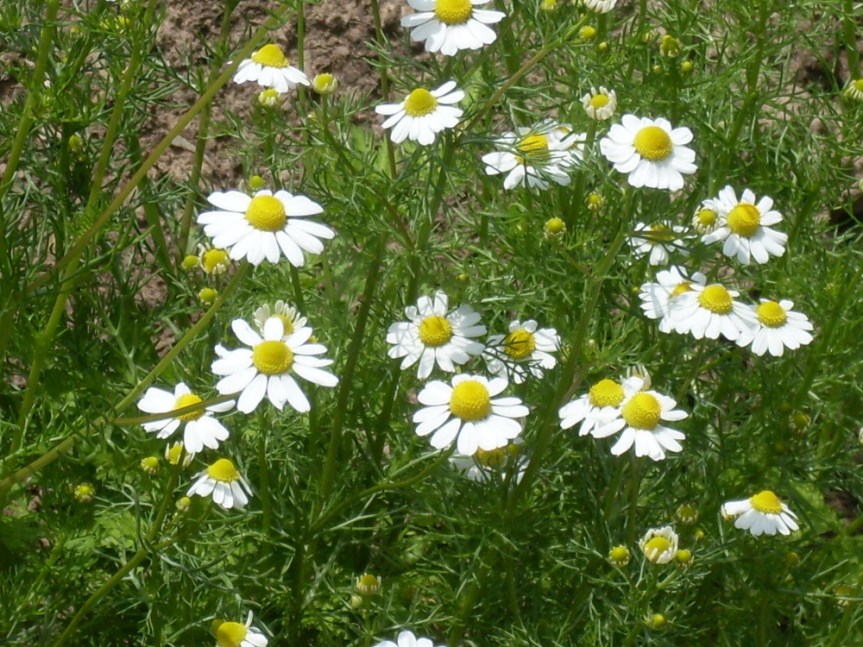

- German Chamomile – Matricaria chamomilla
- Roman Chamomile – Anthemis nobilis
The chamomile herb is another well-known plant, used in making effective herbal remedies for the treatment of a variety of illnesses. The herb has a great relaxant action on the nervous system and the digestive system. The herbal remedies made from this plant are considered to be a perfect remedy for the treatment of disorders affecting babies and children. The main action of the chamomile is that it brings about relaxation in all the smooth muscles throughout the body of an individual. The herb acts on the digestive tract and rapidly brings relief from any muscular tension and spasms, it alleviates disorders such as colic, and it can reduce the amount of abdominal pain, and remedy excess production of wind and abdominal distension in patients.
The other major effect of the herb lies in its ability to regulate peristalsis along the…
View original post 2,228 more words


You must be logged in to post a comment.