Wildcrafted Druidry: Using the Doctrine of Signatures, Ecology and Mythology to Cultivate Sacred Relationships with Trees

Dana's avatarThe Druid's Garden

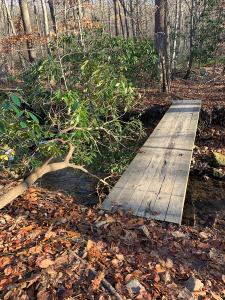
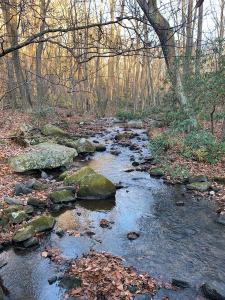
A stream in winter

Nature spirituality is most obviously tied to one’s local nature–the trees, plants, animals, landforms, and other features of what makes your own landscape unique. One of the formidable challenges before those of us practicing nature-based spiritualities in the United States and other “colonized” regions is that not only do we not have the right/access to native traditions on local uses of plants, we also have systems that are inherited from other places and may not properly fit. Ogham is a good example of this: if you use the traditional ogham in the US, it is kind of like wearing a pair of ill-fitting shoes: you can get by, but the system isn’t working with what is outside your door.

With that said, I have always been fascinated by the idea of a language of trees, a system that we can use for magical and divination purposes…

View original post 3,672 more words

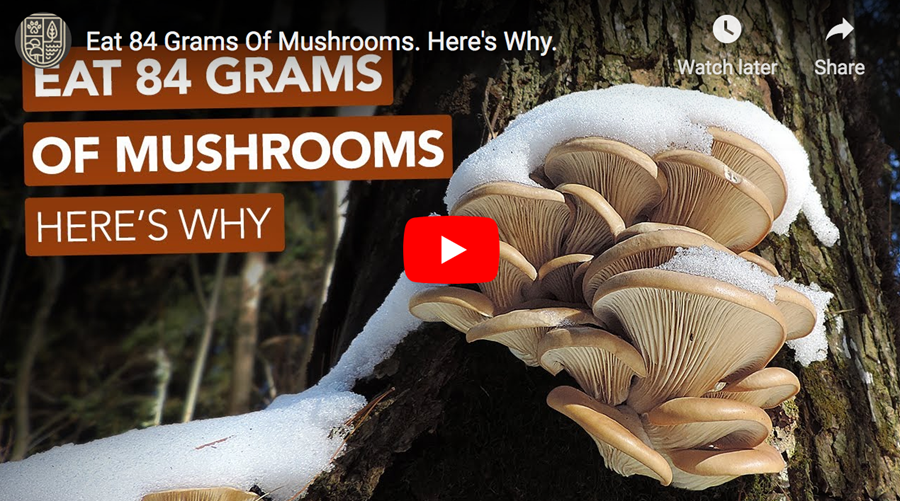
Eat 84 Grams Of Mushrooms. Here’s Why

Mushrooms have come a long way in recent years.

Formerly classified as primitive plants in the taxonomic sense and as white vegetables in the culinary sense, fungi have since risen above their woefully outdated labels.

In the ecological context, we’ve learned that mushrooms are anything but primitive.  In the nutritional context, we’ve learned that mushrooms are dietary superstars.

Subsequently, it seems that there are just as many reasons to appreciate mushrooms as there are to eat them.  Human health, it turns out, is one overlapping reason.

Corroborating this motive is new research published in the journal Food, Science, & Nutrition.  In a recent study, researchers concluded that eating a small serving of mushrooms can have measurable and positive effects on human health.

In a brand new video, I discuss four important findings revealed in this study.  If you’re interested in learning the ways in which mushrooms can improve your health, check it out!

Like fungi, the American beaver has made considerable progress in recent years.  Formerly classified as extirpated in many states, beavers can now be found in urban parks.  To read about a morning encounter I had with North America’s largest rodent, check out the latest Instagram post!Click to view post

I was a recent guest on The Mushroom Hour podcast.  In the interview, we discuss many topics related to nature connection, supporting land conservation trusts, foraging wild water, and more.  You can listen to the interview through one of the following links:

Thanks for reading and watching, and thanks for your continued support!

-Adam Haritan

Frost Flowers

The Herb Society of America's avatarThe Herb Society of America Blog

By Katherine Schlosser

There is something peaceful about a frosty pre-dawn morning. On the morning that I wrote this, I waited at the front door for our latest grand-dog to arrive. We keep him during the day while our daughter and son-in-law work, he providing as much company for us as we do for him. The sky was just turning a rosy pink near the horizon, but overall it was cold and cloudy.

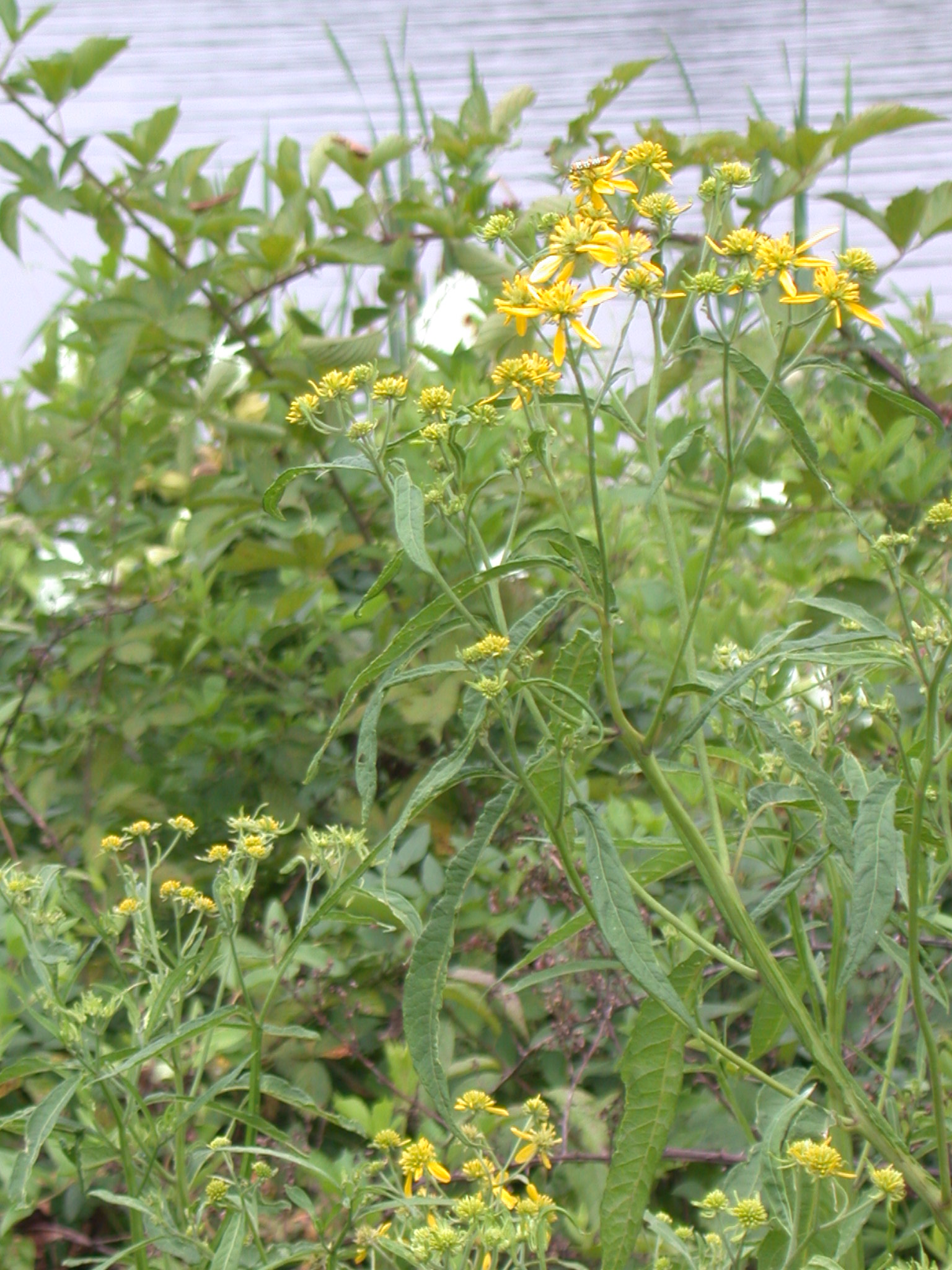
Verbesina alternifolia Wingstem Strawberry Rd by Kathy SchlosserShivering as I stood looking out the door, a glimpse of white caught my eye.  My first thought was squirrels had again torn open the chairs on the deck, ripping out stuffing to line their nests. Walking down the steps to retrieve the wisps of cotton, I realized these are FROST FLOWERS!!

These fleeting beauties look as though they are made of cotton candy and are not flowers at all. They are found on those days when…

View original post 415 more words

The Magic of the Understory

Dana's avatarThe Druid's Garden

A path of evergreen mountain laurel at Laurel Hill State Park. Amazing to hike through in the winter, when the understory sings!

As you may have noticed, in the last month or so I’ve been working diligently on my “Sacred Trees in the Americas” series.  The truth is, I’ve worked through most of the trees that are well known and form the overstory of most of the forests in the US East Coast.  Trees like White Pine, Oak, Hickory, Sugar Maple, Ash, Beech, and Birch are dominant trees.  And when you do research on these trees, you find a rich tradition and lore from both the Americas and the Old World.  Recently, I’ve moved my attention to lesser-known trees like Ironwood and Devil’s Walking Stick, and have covered others like Witch Hazel (distinct and different from American Hazel) and Spicebush. There is a striking difference between the first group and…

View original post 1,244 more words

Planting Your Seeds | Moonthly Lunar Report Entering the Seed Moon

Planting Your Seeds | Moonthly Lunar Report Entering the Seed Moon

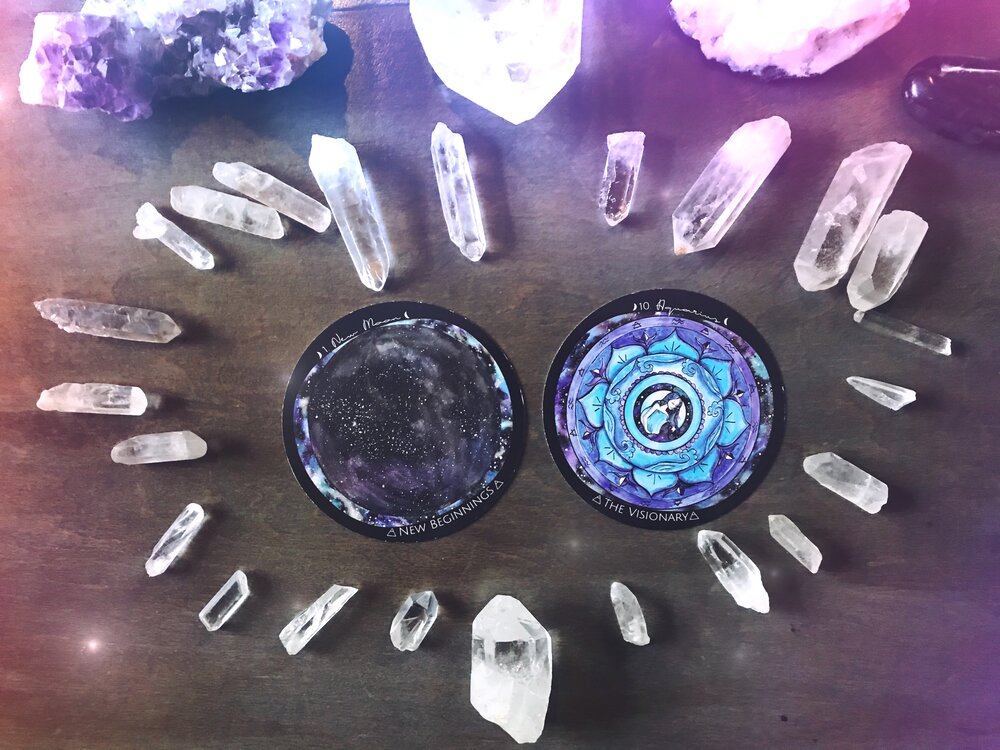
This new moon in Aquarius is bringing in a season of change and personal transformation. Old ideas about your life or yourself could shift a lot during this cycle.

Transformation can take place on many levels of your life. Let go of any lilimations you may be putting on yourself and be ready for a revolution from the inside out.

This new moon is a part of a very large stellium in Aquarius that includes the sun, moon, Mercury, Venus, Jupiter and Saturn.

Planting Your Seeds | Moonthly Lunar Report Entering the Seed Moon

This week is going to shake things up! The new moon lands in Aquarius on the 11th and if the Water Bearer is considered the rebel of the zodiac, his cosmic counterpart is the asteroid, Lilith. And she is making a lot of squares this week.

The same day as the new moon, she squares both Venus & Jupiter, while Venus conjuncts Jupiter. Conflicts and drama in relationships can surface, so tread lightly. There could be an internal struggle with following your heart and going against others’ wishes and opinions.

Read original article at: Spirit de la Lune ~ Planting Your Seeds|Moonthly Lunar Report Entering the Seed Moon

Magickal Properties and Uses of Viola, Violet Magic

Crooked Bear Creek Organic Herbs's avatarGood Witches Homestead

Viola is a quiet, little magic. She springs up in fields, lawns, and at the edges of forests. Before her companions begin to bud, she’s blooming away, gathering in the cool, damp spring days. In spring’s quiet while everyone else has yet to awaken, Viola works her magic.

Violas come in a variety of colors and shapes. The ones herbalists are most sweet on are a species called Viola odorata, although we may well fall in love with some of her close cousins, too. Viola odorata sports blue blossoms. Viola tricolor, like the ones in my garden, bloom in deep purples, sometimes sporting a few yellow or white petals. Sometimes they’re called Johnny Jump-ups, Hearts-ease Violets, Sweet Violets, or Pansies by garden centers, sometimes just plain violets. Part of what makes V. odorata and her medicinal cousins particularly special is her scent.

Viola odorata or Violet is a…

View original post 39 more words

HSA Webinar: Weird Herbs

The Herb Society of America's avatarThe Herb Society of America Blog

Sponsored by the Baton Rouge Unit
by Jen Munson, HSA Education Chair

lambs earGardening has long been a popular pastime. The pandemic, and subsequent lockdown, has only increased gardening’s popularity. Planting perennials and annuals for beauty, texture, and joy, while rewarding, is tame. It is when you cross into the herb gardening world that things get a little weird. 
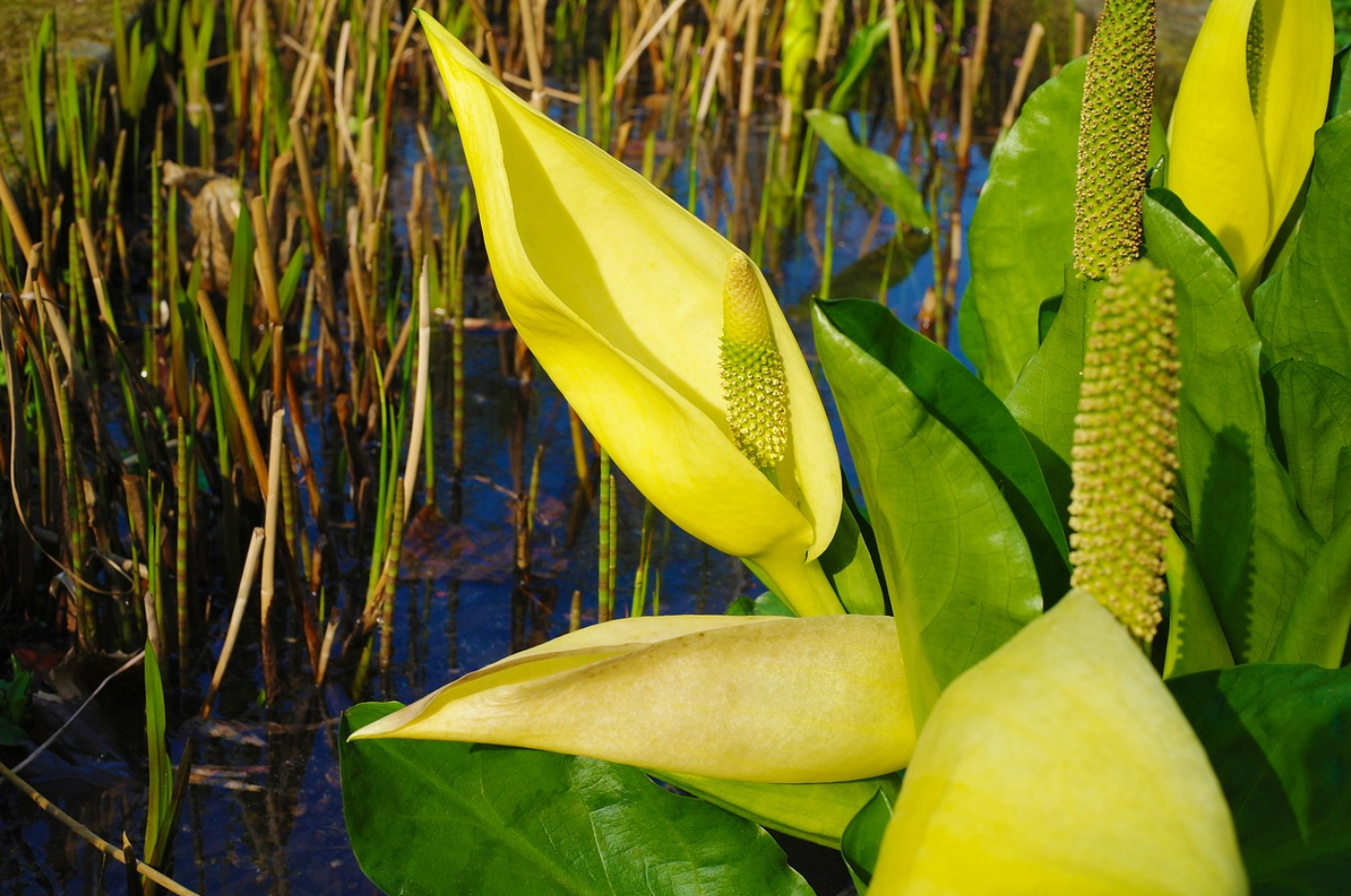
The Herb Society of America identifies herbs as any plant or fungi that has a use beyond purely ornamental. This includes plants used for botanical dyeing, culinary,yellow skunk cabbage economic, and medicine, among other uses. This is where things can get strange. For example, lamb’s ear (Stachys byzantina) has been and can be used as a natural bandage or even toilet paper! Still stranger are the leaves of the Western skunk cabbage (Lysichiton americanus), which can be used like parchment paper for wrapping meat and fish prior to cooking. Surprisingly…

View original post 515 more words

Herbs are expensive – Grow your own

pobept's avatarTown & Country Gardening

Herbs Fresh or Dried purchased from your local Supermarket or Farmers Market are exceeding expensive.

These are sample prices taken from Walmart

The best solution is to grow your own Herbs. Herbs take up little space and are very forgiving if neglected.
Most herbs will do well in containers, window boxes and planted directly in your garden soil.
If herbs are conventionally located to you and your kitchen you are more willing and more likely to use them when cooking and serving meals.

Herbs Make Common Foods Taste Special

Sage is a herb that does well if properly cared for. It requires a lot of pinching and cutting to keep it from becoming woody. As a rule, sage will need to be replanted about every 3 years since it will become woody with few leaves no matter what, so keeping it in a pot makes this change that much easier…

View original post 545 more words

Sacred Trees in the Americas: Rhododendron (Rhododenron maximum)

Dana's avatarThe Druid's Garden

A Rhododendron overlooking a foot path at Laurel Hill State Park

I remember the first time I saw the largest Rhododendron Maximum tree. I had recently moved back to Pennsylvania, and I was driving on 422 towards my parents’ house when I looked to the left and did a double-take!  An enormous Rhododendron, in bloom, at least 40 feet across and 20 feet high was in full bloom.  And, it was dwarfing the house it was growing next to.  After doing a little local research, I learned about how famous this rhododendron has been in our region. Ever since then, each time I pass, the Rhododendron and I exchange a little greeting.

As someone who lives in the Allegheny Mountains, Rhododendron has a special place in my heart.  It is one of the dominant understory trees (and yes, it often is the size of trees here!), growing both in…

View original post 1,567 more words

The Energies of February 2021

Crooked Bear Creek Organic Herbs's avatarGood Witches Homestead

We are now just past the midway point between the solstice in December and the coming March equinox. Daylight hours are now expanding at an increasingly noticeable rate, bringing a welcome reminder that Spring is not so far away again.

Despite the winter cold, aconites, crocuses, snowdrops and the first delicate pink Hellebores are lighting up the corners in our garden and reminding us that it is nearly time for the next round of mother tincture making to begin. It is also a lovely reassuring reminder to us to connect in with the natural world any time we feel in need of a little extra stability and grounding.

As we venture forth into the energies of February there is still plenty of the same volatile intensity in the energy flow that we have experienced so obviously during January.

In general, we can expect a few more peaks of intenseness before…

View original post 1,393 more words