Never Be Fooled By Poison Ivy Again

Before I share a brand new video with you, I want to provide a reminder that today — Monday, May 24th—  is the last day to register for Foraging Wild Mushrooms

After today, registration will be closed for the season.  If you want to learn the skills involved in safely and successfully harvesting wild mushrooms with confidence, Foraging Wild Mushrooms can help you achieve that goal. 

Click here to register before midnight.

And now on to this week’s brand new video.

There is no shortage of phrases that we can use to assist with the identification of poison ivy.

Most are lyrical and memorable, but few ever describe the less familiar parts of poison ivy (e.g., winter buds, twigs, flowers, autumn foliage).

Even then, the phrases that do describe the most familiar parts aren’t entirely foolproof:

“Leaflets of three, let it be.” (Many other plants have compound leaves with three leaflets, and I’ve seen poison ivy leaves with only two leaflets.)

“Side leaflets like mittens, will itch like the dickens.” (Side leaflets will oftentimes have no teeth or lobes.)

Needless to say, catchy phrases aren’t always accurate, and field guides that offer one photograph per plant only add to the confusion.

To address the situation, I created a very detailed video that covers key identifying features of poison ivy in every season.

If you’re looking to improve your poison ivy identification skills while reducing the chances of physically contacting the plant, check out the brand new video!

Thanks for reading and watching, and thanks for your continued support!

-Adam Haritan

Sacred Trees in the Americas: Tamarak / Larch – Larix laricina – Magic, Medicine, and Mythology

Dana's avatarThe Druid's Garden

I remember when I first saw a Tamarack tree.  It was growing in a bog where I was hiking in late fall.  I looked at the Tamarack tree in its golden splendor and wondered if the tree was sick or had gotten too wet–was this confier dying?  It had knobby cones and branches, sitting there looking like it was in its death throes.  When I commented on it to my friend, she responded, No, that’s just the tamarack tree, a friend of mine said, and we examined the tree growing on the edge of a beautiful wetland.  Sure enough, a few weeks later, the tree was bare for the winter and only grew back in the spring. The Tamarack tree has a special place in the ecology in North America, especially as a mid-succession tree in very wet and swampy areas.

The Tamarack tree is known by many names: the…

View original post 1,782 more words

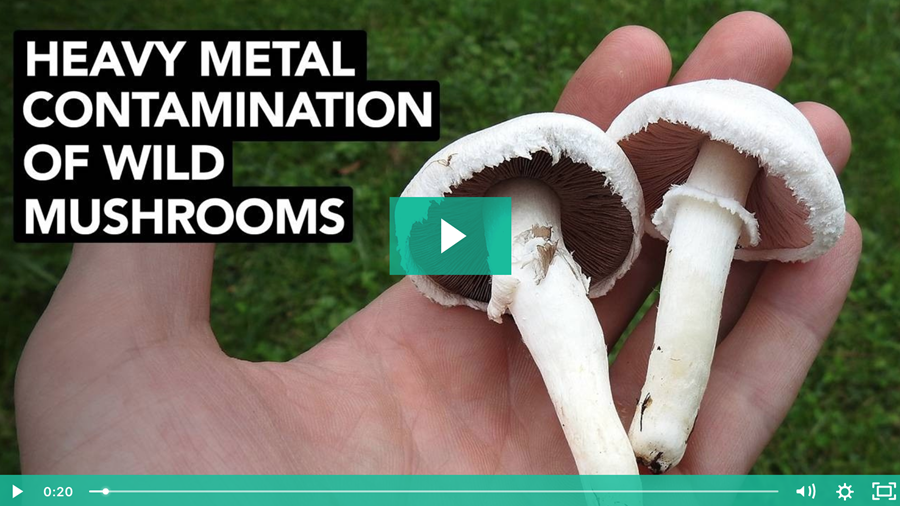
Heavy Metal Contamination Of Wild Mushrooms — 6 Things To Know

Harvesting edible mushrooms is rewarding. 

Harvesting edible mushrooms that are contaminated with impurities is disappointing and potentially dangerous.

One of the most common questions I receive from concerned foragers is this: 

“I hear that mushrooms bioaccumulate all kinds of substances.  How do I know that the edible mushrooms I’ve harvested are safe for consumption?”

This is an issue that requires a lot of attention.  Fungi, like many living organisms, can harbor all kinds of contaminants, including synthetic chemicals (e.g., pesticides and herbicides), radionuclides, and heavy metals. 

While many factors remain outside the personal control of foragers, several actions can be taken to mitigate harm caused by these contaminants.

To shed light on heavy metal contamination, I created a video in which I answer 6 important questions.  Information in the video includes:

  • The most problematic heavy metals.
  • Habitats that are known to be contaminated.
  • Edible mushrooms that hyper-accumulate heavy metals.
  • Specific parts of mushrooms that are most likely to concentrate heavy metals.
  • Cooking techniques we can implement in the kitchen to reduce contamination.

…and lots more.

The following video is one of over 80 exclusive videos featured in Foraging Wild Mushrooms — a four-season online course designed to help you confidently and successfully forage wild mushrooms.  

Registration for Foraging Wild Mushrooms is open until Monday, May 24th at midnight.  After May 24th, registration will be closed. 

If you’ve ever considered harvesting wild mushrooms but didn’t know where to start, or where to go, or how to discern between edible and poisonous species, Foraging Wild Mushrooms will equip you with the skills necessary to ensure that your harvests are safe and successful. 

To get a sneak peek into the kinds of content found within the course, check out this video.

Please note that this video is available until Monday, May 24th, and will only be available to registered students afterwards.

Thanks for reading and watching, and thanks for your continued support.

—Adam Haritan

2021 Virtual Educational Conference and Annual Meeting of Members

The Herb Society of America's avatarThe Herb Society of America Blog

By Jen Munson, Education Chair

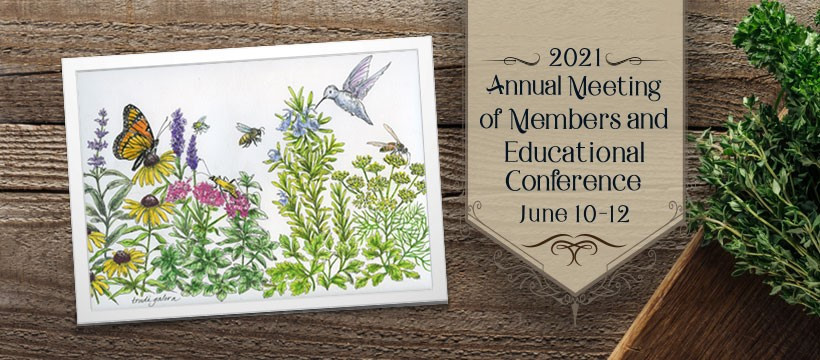
Registration is now open for The Herb Society of America’s 2021 Virtual Educational Conference and Annual Meeting of Members (Virtual EdCon). This year, we are meeting online from June 10th – 12th and our host is Zoom. For our seasoned attendees, this is a safe way to celebrate the accomplishments of HSA award winners, recognize our new Rosemary Circle and Golden Sage Members, and enjoy educational programming in a socially distanced format. For first-time guests, our Virtual EdCon is a unique way to participate in our signature conference via a simulated experience. 

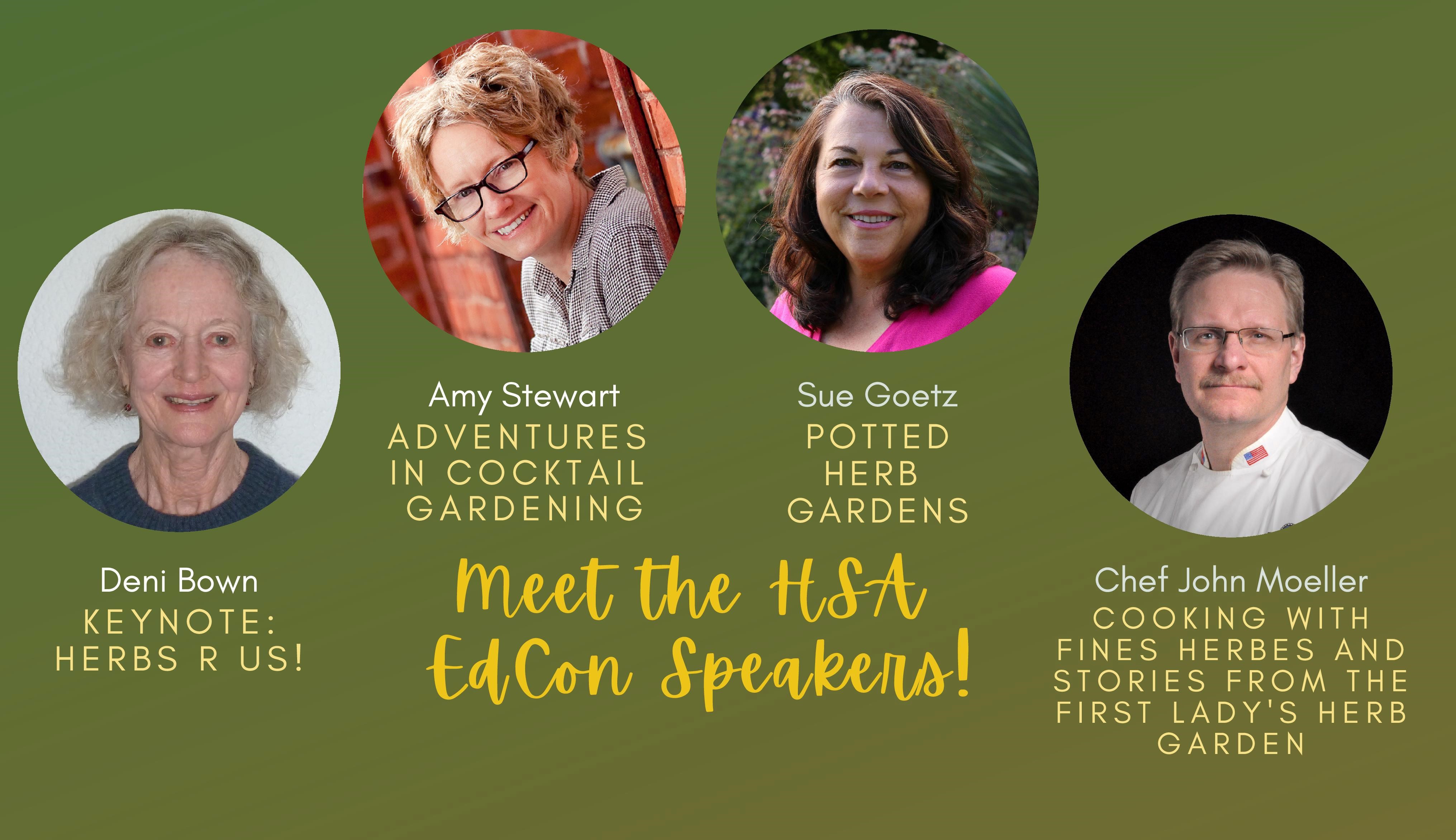
Conference Blog Image 1During our Virtual EdCon, you will have the opportunity to enjoy nine outstanding programs featuring presenters from all parts of the country and beyond. Notable HSA member, Deni Bown, joins us from Spain to kick off the educational programming portion of the conference with a keynote titled “Herbs R Us.” Don Haynie, a returning…
View original post 196 more words

HSA Webinar: Exploration of Spice

The Herb Society of America's avatarThe Herb Society of America Blog

Sponsored by The New York Unit
by Jen Munson, HSA Education Chair

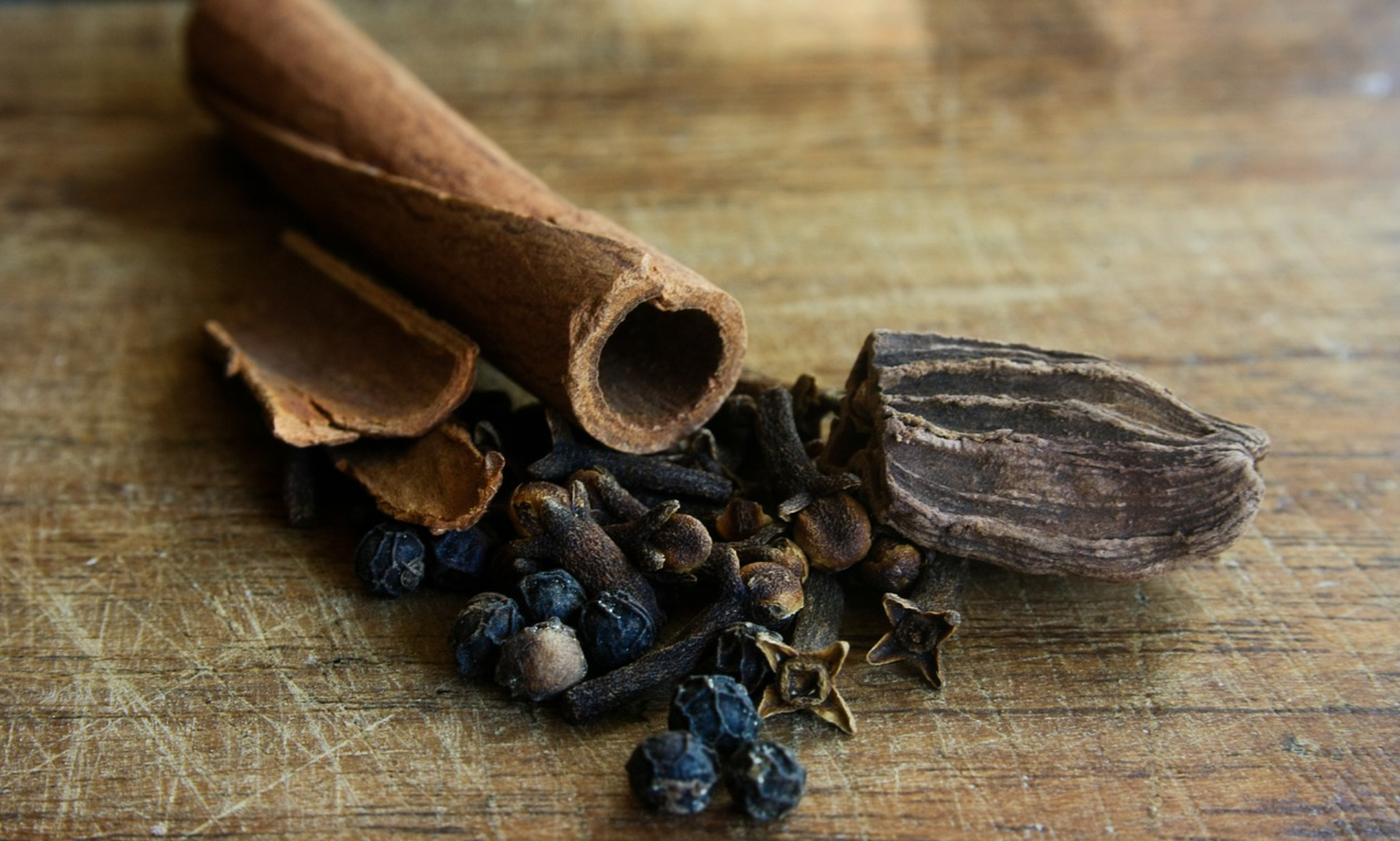
spice imageThe Herb Society embraces spices as herbs, but what distinguishes an herb from a spice? An herb is the leafy part of a plant, whereas a spice is the “hard” part. So, herbs might include oregano, sage, rosemary, sorrel, and basil, to name a few. Spices, on the other hand, include the bark, root, or seed…think of cinnamon, black pepper, cloves, and nutmeg. Notable exceptions to the herb vs. spice conversation are coriander and dill. Coriander and dill seed are the seeds of the cilantro and dill plants, respectively. 

While herbs take the culinary spotlight for delivering immense flavor to our food, spices often get relegated to fall holidays when cinnamon, allspice, and other favorite spices get used. However, spices can be enjoyed year-round to ramp up the flavor in food. To learn more, join us on Tuesday…

View original post 472 more words

Sacred Trees in the Americas – The Magic, Medicine, and Uses of the Tulip Poplar (Liriodendron tulipifera)

Dana's avatarThe Druid's Garden

One of the most majestic experiences you can have with trees is being surrounded by old-growth Tulip Poplar trees.  Tulips grow extraordinarily tall and straight, with thick gray trunks and spreading roots. You feel like you are in a cathedral, standing under these magnificent trees. The tulip trees get their name both from the leaves–which are shaped like a tulip and from their flowers–beautiful, large, showy orange and yellow flowers that look just like a tulip. You can find these trees easily in June as the showy tulip leaves begin to drop to the forest floor. They are also easy to spot in the winter–you can look up and see the remains of the tulip flowers, gone to seed, throughout the winter months–they look like little cups reaching up to the heavens, a beautiful sight.

We have one such grove of tulip trees in a local park near here–a local…

View original post 2,603 more words

Foraging Wild Mushrooms — Online Course Enrollment Opens Monday

Greetings,

The spring mushroom season is well underway for many of us, and although morels have called it quits in more than a few parts of the country, plenty of additional edible mushrooms will faithfully appear over the next several months.

In anticipation of the late spring/early summer mushroom season, I’m excited to announce that registration for my online course will open on Monday, May 17th.

Foraging Wild Mushrooms is a four-season course designed to help you confidently and successfully forage wild mushrooms.  This course is presented entirely online and it features over 70 exclusive videos that cover all the essentials for beginner-level mushroom hunters, including mushroom ecology; mushroom biology; common edible mushrooms; medicinal mushrooms; poisonous mushrooms; cooking techniques; medicine-making; and more.

Registration for Foraging Wild Mushrooms will be open for one week only, from midnight on May 17th to Monday, May 24th.  After May 24th, registration will be closed.

Upon registration, you can watch the videos at your own pace and you will have access to the course forever.

If you are interested in signing up for Foraging Wild Mushrooms, mark your calendar for Monday, May 17th and visit this link.  All additional information — including course outline and tuition — will be posted on Monday.

I look forward to seeing you on Monday!
-Adam Haritan

Free Webinar: Equity and Wild-Harvested Plants Co-Hosted by the FairWild Foundation – American Botanical Council

Crooked Bear Creek Organic Herbs's avatarCrooked Bear Creek Organic Herbs

We are happy to announce the next webinar in the Sustainable Herbs Program (SHP) Toolkit Webinar Series: Equity and Wild-Harvested Plants: Building Mutually Beneficial Relationships.

This webinar will discuss what it takes to create and maintain mutually beneficial long term trade relations among those wild-harvesting plants for the global supply network, including equitable sharing of the costs of sustainable production. The speakers will talk about what these trade relationships entail, the responsibilities of buyers, and the role of standards and certifications like FairWild.

Speakers include: Marin Anastasov, Sourcing Manager at Pukka Herbs; Peter Rangus, Business Development Manager of Arxfarm, Slovenia; and Bryony Morgan, Executive Officer of the FairWild Foundation. Guest discussants include: Krystyna Swiderska, Principal Researcher in IIED’s Natural Resources Group, and Elizabeth Bennett, Associate Professor of International Affairs, Lewis & Clark College.

Equity and Wild-Harvested Plants: Building Mutually Beneficial Relationships
Thursday, May 20…

View original post 29 more words

Moonthly Lunar Report | New Moon in Taurus: Entering the Honey Moon Cycle

Moonthly Lunar Report | New Moon in Taurus: Entering the Honey Moon Cycle

Happy New Moon!

We are entering the Honey Moon Cycle. Spring is continuing to unfold here in the northern hemisphere.

We experience the first Lunar Eclipse of the year this month too. We also experience a both Saturn and Mercury retrogrades during this cycle. This can make for a tumultuous month!

Eclipses and retrogrades always have a way of shaking things up to help us better see how we can reach our goals.

Love and romance is front and center this week as Venus enters Gemini on the 9th. You may be feeling more flirty and ready to date or just explore your sexuality and sensuality. Be curious and allow Venus and your heart to guide you.

This New Moon in Taurus on May 11th is a great time to set intentions around self-love and anything you want to invoke in your relationships or dating life. This can further bring in a harmonious flow in your relationships.

The Honey Moon cycle is very common for marriages and kindling romance so allow this cycle to open your heart to new depths and connections in your relationships and be open to any new ones that come along your way. 

Read full article at: Spirit de la Lune ~ New Moon in Taurus | Entering the Honey Moon Cycle

HSA Special Program: Foodscaping with Herbs

The Herb Society of America's avatarThe Herb Society of America Blog

by Jen Munson, HSA Education Chair

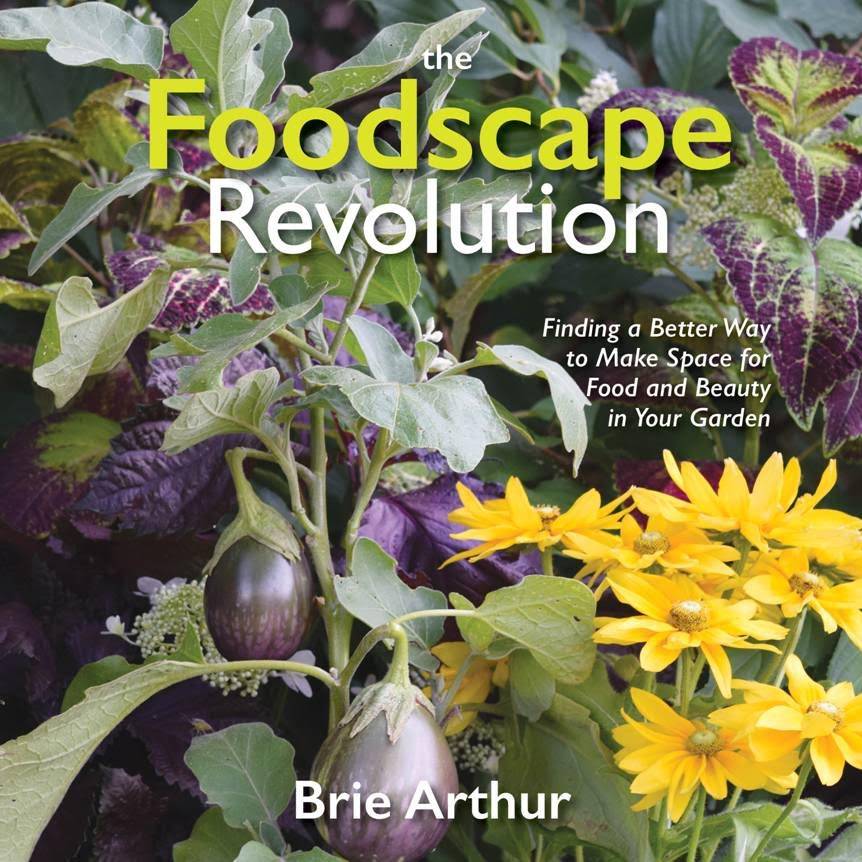
image-assetFoodscaping–it’s so simplistic. In its most basic form, it is landscaping with an edible twist. It’s the intersection of the purely ornamental garden with the purely edible or vegetable garden. Herbs, vegetables, berry-producing bushes, and fruit trees intertwine with ornamentals to become design elements. 
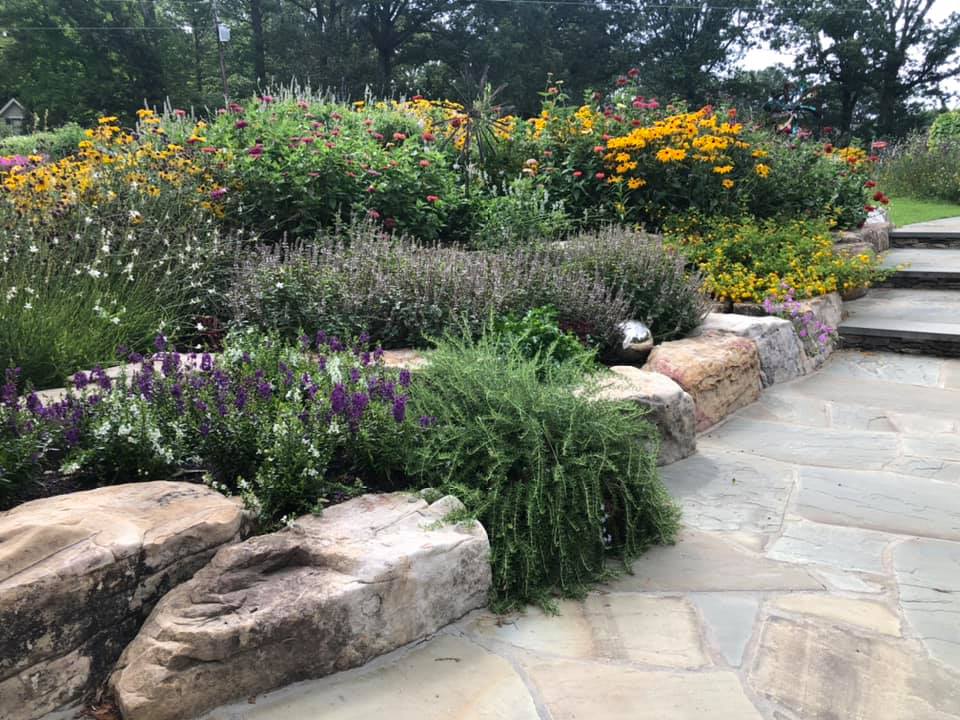
Join us for Foodscaping with Herbs with bestselling author Brie Arthur on Friday, May 14th from 12pm to 1:30pm ET. Brie will share creative ideas about foodscaping with herbs in this lively, virtual session. Lemongrass suddenly becomes a replacement for other tall grasses, providing beauty and enjoyment. Blend Thai basil with lemon basil for a stunning border. Use chives and garlic for structure and as natural pest deterrents. Discover how to plant beautiful and bountiful designs for year-round use, and learn easy-to-apply strategies to deter browsing mammals, including voles!

Brie Arthur - 2Food in our landscapes is not new. Cottage gardens and the…

View original post 309 more words