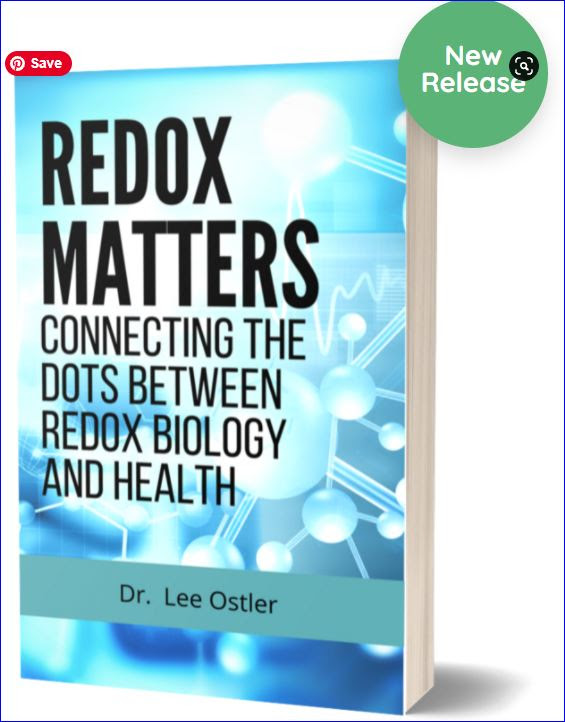
DID YOU KNOW that Dr. Lee Ostler has just published a critically important book?
We are so excited about this 358-page thorough introduction to and overview of Redox Biology, including foundational redox principles, redox signaling molecules and the science behind them, and practical redox applications regarding health and disease.
“Dr. Ostler has hit the sweet spot of explaining the science of redox to both health professionals and the science-aware public. There are many in both categories who will embrace this book with the same enthusiasm as I have.”~ Dick Walker MD
Go to https://redoxmatters.com/ for a book summary and for ordering Redox Matters: Connecting the Dots Between Redox Biology and Health. You will find a link for placing your order where you can also view the table of contents!
DR. LEE OSTLER received a bachelor’s degree in Biology/Zoology with an emphasis in biochemistry and physiology. He earned a Doctor of Dental Surgery degree and also received training in Advanced Dental Studies. He is a founding member, past President, and executive board member of the American Academy for Oral Systemic Health, an international organization focusing on co-management of oral-systemic healthcare for health professionals. He is the founder and program chair for the Eastern Washington Medical-Dental Summit, an annual gathering of physicians, dentists, and allied health professionals, and is the author of several books.


 I am writing this on the evening of the full harvest moon—it is shining bright in the night sky just over the treetops. We are also celebrating the Autumnal Equinox. I know that fall is here by the feeling in the air—cooler nights—and needing to grab that extra blanket; the smells are different—moist, earthy, and leafy; the departure of the hummingbirds since the jewelweed blooms are fading; the slowing down of plant growth in the garden and the ripening of others—herbs are maturing, flowers are showing off their last hurrahs, and many plants are producing seeds. It is time for gathering the bounty and celebrating the harvest!


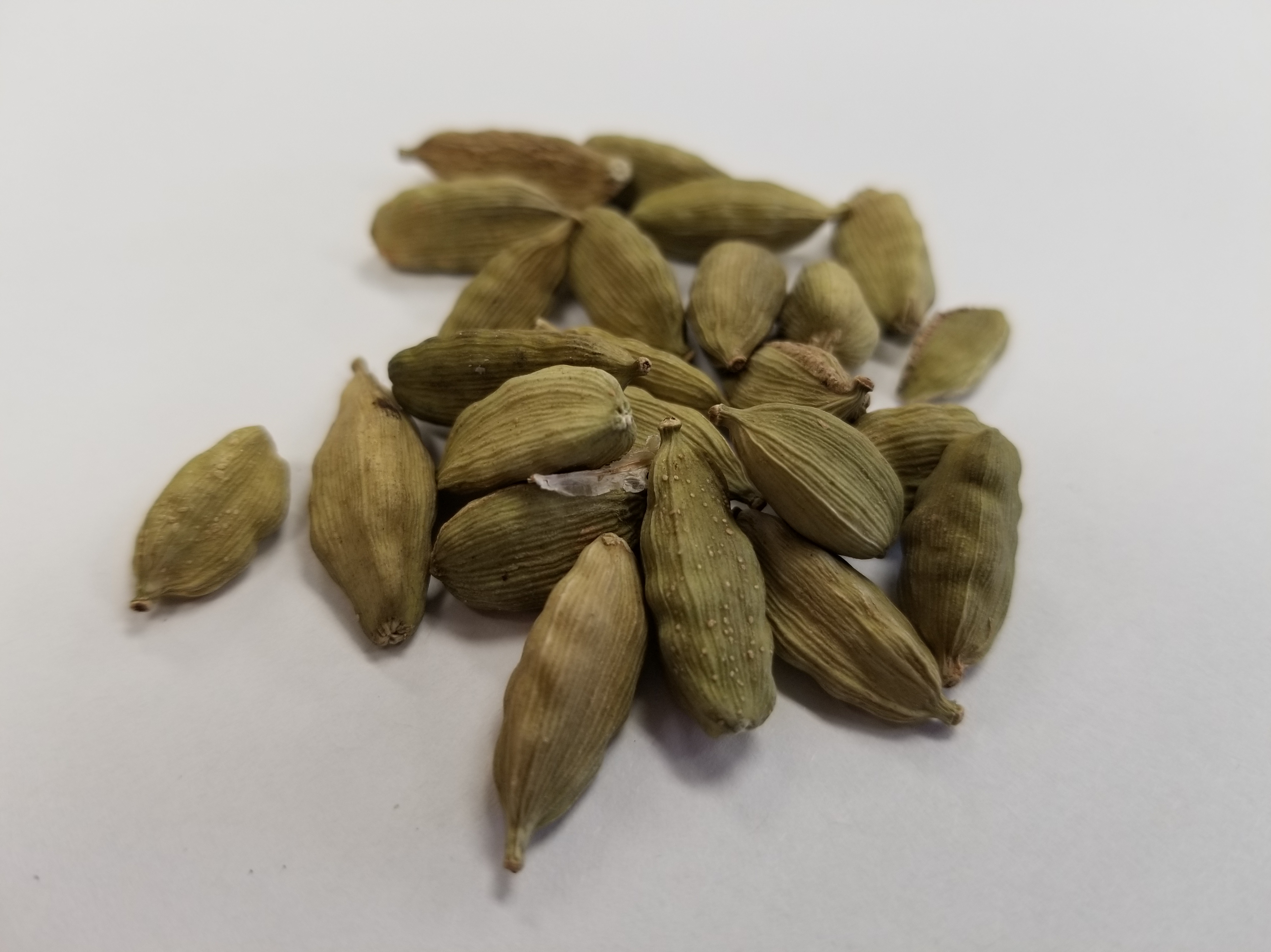 I had what seemed like a simple question: How and why did cardamom, the spice native to southern India, become such an essential and beloved baking spice in snowy Scandinavia? I have Swedish ancestry, and absolutely love cardamom bread and other baked goods made with cardamom. In Scandinavian culture, cardamom often represents comfort and home and family and holiday treats–similar to how we in the U.S. view cinnamon, perhaps. (Of course, cinnamon is also of South Asian origin!) I started with some hazy knowledge of the history of the spice trade–that cinnamon, cardamom, nutmeg, cloves, pepper, and ginger spread throughout the world from their places of origin via complex trade routes over the course of many centuries, contributing to the rise and fall of various empires and economies. But I was curious why cardamom, in particular, took root in Scandinavia of all places. Researching that question took…



You must be logged in to post a comment.