I am writing this on the evening of the full harvest moon—it is shining bright in the night sky just over the treetops. We are also celebrating the Autumnal Equinox. I know that fall is here by the feeling in the air—cooler nights—and needing to grab that extra blanket; the smells are different—moist, earthy, and leafy; the departure of the hummingbirds since the jewelweed blooms are fading; the slowing down of plant growth in the garden and the ripening of others—herbs are maturing, flowers are showing off their last hurrahs, and many plants are producing seeds. It is time for gathering the bounty and celebrating the harvest!
I am simply delighted to share some news with you. Last harvest season, I made three educational videos featuring “Gathering and Preserving the Herbal Bounty” for members of The Herb Society of America.
We have officially entered the Autumn season here in the Northern Hemisphere. The days are getting shorter and colder as the earth turns more and more towards her darker months.
This New Moon welcomes in the Blood Moon cycles; a time honoring the rebirth that takes place during and after the darkest times.
This new cycle could feel a bit intense, but we will begin to feel some of the stagnant energy move forward as many of the 6 planets that have been retrograde begin to station direct.
This and the New Moon make for a potent time to create clear intentions that can help you move forward as well.
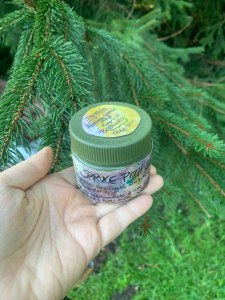
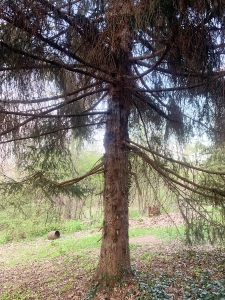
Since moving to our new homestead a few years ago, I’ve been working to build a local material medica–that is, learning about all of the medicinal plants, herbs, and trees here on our 5-acre property. This also, of course, means growing a lot of my own herbs but also learning everything I can about the uses of the plants/trees already present on the land. This post is a follow-up to my Spruce post from a little while ago to share some primary ways of working with spruce: A Spruce Resin Salve (also known as a Spruce Gum and Spruce Resin salve) with bonus fire-starters from the process!
Many conifers produce a tarry, sticky resin or sap that has a range of uses: as a binding agent or glue, as a medicine, as gum you can chew, as incense, as a fire-starting tool, as a waterproofing agent…
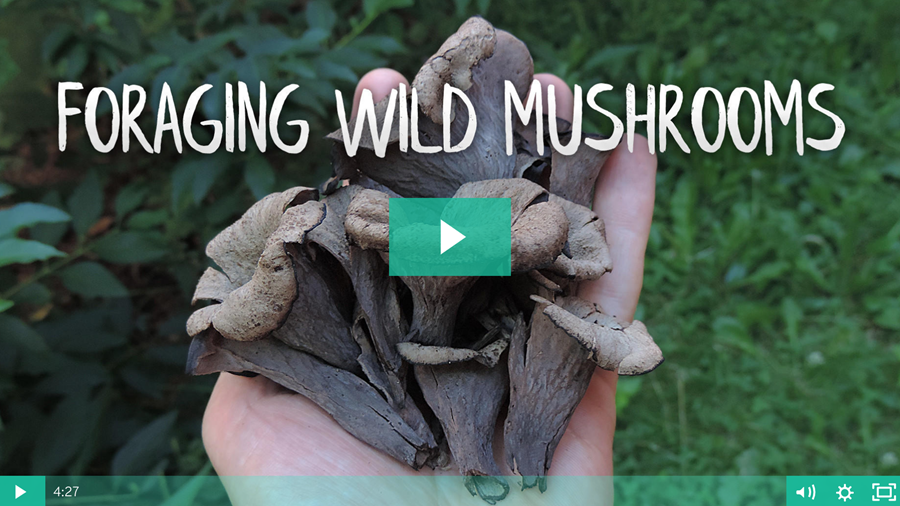
Before I share a brand new video with you, I want to provide a reminder that today — Tuesday, September 28th— is the last day to register for Foraging Wild Mushrooms.
After today, registration will be closed for the season. If you want to learn the skills involved in safely and successfully harvesting wild mushrooms with confidence, Foraging Wild Mushrooms can help you achieve that goal.
The best mushroom books aren’t always mushroom-related.
Take the Tao Te Ching, for instance. This piece of Chinese philosophical literature was written approximately 2,500 years ago. The word “mushroom” is not mentioned anywhere in the text, but the Tao Te Ching might be one of the best mushroom books I have ever read.
To see what I mean, let’s look at a few words from verse 47.
“The world may be known without leaving the house… The further you go, the less you know.”
How does this apply to mushrooms?
Replace world with mushrooms, and we soon realize that we do not have to travel too far to understand the fungal kingdom.
Tropical jungles, alpine bogs, and distant countries might seem like they have what a mushroom hunter needs. But that’s almost never entirely true. If we haven’t learned as much as a human is capable of learning at home, then we have work to do… at home.
In other words, if we have not learned the mushrooms that grow in our yards, then it might be a good idea to focus on those particular mushrooms before leaving the house (to use the Taoists’ words).
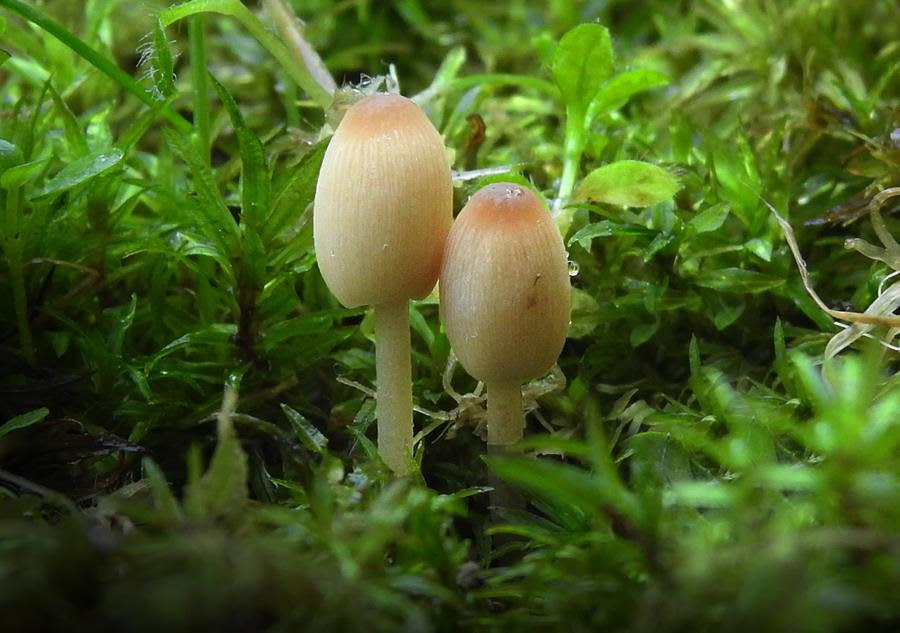
To inspire you to do this kind of work, I filmed a video that focuses only on yard-dwelling mushrooms. Some of the mushrooms grow in the grass. Others grow in your flower beds. All of the mushrooms can be found at home.
I had what seemed like a simple question: How and why did cardamom, the spice native to southern India, become such an essential and beloved baking spice in snowy Scandinavia? I have Swedish ancestry, and absolutely love cardamom bread and other baked goods made with cardamom. In Scandinavian culture, cardamom often represents comfort and home and family and holiday treats–similar to how we in the U.S. view cinnamon, perhaps. (Of course, cinnamon is also of South Asian origin!) I started with some hazy knowledge of the history of the spice trade–that cinnamon, cardamom, nutmeg, cloves, pepper, and ginger spread throughout the world from their places of origin via complex trade routes over the course of many centuries, contributing to the rise and fall of various empires and economies. But I was curious why cardamom, in particular, took root in Scandinavia of all places. Researching that question took…
A shrine for the spirits of nature in a new outdoor kitchen area
Druids revere all nature as sacred–but what happens when you need to weed your garden? What happens when you need to clear a new area for a project where lots of things are growing? Is there a way to clear plants or trees honorably and with reverence? In fact, there certainly is! In today’s post, I’ll walk through some simple suggestions for how to weed and clear plants respectfully and with reverence. This is all part of my philosophy of Sacred Action, or bringing earth-honoring, care-oriented activities into our every day life (if you are interested in this concept, check out my Sacred Actions book!). This is part of what sacred gardening, creating a true Druid’s garden, is all about!
Our big project this year was starting to build an wood-fired, naturally built outdoor kitchen with…
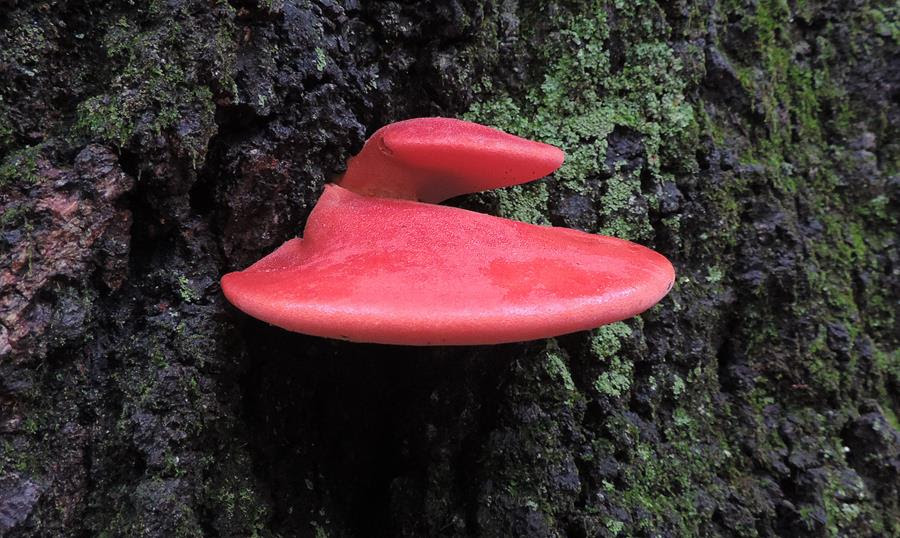
Over the next few weeks, a strange wild mushroom will appear from the trunks of oaks and other deciduous trees.
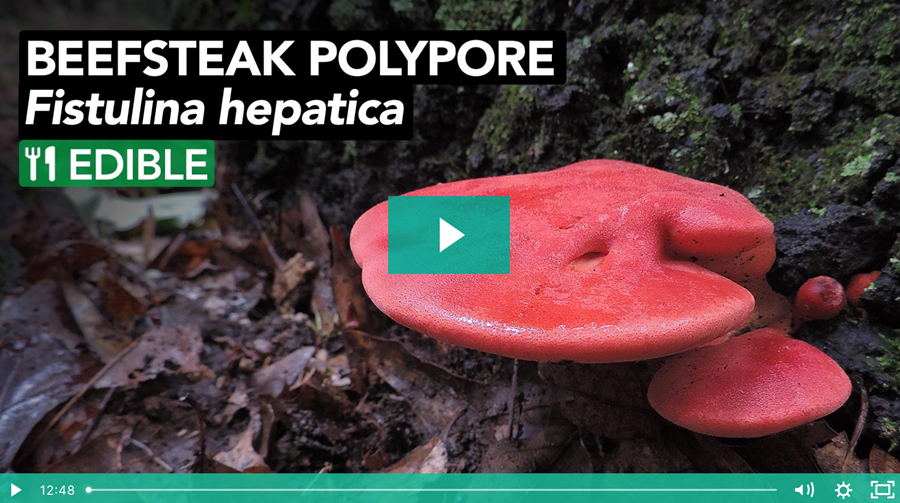
At first glance, this fungus resembles a scarlet-colored spaceship. Upon closer inspection, and especially upon internal inspection, this mushroom literally looks like raw meat. Its taste — a bit sour, a bit mushroomy — is reminiscent of a tangy portobello mushroom.
The Beefsteak Polypore is a mushroom unlike any other. In some parts of Europe, this species is considered to be rare. Here in North America, summer and autumn sightings of the Beefsteak Polypore aren’t infrequent, though they’re not incredibly common either.
Needless to say, the Beefsteak Polypore is one mushroom worth adding to your must-see list of 2021.
This video is one of over 80 exclusive videos featured in Foraging Wild Mushrooms — a four-season online course designed to help you confidently and successfully forage wild mushrooms.
Registration for Foraging Wild Mushrooms is open until Tuesday, September 28th. After that, registration will be closed.
There’s no shortage of reasons to explore the woods these days, though if you feel like you need some inspiration, consider at least two motivating factors that mushrooms offer:
Nutritious wild food
Nature connection
In anticipation and celebration of the autumn mushroom season, I’m excited to announce that Foraging Wild Mushrooms is currently open for enrollment.
This 4-season online course is designed to help you safely, successfully, and confidently forage wild mushrooms from the forest, from the field, and even from your own backyard.
Whether you’re interested in foraging for food, for medicine, for study, or just for fun, Foraging Wild Mushrooms covers the most important lessons to get you started.
In addition to over 80 step-by-step exclusive and instructional videos included within the course, you’ll also receive:
Supplemental handouts covering mushroom anatomy, terminology, and biology that you can download and print for easy viewing.
A 42-page guide to medicinal mushrooms that summarizes the latest research on the most popular medicinal fungi with over 75 peer-reviewed references.
Immediate and lifetime access to all materials.
Please note that enrollment for Foraging Wild Mushrooms is open for one week only — from today until Tuesday, September 28th. After that, enrollment will be closed for the season.
As is the case with all enrollment periods, a portion of all proceeds derived from course sales will be used for land conservation.
To learn more about the course, check out this video which gives an overview of what you can expect.
Thank you, as always, for your continued support! —Adam Haritan
Oh my, it is almost the Autumn Equinox! This means it’s time to share this rustic Crabapple Galette inspired by the Great Mother goddess Modron and the great Fairy Queen Morgan Le Fay. Crabapples and berries have long played a role in the magical lore of the Second Harvest or Mabon. (You can learn more…
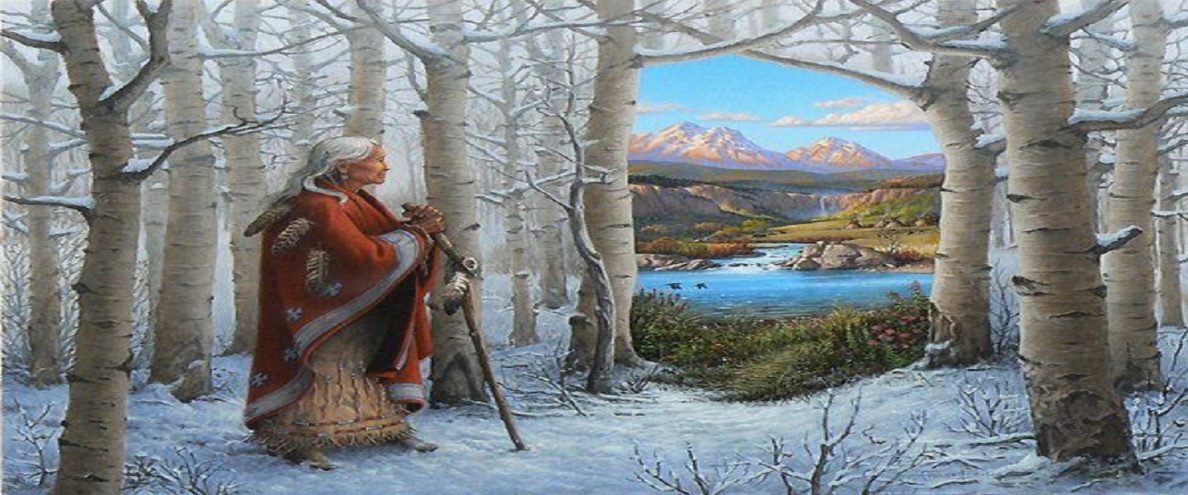

 I am writing this on the evening of the full harvest moon—it is shining bright in the night sky just over the treetops. We are also celebrating the Autumnal Equinox. I know that fall is here by the feeling in the air—cooler nights—and needing to grab that extra blanket; the smells are different—moist, earthy, and leafy; the departure of the hummingbirds since the jewelweed blooms are fading; the slowing down of plant growth in the garden and the ripening of others—herbs are maturing, flowers are showing off their last hurrahs, and many plants are producing seeds. It is time for gathering the bounty and celebrating the harvest!



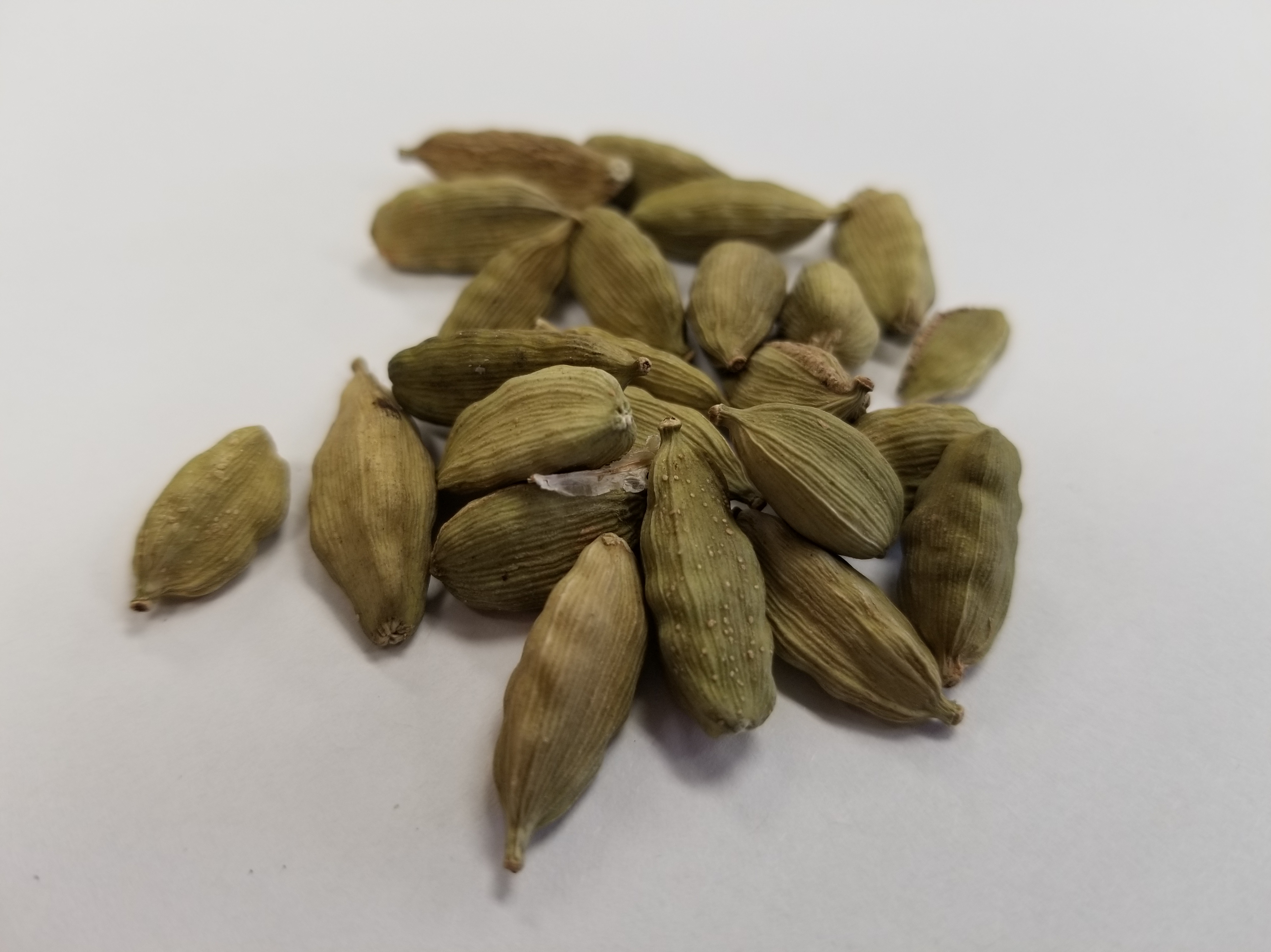 I had what seemed like a simple question: How and why did cardamom, the spice native to southern India, become such an essential and beloved baking spice in snowy Scandinavia? I have Swedish ancestry, and absolutely love cardamom bread and other baked goods made with cardamom. In Scandinavian culture, cardamom often represents comfort and home and family and holiday treats–similar to how we in the U.S. view cinnamon, perhaps. (Of course, cinnamon is also of South Asian origin!) I started with some hazy knowledge of the history of the spice trade–that cinnamon, cardamom, nutmeg, cloves, pepper, and ginger spread throughout the world from their places of origin via complex trade routes over the course of many centuries, contributing to the rise and fall of various empires and economies. But I was curious why cardamom, in particular, took root in Scandinavia of all places. Researching that question took…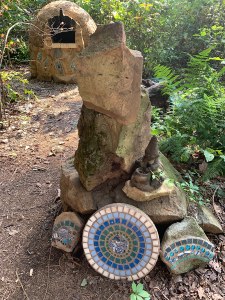


 Paths I Walk
You must be logged in to post a comment.