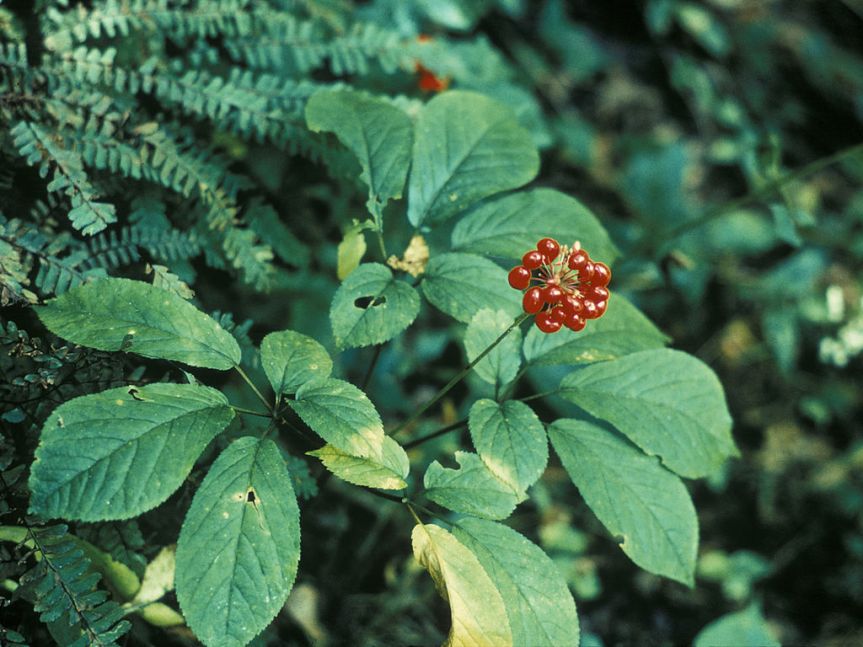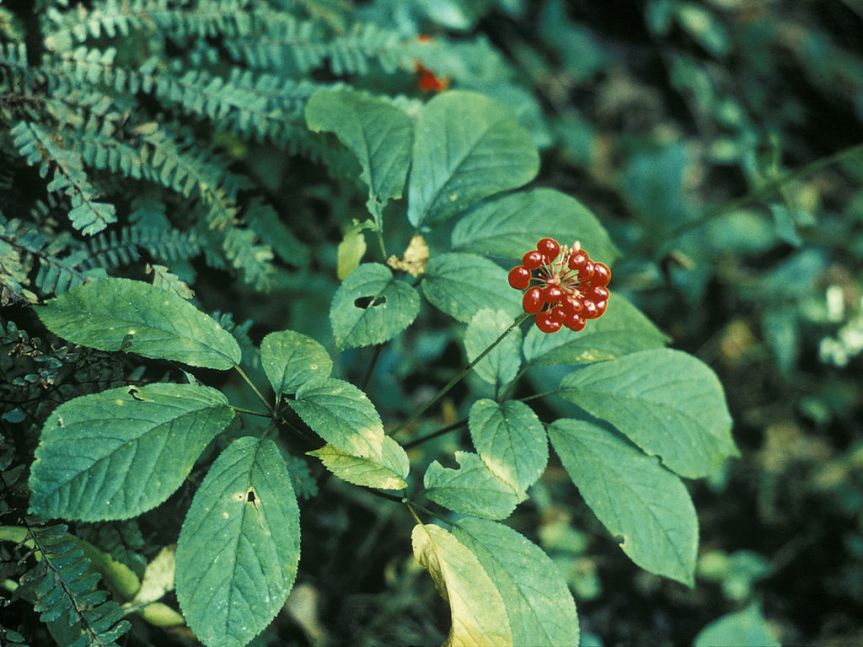
Ozark Encyclopedia – G – Ginseng

Giants
12 Potential Health Benefits Of Eleuthero
Crooked Bear Creek Organic Herbs
Sometimes known as Siberian ginseng, eleuthero is native to Japan, northern China, southeastern Russia, South Korea, and North Korea.
What is Eleuthero?
There is evidence that eleuthero was first used as an herbal remedy in China some 2,000 years ago.
The plant is mostly used in traditional medicines as an adaptogen, a compound that helps the body better handle and adapt to stress. Eleuthero also acts as a stimulant, increasing nervous system function.
Although they have similar benefits and usages, eleuthero (Eleutherococcus senticosus and Acanthopanax senticosus) is not related to American ginseng (Panax quinquefolius) or true ginseng (Panax ginseng.)
12 potential health benefits
Eleuthero bears fruit that can be eaten raw.In traditional and herbal medicines, eleuthero is used to treat dozens of different health conditions.
However…
View original post 974 more words
Ozark Encyclopedia – F – Flax

Living Magically
Call to action: Bipartisan House amendment would restore wild horse protections
Straight from the Horse's Heart
CALL TO ACTION
We have some good news today from Return to Freedom, but this is also a CALL TO ACTION for all of you: Call your Congressional Representatives in the House and ask them to support this House Amendment. We join Return to Freedom in thanking Reps. Diana Titus, D-Nevada, Peter King, R-New York and Jared Polis, D-Colorado. Our thanks to Neda DeMayo and Return to Freedom on their work. – Debbie
SOURCE: Return to Freedom

A BLM contractor’s helicopter pursues wild horses during the fall 2016 Owyhee Complex roundup in Nevada. RTF file photo by Steve Paige.
Bipartisan House amendment would restore wild horse protections
Reps. Diana Titus, D-Nevada, Peter King, R-New York, and Jared Polis, D-Colorado, on Thursday filed an amendment to the Interior Appropriations bill that would restore protections for wild horses and burros. It comes in response to the July 19 passage…
View original post 39 more words
WHAT IS CHROMA/COLOR THERAPY?
Color therapy, also known as Chromatherapy, is a Complementary and Alternative Medicine (CAM) technique. A trained color therapist is able to use color and light to balance energy wherever our bodies are lacking – whether physical, emotional, mental or spiritual.
Chromotherapists state that colors bring about emotional reactions in people. A standard method of diagnosis is the use of Luscher’s color test, developed in the early 1900s by Dr. Max Luscher. The Luscher-Color-Diagnostic® measures a person’s psychophysical state, and their ability to withstand stress, to perform, and to communicate. The diagnostic is used to uncover the cause of psychological stress, which can lead to physical symptoms.
Findings suggest that color and light have been utilized by healers since the beginning of recorded time. Color therapy possibly has roots in Ayurveda, an ancient form of Indian medicine practiced for thousands of years. Other historic roots are linked to ancient Egyptian culture…
View original post 763 more words
Sacred Tree Profile: Sassafras’ Medicine, Magic, Mythology and Meaning
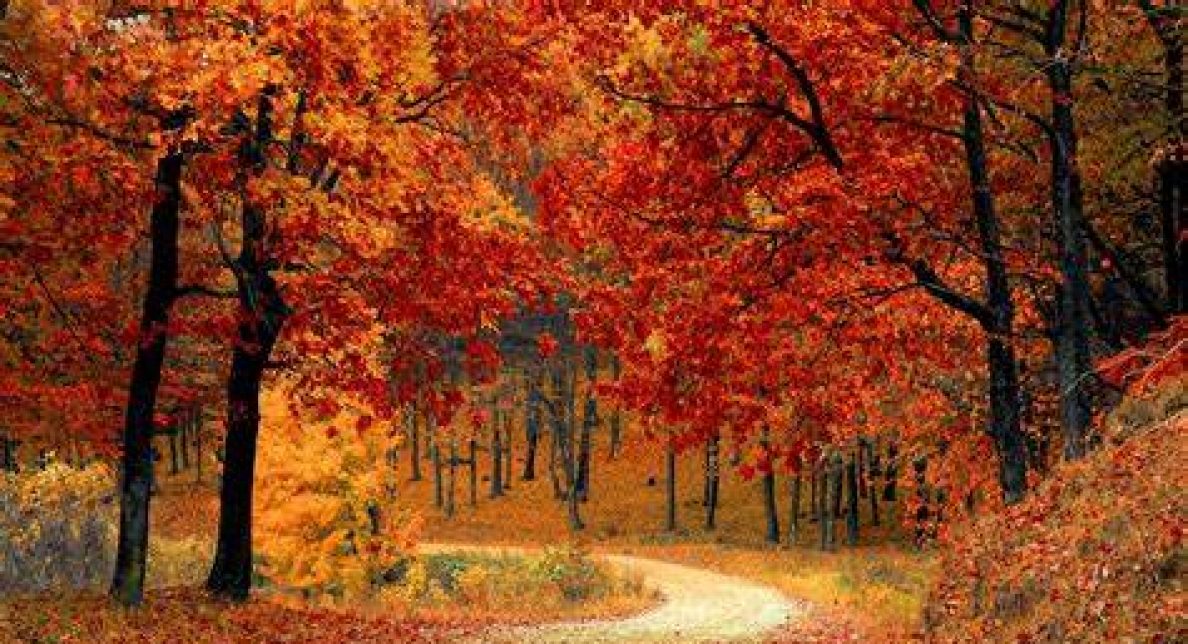
The fall months are coming and the leaves here are just beginning to turn. Apples are starting to ripen, nuts are starting to fall. And with a quiet walk through the fall woods, you might be lucky enough to see a sassafras (sassafras albidum) in her fall splendor. She will be decked head to toe in yellow, orange, red, purple, and magenta; an old sassafras tree in full fall foliage is certainly a sight to behold. With her wavy trunk and twisted branches, Sassafras makes no apologies about her ability to stand from the crowd. Her four variable leaf patterns (mittens (right or left), single leaves, double mittens) help show her flexibility and charm. While Sassafras is not present in the traditional Ogham or other Western Magical Traditions as she is distinctly an American magical tree, she is a powerful tree with much to offer us.
View original post 3,357 more words
Druid Tree Workings: Working with Trees in Urban Settings
Maples growing up through grate–been there for years!
I walk down the sidewalk of a street in the small town that I call home. As I journey, I see a crabapple friend with ripening fruit, her leaves rustling in the gentle breeze. I reach out to her, and tell her I look forward to harvesting some in the fall. She is pleased, as her fruit is largely ignored, and delighted that I will return. I see others along my walk: horse chestnuts, lindens, mulberries, serviceberries, balsam poplars–many trees that are different species from the forests where I often tread. Finally, I walk across a grate and wave to the maples growing up from below, in the four foot space below the grate and the drainage channel and into someone’s driveway. These urban trees are often shaped by humans in ways forests are not: an odd growth habit becuase of pruning…
View original post 3,587 more words


You must be logged in to post a comment.