
This Wild Mushroom Is No Longer Recommended For Eating

Greetings!

With only a handful of weeks left in 2018, I’m hitting the road one last time this year to offer a few exciting events.  During these programs, I’ll be discussing the bounty of mushrooms and other foods associated with one of my favorite groups of trees:  oaks!  Here’s the current schedule:

November 5, Clemson, SC: South Carolina Upstate Mycological Society
November 7, Atlanta, GA: Mushroom Club of Georgia
November 12, Slippery Rock, PA: Bartramian Audubon Society

For more information on these events, check out the Learn Your Land event calendar.

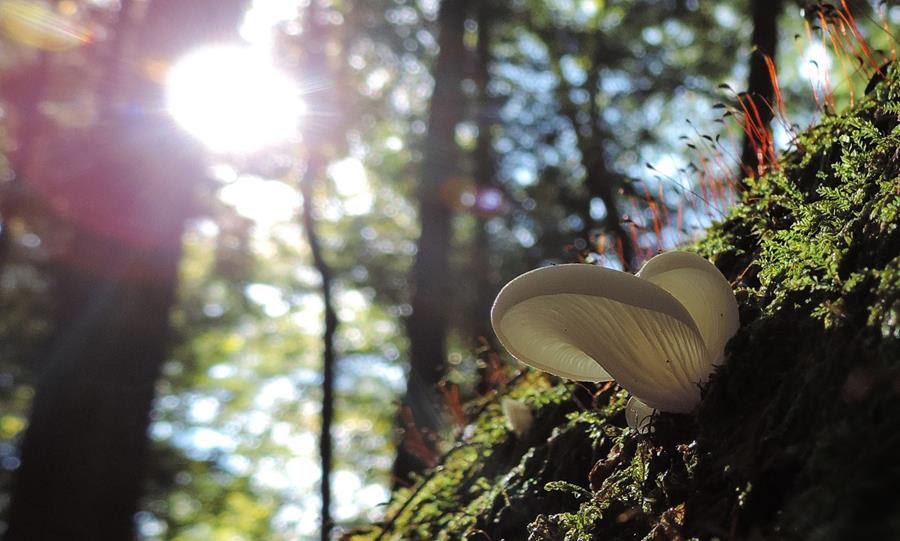
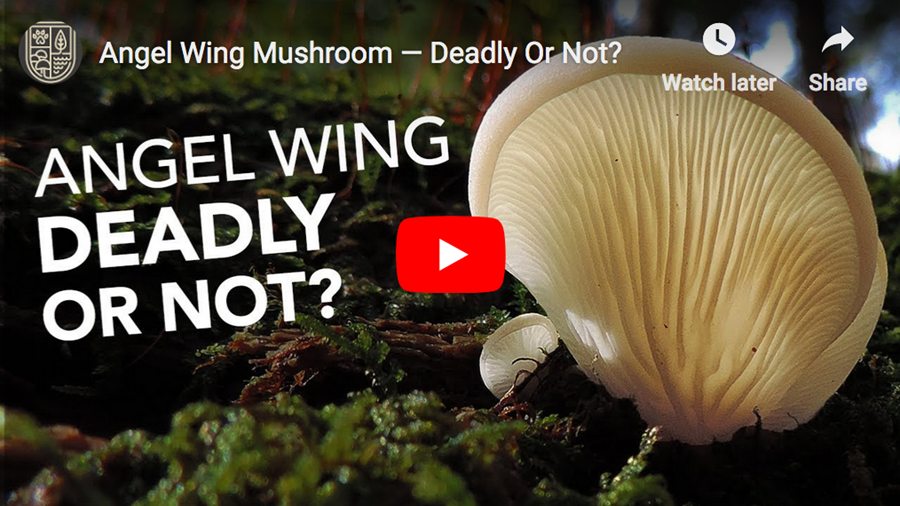
Moving forward, let’s talk about the Angel Wing (Pleurocybella porrigens).

In older field guides, this fungus — which looks a lot like a small oyster mushroom — is listed as edible and good.  In more recent guides, this mushroom is accompanied by the warning:  not recommended for eating.  And according to many credible sources today, the Angel Wing is considered poisonous.

And not just mildly toxic, but deadly poisonous.

So how did it happen?  How does a mushroom go from being “edible and good” to “poisonous?”

Well, that’s the topic of today’s brand new video.  In it, I discuss the controversy associated with a species once widely touted as an edible mushroom.  Check it out!
 

I missed the opportunity to photograph this tiny green mushroom back in June, hoping that it would reappear during a more favorable moment in the future. Fortunately, it did… and I was able to spend a few precious minutes with this little green slimer last week.  Check out this recent Instagram post to hear more of the story!

Thanks for reading and watching, and as always, thank you for your support!

-Adam Haritan

Sticky Toffee Acorn Bundt Cake: Nutty, Sweet & Nutritious — Gather Victoria

This moist, dense and gooey Sticky Toffee Acorn Cake was made from acorns harvested from my neighbourhood. And despite the nearly full day it took to create (from harvesting, shelling, leaching, roasting and grinding – to the actual baking) it was well worth the effort! It took first prize in a most wonderful old-fashioned community harvest…

via Sticky Toffee Acorn Bundt Cake: Nutty, Sweet & Nutritious — Gather Victoria

Here Are 16 Wild Mushrooms You Can Forage This Autumn

Greetings!

I’d like to say “thank you!” to everyone who registered for (and inquired about!) the upcoming Fall Flora & Fungi Outing on Saturday, October 14th at Cook Forest State Park.  The event filled to max capacity and registration is now closed.

If you’re interested in learning how to harvest and process acorns from start to finish, I’ll be demonstrating the steps involved for the Botanical Society of Western Pennsylvania on Monday, October 8th.  The topic is “Acorn History, Harvesting, & Preparation:  An Intimate Look At Pennsylvania’s Oak Trees,” and the meeting is free to the public.  If you’re interested in attending this event in Pittsburgh, click here for more information!

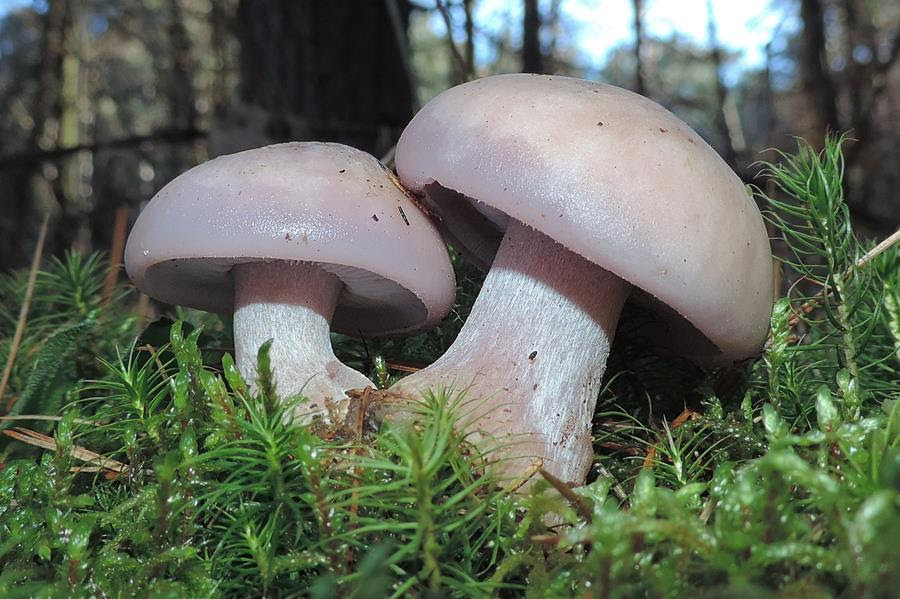
Next, let’s talk about edible mushrooms… specifically, the ones that can be harvested during the autumn season.

There are lots of them.  Perhaps more than you’d ever encounter during any other season.  Cool temperatures and ample rainfall provide the perfect conditions for fungal growth, and if you’re prepared for the bounty, you’ll never leave the woods empty handed.

In this brand new video, I cover 16 (yes… 16!) wild edible mushrooms you can forage right now.

Enjoy!

Okay… I forgot to include one mushroom.  This species makes the list at #17, and if you’re interested in learning more about an aromatic mushroom that loves hanging out in coniferous forests, check out this recent Instagram post!

Thanks for reading and watching, and as always, thank you for your support!

-Adam Haritan
Sacred Tree Profile: Apple’s Medicine, Magic, Mythology, and Meanings

Dana's avatarThe Druid's Garden

“Nothing gives more yet asks for less in return, than a tree: particularly, the apple” –Johnny Appleseed

“As the apple-tree among the trees of the wood, so is my loved one among the sons. I took my rest under his shade with great delight, and his fruit was sweet to my taste.” – The Song of Solomon

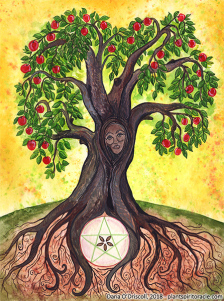
Spirit of the Apple - from the Plant Spirit Oracle (www.plantspiritoracle.com) Spirit of the Apple – from the Plant Spirit Oracle (www.plantspiritoracle.com)

All summer long, we have had so much rain and thunderstorms.  Penn Run, a small creek behind my home, once again overflowed, raising several feet for a time.  When the waters had subsided, I was delighted to find delicious wild apples lining the banks–the river had carried them to me as a blessing for this wonderful Fall Equinox!  It reminded me that I have been wanting to write of the apple–of her magic, of her folklore, and of her abundance=. And so…

View original post 2,594 more words

Fall Flora & Fungi Outing with Adam Haritan ~ New event scheduled!

Greetings!

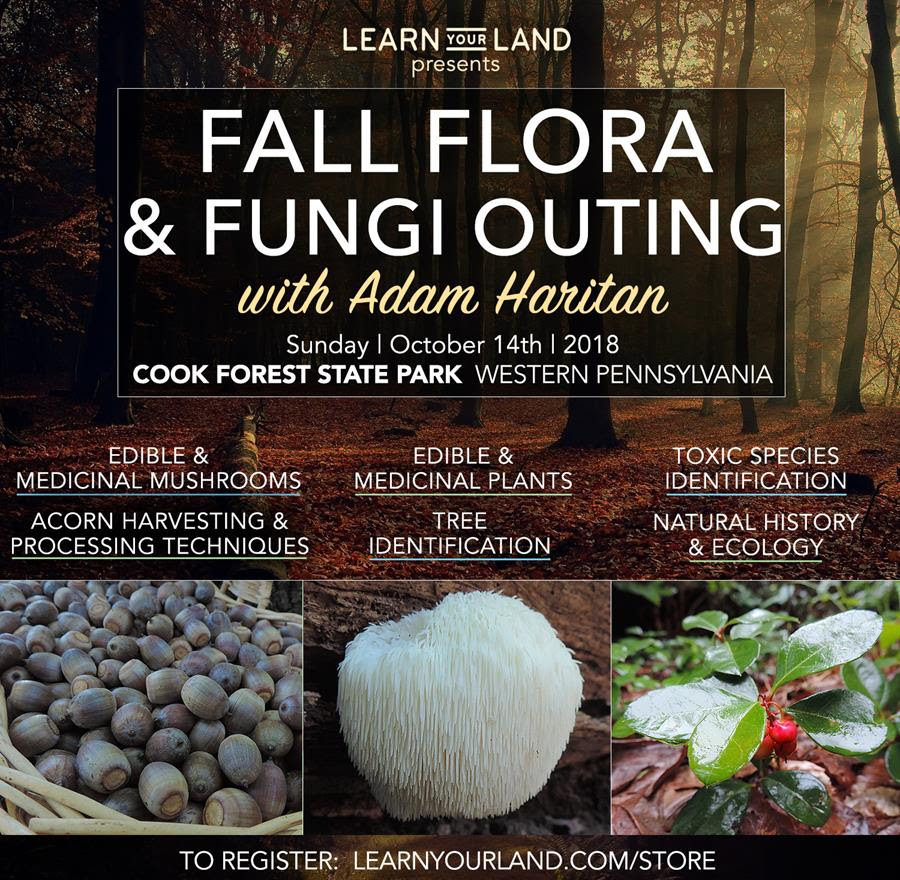
I am excited to announce that I will be leading the Fall Flora & Fungi Outing on Sunday, October 14th at Cook Forest State Park in Western Pennsylvania.  And of course, I’d love for you to join us!

Autumn is the perfect season to explore Pennsylvania’s colorful land in search of interesting and useful plants, mushrooms, and trees.  We will spend the first part of this event in a mature oak forest learning the techniques involved in harvesting and processing acorns.  This year has already proven to be a banner year for many species of oaks whose acorns have been falling incessantly in Western Pennsylvania.  Participants will learn the steps involved in turning acorns into edible, delicious flour.  We will also search the area for oak-loving mushrooms of all types.

During the second part of the event, we will visit the old growth area of Cook Forest and explore the valley in search of mushrooms.  This particular section of the park is home to some of the oldest and tallest hemlock and pine trees in the Northeast.  Participants will learn the basics of mushroom hunting, including mushroom ecology and biology, edible species, medicinal species, and poisonous species.

Throughout the day, we’ll also discuss various plants — including the edible, medicinal, and poisonous species — that inhabit the old growth forest.

Interested?  Here are more details:

What: Fall Flora & Fungi Outing with Adam Haritan
When: Sunday, October 14th, 2018
Where: Cook Forest State Park, Western Pennsylvania
Time: 9:30 AM — 4:30 PM

The program is geared toward adults and will entail moderate hiking.

Please note that in order to maximize your learning experience, space is limited and registration with payment in advance is required to secure your spot.

To purchase your ticket, and to learn more about the outing, please visit the following link.

Fall Flora & Fungi Outing with Adam Haritan

I’d love to see you there!
—Adam Haritan


Crabapple & Rosemary Hand Pies: Ancestral Offerings for Mabon — Gather Victoria

A couple of years ago, completely hidden in dark thicket of trees, I discovered a beautiful gnarled Crabapple – gleaming with clusters of hundreds & hundreds of rosy, autumn fruits. I was thrilled! I love crisp truly tart apples (which are getting harder to find) so the Crabapple fits the bill perfectly. Crabapples are the…

via Crabapple & Rosemary Hand Pies: Ancestral Offerings for Mabon — Gather Victoria

Have You Ever Eaten Milk Cap Mushrooms?

Greetings!

I’d like to tell you about wild mushrooms that ooze latex.

Known as “milk cap mushrooms,” these fungi may not seem worthy of anyone’s appetite, though they are certainly a group worth learning!

Milk cap mushrooms form important associations with various trees, and the value of these mushrooms to wildlife (specifically to animals and insects) is high.  Additionally, many milk cap mushrooms have been shown to be sources of naturally occurring rubber.

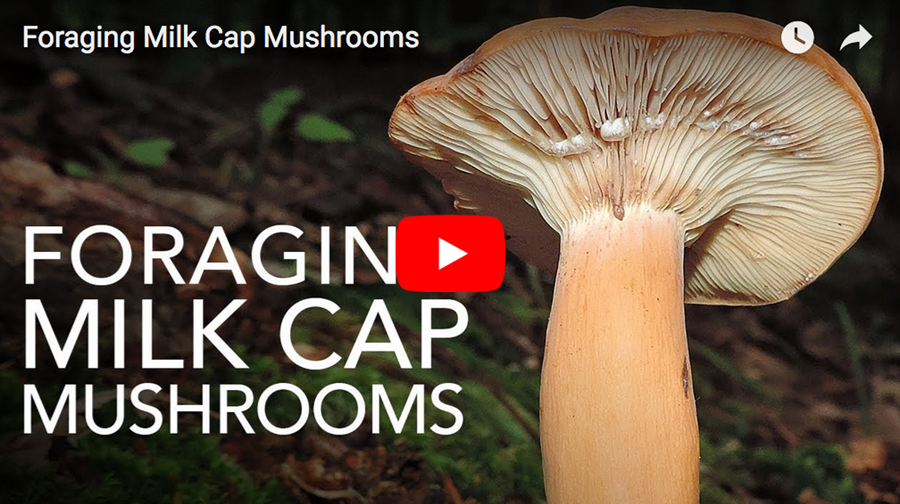
Perhaps the most exciting feature of milk cap mushrooms (at least from the mycophagist’s perspective) is that some of them are edible… and quite delicious!  Featured in this new video is a milk cap mushroom that perhaps you’ve been overlooking all these years.  If you’re interested in adding a new species to your list, check it out!

Mushrooms grow on all kinds of substrates, including trees, leaves, insects, soil… and hickory husks!  This time of year, a yellowish-orange mushroom can be seen fruiting from hickory and walnut debris.  Have you seen it?  Check out this recent Instagram post to learn more!

Thanks for reading and watching, and as always, thank you for your support!

-Adam Haritan

Food as Medicine: Stinging Nettle (Urtica dioica, Urticaceae)

Crooked Bear Creek Organic Herbs's avatarCrooked Bear Creek Organic Herbs

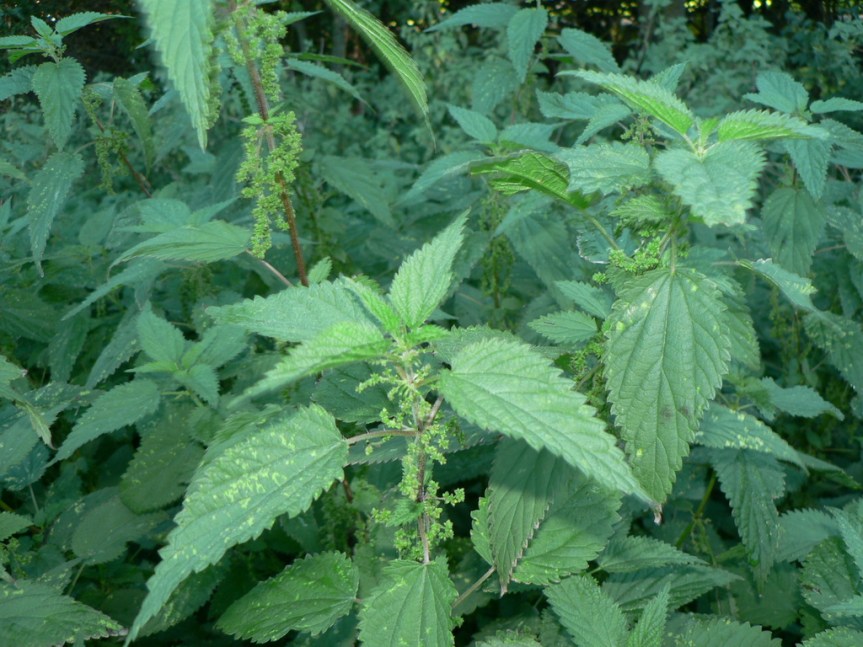
Urtica dioica (Urticaceae) is commonly known as nettle, common nettle, or stinging nettle. The species is an herbaceous perennial with a spreading growth habit. Growing 4-6 feet tall, stinging nettle produces numerous erect and wiry stems that hold up its opposite, roughly textured, serrated leaves.1-4 It produces small, inconspicuous greenish-brownish flowers that emerge as axillary inflorescences.The stems and undersides of leaves are covered with hairs called trichomes. When touched, these stinging trichomes inject a chemical cocktail that typically causes localized skin irritation as well as a painful, tingling sting from which the species has derived its most common name, stinging nettle.1,5

The Urticaceae family contains about 500 known species, distributed mainly in tropical areas.1 The genus Urtica, whose name comes from the Latin uro (to burn) and urere (to sting), consists of both annual and perennial herbaceous plants known for the burning properties of the…

View original post 3,981 more words

Locating Wild Deer Truffles ~ And Other Fascinating Fungi!

Greetings!

First, I’d like to say “thank you!” to everyone who attended a Learn Your Land event over the past few months.  It’s always a wonderful experience meeting nature enthusiasts around the country!  I still have plenty of events scheduled throughout the upcoming months.  If you’re local to any of these areas, I’d love to meet you!

September 8, Muskegon, MI: Michigan Mushroom Hunters Club — Fungus Fest
September 9, Owosso, MI: Wild Edibles Walk & Mushroom Outing
September 21-23, Prairie du Chien, WI: Midwest Wild Harvest Festival
October 8, Pittsburgh, PA: Botanical Society of Western PA evening presentation
November 5, Clemson, SC: South Carolina Upstate Mycological Society evening presentation
November 7, Atlanta, GA: Mushroom Club of Georgia evening presentation

For more information on these events, check out the Learn Your Land event calendar.

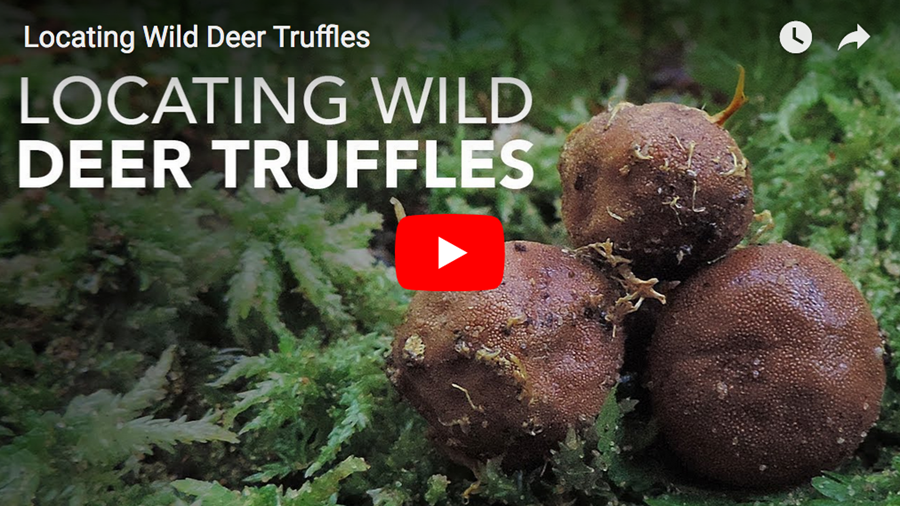
Moving forward, let’s talk about deer truffles.

These fungi exist a few inches below the surface of the earth in a mutualistic association with various trees.  What’s more, deer truffles are valued food sources for a variety of forest-dwelling animals.

Because they grow underground, deer truffles are among the most elusive fungi in the world.  However, there is a simple trick to finding them, and if you’re interested in finding your very own deer truffles this season, check out the brand new video!

Stinkhorns aren’t your typical mushrooms.  One look at them (and a quick whiff of them!) should hint at their uniqueness.  Pictured here are a few interesting stinkhorns I recently found in a local forest.  Check out this recent Instagram post to learn more!

Thanks for reading and watching, and as always, thank you for your support!

-Adam Haritan
Activity of Lemon Balm and Moldavian Dragonhead Essential Oils against Foodborne Microorganisms

Crooked Bear Creek Organic Herbs's avatarCrooked Bear Creek Organic Herbs

It has been postulated that plant essential oils can be used as natural preservatives to delay food spoilage, inhibit pathogen growth, and improve food quality. Lemon balm (Melissa officinalis, Lamiaceae) aerial parts and Moldavian dragonhead (Dracocephalum moldavica, Lamiaceae) aerial parts have antibacterial and antifungal activity. The purpose of this study was to evaluate the chemical composition, antimicrobial activity, and antioxidant capacity of lemon balm and Moldavian dragonhead essential oils with the goal of finding natural agents to protect against oxidation changes and pathogenic bacteria of food.

Lemon balm and Moldavian dragonhead aerial parts were collected at blossoming in the summer of 2013 in Urmia, Iran. The plants were confirmed by the Herbarium Department of Jahad Agriculture and Natural Resources Center of West Azerbaijan, Iran. Essential oils were extracted via hydro-distillation, and gas chromatography-mass spectrometry (GC-MS) was used to analyze the compounds in the essential oil. Antibacterial…

View original post 327 more words