Sage Varieties: Growing Tips and Recipes

Crooked Bear Creek Organic Herbs's avatarCrooked Bear Creek Organic Herbs

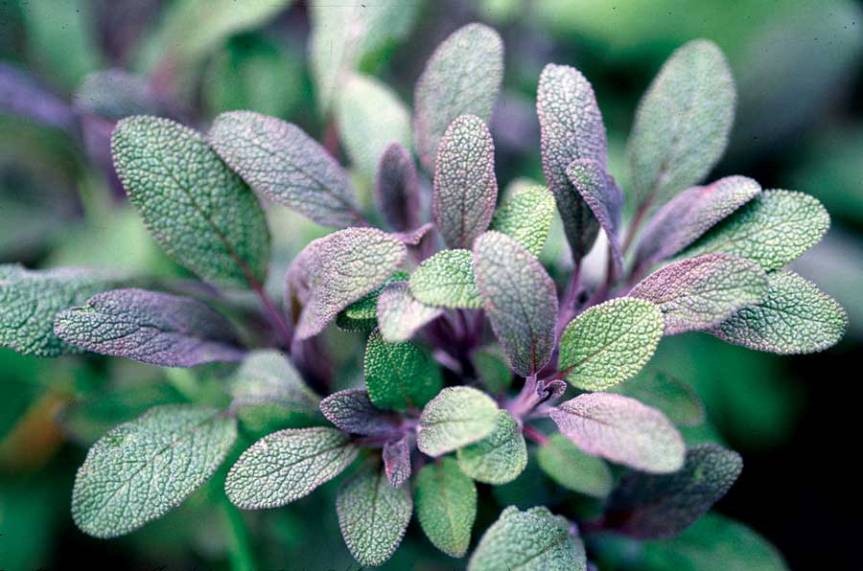
The genus Salvia contains a staggering range of species suitable for every garden use under the sun—and in the shade. But for cooking, none can rival common garden sage (Salvia officinalis) and its cultivars. Sage has long been valued for its contributions to the cook’s palette of flavors. Its robust piney aroma and earthy flavor complement many ingredients. Sage is also an attractive garden plant, particularly in its fancy-leaved forms. Plus, it prospers under a wide range of conditions and adds striking bold texture to mixed plantings.

Growing Info For Sage

• Light: Full sun
• Height: 18 to 24 inches
• Width: 24 to 36 inches
• Bloom time: Late spring, although valued most for its evergreen foliage.
• Soil: Well-drained, tolerant of a wide range of soil types.

What’s the Difference Between Types of Sage?

S. officinalis vary widely in the size and shape of its leaves. Sharp-eyed herbalists…

View original post 1,578 more words

A Druid’s Primer on Land Healing: Ecosystems, Interconnectivity, and Planting Guilds

Dana's avatarThe Druid's Garden

I had a recent conversation with a friend who lives in the town where I work (and where I used to rent a house). I had commented on how “nice” her lawn looked, as it was growing tall full of clover, dandelions, all heal, and so many other blooming plants; it was wild and beautiful.  She laughed and said that she wished her neighbor felt the same way!  She said that her lawn would have to be mowed that very day, and if she didn’t do so, her neighbor had already threatened her with calling the township due to the 6″ grass ordinance. Even though my friend isn’t a druid, this prompted a deep conversation about nature, ecology, and ecosystems. We started talking about the broader ecosystem, and the connectivity of all life–how she wanted to support insect life, bees, and larger life in her small patch of…

View original post 2,047 more words

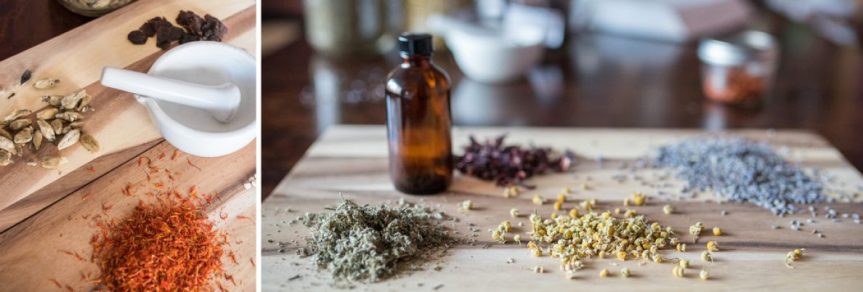
Create Your Own Apothecary

Crooked Bear Creek Organic Herbs's avatarCrooked Bear Creek Organic Herbs

Herbal Tinctures for Health and Well-Being

They may be small, but these extracts pack a powerful herbal punch. Discover the multiple benefits of tinctures, and how to make and use them to stay healthy.

Crafting stellar herbal remedies in your kitchen that surpass anything you can buy in stores is easy and fun. The basic method simply entails packing herbs in a jar, covering them with something, such as alcohol, vinegar, or honey and then straining them after a few weeks. Alternatively, they can be simmered on the stove and then strained.

Herbal Courses from beginner to advanced

Here, we’re going to talk about tinctures, a liquid extract made with alcohol. Alcohol is as good as water, and sometimes better, for extracting most plant constituents, and it makes a far more concentrated product. Instead of drinking a whole cup of tea, you take just 1/5 to 1 teaspoon of the tincture. Dilute your tincture in a…

View original post 3,251 more words

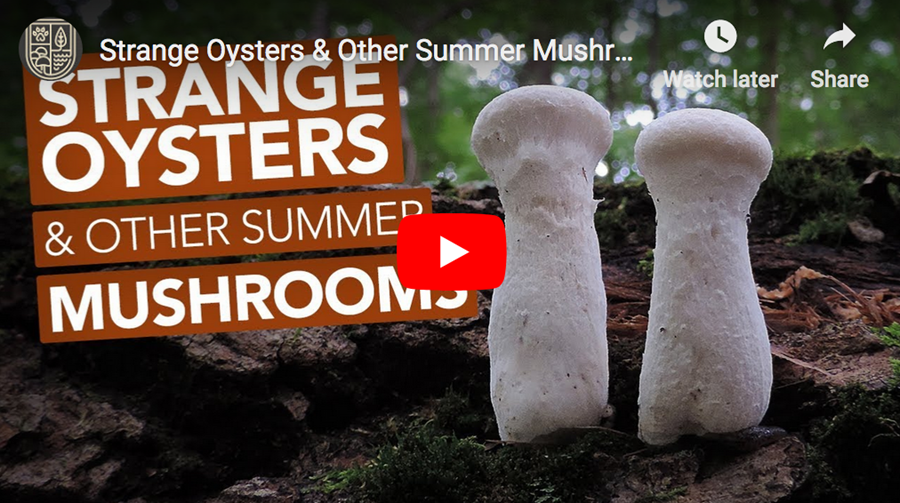
Strange Oysters & Other Summer Mushrooms (New Video!)

Greetings!

First, I want to say “thank you!” to every person who has attended one of my foraging programs this year.  One of the best parts of traveling to new areas is meeting and spending time with an incredible number of wonderful people who are thrilled to learn new plants and mushrooms.  I’ve had a blast so far this year hopping around different states and I certainly don’t plan on stopping any time soon!

As a reminder, I’ll be participating in the West Virginia Mushroom Foray from July 19th through the 21st at Blackwater Falls State Park in Davis, West Virginia.  While my Friday morning walk has already filled to max capacity, I’ll be offering a presentation on Saturday for all participants.

Additional instructors this year include such notable authors as Arleen Bessette, Walt Sturgeon, and John Plischke III.

You can learn more about the event by clicking here!

And now on to this week’s brand new video!

Fungally speaking, summer is off to a fruitful start. The ample rains and warmer temperatures have been very conducive to fungal activity here in the Northeast, and if similar conditions persist, 2019 could be a banner year for many summer mushroom species.

While on a recent walk through a local wooded area, I encountered quite an array of mushrooms — some edible, some not so edible, but all fascinating in their own right.

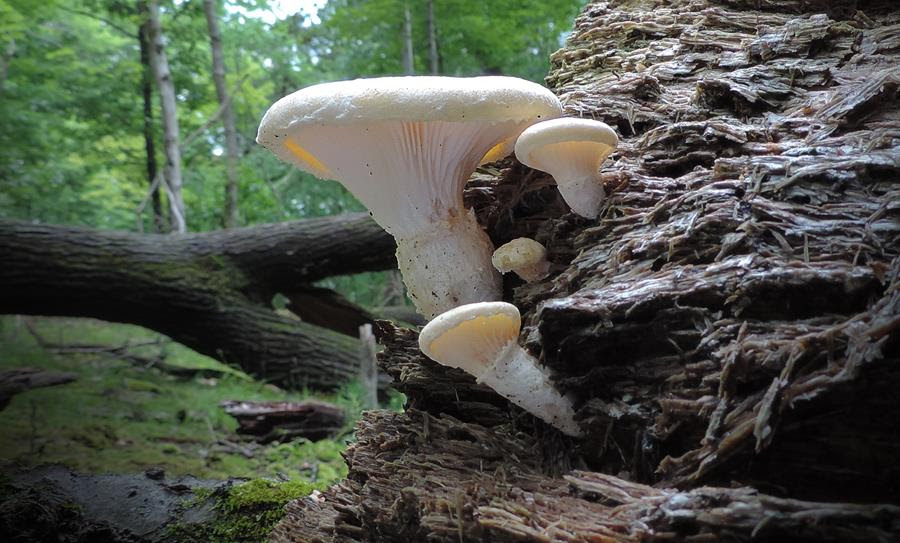
One species in particular caught my eye because of its close resemblance to oyster mushrooms, and upon closer inspection, its true identity was revealed to me.

Have you ever seen a mushroom that looks like this?  Would you consider it to be an oyster mushroom or something else?

Check out the new video to learn more!

Amongst thunderstorms, cloudy skies, and rainbows, this beautiful mushroom contributes significantly to the array of phenomena that characterize the early summer season. Few mushrooms are as photogenic as this one, and if you’d like to learn who this unique fungus is, check out the recent Instagram post!

Thanks for reading and watching, and as always, thank you for your support!

-Adam Haritan

Summer Wellbeing: Summer, The Season of Becoming

Crooked Bear Creek Organic Herbs's avatarGood Witches Homestead

Summer has arrived, filled with a joyful abundance of all the sweetest of things. It makes me want to run barefoot and wild, as I listen to the sounds of the forest: the chirping birds and crickets, the rush of leaves when a gentle breeze comes to play. I fill my lungs as long and as wide as I can, dancing upon the warm winds of this season of flourishing.

$50 off the Botanical Skin Care Course for a limited time!

Here we are met with the season of being alive — of letting go of all fears. Of letting the sun heal us with her gentle glow: restoring our hopes and our dreams. By now we are full-grown, in full bloom, but are also all still children with dirty feet and sparkling eyes. Summer is the season of starlight, of hikes through the forest, of a mountain lake, swims, bursts of laughter, long books of poetry, long days by the…

View original post 2,054 more words

Growing Edible Flowers in Your Garden

Crooked Bear Creek Organic Herbs's avatarGood Witches Homestead

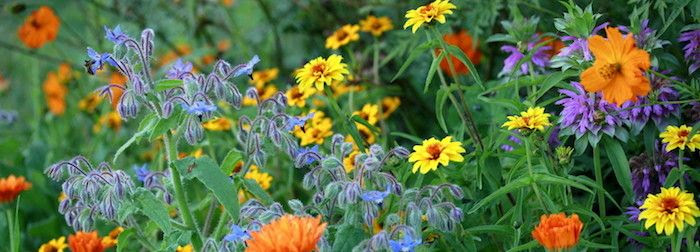
While gardeners love flowers for their beauty outdoors in the garden and indoors in a vase, few raise them to eat. That’s a shame because many flowers are edible and bring lively flavors, colors, and textures to salads, soups, casseroles, and other dishes. Eating flowers is not as exotic as it sounds. The use of flowers as a food dates back to the Stone Age with archeological evidence that early man ate flowers such as roses.

Of course, flowers have been used to make teas for centuries, but flower buds and petals also have been used from China to Morocco to Ecuador in soups, pies, and stir-fries. Rose flowers, dried day lily buds, and chrysanthemum petals are a few of the flowers that our ancestors used in cooking. In fact, many of the flowers we grow today were originally chosen for the garden based upon their attributes of aroma and flavor, not…

View original post 1,520 more words

The Magic of Chamomile

Crooked Bear Creek Organic Herbs's avatarGood Witches Homestead

Discover over 200 herbal recipes in the Botanical Skin Care Course

  • German Chamomile – Matricaria chamomilla
  • Roman Chamomile – Anthemis nobilis

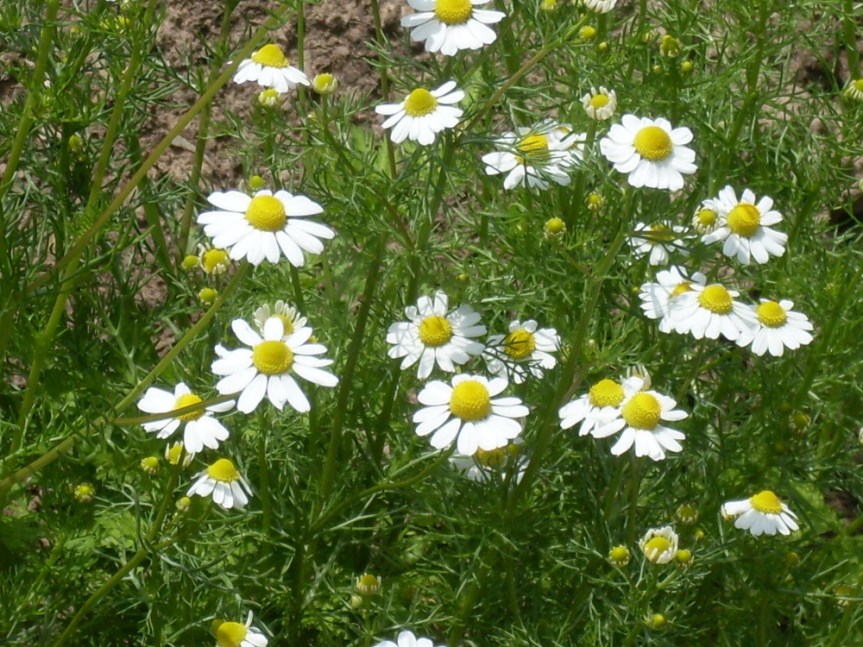
The chamomile herb is another well-known plant, used in making effective herbal remedies for the treatment of a variety of illnesses. The herb has a great relaxant action on the nervous system and the digestive system. The herbal remedies made from this plant are considered to be a perfect remedy for the treatment of disorders affecting babies and children. The main action of the chamomile is that it brings about relaxation in all the smooth muscles throughout the body of an individual. The herb acts on the digestive tract and rapidly brings relief from any muscular tension and spasms, it alleviates disorders such as colic, and it can reduce the amount of abdominal pain, and remedy excess production of wind and abdominal distension in patients.

The other major effect of the herb lies in its ability to regulate peristalsis along the…

View original post 2,228 more words

June Flower, The Rose.

Crooked Bear Creek Organic Herbs's avatarCrooked Bear Creek Organic Herbs

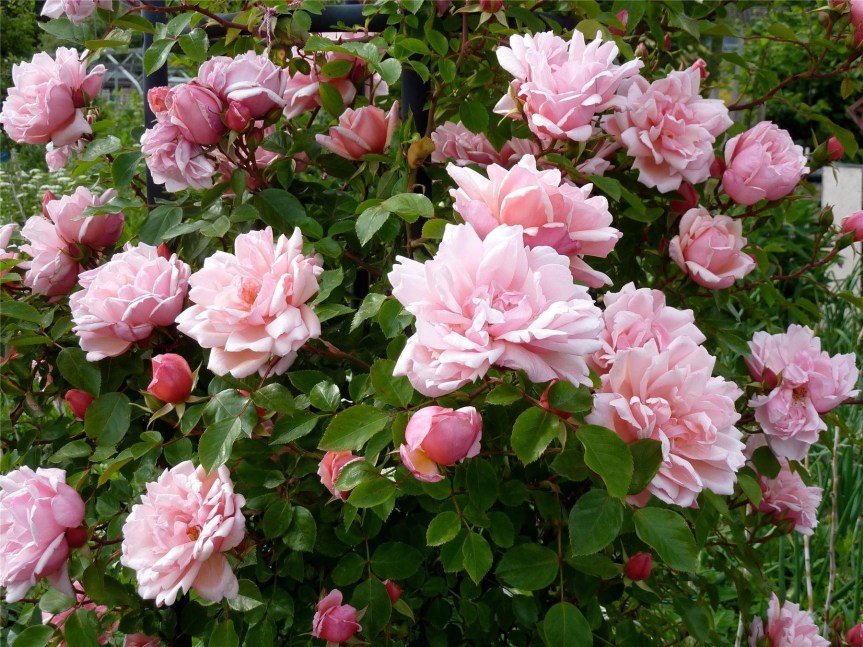
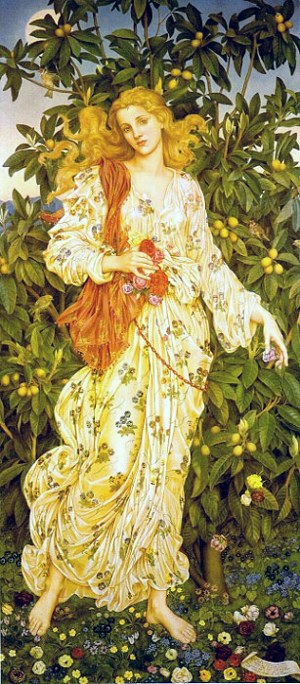
Chloris, the Greek Goddess of flowers, crowned the rose queen of all flowers, a title that the rose deserves today as much as it did in the Golden Age of Greece. Not only is the rose of unparalleled beauty, but it has also proved itself to be useful in a hundred different ways. It has been prized for its medicinal value, cherished for its sweet scent, and appreciated for its delicate flavor.

chloris greek goddess

The legend of the origin of the rose is from the days of the Roman Empire. The story is told of Rhodanthe, a woman of such exquisite beauty that she had many, many suitors. She showed little interest in any of them and sought refuge in the “Temple of Diana.” Her suitors were persistent, however, and followed her there, breaking down the gates to get close to her. Diana became incensed at this and turned Rhodanthe into a…

View original post 890 more words

Summer Herbals: Estafiate

Crooked Bear Creek Organic Herbs's avatarCrooked Bear Creek Organic Herbs

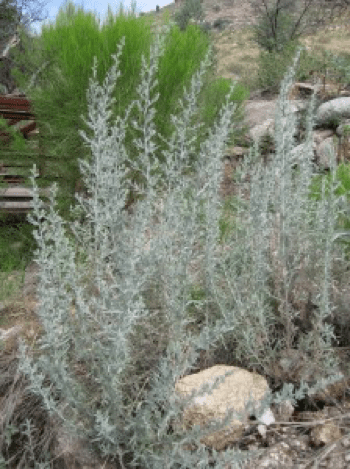
Artemisia ludoviciana – Estafiate

Other names: Western Mugwort, Western Wormwood, Louisiana Sagewort, Prairie Sagewort, Mountain Sage, Simonillo, Itzauhyatl (Nahuatl)

Origin: Native throughout the entire western US

Energetics: Warm & Dry. Bitter, Pungent, slightly Astringent. Vital stimulant, Tonic Relaxant

Properties: Digestive, Carminative, Diaphoretic, Aromatic Bitter, Anti-inflammatory, Analgesic, Decongestant, Sedative, Nervine, Hepatic, Cholagogue, Choleretic, Diuretic, Expectorant, Emmenagogue, Anodyne, Anthelmintic, Antioxidant, Antispasmodic, Anti-fungal, Hemostatic, Styptic

Organ Affinities: Liver, gall bladder, gut, nervous system, female reproductive, lungs, muscle tissue, tendons/ligaments, endocrine, brain, skin, blood

Uses: Internally: Indigestion, gas, bloating, poor appetite, acid reflux, GERD, mild constipation, gastritis, diarrhea, IBS symptoms, weakened digestion, gastroenteritis, pinworms, cold, flu, chest congestion, fever, traumatic injuries, amenorrhea, edema, nervous exhaustion, muscle pain.  Externally: Broken bones, bruises, sprains, strains, nosebleeds, insect bites, stings (bee, scorpion), poison ivy rash, rheumatism, moxibustion Other uses from ethnobotanical sources include: Foot deodorant (placed in shoes), poultice of leaves applied to…

View original post 2,344 more words

Celebrate Calendula Flowers

Crooked Bear Creek Organic Herbs's avatarCrooked Bear Creek Organic Herbs

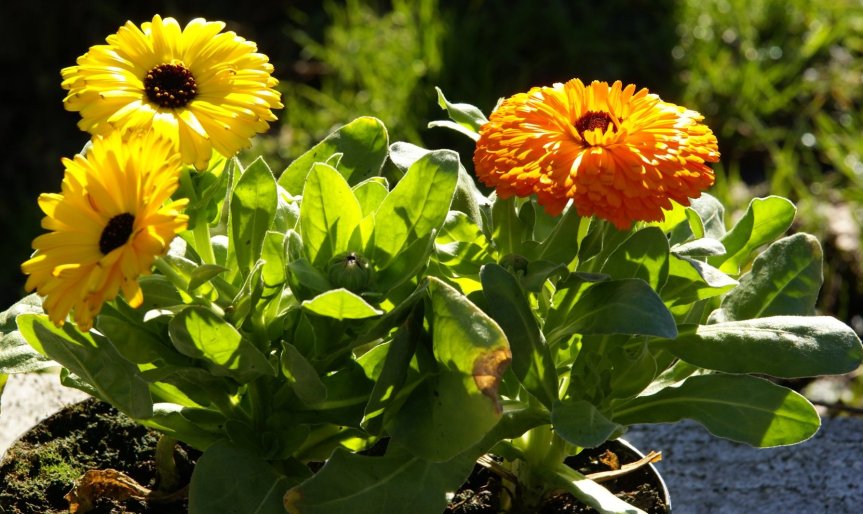
Calendula flowers have a sunny disposition in the garden. Use its golden petals in the kitchen and be sure to keep it well-stocked in the medicine cabinet for an array of medicinal uses, including soothing ointments and astringent tinctures.

Since antiquity, calendula flowers, or pot marigold, have been used in infusions for many maladies.

Since antiquity, calendula (also known as pot marigold) flowers have been used in infusions for many maladies. The Egyptians used the petals to heal wounds. In the Middle Ages, calendula was used for indigestion and healing bruises and burns. In World War I, the herb was used on the injured to prevent inflammation and infection. According to Annie Burnham Carter, author of In An Herb Garden (1947), “In England during that war, Miss Gertrude Jekyll gave a field on her estate for the exclusive cultivation of pot marigolds . . . the flowers which bloomed there…

View original post 1,743 more words