An increasing number of chemical and pharmacological studies, which strongly support traditional medicinal uses of Greek herbs against various illnesses such as a sore throat, cough, and gastric ulcer, have been reported recently. One of these herbs is an endemic plant of the island of Crete, which has been widely used as a traditional medicine since antiquity: the dittany of Crete, Origanum dictamnus (Lamiaceae family). A variety of compounds, including flavonoids, lipids, and terpenoids have been identified from the plant. Current studies have shown that its extracts and the essential oil possess important antimicrobial, antioxidant and anti-ulcer pharmacological properties.
The use of herbal medicine has its roots in the Bronze Age. The Homeric texts describe herbal wound healing treatments during the Trojan War. Ancient Greeks had developed a considerable medical knowledge based on systematic observation in order to heal their precious human capital. The Mycenaean palatial centers systematically produced and exported huge quantities of aromatic and essential oils to the kingdoms of the Mediterranean basin and exchanged them to copper and tin for their weapons and tools. Were they also used as medicines? The tradition is still preserved and the consumption of aromatic plants as a component in curing common diseases is still on population’s practices in many islands and rural areas. Though observations show that persons in Crete that consume Cretan herbal teas, mainly dittany and sage, are more resistant to viral induced infections. Until recently, there hasn’t been any double-blind trial conducted on the effectiveness of Cretan herbs in the prevention and curing of common diseases. […]
Arnica; poisonous in large amounts which can cause serve gastroenteritis, fever, nausea, dizziness, abnormal pulse rate, diarrhea, skin reactions, and internal bleedingof the digestive tract.
Azalea; poisonous and causes nausea, vomiting, depression, difficulties breathing, coma, and it is rarely lethal.
Balm of Gilead; can cause skin irritation, serve stomach upset, and pregnant/breastfeeding woman should avoid.
Belladonna; very deadly poisonous causes blurred vision, staggering, loss of balance, dry mouth and throat, headache, rash, constipation, confusion, hallucination, and convulsions. Careful when handling because it can be adsorbed through skin.
Bleeding Heart; may be poisonous in large amountswhich cause convulsion and other nervous symptoms.
Blue Flag; nausea, vomiting, irritation of the mouth, throat, digestive tract, skin, headaches, watery eyes.
Bryony; all parts of are poisonous and can cause death, lethal if consumed.
Buttercup; irritant juices may severely damage the digestive system.
Calamus; toxic in large dosages and causes hallucinations, nausea, and vomiting.
Calabar Bean; extremely toxic which can cause excessive sweating and saliva, reduced pupil size, nausea, vomiting, diarrhea, irregular heartbeat, blood pressure changes, confusion, seizures, coma, muscle weakness, paralysis, serve breathing problems, and death.
Camphor; serve allergic reaction which include rashes, hives, itching, difficulties breathing, tightness in chest, swelling of the mouth, eyes, face, lips, or tongue.
Castor Oil Plant; poisonous and causes burning sensation in mouth and throat, abdominal pain, bloody diarrhea. In the next several days dehydration, drop in blood pressure, and decrease in urine. Unless treated death can be within 3-5 days.
Celandine; nausea, dizziness, fatigue, fever, and liver damage.
Christmas Rose; causes burning of the mouth, eyes, throat, oral ulceration, gastroenteritis, and vomiting blood.
Cowbane; poisonous and can attack the central nervous system which can induce seizures.
Daffodil; can cause nausea, diarrhea, vomiting, and can be but usually not fatal.
Daphne; poisonous, causes burns to the mouth and the digestive tract then followed by a coma. Can be fatal.
Dog’s Mercury; poisoning will appear in the next few hours which includes vomiting, pain, gastric and kidney inflammation, sometimes inflammation of the jaw and cheeks, and drowsiness.
Elderberry; poisonous and causes nausea and digestive upset.
Elephant Ear; all parts are poisonous and causes irritation of the mouth and tongue, can be fatal.
Ergot; can be fatal and can also cause nausea, vomiting, muscle pain or weakness, numbness, itching, vision problems, convulsion, confusion, spams, and unconsciousness.
Gelsemium; extremely poisonous even in small amounts very toxic and can cause headaches, vision problems, difficulties swallowing, dizziness, muscle problems, seizures, breathing problems, and slowing of the heart.
Golden Chain; serve poisoning which causes excitement, staggering, convulsions, and coma. This can be lethal.
Foxglove; large amounts can cause irregular heartbeat, digest upset, mental confusion, and can be fatal.
Hellebore; likely unsafe if ingested or applied to skin which can cause irritation of the mouth and throat lining and also slow down the heartbeat. Large dosages cause vomiting, diarrhea, difficulties swallowing, nerve problems, blindness, convulsions, paralysis, difficulties breathing and death.
Hemlock; stomach pains, vomiting, and progressive paralysis of the central nervous system.
Henbane; cause dilated pupils, hallucinations, increased heart rate, convulsions, vomiting, hypertension, and ataxia.
Holly; berries can be deadly and the leaves can cause nausea, diarrhea, vomiting, stomach and intestinal problems.
Honeysuckle; can cause allergic reactions which include rashes.
Horse balm; gastrointestinal irritation, nausea, dizziness, and painful urination.
Hyacinth; nausea, vomiting, diarrhea, and can be fatal.
Ilex; serve allergic reactions which include rash, hives, itching, difficulties breathing, redness, burning, swelling of the mouth, eyes, face, lips, or tongue.
Iris; serve digest upset.
Ivy; poisonous, causes stomach pains, labored breathing, and possible coma.
Jewelweed; dangerous when consumed in large amounts.
Jerusalem Cherry; nausea and vomiting and occasionally fatal especially to children
Jimsonweed; do not inhale or consume, can cause many toxic effects like dry mouth, extreme thirst, vision problem, nausea, vomiting, constipation, fast heart rate, hallucinations, high temperatures, seizures, confusion, loss of conciseness, breathing problems, and death.
Laburnum; intense sleepiness, vomiting, excitement, staggering, convulsive movements, frothing at the mouth, unequally dilated pupils, coma and death.
Larkspur; digestive upset, nervous excitement, depression, and can be fatal.
Laurel; poisoning produces anorexia, profuse salivation, depression, uncoordination, vomiting, watering of the eyes, difficulties breathing, weakness, cardiac distress, convulsion, coma, and eventually death.
Lily of the Valley; irregular heartbeat and pulse accompanied by digest upset and mental confusion.
Lobelia; potentially toxic which can cause vomiting, it also can interfere with medication.
Jack-In-The-Pulpit; produces allergic reactions and causes skin, mouth, throat irritation, swelling, burning, difficulties breathing, and stomach upset.
Kava Kava; can cause liver problems, nausea, rapid heartbeat, vomiting, drowsiness, numbness around mouth, hallucinations, kidney effects, shortness of breath, and disorientation.
Mandrake; poisonous which can cause blurred vision, dryness of the mouth, difficulties urinating, headaches, vomiting, rapid heart rate, and hallucinations.
Mayapple; diarrhea and serve digestive upset.
Mistletoe; poisonous and causes gastrointestinal discomfort, diarrhea, weak/slow pulse, seizures, and it is rarely lethal to humans.
Morning Glory; toxic and causes diarrhea, gastrointestinal upset, disorientation, ataxia, anorexia, and hallucinations.
Mugwort; use in a well ventilated area and with the right dosage, too much can be lethal.
Nightshade; fatal and intense digestive disturbance and nervous symptoms.
Oak; poisonous in large amounts and gradually affects the kidneys.
Oleander; extremely poisonous can cause heart effects, serve digest upset and even death.
Pennyroyal; can cause serve liver and kidney damage and also stomach pain, nausea, vomiting, burning of the throat, fever, confusion, restlessness, dizziness, high blood pressure, abortions, and brain damage.
Periwinkle; contains poisonous chemicals and should no be ingested can cause nausea, vomiting, hearing loss, hair loss, dizziness, bleeding, nerve problems, seizures, liver damage, low blood sugar, and even death.
Pleurisy Root; can cause serve heart problems, nausea, vomiting, and skin rashes.
Poinsettia; skin rashes, serve eye irritation, and irritation or burns to the mouth, throat, stomach, and intestinal lining.
Pokeweed; all parts are poisonous and when handling use gloves because some chemicals can pass through skin and affect the blood and it also causes nausea, vomiting, cramping, stomach pain, diarrhea, low blood pressure, difficulty controlling urine, and thirst.
Rhubarb; fatal and large amounts can cause convulsions, coma, and a rapid death.
Snakeroot; can be fatal, cause nausea and vomiting.
Spurge; unsafe and has chemicals that cause cancer, other effects include nausea, diarrhea, vomiting, burning of the mouth, dilated pupils, dizziness, painful bowel movements, near unconsciousness, irregular heartbeat, rashes, reddening, itching, burning, and blisters.
St John’s Wort; can be poisonous and cause fatigue, dizziness, confusion, and dry mouth.
Skullcap; pregnant women should not use it can cause a miscarriage
Thorn Apple; abnormal thirst, distorted sight, delirium, incoherence and can be fatal.
Uva Ursi; can cause skin discoloration, headaches, tinnitus, dizziness, muscle twitching, tremors, convulsion, seizures, nausea, vomiting, irritation to the skin and eyes.
Wahoo; poisonous and potentially deadly, symptoms include serve upset stomach, bloody diarrhea, fever, shortness of breath, unconsciousness, spams and coma.
Wisteria; mild to serve digestive upset, many children have been poisoned by this plant.
Wolfsbane; also know as Aconite, disables nerves, lowers blood pressure, and can stop the heart. Avoid skin contact.
Wormwood; can cause diarrhea, vomiting, nausea, insomnia, restlessness, vertigo, and seizures.
Yellow Jasmine; poisonous and cause nausea and vomiting.
Yew; fatal, death is usually sudden without any warning symptoms.
Gathering the Mistletoe On the Sixth day after the new moon A procession of village folk. Gathered to seek a special boon Underneath the ancient oak. They spied a clump of mistletoe High in the oaken canopy The berries gave a milky glow Against bare limbs of the winter tree. A white robed Druid climbed the boughs With his golden sickle blade A green circlet of ivy ‘round his brow His long dark hair caught up in a braid.
Extending his body along a stout limb He could just reach the holy plant Anxiously below they waited for him And began their sacred chant. Uil-ioc! Draoidh-lus! Sùgh an Daraich! Stretched beneath the gnarled wood A sheet of white linen was spread For the herb to touch the ground would Be an ominous omen of dread. Deftly the Druid cut the stem And the herb fell upon the sheet A cheer rose from within the glen And the deed was declared complete. A white bull was sacrificed that night And a midwinter feast was held for all The herb was preserved for a holy rite A gift from the venerable Druids of Gaul.
White Sage cleansing herb a natural cleanser purifier and sacred as they come, this beautiful aroma filled plant oozes spirituality and calm. When close by these magnificent wonders of nature a soothing almost meditative energy creeps over you. Journey into the world of nature spirits and natural magic, enter sacred sage.
White Sage is a perennial Mediterranean plant, Salvia Apiana, consisting of grey-green leaves and purple, blue, or white flowers from the Lamiaceae (labiates) family. Also derived from Latin salvia, meaning good health, and is attributed to the healing properties of the white sage plant.
Gender: Masculine Element: Air Planetary Association: Jupiter Element: Earth
White Sageplant was also sacred to the Greeks and Romans, and is also said to be a symbol…
The use of Occult Oils have been a part of all various types of magickal practices for thousands of years. Hoodoo Rootworkers traditionally name their oil compounds for the conditions they are believed to cause or cure. Oils are used in numerous ways while most often they are rubbed on candles which are then burned in ritual, they are also used to anoint charms, mojo-bags, doorways and window sills of a home or business and can also be added to bath water
Depression isn’t just feeling sad or “blue.” It is a serious mood disorder with symptoms that range from mild to debilitating, and potentially life-threatening. Depression is a relatively common disorder in that it affects millions of people each year. People of all ages and ethnicities experience depression, including children and adolescents. Depression does not only […]
Brother Ash, a sorcerer based out of Richmond, Virginia, works with Hoodoo, which was learned from his mother, who learned it from her grandmother from Mississippi. He “works with both hands”.
A “straight no chaser” type of magician, his primary focus in practice and for his blog is results based sorcery. He experiments and if it works he keep it, if it doesn’t he tweaks it until it does or move on. Results are what matter.
The aim is to do his best to present his views on the art of sorcery and give clear instruction on methods that can be reproduced by those willing to roll up their sleeves and do the work.
HIGH JOHN THE CONQUEROR Many have heard of High John the Conqueror root, but did you know that High John is also a spirit that you can petition directly?




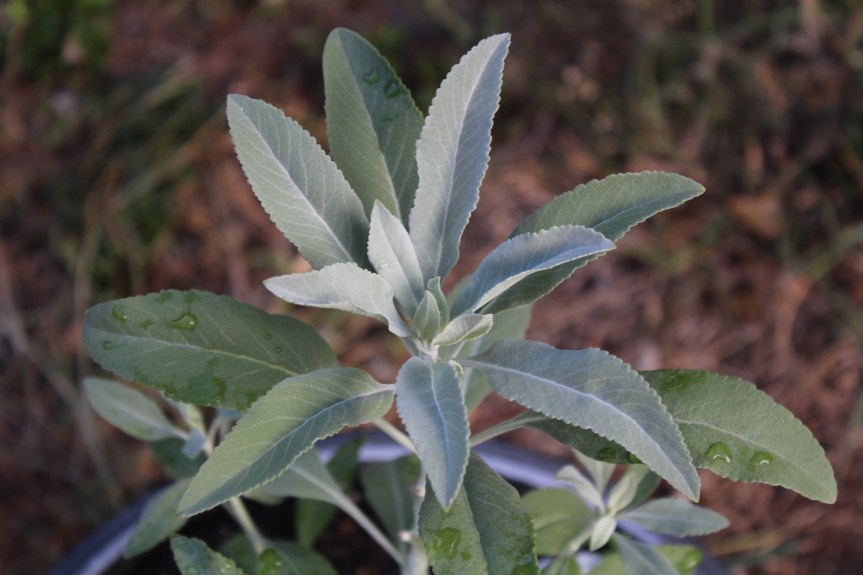

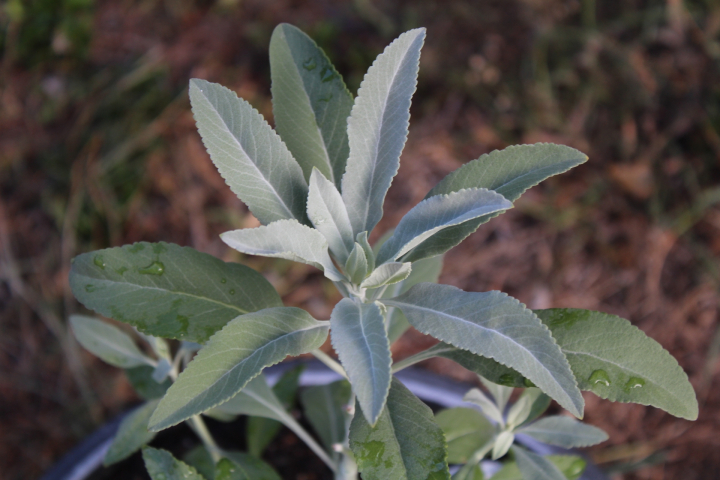 Organic White Sage or Sacred Sage Grown In Cairns Queensland Australia by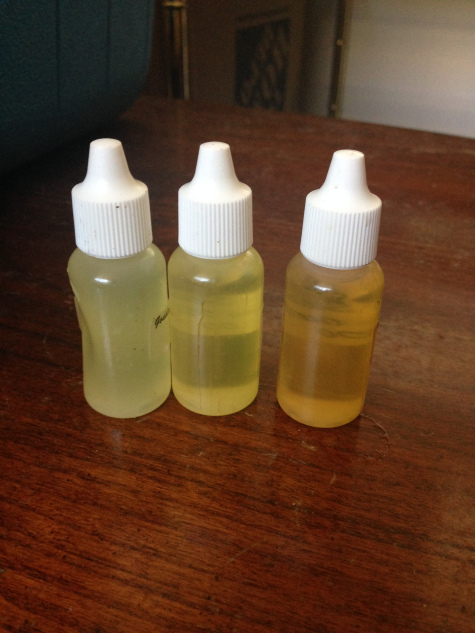


 Paths I Walk
You must be logged in to post a comment.