Hippocrates – ” Let food be thy medicine and medicine be thy food”

Herbs as Cleansers:

The disinfectant qualities of certain plants would have been of great importance to humans, and may have been one of the triggers for a recognition of the other medicinal uses of plants. A large number of ancient cultures used herbs and plants in the cleansing rituals and preparation of the dead. Throughout history, the burning of natural substances has been used for cleansing, healing and in spiritual ceremonies and rituals.

Smudging: Shamanic smudging or just ‘smudging’ is an age-old tribal tradition which has been used for centuries for cleansing and to create harmony and peace. There are many different shamanic smudging ceremonies, and different tribes use a variety of herbs for smudging.  Smudging was used for centuries by the native people of both North and South America, Europe, the Middle-east, Africa, Asia and the Siberian shamans to open the doors of the soul to the spirit world. In all cultures, the burning of certain herbs and incense was seen as a way of gaining access to the soul and power of the plants for cleansing, purification, protection spiritual, ceremonial and magical use, the banishment of negative energies and creation of sacred space. In modern use, incensing is still used as a symbol of purification and sanctification.

One of the earliest recorded uses of smudging can be traced to ancient Egypt where herbs were burned in religious ceremonies, being mentioned on an inscribed tablet from Giza, Egypt, c. 1,500 BC. The Babylonians also regularly used smudge/incense extensively while offering prayers or divining oracles. It was imported to Israel in the 5th century BC to be used in religious offerings. It spread from there to Greece, Rome and India, where both Hindus and Buddhists still burn it in their rituals and at festivals. The smudging tradition dates back millennia and connects all traditional cultures, from the Native Americans to the Druids, from the Zulus to the Maoris, from Aboriginals to the Mayans, from the Chinese to the Balinese, which have age-old forms of cleansing and blessing rituals. Smudge (Incense) is widely used in Oriental religions (Buddhism, Hinduism, Islam, and Taoism) and in the ceremonies of the Anglican, Roman Catholic, and Orthodox churches. Smudging can therefore be seen as a universal spiritual component that runs through and connects all the worlds great cultures and religions throughout time.

Read the entire article at the Source: Herb-Lore (Herbalism).

Birch Essential Oil

Birch essential oil, also known as sweet birch oil, is rich in methyl salicylates and has a long history of use for sore and fatigued muscles. The familiar, soothing aroma of birch oil is reminiscent of the inside of a doctor’s bag on the day of house calls. This therapeutically wide-spectrum stimulating and cleansing oil  has a bright, refreshing aroma, and can be kept in mind for restoring comfort to the overworked body and the agitated or cloudy mind. […]

via Birch Essential Oil — Good Witches Homestead

🍃83 Herbs & Their Magickal Properties🍃

Homemade Organic Pesticides

Ever wonder what farmers did hundreds of years ago to fight off crop pests? Long before the invention of harmful chemical pesticides (yes, the kind that is linked to cancerous cellular activity), farmers and householders came up with multiple remedies for removing insect infestations from their garden plants.

The following list will offer some of our favorite, all-natural, inexpensive, organic methods for making bug-busting pesticides for your home garden.

1. Neem

Ancient Indians highly revered neem oil as a powerful, all-natural plant for warding off pests. In fact, neem juice is the most powerful natural pesticide on the planet, holding over 50 natural insecticides. This extremely bitter tree leaf can be made in a spray form or can be bought from a number of reputable companies.

To make your own neem oil spray, simply add 1/2 an ounce of high-quality organic neem oil and ½ teaspoon of a mild organic liquid soap (I use Dr. Bronners Peppermint) to two quarts of warm water. Stir slowly. Add to a spray bottle and use immediately

2. Salt Spray

For treating plants infested with spider mites, mix 2 tablespoons of Himalayan Crystal Salt into one gallon of warm water and spray on infected areas.

3. Mineral oil …

Read the rest at the Source: Homemade Organic Pesticides

True Aloe

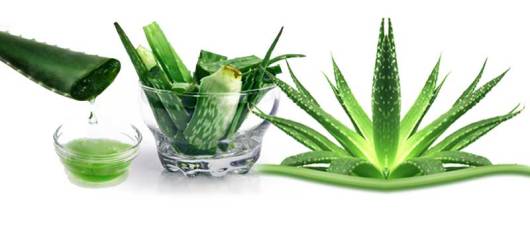
Aloe Vera

Latin Name

L. Aloe vera, Aloe barbadensis var miller, Aloe vera var. chinensis, Aloe vulgaris, Aloe vera var. lanzae, Aloe indica, Aloe barbadensis var. chinensis, Aloe vera var. wratislaviensis, Aloe elongata, Aloe vera var. littoralis, Aloe perfoliata var. vera, Aloe perfoliata var. barbadensis, Aloe flava, Aloe chinensis, Aloe barbadensis, Aloe lanzae.

Common Names

Aloe vera, True Aloe

Suggested Properties

Anti-inflammatory, antibacterial, anti-viral and energy tonic

Indicated for

Digestive tract irritations such as colitis, ulcers and irritable bowel syndrome, cleansing stomach, liver, kidneys, spleen, bladder and colon, arthritis, asthma, bladder and kidney infections, cancer, constipation, diverticular disorders, haemorrhoids, heartburn, heart disease, HIV, immune stimulation, indigestion, insomnia, kidney disease, leg cramps, leukemia, skin health, stomach distress, tumours, vaginitis, vaginal douche, viruses, white blood cell production and general health tonic.

If you are using oral corticosteroids, such as beclomethasone, methylprednisolone, or prednisone, it is important not to overuse or misuse Aloe vera juice. A potassium deficiency can develop, and you may experience toxic effects from the medication.

Although it is removed, in practice Aloe vera juice may sometimes still contain tiny quantities of the laxative compound found in aloe latex. Should you begin to have cramps or diarrhea do not ingest any more of the juice.

Allergies to aloe vera are very rare. Yet any food can be a potential allergen. Test a small amount on the inner arm to see if any reaction takes place. If no irritation on the skin is observed then it is generally tolerated. If ingestion causes diarrhea, then reduce the amount you ingest, increasing use slowly over several days until the desired amount is tolerated.

Source: True Aloe

Thalya’s Druid Daydreams • Herbal Medicine: What is an Electuary? An…

As always … Check that any herbal medicines do not have contraindictors with any prescription medications.

MAGICK and MEDICINE | hocuspocus13

OLDE FOOT REMEDIES

As long as anyone can remember humanity has had beliefs in a higher power through the use of magick ~ spells ~ curses ~ cures ~ incantations ~ remedies that have been preserved across many different cultures

Grimoires were then developed over the centuries which became the books of choice for secrets societies

Writing down ones magick did vary in style some written down in tiny pocket notebooks others in hugh ledgers and those who wrote their secrets upon odd scraps of paper

Many preserved and available
Many burned upon administering the cure

[…]

Read the rest of the article at the Source: MAGICK and MEDICINE | hocuspocus13

Positivity, Protection & Psychic Tincture

Magickal tinctures are another form of using the smell of botanicals to help focus intent and energy by stimulating your consciousness through smell. Using different types of herbs and resins can help focus energy for specific intents. They’re also a great way to create simply aromatics for the home, with of course some added magickal stimulus. You can make tinctures for a variety of uses, depending on the herbs you use. Alcohol based tinctures have a longer shelf life, often lasting several years, but tinctures can also be made with glycerine, for bathing spells, and for consumable tinctures you can use vinegar or even honey. Obviously check with your provider and research whether the herbs  you wish to include are consumable …

Read the rest at the Source: Positivity, Protection & Psychic Tincture

Does Himalayan Salt Really Work? — Holistic Experiment

Himalayan Salt contains approximately 84 minerals and produces negative ions that combat positive ions in order to reduce stress and fatigue, leaving the user feeling relaxed and refreshed. It’s often said that Himalayan salt is good for asthma, eczema, psoriasis, acne, allergies, sinusitis, bronchitis, as well as other respiratory illnesses. It can boost the immune […]

Read the rest of the story via Does Himalayan Salt Really Work? — Holistic Experiment

Happy Winter Solstice

Please check with your Doctor or Pharmacist that any herbal remedies have NO contraindications with your prescription medications.

I confess winter has become my favorite season.  Especially when it is as cold and snowy as this one has been.  I love the silence of a landscape blanketed in snow.  I love fires and hot tea and snow in my boots.  I have finally embraced the fact that winter is not my slow time and that hibernation isn’t really a possibility in this line of work.  I have decided to embrace the waxwings and the deer and keep moving like they do.  I play like the squirrels with my family and try to keep it as simple as possible, staying close to home.  As the year 2016 comes to an end it is time to reflect while gazing into a warm fire and to give thanks for all the good things and good people in my life.  I am truly blessed and feeling the abundance.

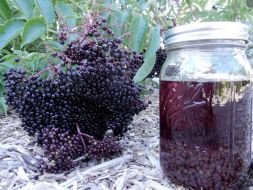
DIY Elderberry Propolis Throat Spray […]

Read the entire article at the Source: Happy Winter Solstice