
Source: Peony – Good Witches Homestead

COMMON NAME: peony
GENUS: Paeonia
SPECIES, HYBRIDS, CULTIVARS:
P. lactiflora {Chinese peony}-many hybrids; single or double. P. suffruticosa {TREE PEONY}-shrub; does not die back in winter.
FAMILY: Ranunculaceae
BLOOMS: late spring
TYPE: perennial
DESCRIPTION: Peony greets spring with offerings of very large, beautiful blossoms in pinks, white, and shades of red. The foliage is neat and attractive, and the plants create an appealing, low {2 1/2 to 3 foot} shrub during the summer months. Peony flowers are full and measure 4 to 6 inches across.
CULTIVATION: Probably one of the greatest attributes of peonies is their longevity. Some peony plants are reported to be more than 100 years old. Once established, peonies should not be transplanted. The plants are tolerant of a wide range of soils but will perform best in neutral or slightly alkaline soils that are light, fertile, and rich in organic matter. Peony roots should be planted so that the eyes are exactly 1 1/2 inches below the soil level. Mix in generous amounts of humus or peat moss before planting. In northern areas, plant in full sun. In hot southern climates, provide a bit of shade.
Called the blessed herb, peonies have been used for centuries for their magical and medicinal properties. Among the powers that peony was thought to possess are the ability to protect shepherds and their flocks; to ward off storms, demons, and nightmares; and to preserve the harvest from danger. Peony is the Greek symbol of healing and the Japanese symbol for a happy marriage and virility. It is the Japanese floral emblem for the month of June.
The Chinese have grown this flower for over 2,000 years. The name for it there is Sho-yo, which means “the beautiful,” and it is considered the flower of prosperity. One Chinese emperor called peonies roses of spring, and a single specimen sold for as much as 100 ounces of gold. According to the Chinese calendar, the tree peony is the floral symbol for March.
The medicinal powers of the plant are legendary. It was named for Paeon, physician to the Greek gods, and a student of Asclepius, {god of medicine and healing}. Leto, goddess of fertility, told Paeon about a magical root growing on Mount Olympus that would soothe the pain of a woman in childbirth. When Paeon went to get this root, Asclepius became jealous and angry and threatened to kill his pupil. Leto begged help from Zeus, who saved Paeon from the wrath of his teacher by changing him into the peony flower.
Perhaps because of this legend, peony seeds have been given to pregnant women for centuries. It was also thought that the roots, held over a person’s head or around the neck, would cure insanity. Other medicinal uses included the prevention of epileptic convulsions and soothing the gums o teething infants. Pliny, a Roman statesman, said that peonies are the “oldest of plants, and are an important medicine that cures twenty ills.”
Superstition warns us, however, that the plant is protected by woodpeckers. If you try to gather peony for medicinal purposes while a woodpecker is in sight, your patient might die.
The magical powers of peonies were thought to be even stronger than the medicinal ones. Mothers in rural areas hung strings of peony seeds around an infant’s neck as a protection against the “Evil Eye.” The seeds, particularly if soaked in rain water, were worn as an amulet for protection against witchcraft and the devil. The plant’s reputation for supernatural powers was enhanced by its phosphorescent qualities-some plants actually glow in the dark. For the most potent magical powers, seeds and roots were gathered in the dead of night.
The first peonies, considered important healing herbs, were brought to England by the Roman legions in 1200. They have been cherished in England since then, first for their medicinal value, and then for their unparalleled beauty. Peonies have been in the United States since early colonial days. For the Philadelphia Centennial Exposition in 1876, peony was used to symbolize the American spirit, ambition, and determination to adapt and thrive.
The only country ever named for a flower was Paeonia, located in what is now northern Greece. It was a legitimate country complete with a government, army, and imperial ring, but it was conquered during the Persian Wars.
Peony is the state flower of Indiana.








 Hawthorn berries possess a potent and effective astringent effect – this is very effective in the treatment of problems such as diarrhea and dysentery in patients. The digestive system also benefits due to the relaxant action possessed by the hawthorn leaves, flowers and berries – the herbal remedy also boosts the appetite. At the same time, it acts in relieving abdominal distension and in the removal of stagnation of food in the intestinal tract. Hawthorn herbal remedies also have an effective relaxing effect on the functioning of the nervous system, the herb aids in relieving excessive stress and anxiety, it helps in calming mental agitation, it lessens restlessness and reduces nervous palpitations. The herb also induces sleepiness in people affected by insomnia. The herbal remedies made from the hawthorn also have a diuretic action on the body, it aids in relieving fluid retention in the body and helps dissolve deposits of kidney stones and gravel. The herb is helpful to women in menopause, as it aids in removing debility or night sweats in those affected by them. The hawthorn berries can be made into an herbal decoction, which can be used as an astringent gargle for sore throats as well as an herbal douche for women affected by excessive vaginal discharges.
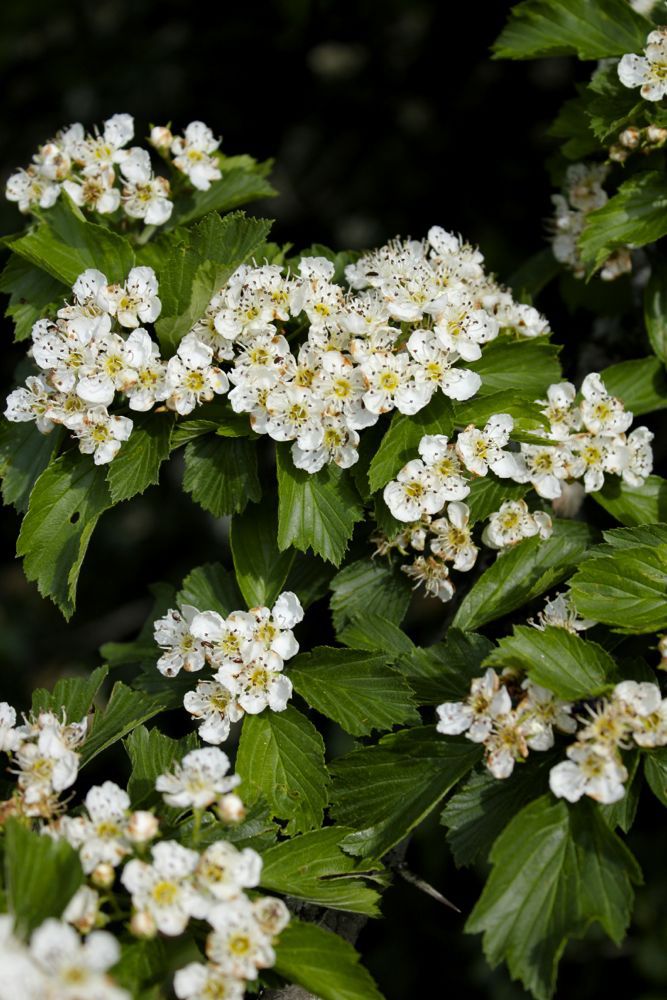 The hawthorn family of herbs is represented by a family of one hundred to two hundred related species of small trees and shrubs, found in the North American continent, with huge populations in the eastern part of the United States of America. This family of related plants has a very confusing and difficult taxonomy. Though no longer used for most, the hawthorn herb was initially divided into many species. At least 1,100 specific names were published, most of which are no longer accepted. At the same time, many different varieties of the plant are recognized, and hybrids of the herb do exist in the wild. The hawthorn family serves as an important source of food for wildlife; these plants also serve as foliage and cover for animals. The many species which bear fruits that can persist over the winter are particularly of great value to different animal communities in the forest. The many varieties of the hawthorn are utilized in environmental plantings in many forestation projects. Hawthorn plants are very hardy and can tolerate conditions in many different sites with a variety of climatic and soil conditions, due to this, the plants have been planted for stabilizing river banks, and have also been used to shelter reverie belts, as well as being used for erosion control of the soil.


You must be logged in to post a comment.