Crocus Lore

Crooked Bear Creek Organic Herbs's avatarGood Witches Homestead

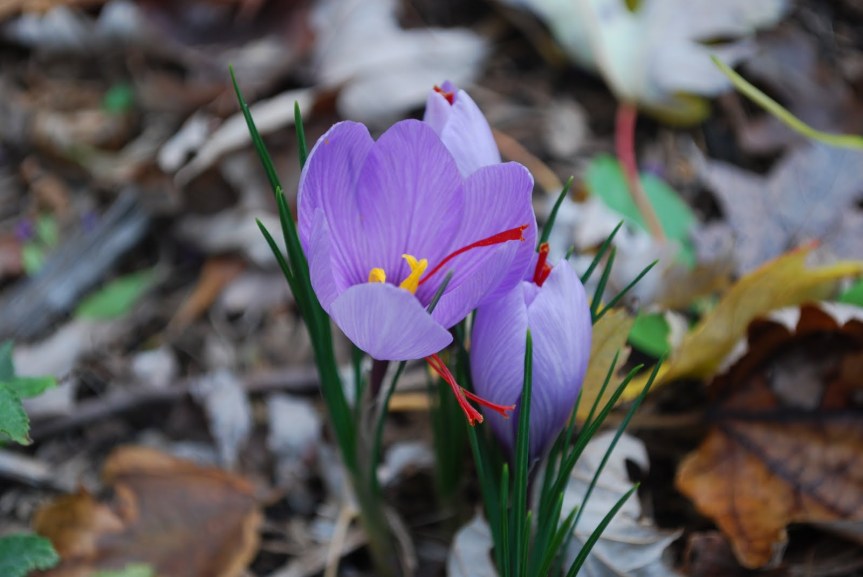
COMMON NAME:  Crocus
GENUS:  Crocus
Species, Hybrids, Cultivars:
Blue; C. biflorus, C. imperati, C. siebert, C. tomasinianus, C. versicolor; yellow: C. aureus, C. chrysanthus, C. korolkowii, C. sulphureus concolor, C. susianus; white: C. fleischeri, C. laevigatus, C. speciosus {fall}. Dutch crocus cultivars-blue: Enchantress, Pickwick, Queen of the Blues, Remembrance, Striped Beauty; white: Jeanne d’Arc, Peter Pan, Snowstorm; yellow: Golden Yellow, Yellow Mammoth.
FAMILY: Iridaceae
BLOOMS: Winter, spring, fall
TYPE: Perennial
DESCRIPTION: A multitude of crocuses are available today in colors ranging from white to blue, purple, and yellow, and with blooming seasons in late winter, early spring, and autumn. The leaves are linear and grasslike; the blossoms cup-shaped and proportionally large. Winter-blooming varieties generally grow to a height of 3 inches. Spring-and fall-blooming species are usually a bit taller, 4 to 5 inches.
CULTIVATION: Crocuses grow from corms, which should be planted 3 to 4 inches deep in early…

View original post 619 more words

Winter Jasmine Lore

Crooked Bear Creek Organic Herbs's avatarGood Witches Homestead

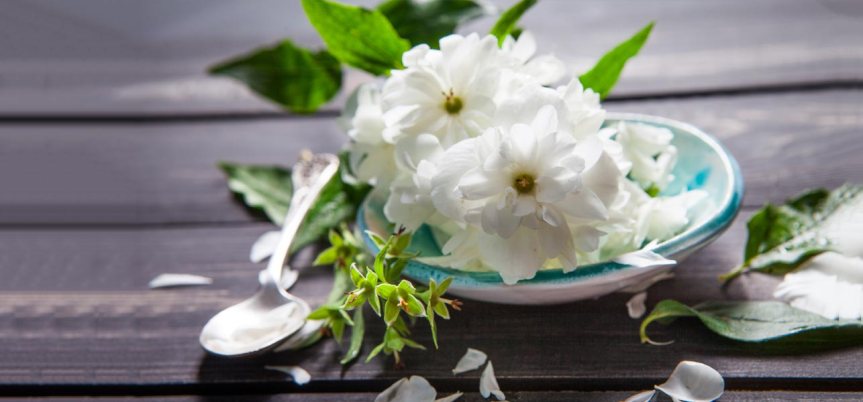
Common Name: Winter Jasmine
Genus: Jasminum
Species, Hybrids, Cultivators:
J. nudiflorum. J.polyanthuvigorous
vine; grown indoors; sprays of white blossoms.
J. mesnyi-primrose jasmine; evergreen vine with long, arching branches; lemon yellow flowers, February-April.
J. officinale-poet’s jasmine; small, white fragrant flowers in summer; not suitable for extremely cold climates; glossy, semi-evergreen leaves
Family: OLEACEAE
Blooms: Winter
Type: Perennial
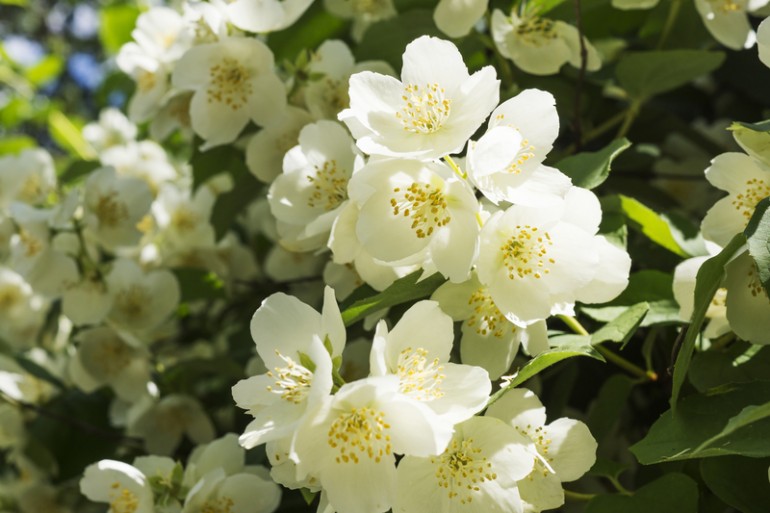
Description: Bright yellow flowers on some species of this vine brighten up the winter garden. It can also be grown as a shrub. The flowers are 3/4 to 1-inch across and generally appear before the leaves, which are deciduous. The vines are graceful, green, and slender.

jasmine-770x513

Cultivation: Winter jasmine needs full sun or partial shade but is adaptable to a wide range of conditions. It is considered hardy and easy to grow, and most species withstand cold particularly well. Selective pruning of dead branches will improve the health and appearance of the plant.
Of…

View original post 282 more words

Plant Profile: Yerba Mansa

Crooked Bear Creek Organic Herbs's avatarCrooked Bear Creek Organic Herbs

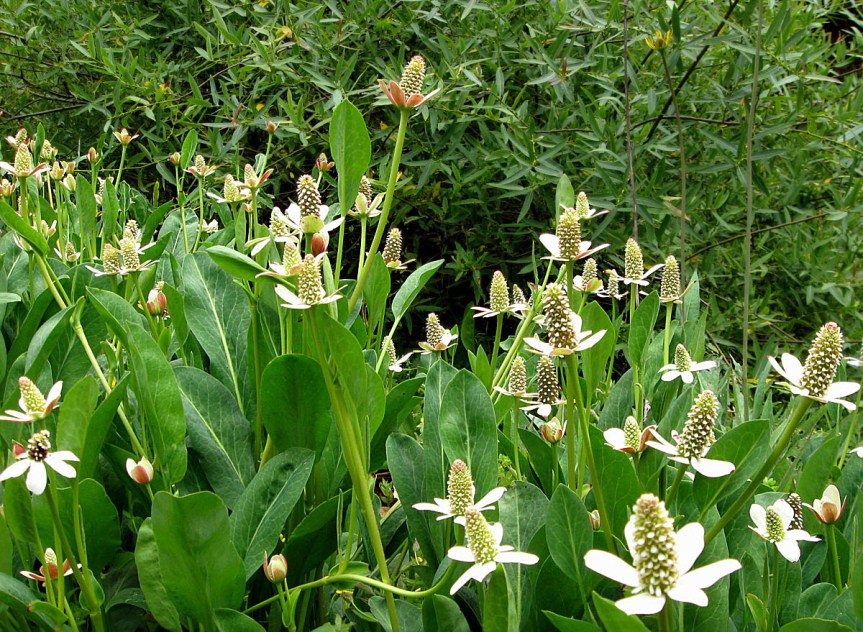
Anemopsis californica

Also, Known As:

  • Lizard’s Tail
  • Queue de Lézard
  • Swamp Root
  • Yerba Mansa
  • Yerba Manza

Usually, the yerba mansa, scientific name Anemopsis californica, is depicted as a perennially growing herb. Native to the United States, this herb grows most actively during the spring and summer. The foliage of this plant is green and it produces unremarkable white blooms along with plenty of prominent brownish fruits or seeds. The yerba mansa produces maximum blooms at the onset of spring while the fruits and seeds are produced from the beginning of spring to the end of the season.

The yerba mansa is found growing in stands in marshes and boggy swamps, along river banks. For instance, this herb is found growing naturally along the Colorado River and downstream into some places in Mexico like Chihuahua and Sonora. This plant does not grow very tall and bears smoothed and slightly juicy leaves whose…

View original post 2,485 more words

Plant Profile: Chuchupate, Oshá

Crooked Bear Creek Organic Herbs's avatarCrooked Bear Creek Organic Herbs

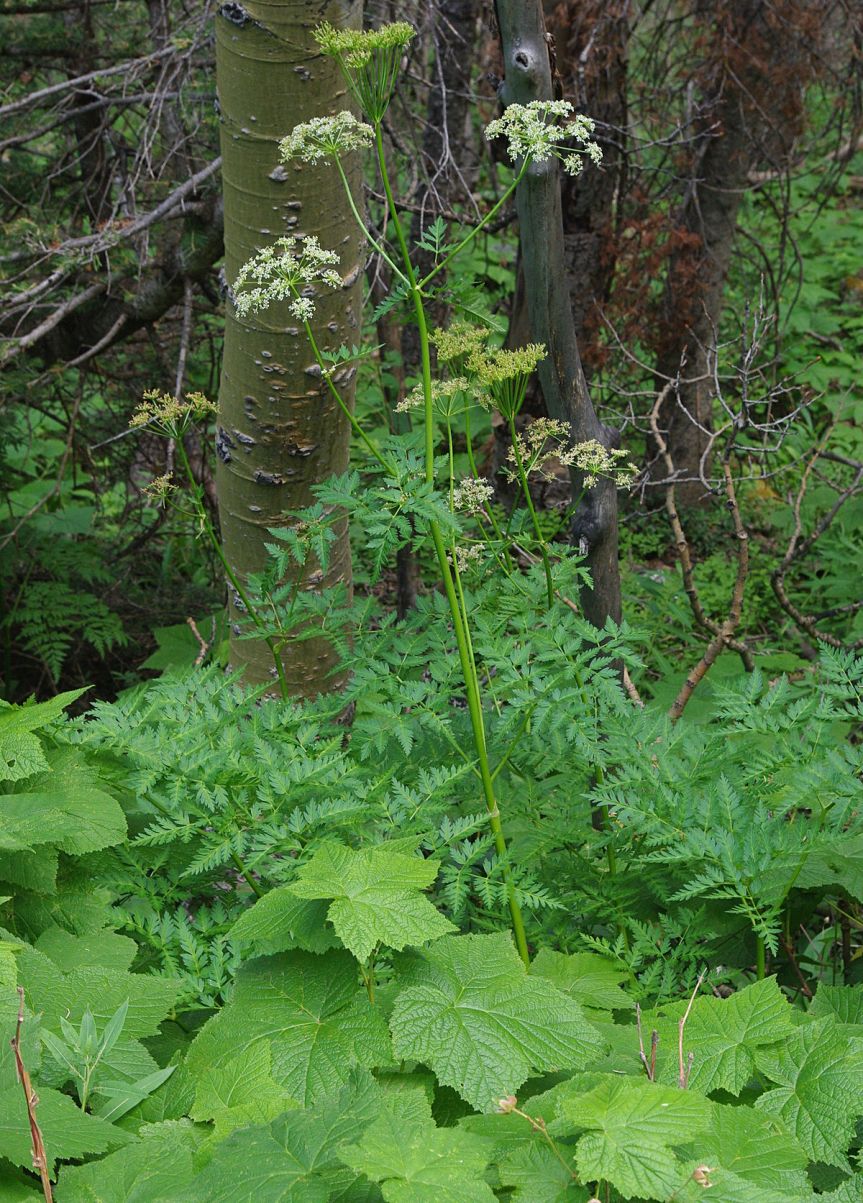
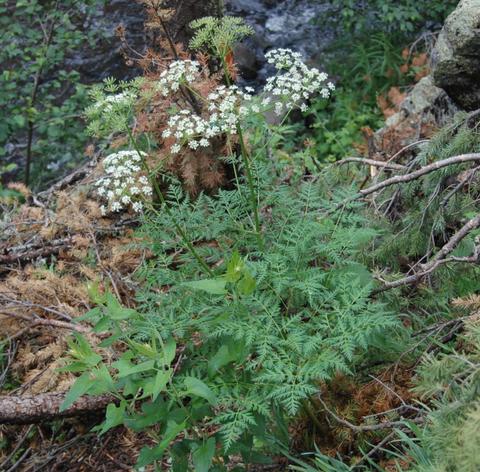
Ligusticum porteri – Chuchupate, Oshá

Other Names:  Bear Root, Colorado Cough Root, Chuchupate, Hunawpi, Nawpi, Wasike, Shush, Chuchupaste, Porter’s Lovage

Ligusticum_porteri_-_Chuchupate_Osha_largeOrigin:  Chuchupate is found primarily from the Rocky Mtns. south down into the Cordillera of Mexico. Widely used by peoples of the Southwest and Mexico with a far-reaching significance in their cosmology. The plant is greatly varied in terms of size, scent, growth characteristics, and adaptability to the environment. It is not grown commercially, but is prolific in the mountains of Colorado, primarily SW Colorado.
Energetics:  Hot & Dry. Pungent, spicy sweet, bitter. Vital Stimulant. Tonic.

Properties:  Stimulating diaphoretic, stimulating expectorant, circulatory stimulant, antiviral, carminative, aromatic bitter, digestive, antimicrobial, styptic, anodyne, antiseptic, emmenagogue

Uses:  Cough, sore throat, colds, influenza, bronchitis, fever, empacho, indigestion, injured joints/tendons/ligaments, bruises, toothache, snake bite, wounds, stings, or spider bites.

Appearance, Habitat & Poison Relatives

Ligusticum porteri has opposite or whorled…

View original post 1,934 more words

Healthy Lungs: Health Benefits of Chapparel

Crooked Bear Creek Organic Herbs's avatarCrooked Bear Creek Organic Herbs

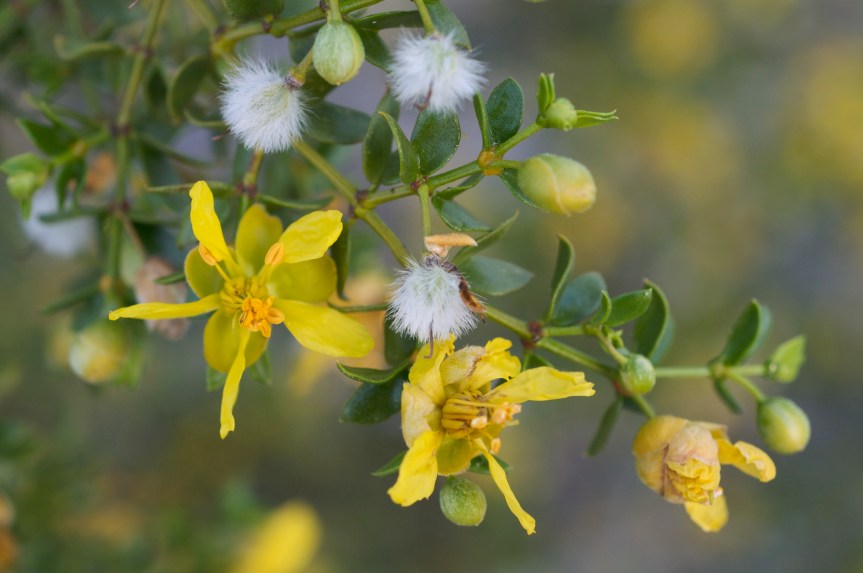
There’s good news for sufferers of upper respiratory ailments. Chaparral is a flowering plant found in the deserts of southwest North America that may provide relief via its natural, organic compounds. Native Americans have historically appreciated chaparral for lung detox and addressing respiratory problems such as symptoms of bronchitis, cold, and congestion.

View original post 1,436 more words

What Is Orris Root?

Crooked Bear Creek Organic Herbs's avatarCrooked Bear Creek Organic Herbs

Iris pallida

Also, Known As

  • Dalmatian Iris
  • Orris Root
  • Sweet Iris

The term orris root is used to denote the roots of a number of species, including Iris germanica, Iris pallida and Iris florentina. They have a very sweet fragrance, which is more distinct in some bearded irises compared to others. The aroma of the flowers of a particular species known as Iris pallida is considered to be the best. In fact, it is difficult for one to miss the characteristic fragrance of this flower, which blooms during spring. Just take a sniff of the aroma and you will surely admit that its smell is akin to that of grape soda.

The flowers of Iris pallida measure about four inches in diameter and appear in the later part of spring. Every branched stem of this plant bears anything between two and six attractive pale bluish-purple blooms.

Native to Croatia, this…

View original post 1,549 more words

Blue Flag: Wild Irisis

Crooked Bear Creek Organic Herbs's avatarCrooked Bear Creek Organic Herbs

Iris versicolor

Also, Known As:

  • Blue Flag
  • Blue Iris
  • Flag Lily
  • Fleur-de-lis
  • Flower-de-luce
  • Iris
  • Liver Lily
  • Poison Flag
  • Snake Lily
  • Water Flag
  • Wild Iris

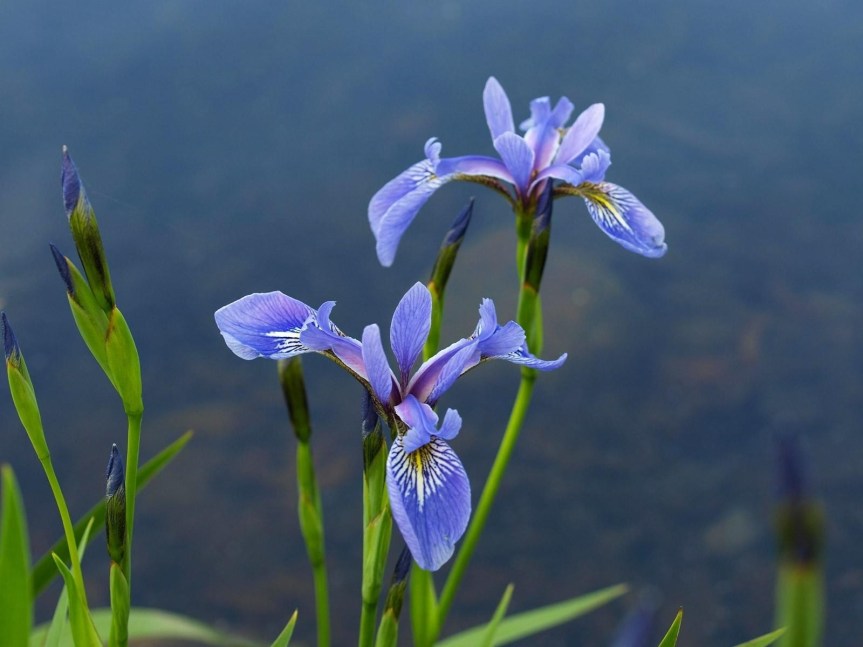
Blue flag (botanical name, Iris versicolor) is also known as wild iris and it prevails nearly all over the West. The appearance of the blue flag is similar to that of the common iris, having elongated lance-shaped leaves and decorated with a pale lavender or bluish-purple bloom just a bit lesser in size compared to the garden varieties. In effect, the blue flag is considered to be an affable plant which prefers to grow in clusters rather than growing in isolation. It is said that there is nothing more beautiful compared to walking across a complete meadow with a blue flag in bloom during the period between late June and early July.

The leaves of blue flag are slender, lance-shaped and have two levels of sword-shaped…

View original post 1,507 more words

Symbolism of Violet: February Birth Flower

Crooked Bear Creek Organic Herbs's avatarGood Witches Homestead

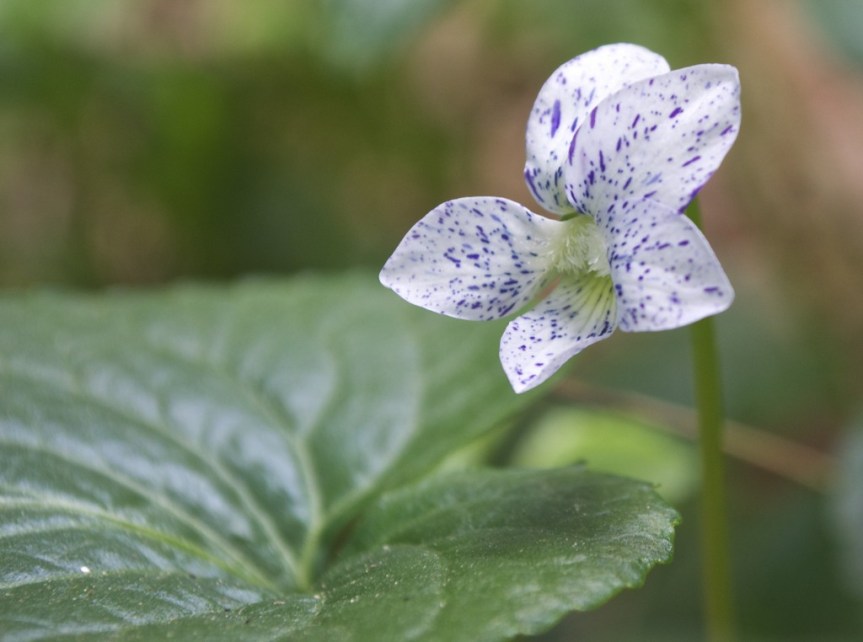
The violet has a charming and long history of mythology. Greek myth states that Zeus fell in love with Io. Zeus was afraid that Hera, his wife, would discover him and Io, so he made Io into a white heifer. Zeus created the sweet-scented flower that we know as the violet for Io to eat while she was a heifer. Hera placed an insect pest on Io as the white heifer, so she roamed all over the land trying to free herself from the pest.  Zeus finally caught the heifer and put his hand on her, and she turned back into Io. She gave birth to their child, who founded many nations.

Another Greek myth states that Persephone, a young lady, was walking in a field of violets when Hades saw her and fell in love with her. Hades took her to his kingdom of death and the world became…

View original post 857 more words

The Medicinal Properties and Health Benefits of Violets.

Crooked Bear Creek Organic Herbs's avatarGood Witches Homestead

Violets have been known throughout history as a healing herb. An example that was proven by research was that Viola odorata contains phenolic glycosides, flavonoids, saponins, alkaloids, mucilage, and tannins among other things. These compounds work in several ways to cure ailments.

Violets have been known throughout history as a healing herb. Hippocrates, in the ancient times, classified the violet as a “moist” plant, which is best used for treating liver disorders as well as bad tempers. In the 16th century, the English used syrups made from violets for their laxative properties. Violet remedies were also used for pleurisy, epilepsy, and jaundice. Culpepper, a 17th-century herbalist states that “All the violets are cold and moist while they are fresh and green, and are used to cool any heat or distemperature of the body.” He personally recommends the use of violet concoctions to treat various skin and eye disorders, as well…

View original post 1,641 more words

Primrose: The Flower of February

Crooked Bear Creek Organic Herbs's avatarGood Witches Homestead

COMMON NAME:  primrose
GENUS:  Primula
SPECIES, HYBRIDS, CULTIVARS:
P. denticulata-lavender, purple, or white flowers; grows to 12 inches. P. japonica ‘Millar Crimson’-flowers whorled around 24-inch stem; blooms May-June. P. polyanthus-best known; colors are red, pink, blue, gold, and white, all with small yellow eyes.
FAMILY:  Primulaceae
BLOOMS:  spring
TYPE:  perennial
DESCRIPTION:  Primroses form an attractive rosette of crinkly, light green leaves. The flowers are generally brightly colored and occur in tight bundles on individual stems above the leaves.
CULTIVATION:  Needing partial shade, primroses thrive in well-drained, rich soil. They are indigenous to cool, moist meadows and woodland environments  Duplicating these conditions as closely as possible will create the best growing conditions for primroses. The soil should not be allowed to dry completely. To retain vigorously blooming plants, divide clumps every four to five years. Seeds should be sown in midsummer for bloom the following spring.

primrose day

Primrose is beloved…

View original post 706 more words