
by Angela McDonald
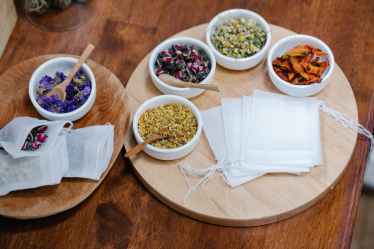 Most of the teas that we drink these days are blended at some point. Even teas that seem simple such, as ginger or English Breakfast. The reasons for blending teas are varied but the most important one is this: blended teas taste good. My favorite reason is that when blending teas, the possibilities are endless!
There is nothing magical about the process of tea blending. Just like cooking, it mostly takes experimentation and creativity. Though big companies have whole departments dedicated to flavor experimentation and precise tea blending, there is no reason that we cannot all do this in our home kitchens. The hard part is knowing how to start.
Here are a few tips for blending:
Know your ingredients – not all herbs taste the same even if it seems like they should. Taste each ingredient individually so you can understand it before you start blending…
View original post 202 more words
 The summer solstice is a time when the natural world is ablaze with life, when the energies of light and warmth are at their peak. This celestial dance of light and shadow held profound significance for our ancestors. It was a time of celebration and thanks for the coming harvests, and a time to relax for a bit and play. Still today, some cultures celebrate by kindling fires, symbolizing the transformative power of the sun, and many communities gather to dance, sing, and rejoice in the abundance of the season.
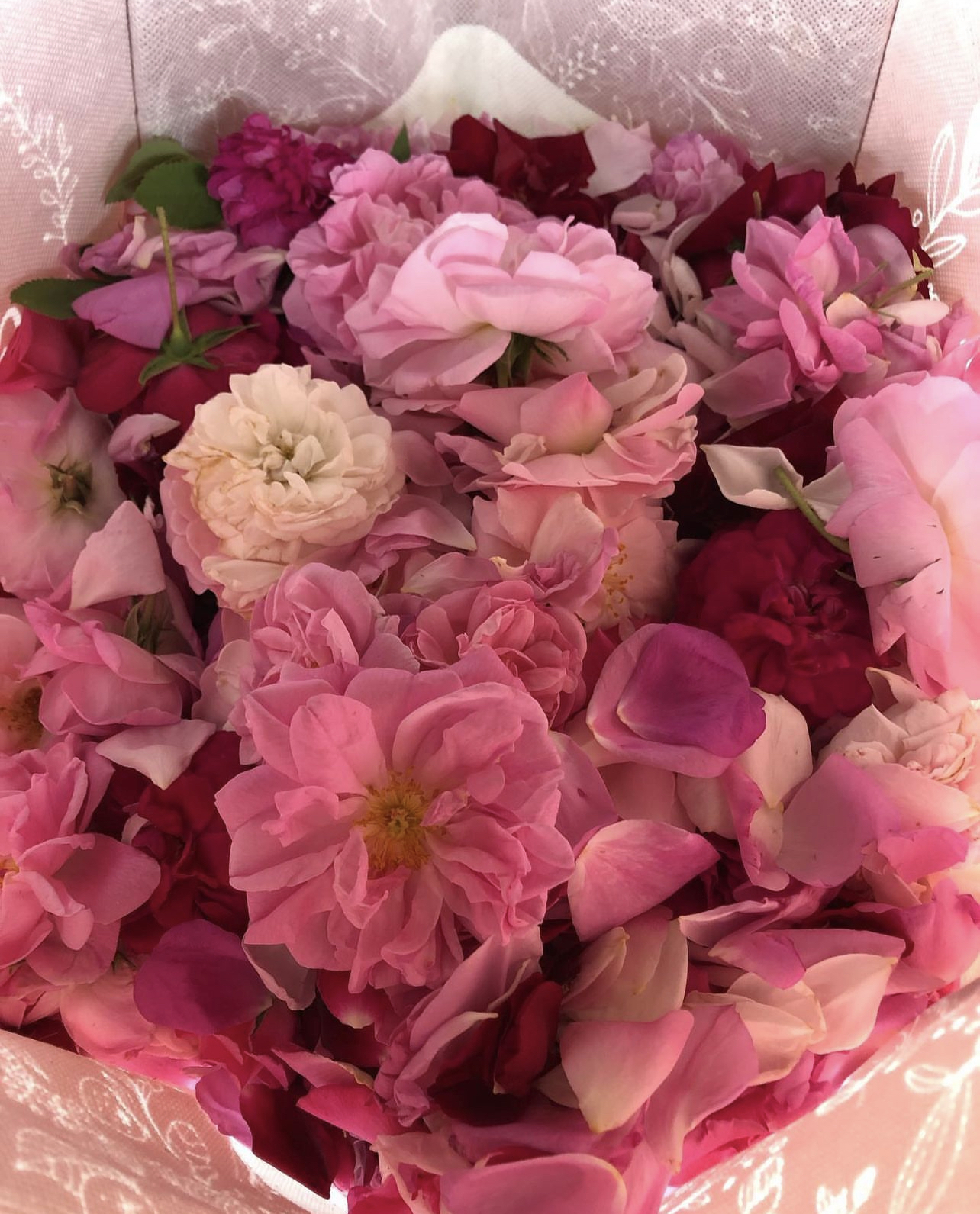 From as early as I can remember, I have been completely smitten by the beauty and versatility of roses. As I have mentioned before, my father was a passionate gardener who loved heirloom roses. Being a trained biologist, he knew the value of gardening organically, and he promoted the benefits of mycorrhizal fungi in the late 70s to strengthen the roots of his garden plants. Instead of using fungicides and pesticides, he planted fragrant herbs among the roses, knowing that many common rose pests would be deterred by the essential oils that they released. He would always tell me, “Remember Beth Ann, feed the roots first and forget about the flowers, because if you feed the roots, the flowers will always be healthy and beautiful.” This is a piece of advice I have followed to this day with real success.
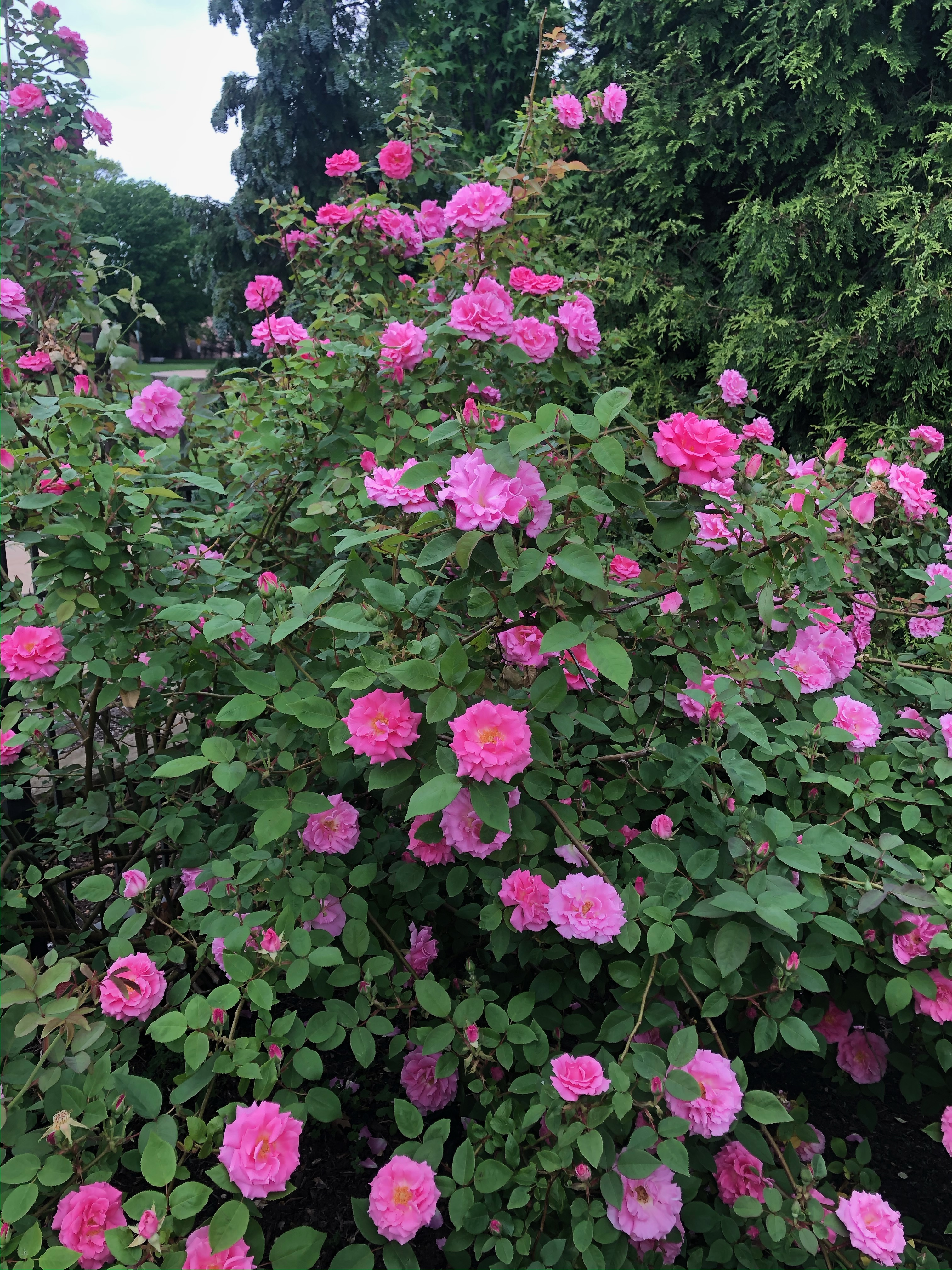 Like many artists for centuries before…
 I love being able to step out into the garden and snip fresh herbs whenever I need them. Yesterday, I was making ham and bean stew in the crockpot. I was inspired to add thyme so I cut off a few sprigs from the thyme growing in the front of the house. I looked around and snipped even more herbs: cutting celery, oregano, sage, and rosemary. Except for the cutting celery, these are perennial herbs that should be in everyone’s garden. They can be tucked in the ornamental bed just like any other perennial plant. In the spring, you can purchase the small plants from a nursery or you can ask a friend for a cutting or division. Once you have them in your garden, you can enjoy them year-round and nothing will bother them, not even deer.
 Botanically speaking, the cutting celery is a…

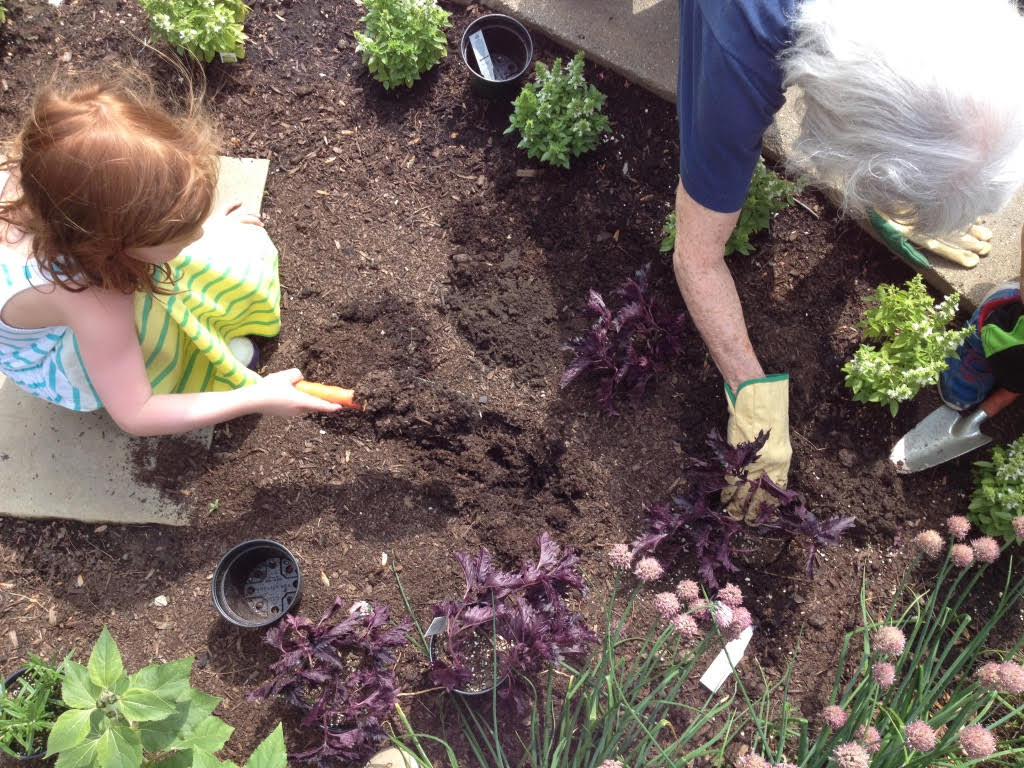 Have you ever said to yourself or others, “My garden is my therapy?” If you have noticed that you feel more relaxed and even rejuvenated after imbibing the beauty, fragrance, and even hard work in your garden, you are not alone! Gardening provides physical exercise, as well as a rewarding intellectual and emotional connection. When recognized on a personal level, it is not a stretch to see how people in a wide variety of care environments who are facing diverse personal challenges can benefit from professionally facilitated horticultural experiences as well.
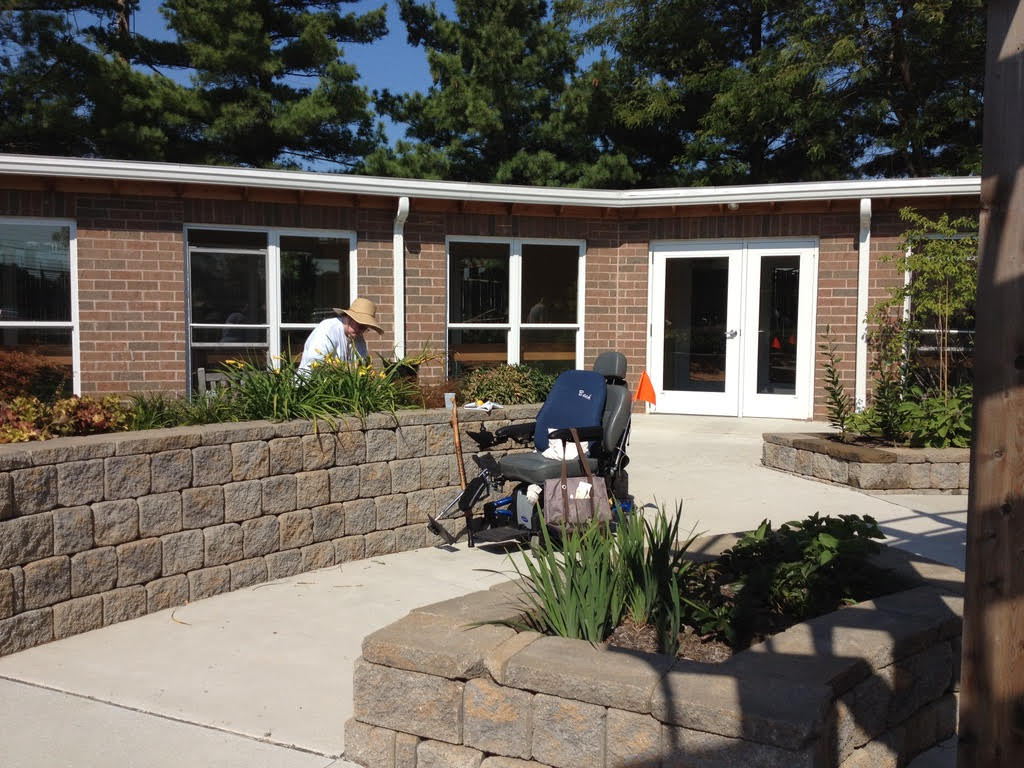 The profession of horticultural therapy (HT) was formalized in the early 1970s, though people have sought out gardens and gardening activities for respite and health recovery well before then. The practice of horticultural therapy involves a plant-based activity, a horticultural therapist, client(s), and identified treatment goals and objectives. Either in a group or as individuals, clients participate in outdoor…
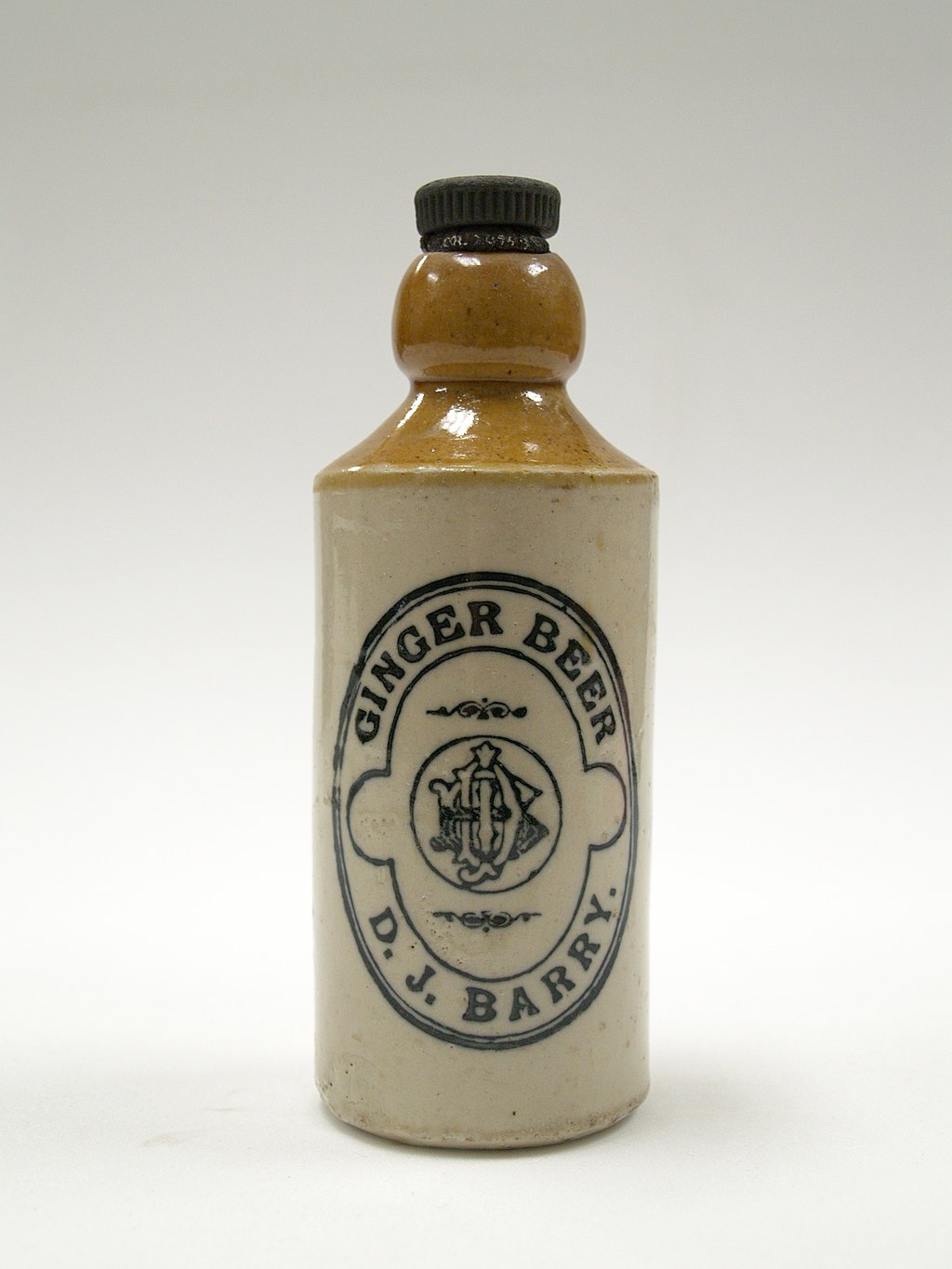 The fresh or dried rhizome of ginger (Zingiber officinale) has been used “as a condiment and aromatic stimulant from ancient times”. And from as early as the 15th century, ginger was exported from Zanzibar—a possible origin of the Latin, Zingiber—for use by healers, monks, and herbalists in tisanes, syrups, tinctures, and other carminative simples.
 Paths I Walk
You must be logged in to post a comment.