Living in Lines vs. Living in Circles

By Dana O’Driscoll

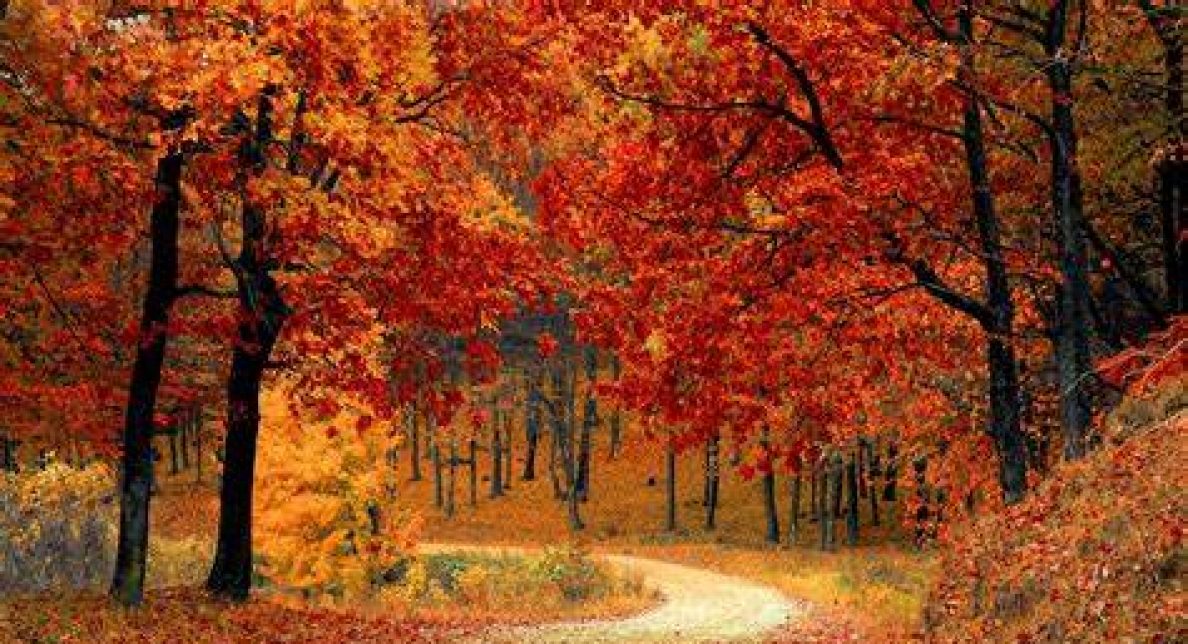
Nature is a perfect system.  A tree falls during a thunderstorm.  Within several weeks, the wood is colonized by fungi, bugs, and others who begin the years-long process of breaking down the wood and returning all of the nutrients into the web of life.  Soon, oyster mushrooms are erupting from the log, bugs burrow in deep, and mice make their home under the old roots.  In 10 or 15 years, moss grows thick, and an acorn takes root and begins to grow in the soil that was a stump.  The tree’s trunk becomes a nursery tree for many other plants to get a foothold, off of the forest floor.  Suddenly where there was death, there is life. This circle continues and continues, connecting us all in a great web of life.  There is no waste in this system–every single part of nature can be recycled and reused infinitely.

Serviceberry
Serviceberry is part of this beautiful ecosystem!

One of the challenges humans have in this age is that they have built systems that have disregarded the cycle of life, which includes both creating things that do not easily return to nature and removing ourselves entirely from this system.  Rather than think in a circle or cycle, we think in a line. This embedded linear thinking currently pervades modern Western human society.  The Story of Stuff short film series does a great job of visually describing these problems: many human systems are based on the foundation of greed, quick profit, and short-term linear thinking.  What often happens when someone takes up nature spirituality is that their patterns of shifting slowly change from lines to circles.  This happens with people connecting to many different nature-connected communities: including  nature spirituality, gardening, rewilding, bushcraft, natural building, or permaculture practice.   As soon as you start being part of nature, living with nature, and connecting to nature, you are aware of the cycle.  The longer you take up these practices, the more profound this cyclical thinking becomes.

Continue Reading …

The Ultimate Guide to Japanese Barberry: Identification, Medicinal Virtues, Uses, and How to Host a Barberry Pull and Wild Medicine Making Event

Dana O’Driscoll

Lately, I’ve been exploring how to build relationships with all plants in the ecosystem, including opportunistic (invasive) species and in and in re-orienting our view away from just a  human-centric one and re-centering nature.  Just like anything else in nature, opportunistic plants have much to offer us, and learning to honor them, their uses, their medicine, and how to work with them is an important part of aligning with our local ecosystem. In today’s post, I want to do a deep dive into one such common opportunistic species throughout Eastern North America – Japanese Barberry (Berberis thunbergii)–and create a comprehensive guide. First, I will share a story of an event I recently hosted in collaboration with two organizations to help remove and educate the public on Japanese Barberry and European Barberry (two opportunistic species listed on Pennsylvania’s Invasive Species list). I’ve had multiple readers ask for how to do this and to share resources to organize.Then, I will will offer resources for this specific plant in terms of identification, harvest, processing, and medicine making.

I have intentionally made this guide very comprehensive with the goal of making this a primer for people who want to offer a similar kind of event.  You have my permission to reproduce and adapt parts or all of this post and the additional PDFs and photos to help teach about barberry and the medicine of the plant.

Continue Reading …

Sunlight and Sage: Welcoming the Summer Solstice

By Beth Schreibman Gehring

Photo of strawberries and mint leaves

Long before calendars and clocks, before schedules and spreadsheets, there were the sun and the stars and those of us who watched them closely—gardeners, healers, farmers, mothers. The summer solstice, the longest day of the year, was a sacred moment. A time of warmth and waiting, of ripening berries and blooming roses, of hands deep in the soil and hearts lifted to the sun.

For me, this day has always held a special kind of magic.

Continue reading

White Lilac Tea Cakes: Venusian Indulgence

Salad Burnet ~ April’s Herb Of The Month

If This Isn’t Good Medicine, I Don’t Know What Is

To find good medicine, look in a forest.  In a forest, you’ll encounter plants that have the ability to heal human ailments.

Many years ago, I learned about the medicinal properties of a particular woody plant.  This woody plant, when applied to my face as an extract, improved my poor complexion.

Over the years, I’ve been able to maintain a decent complexion thanks to this plant (and thanks to significant lifestyle changes).  While I no longer rely on this plant to heal my physical ailment, I do rely on it to address an existential problem.

Plaguing the human species, this problem can be solved if we know where to look.

To learn more about this plant and its ability to offer good medicine, check out the brand-new video.

I’d also like to mention that I’ll be part of the Wild Ones Western PA Chapter’s annual symposium on March 26, where I’ll be joining a panel discussion focused on strengthening communities and native habitats.

You can learn more about the event here.

Thanks for reading and watching, and thanks for your continued support!

— Adam Haritan

Juniper: A Common Evergreen

Welcoming the Winter Solstice: A Celebration of Light, Magic, and Nature’s Gifts

Brilliantly Blue: The Wonders of Butterfly Pea

Using Elemental & Magical Frameworks for Daily Herbal Formulation – Herbalism Series