

The good ideas just keep coming! Read on for the third installment of reader-submitted herbal hacks: garden care and herb drying tips.
 In summer, I dry herbs in paper bags in the rear window of my car. It only takes 2-4 days, depending on the amount of sun. – Gail Seeley
Fill a lidded, plastic trash can with water, then measure out and and add your favorite water soluble plant food. Store your watering can inside. This tip will make caring for plants in containers much easier. –Holly Cusumano
 Excerpt from Herbal Sampler, 2nd ed. You can dry herbs in your frost-free refrigerator. This method results in good quality and keeps the bright color of the herbs. Make sure the herbs are clean and dry. Remove the leaves from stems and place on a section of paper towel. Roll or fold the towel to cover the herbs…
View original post 420 more words



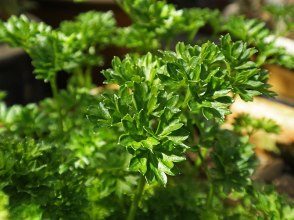 The spotlight is shining on parsley this month. Parsley (
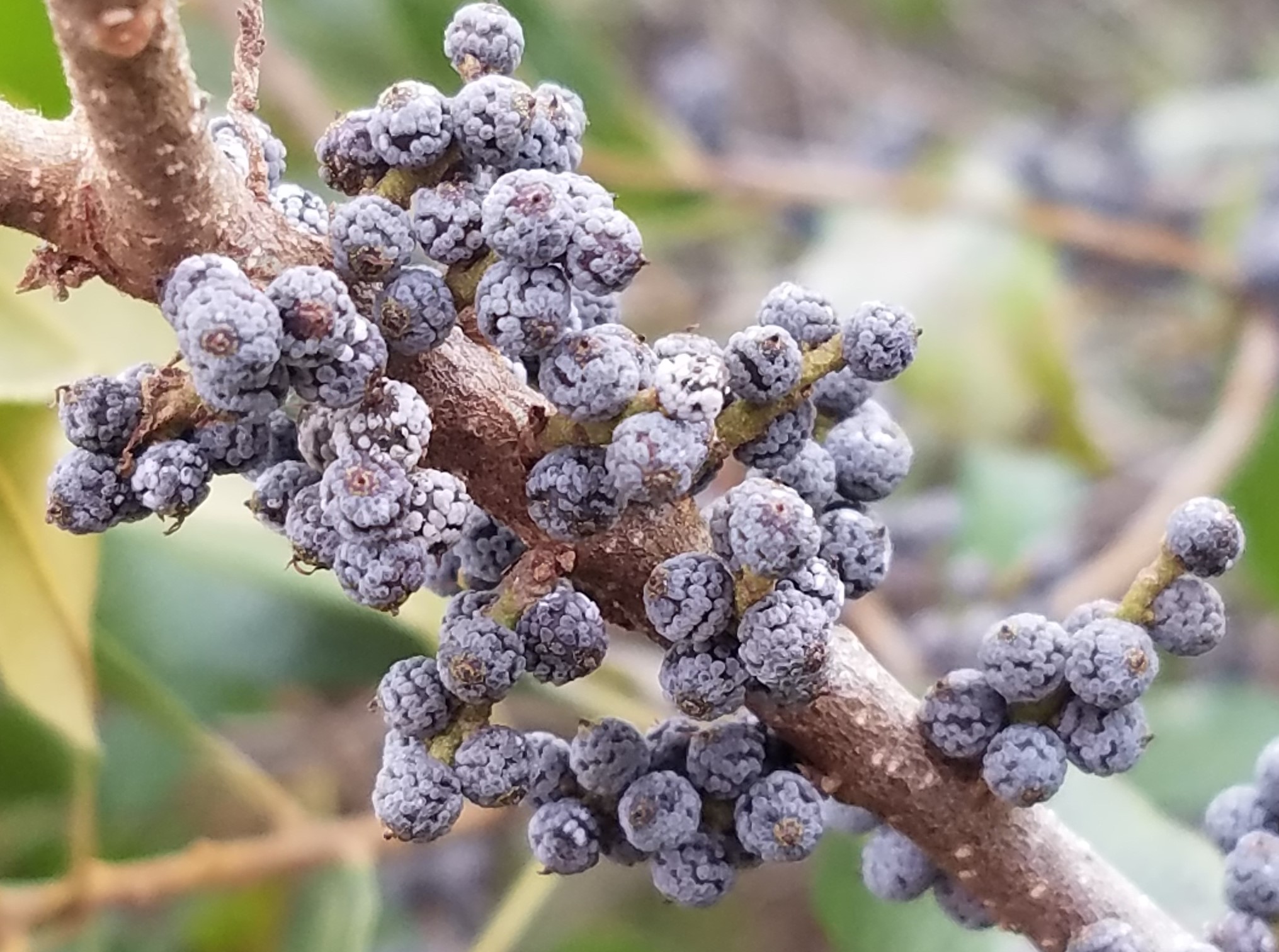 Early in our history as a country, many were short on money and luxuries such as candles. Livestock numbers were as yet too low to produce the quantity of tallow needed to make candles affordable, so following the lead of Native Americans, householders turned to candlewood to provide light on winter evenings.
 Last week we looked at some of the beverages important to a Trinidad Christmas. Now let’s talk about some of the foods and the special ingredients needed to make them.
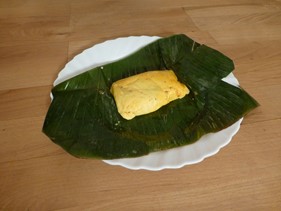 into a party and making large quantities assembly-line style. This is part of what makes them such a Christmas treat. Every island has their own…
 I was visiting my mother just a few weeks before Christmas in 2017. She had recently moved to a wonderful small family-run assisted living home. The owner, Ann Abdul, asked me if I’d like to taste some “sorrel drink” she had made for the holiday season. I had no idea what that was. It looked Christmassy–a brilliant ruby red. I took a sip, and the most delicious taste filled my mouth. It was a rich, complex, and unfamiliar burst of flavors. But it tasted like Christmas, too—it was sweet, and I thought I could detect cinnamon, cloves, and vanilla. But it also tasted a bit like lemonade with a pronounced citrusy tartness. I loved it, and I had to know more!
 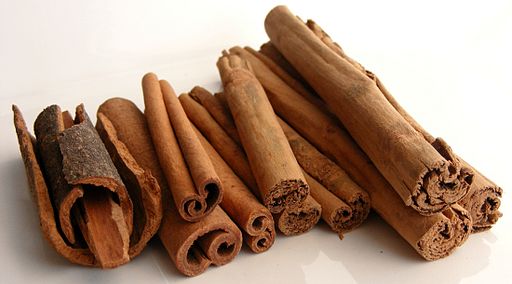 The two most common cinnamon species are “true” or Ceylon cinnamon (

You must be logged in to post a comment.