Category: Health

Let’s Create Some Herbal Remedies – When Cold and Flu Season Arrives.

These two recipes are prepared as teas but are not taken in your tea cup – they help with the discomfort of flu season in other ways.
Winter Inhalation
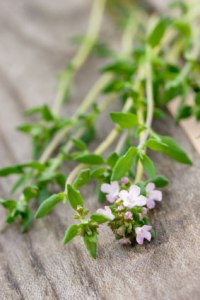 This traditional herbal steam helps open your sinuses, discourages bacterial and viral growth, and reduces pain and inflammation. Remember to stay a comfortable distance from the steaming pot to avoid burning your face.
8 – 12 teaspoons fresh or 4 teaspoons dried eucalyptus leaf {Eucalyptus globulus}
2 – 3 tablespoons fresh or 1 tablespoon dried peppermint leaf
2 – 3 tablespoons fresh or 1 tablespoon dried thyme herb
3 cups purified water
Essential oils of the herbs above {optional}
Place the eucalyptus, peppermint, thyme, and water in a saucepan and stir to thoroughly combine. Bring to a boil, reduce the heat, and simmer, covered, for 5 to 10 minutes. Remove from the heat and uncover. Drape a large towel…
View original post 371 more words
Food as Medicine Update: Sweet Potato (Ipomoea batatas, Convolvulaceae)

The sweet potato (Ipomoea batatas, Convolvulaceae) is a trailing, herbaceous perennial in the morning glory family.1,2 It is indigenous to Central and South America and grows best in subtropical climates, spreading along the ground and producing oblong, tuberous roots. There are more than 400 sweet potato varieties, and most have yellow-brown or copper-colored skins with bright orange or yellow-red flesh.3 Orange-fleshed sweet potatoes (OFSPs) are the most common varieties consumed, but white, cream, yellow, pink, and deep purple varieties also exist. The sweet potato plant has alternate, heart-shaped leaves and produces funnel-shaped white, pink, or rose-violet flowers that appear in clusters in the leaf axils as the plant matures.4
Taxonomic confusion can arise over the common name “yam” that often is given to sweet potatoes in the market. Botanically speaking, true yams belong to the genus Dioscorea (Dioscoreaceae) and are much less common in the United…
View original post 2,927 more words
THE GOOD SIDE of BEING DOWN

The anatomy of anger, envy, sadness, and fear
Negative emotions do us a great favor – they save us from ourselves.
They’re mysterious signals, that oftentimes surge for “no apparent reason”, urging us to pay attention and change what we’re doing. Emotions that generate unpleasant feelings have been called sins (anger, envy), rejected in “polite” interaction (jealousy, frustration), or identified as unhealthy (sadness, shame). Culturally we’re taught to suppress these feelings, or medicate them, and punish ourselves for feeling them. Because these feelings are mostly seen as unpleasant, they are often called “negative” emotions… although “negative” is a misnomer. Honestly, if you think about it, emotions are not inherently negative or positive, they simply are a feeling to situations that happen. In esoteric practices, for example, they are distinguished by much more than whether they feel good or bad. Beneath the surface, every emotion orchestrates a complex expression of changes in motivation…
View original post 1,139 more words
BE A HERBALIST THIS FALL

Autumn is the time to ground down and return to our inward selves. After the ethereal light and abundant days of summer, we start to prepare for the darker days ahead. It’s the best time of year to set intentions, get quiet, create and manifest dreams, and to re-commit to healthy habits–the simple things that add up to a healthier state of being.
Wherever you are in the world and whether you experience a dark winter or not, honoring the seasons within the body is one of the most fundamental practices within herbalism.
1. INVITE WARMING, GROUNDING AND NOURISHING RITUALS BACK INTO YOUR LIFE
From a holistic, traditional standpoint, each season is characteristic to an element or quality within nature, and we should guide our lifestyle choices to support the season. For example, in Traditional Chinese Medicine, this season marks the beginning of the Yin (cool, watery, deep) part of…
View original post 618 more words
A Druid’s Guide to Herbalism, Part II: Preserving and Preparing Sacred Plant Medicine

The moonlight shines through the window in my kitchen as I carefully use a mortar and pestle to grind dried herbs for making tea. Candlelight softly illuminates the space, and I have my recipe book with me, ensuring that I record everything that I’m doing for future use. Magic is in the air; working in a sacred space at a sacred time on the Fall Equinox ensures that these medicines will be potent, effective, and magical. On the counter, I’ve already finished my fresh New England Aster flower tincture; this keeps my lungs in good health and helps me manage my chronic asthma without pharmaceuticals. A pot of olive oil is infusing with herbs is on the stove; I am getting ready to add beeswax and pour it off into small jars. This healing salve will be for friends and family as Yule gifts. The kitchen is bursting with good…
View original post 2,609 more words
Food as Medicine: Cherry (Prunus avium and P. cerasus, Rosaceae)
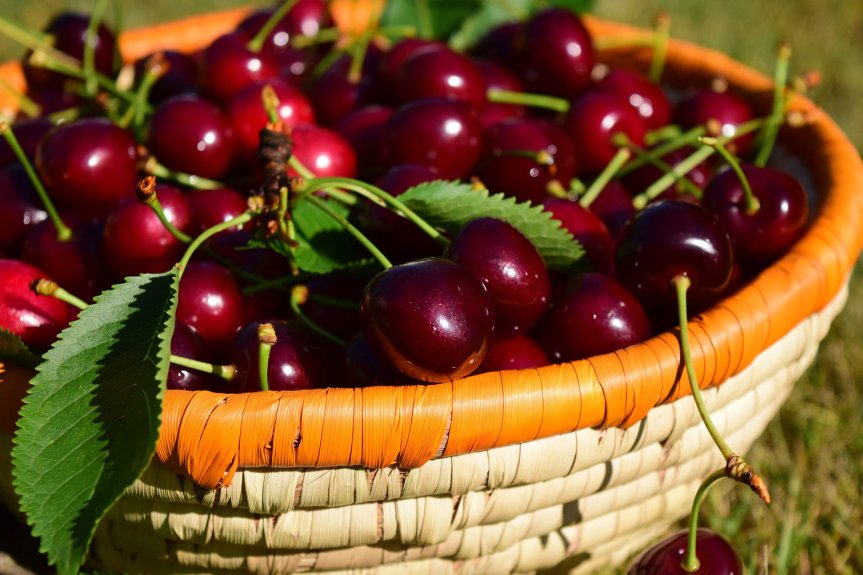
Take advantage of the fleeting cherry season to explore the fruit’s sweet side, sour side, and beneficial side. Due to their anti-inflammatory properties, cherry fruit and cherry bark have been used to treat and support a wide variety of chronic inflammatory conditions. In addition, the fruit’s rich phenolic compound content has been studied for their potential benefits for sleep disorders, exercise recovery, and cognitive function.
Known for both their ornamental beauty and sweet and tart fruits, cherry (Prunus spp.) trees are among the 3,400 species that belong to the economically important rose (Rosaceae) family. This botanical family also includes other fruit-bearing trees such as apples (Malus spp.) and pears (Pyrus spp.), as well as herbaceous perennials like strawberries (Fragaria spp.) and brambles like blackberries (Rubus spp.) and raspberries (Rubus spp.).1
Cherry fruits are produced by various trees…
View original post 3,878 more words
Breeding Cannabis Chemovars for Patients Requiring Distinct Chemical Profiles for Optimum Efficacy
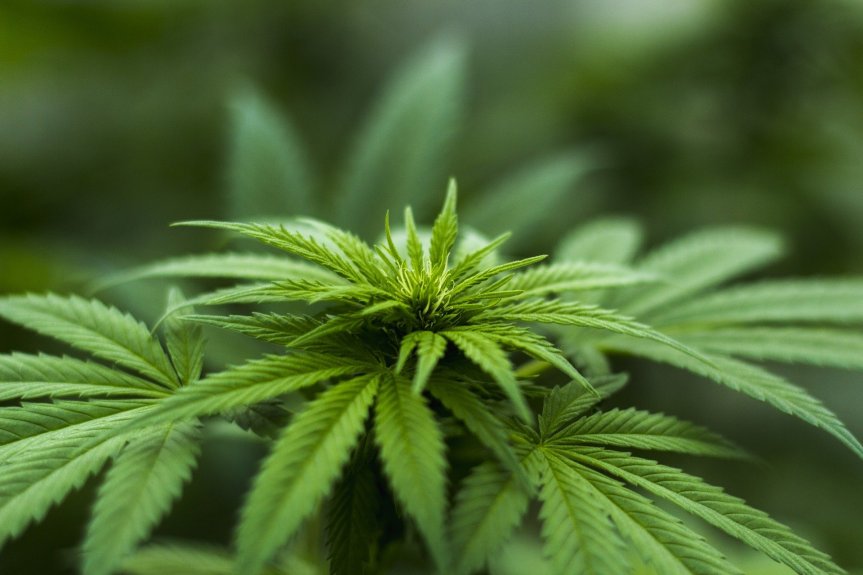
Proper exposition requires definition, certainly the case in the longstanding debate over cannabis (Cannabis sativa, Cannabaceae) speciation. Authors briefly introduce the ongoing dispute between followers of Fuchs (1542 CE) and Linnaeus (1753) and those of Lamarck (1783) and Schultes (1974). Lamarck described the putative “C. indica” and has been followed by proposed “compromise” naming like “C. afghanica,’ “C. ruderalis,” etc. If one holds that a species includes all plants capable of reproduction with each other, there is no debate. Cannabis is quite variable in height, branch density, leaf width, seed size, organoleptic and chemical traits, but all cannabis plants can interbreed. Nonetheless, “Sativa” and “Indica,” especially, have entered the popular lexicon, used even in medical cannabis dispensaries to denote the reputed differences in effect. A plethora of “strain” names – more properly varieties or cultivars, despite the illegality of the plant in…
View original post 667 more words
BACOPA MONNIERA: Brain Health and Nervous System Restorer

The Bacopa monniera herb, also known as Brahmi, has been used as a traditional Ayurvedic treatment for mental issues, epilepsy, and asthma. In fact, its documented medicinal uses can be traced back to the 6th century A.D.
A classic brain and nerve tonic, Bacopa is a medicinal herb that has been used effectively for several thousand years as a brain and nervous system restorer. The herb is known to increase mental clarity and promote improved memory and intelligence. It also assists in heightening mental acuity and supports the physiological processes involved in relaxation. In other words, it can keep you feeling relaxed while also boosting mental clarity, your focus, and mood. In fact, Bacopa is thought to help nourish neurons as it restores depleted synaptic activity.
Bacopa Monniera for Improved Memory
A 2006 double-blind, randomized study published in the Indian Journal of Psychiatry showed that the control group taking 125…
View original post 495 more words
Food as Medicine: Stinging Nettle (Urtica dioica, Urticaceae)
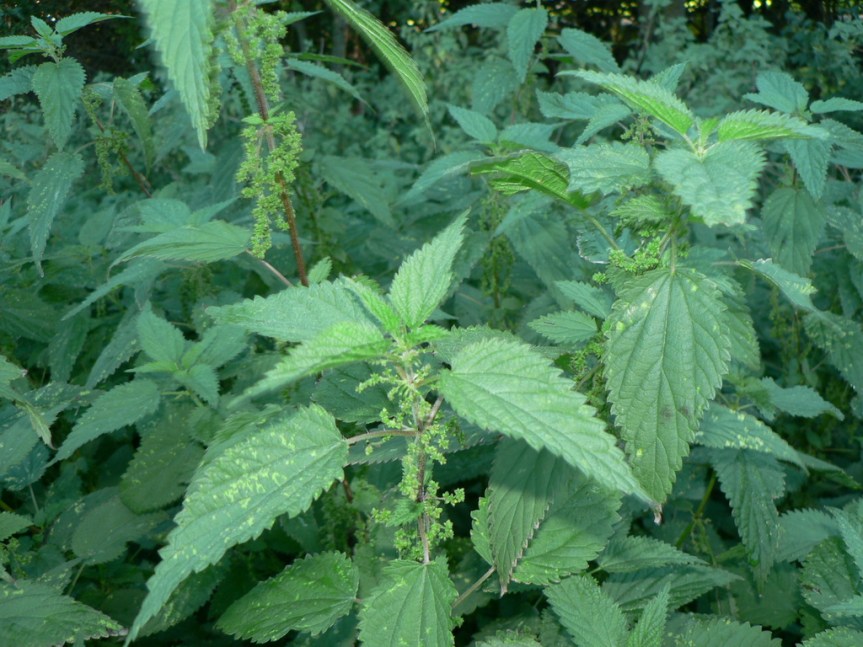
Urtica dioica (Urticaceae) is commonly known as nettle, common nettle, or stinging nettle. The species is an herbaceous perennial with a spreading growth habit. Growing 4-6 feet tall, stinging nettle produces numerous erect and wiry stems that hold up its opposite, roughly textured, serrated leaves.1-4 It produces small, inconspicuous greenish-brownish flowers that emerge as axillary inflorescences.2 The stems and undersides of leaves are covered with hairs called trichomes. When touched, these stinging trichomes inject a chemical cocktail that typically causes localized skin irritation as well as a painful, tingling sting from which the species has derived its most common name, stinging nettle.1,5
The Urticaceae family contains about 500 known species, distributed mainly in tropical areas.1 The genus Urtica, whose name comes from the Latin uro (to burn) and urere (to sting), consists of both annual and perennial herbaceous plants known for the burning properties of the…
View original post 3,981 more words
 Paths I Walk
You must be logged in to post a comment.