From Harvest to Hearth: Herbs for the Autumnal Equinox

By Beth Schreibman Gehring

A small above ground fire pit set in a lush garden

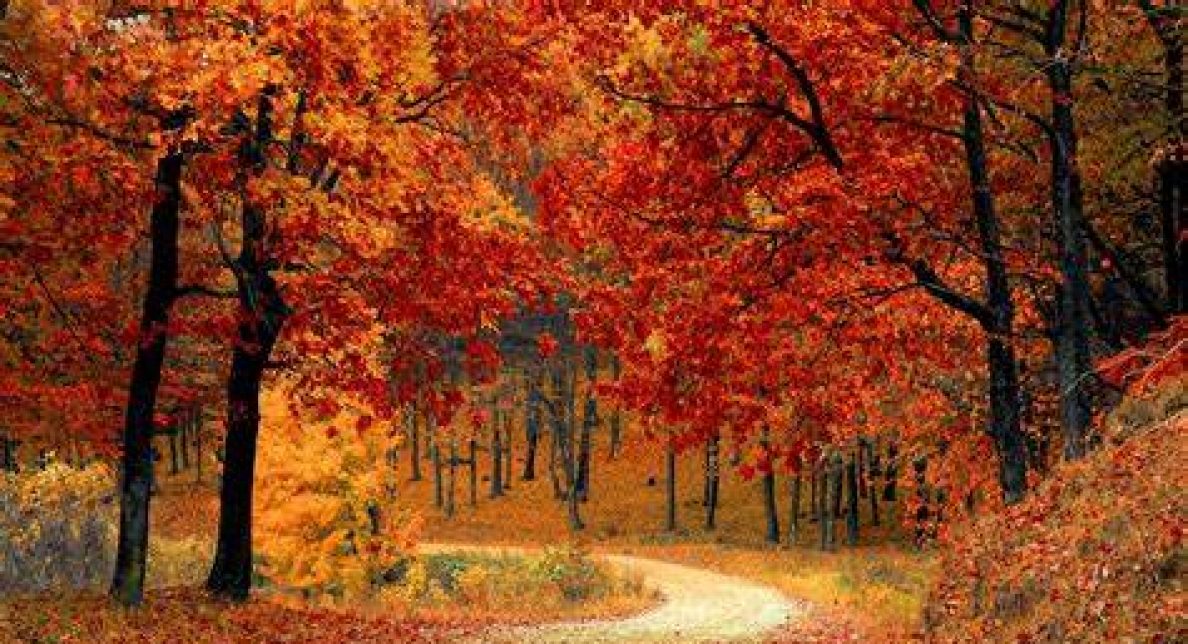
The autumnal equinox, which falls on September the 22nd, is a spoke in the wheel of the year — the brief pause when day and night are perfectly balanced, before the tipping into the darker half of the seasons. In the old calendars, it was a time of harvest and gratitude, a season of preparing pantries and hearts for the coming winter.

Across cultures, this threshold was marked with festivals. The Celts observed Mabon, a harvest rite of thanksgiving where fruits, nuts, squashes, and grains were gathered in and shared with kin and community. Herbs such as sage and thyme flavored the loaves and stews, while rosemary was woven into wreaths to bless the home. It was a season of pausing, giving thanks, and carrying the abundance of the fields inward. Continue Reading …
Setting Up and Using Your Home Herbal Apothecary

By Dana Driscoll

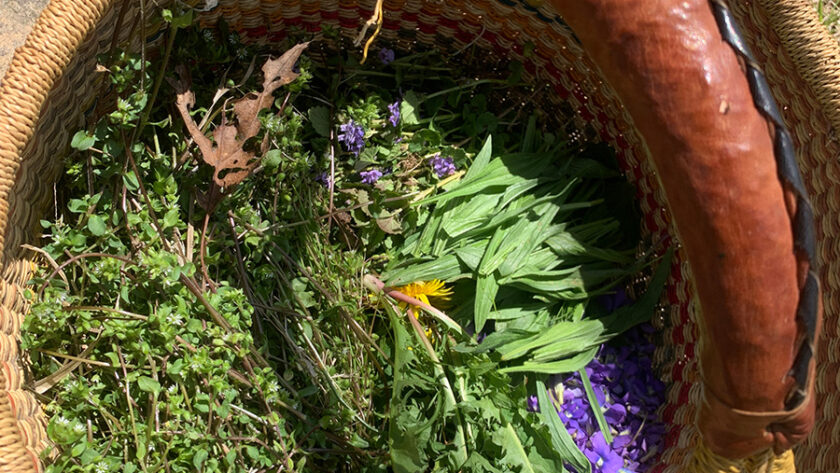
A growing number of people are taking an interest in herbal medicine. Why learn herbalism now? For many, it is a way to deeply learn and lean into the nature right outside their door. Further, learning how to identify, prepare, preserve, and use medicinal plants helps you take health into your own hands. A lot of people who live in the US (especially in rural areas) recognize that healthcare is more costly and more difficult to access: it is harder than ever to keep a family doctor or get specialist care, and it is so costly that a lot of people can’t afford visits, tests, or medicines.

Continue Reading …

Rose Sugar Navettes: Honoring Mary Magdalene

Danielle Prohom Olson

I’m sharing this recipe for Rose Sugar Navettes (little boats) in honor of the  Feast of St. Mary Magdalene on July 22nd. Today these were eaten across Provence, as they have been for several centuries, to commemorate the arrival of the “Three Marys” at Saintes-Maries-de-la-Mer (after the crucifixion) in a divinely guided, rudderless boat. While they are traditionally scented with orange blossom water, I’ve substituted rose water in homage to the Magdalene’s secret flower, not to mention the crunchy sugar topping made with fresh rose petals!  Positively redolent with a fragrance so divine, it’s no wonder the rose was the sacred flower of goddesses around the world. That’s the beauty of these simple, rustic cakes; they are suitable for any celebration honoring the divine feminine, whether Christian or pagan. 

Continue Reading …

Is Black Walnut Killing Your Plants

“Black walnut kills plants.”

I first heard this statement many years ago.  Occasionally, I still hear some version of this claim:  Black walnut engages in warfare by releasing a chemical into the soil.  This chemical kills or inhibits the growth of plants.

But is this entirely true?  Does black walnut actually kill plants?

Some people say yes.  Other people say no.

In a brand-new video, I share several key findings from scientific studies and personal observations that shed some light on this controversial topic.

You can watch the video here.

Thanks for reading and watching, and thanks for your continued support!

— Adam Haritan

Sunlight and Sage: Welcoming the Summer Solstice

By Beth Schreibman Gehring

Photo of strawberries and mint leaves

Long before calendars and clocks, before schedules and spreadsheets, there were the sun and the stars and those of us who watched them closely—gardeners, healers, farmers, mothers. The summer solstice, the longest day of the year, was a sacred moment. A time of warmth and waiting, of ripening berries and blooming roses, of hands deep in the soil and hearts lifted to the sun.

For me, this day has always held a special kind of magic.

Continue reading

White Lilac Tea Cakes: Venusian Indulgence

Salad Burnet ~ April’s Herb Of The Month

Egg-cellent Dyes

Juniper: A Common Evergreen

Are Monarch Butterflies Really In Trouble?

“Happiness is a butterfly.”

At least that’s what some people say.  If it’s true, then sadness would have to be a butterfly-less world.

Fortunately, you and I will probably never experience such a world.  The planet currently hosts over 17,000 butterfly species.  The United States alone has over 700 butterfly species.  Most of these species are doing okay, but some are at risk of extinction.  The Karner blue and San Bruno elfin, among others, are endangered in the United States.

And then there’s the monarch butterfly — an iconic species known for its epic migration.  Monarch populations, according to several credible sources, are declining.  To halt the decline, the U.S. Fish and Wildlife Service has recently proposed to list the monarch as threatened under the Endangered Species Act.

Interestingly, this proposal is receiving criticism.  Some people think that monarchs don’t need our help.  Some researchers even claim there isn’t strong evidence of widespread declines.

Who are we to believe?  Are monarch butterflies really in trouble?  If so, why are populations declining?  Is more intervention a good thing?  Should we really be raising monarchs at home?  And how does organized crime tie into all this?

In a brand-new video, I address these important questions.  You can watch the video here.

Thanks for reading and watching!

— Adam Haritan