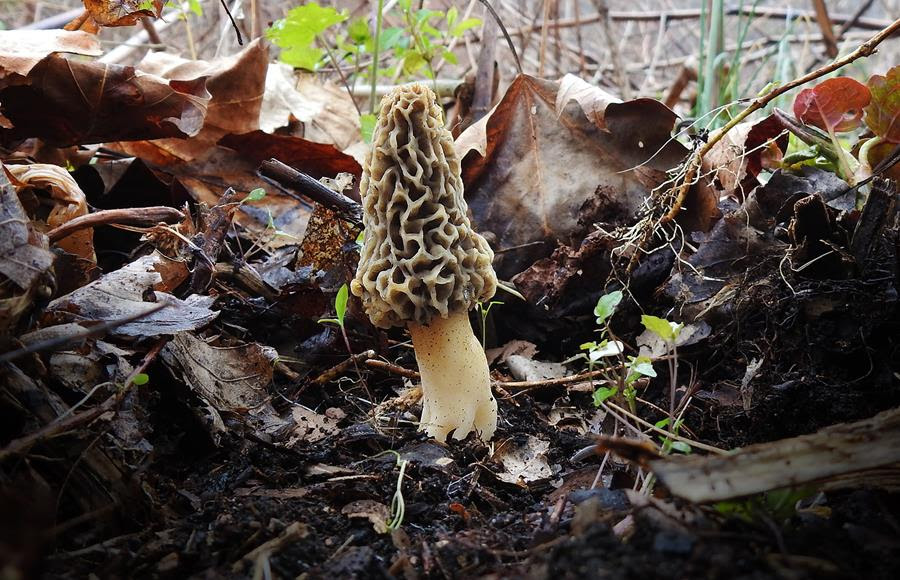
Harvesting edible mushrooms is rewarding.
Harvesting edible mushrooms that are contaminated with impurities is disappointing and potentially dangerous.
One of the most common questions I receive from concerned foragers is this:
“I hear that mushrooms bioaccumulate all kinds of substances. How do I know that the edible mushrooms I’ve harvested are safe for consumption?”
This is an issue that requires a lot of attention. Fungi, like many living organisms, can harbor all kinds of contaminants, including synthetic chemicals (e.g., pesticides and herbicides), radionuclides, and heavy metals.
While many factors remain outside the personal control of foragers, several actions can be taken to mitigate harm caused by these contaminants.
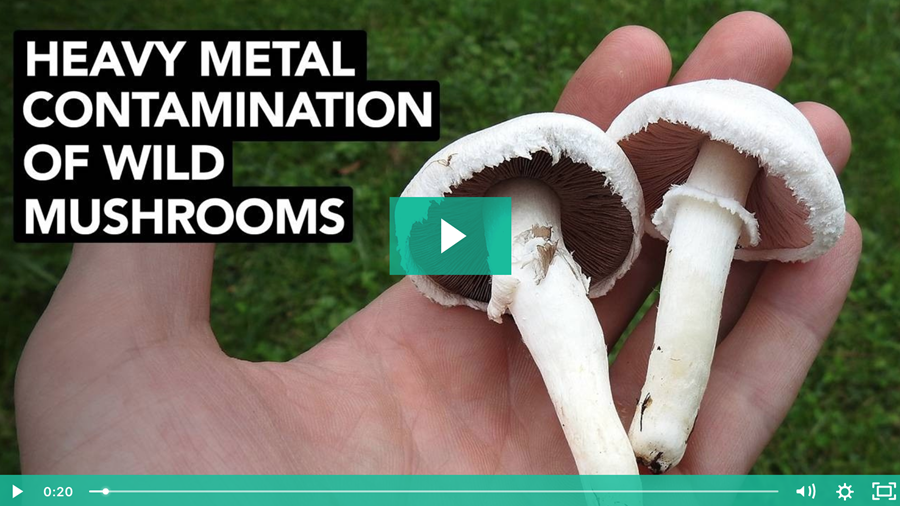
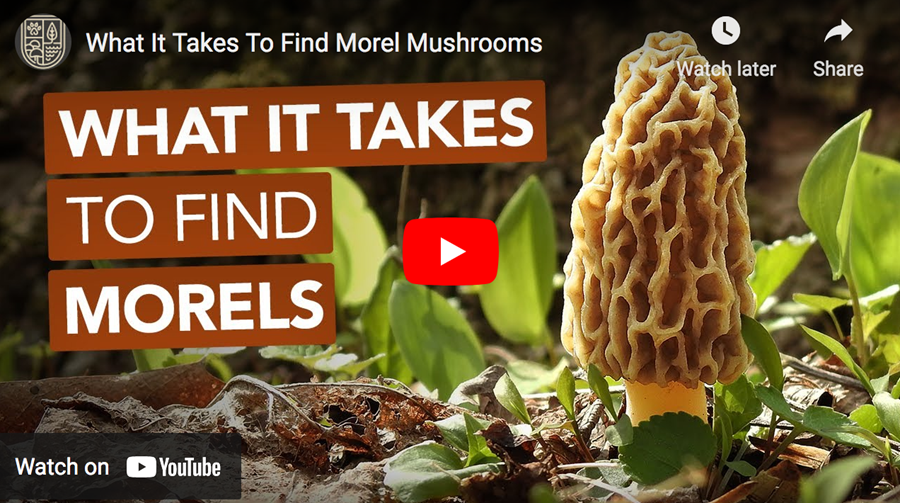
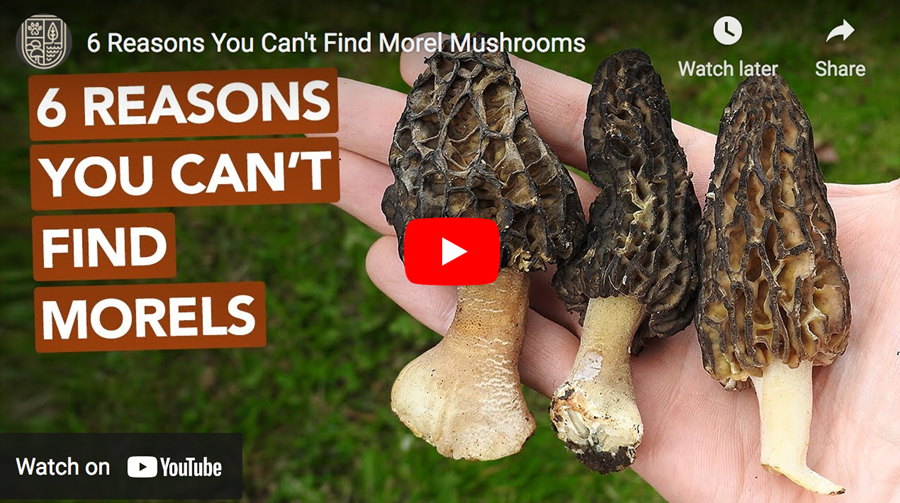
To shed light on heavy metal contamination, I created a video in which I answer 6 important questions. Information in the video includes:
- The most problematic heavy metals.
- Habitats that are known to be contaminated.
- Edible mushrooms that hyper-accumulate heavy metals.
- Specific parts of mushrooms that are most likely to concentrate heavy metals.
- Cooking techniques we can implement in the kitchen to reduce contamination.
…and lots more.
The following video is one of over 80 exclusive videos featured in Foraging Wild Mushrooms — a four-season online course designed to help you confidently and successfully forage wild mushrooms.
Registration for Foraging Wild Mushrooms is open until Monday, May 24th at midnight. After May 24th, registration will be closed.
If you’ve ever considered harvesting wild mushrooms but didn’t know where to start, or where to go, or how to discern between edible and poisonous species, Foraging Wild Mushrooms will equip you with the skills necessary to ensure that your harvests are safe and successful.
To get a sneak peek into the kinds of content found within the course, check out this video.
Please note that this video is available until Monday, May 24th, and will only be available to registered students afterwards.
Thanks for reading and watching, and thanks for your continued support.
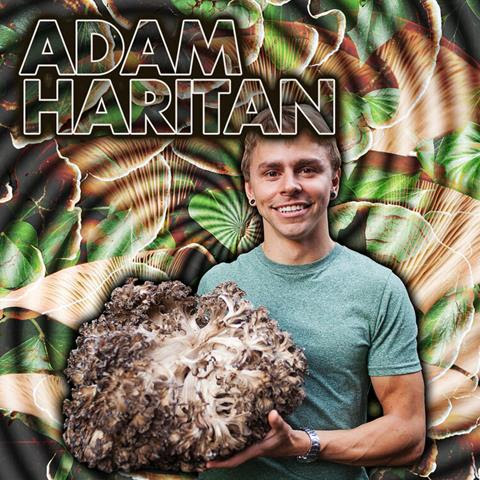
—Adam Haritan

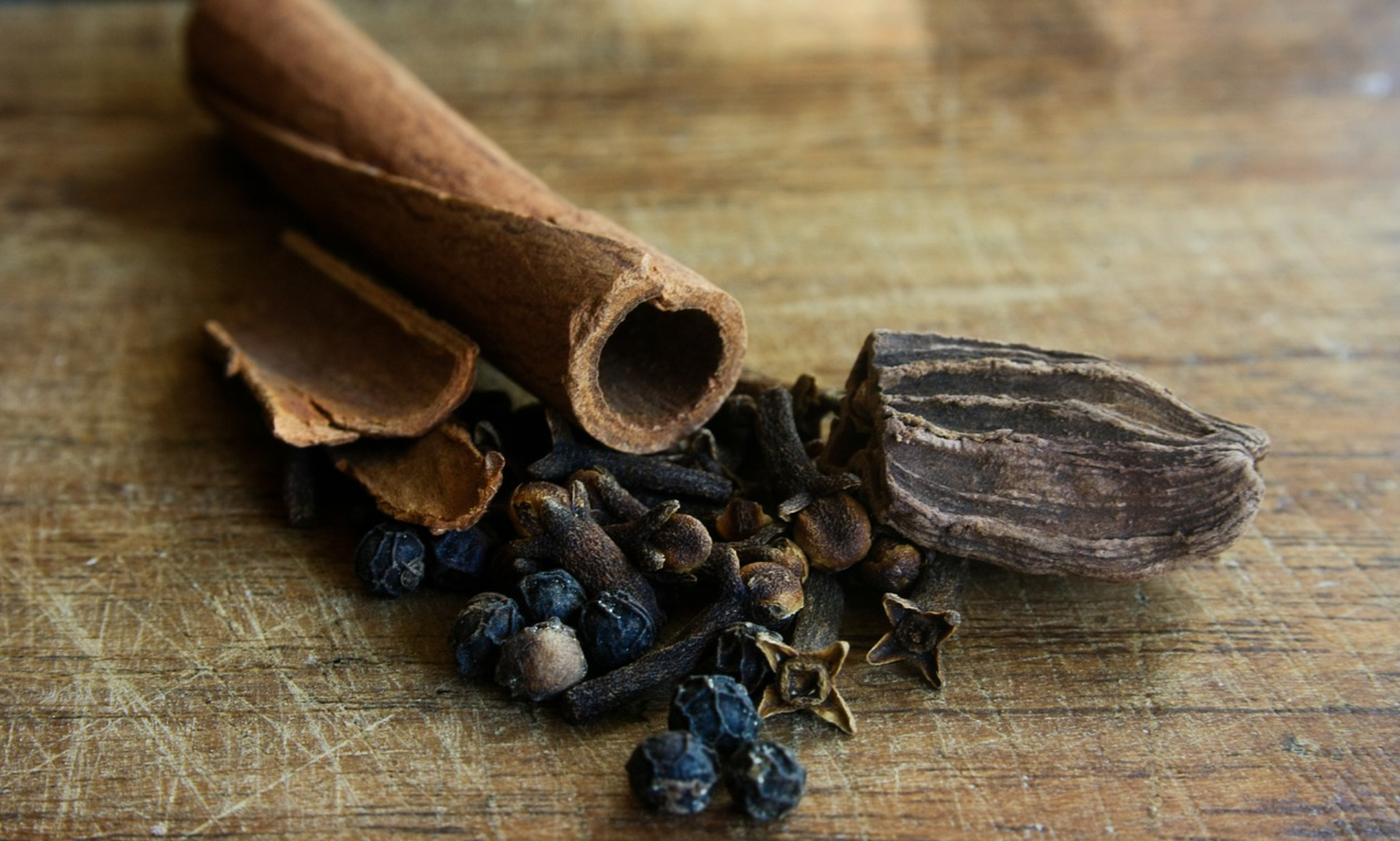 The Herb Society embraces spices as herbs, but what distinguishes an herb from a spice? An herb is the leafy part of a plant, whereas a spice is the “hard” part. So, herbs might include oregano, sage, rosemary, sorrel, and basil, to name a few. Spices, on the other hand, include the bark, root, or seed…think of cinnamon, black pepper, cloves, and nutmeg. Notable exceptions to the herb vs. spice conversation are coriander and dill. Coriander and dill seed are the seeds of the cilantro and dill plants, respectively.

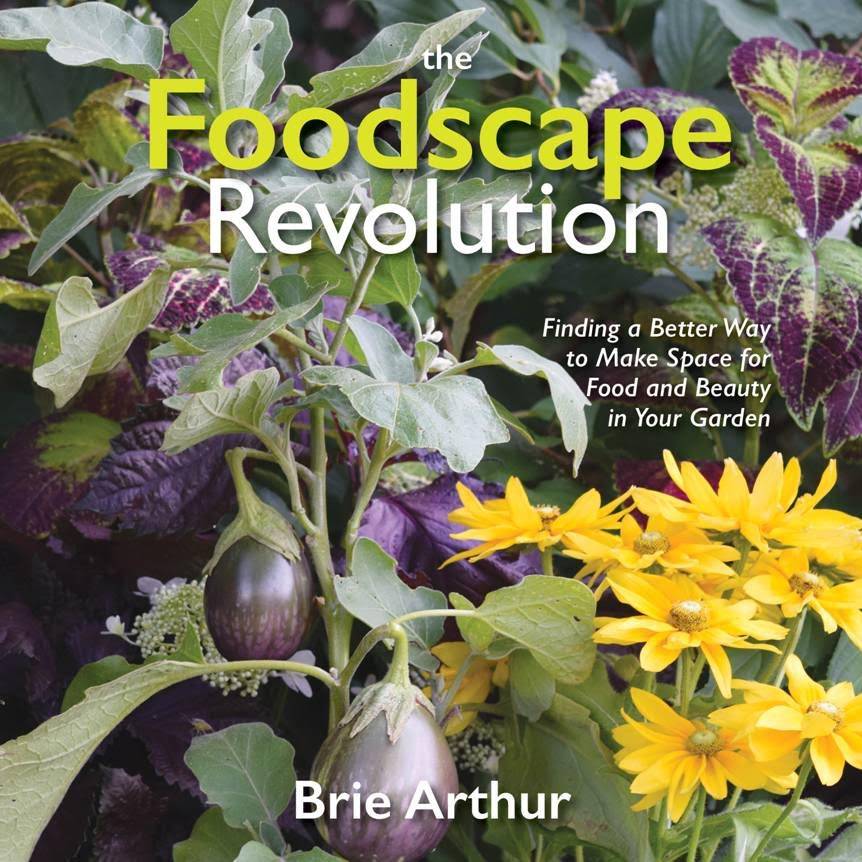 Foodscaping–it’s so simplistic. In its most basic form, it is landscaping with an edible twist. It’s the intersection of the purely ornamental garden with the purely edible or vegetable garden. Herbs, vegetables, berry-producing bushes, and fruit trees intertwine with ornamentals to become design elements.
 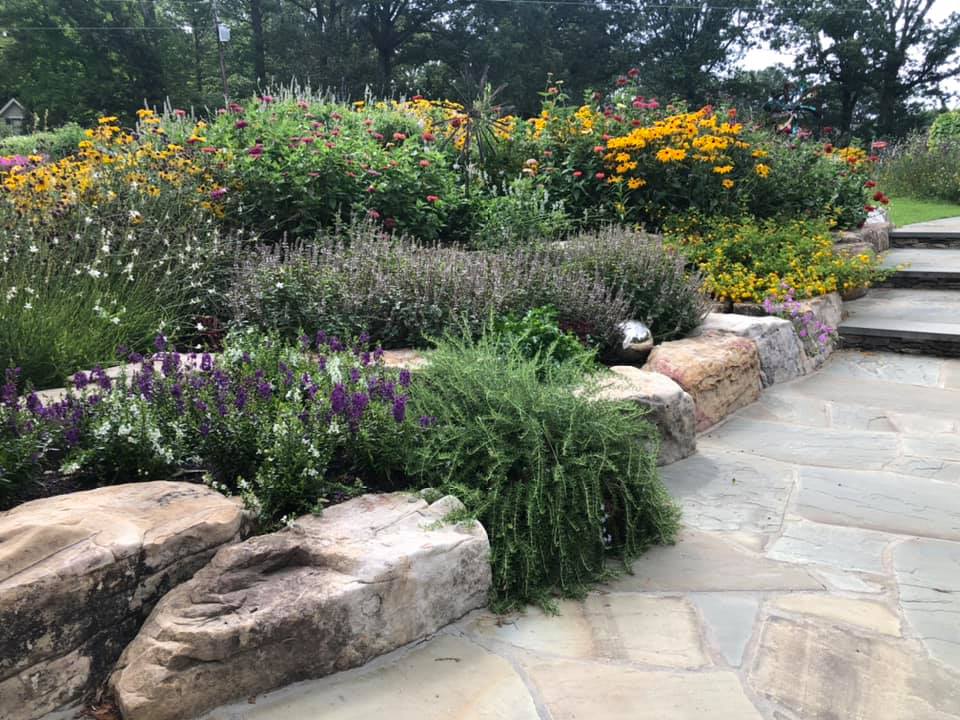 Food in our landscapes is not new. Cottage gardens and the…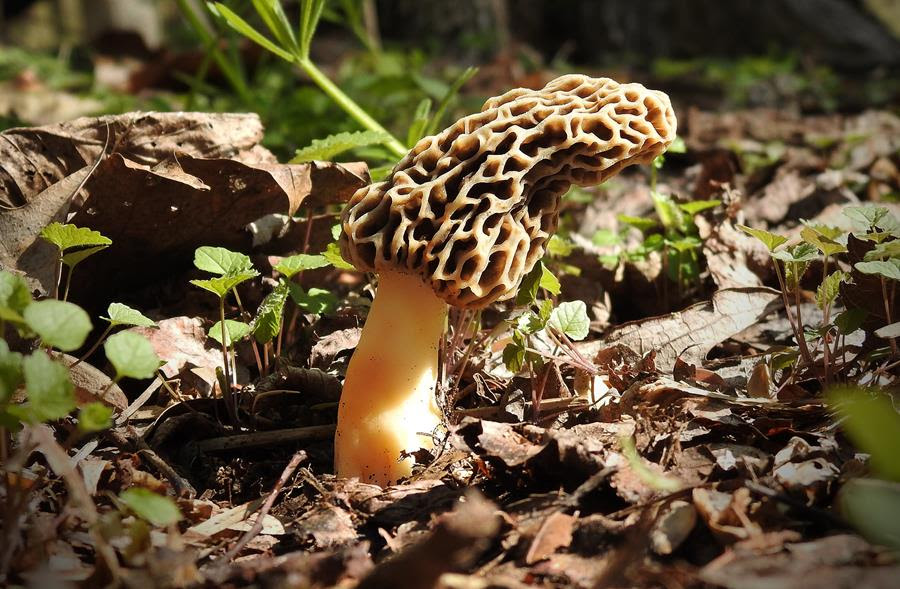

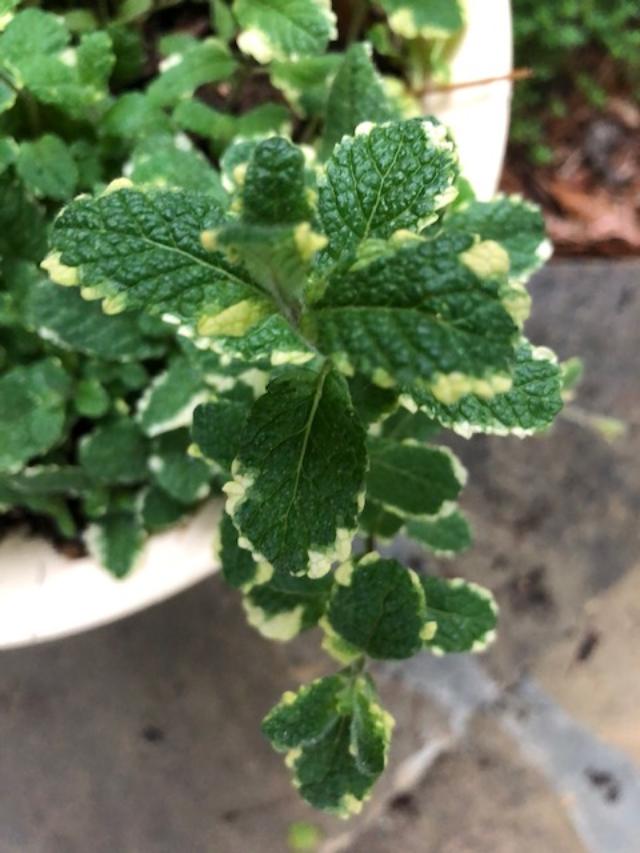 With its lime green leaves edged with a creamy white ruffle, pineapple mint is a perfect plant for the spring garden. This mint is a variegated cultivar of apple mint (

 I’m not talking about time travel.
 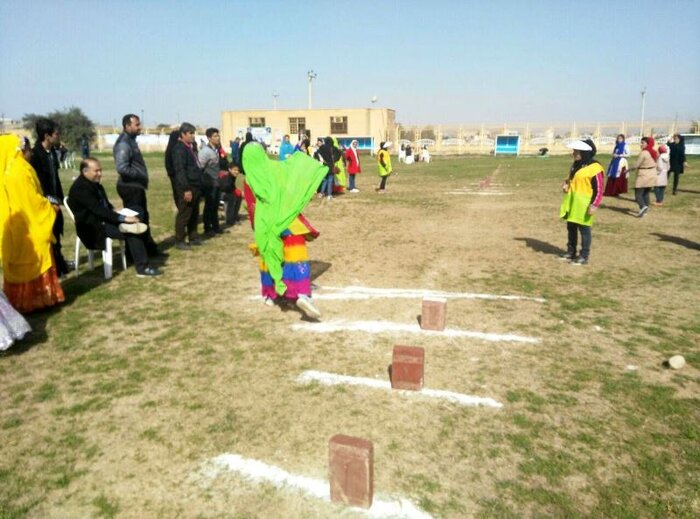 During the festivities, which start on the Wednesday before the spring equinox, Iranians will gather and jump over fires and light fireworks in observance of

 Paths I Walk
You must be logged in to post a comment.