Category: Food
A New Study Supports The Claim That This Mushroom Can Stave Off Dementia

Greetings!
I’m constantly scanning the scientific literature in search of new studies that document the healing potential of mushrooms. Recently, I encountered a study whose results lend even more support to the use of one particular mushroom for cognitive health.
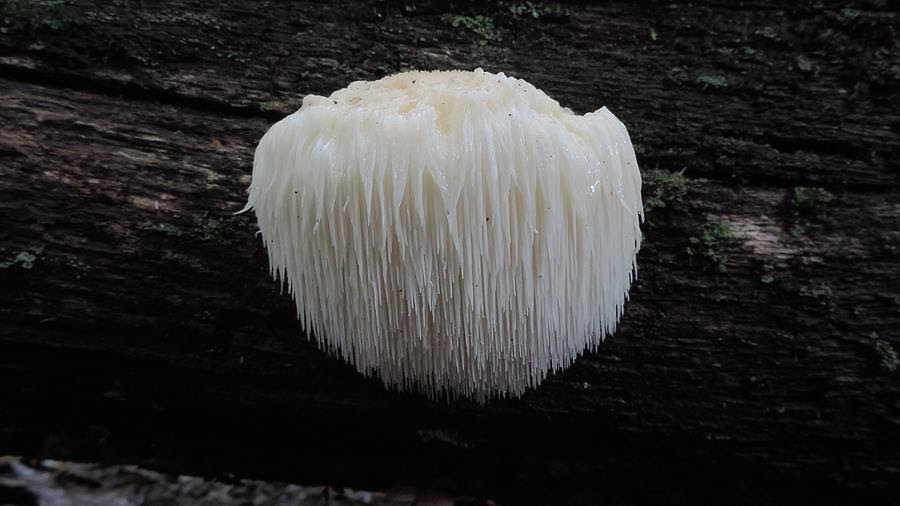
Lion’s Mane (Hericium erinaceus) is an edible mushroom whose fruiting body consists of an unbranched, cushiony mass of icicle-like spines. This fungus is a common decomposer of hardwood trees and can often be found late summer through early winter in eastern North America.
In addition to its culinary use, Lion’s Mane is valued for its potential therapeutic applications. More specifically, extracts from this fungus have been shown to offer support for the treatment of cognitive impairment and depression.
A brand new study published in the journal Biomedical Research revealed that ingestion of Lion’s Mane fruiting bodies significantly improved cognitive function in human participants.
This double-blind, randomized, placebo-controlled trial utilized 31 humans over the age of 50. Participants in the experimental group ingested 4 supplements — each containing 0.8 grams of powdered Lion’s Mane — every day for 12 weeks.
After 12 weeks of ingestion, the participants in the experimental group significantly outperformed those in the control group (participants who received a placebo) on tests that are commonly used in medicine to screen for dementia.
Researchers concluded that compounds within Lion’s Mane known as hericenones potentially have the ability to influence “brain neural networks and improve cognitive functions” (Biomedical Research, 2019).
Even better, Lion’s Mane is currently fruiting in eastern North America and will continue to make appearances throughout the next few months. In other words, you have the ability to forage your own wild medicine right now.
If you’re interested in learning how to forage Lion’s Mane and dozens of other wild fungi, don’t forget to check out what Foraging Wild Mushrooms has to offer.
This online course is designed to teach you the skills necessary to safely and confidently harvest wild fungi for food, for medicine, for study, and for fun.
Today (Monday) is the last day to enroll, as registration will close at midnight.
To learn more, you can follow this link: Foraging Wild Mushrooms
In the meantime, consider delving deeper into the fascinating world of Lion’s Mane and its ability to protect the human brain against cognitive decline. The research seems promising!
Thanks for reading, and as always, thank you for your support!
-Adam Haritan
Damson Jam

Greetings!
If you’ve taken an interest in foraging wild mushrooms, you’ve undoubtedly encountered rules of thumb that are meant to simplify the learning process.
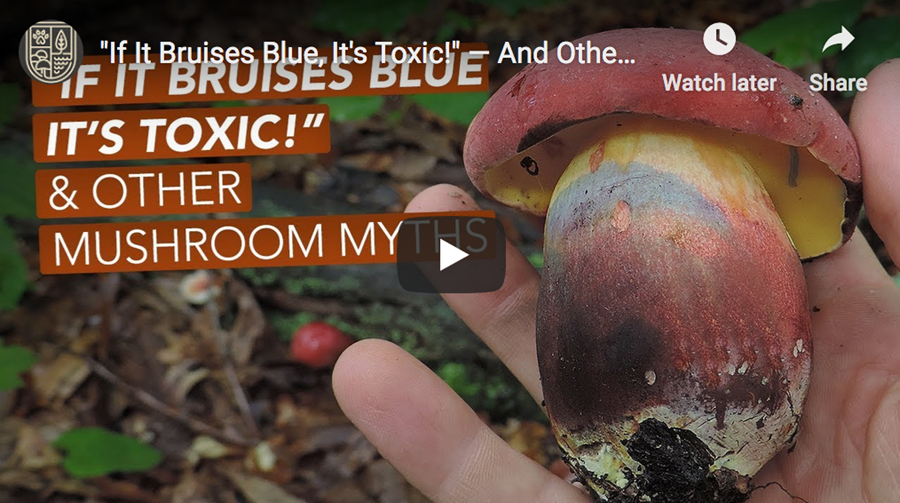
“If it bruises blue, it’s toxic.”
“Mushrooms shouldn’t be consumed with alcohol.”
“Pulling up a mushroom by its ‘roots’ is a poor harvesting technique.”
In many cases, however, well-intentioned advice and general rules of thumb turn out to be nothing more than myths.
To clear up some confusion, I thought I’d address many popular myths surrounding the foraging and consumption of wild mushrooms.
The following video is one of over 70 exclusive videos featured in Foraging Wild Mushrooms. While all content within the online course is only available to students who register within the next 4 days, I thought I’d share this video with everyone because of the timely information contained within it.
If you’re interested in foraging mushrooms for food, for medicine, for study, or just for fun, check out what Foraging Wild Mushrooms has to offer. This 4-season course covers the most important lessons to get you started and to keep you going.
To learn more, you can follow this link: Foraging Wild Mushrooms
(Don’t forget that Monday is the last day to register.)
In the meantime, here are 16 mushroom myths!
Thanks for reading and watching, and as always, thank you for your support!
-Adam Haritan
Praise of the Pumpkin


The pumpkin is a fall fruit with a rich heritage and flexible flavor that has been used for centuries.
If the tomato is the queen of garden vegetables, the pumpkin may well be the king. In fact, in some parts of China, it is called “Emperor of the garden.” And why not? No plant produces a larger edible fruit, and what other plants can yield tens (or even hundreds) of pounds of healthful, delicious eating from a single seed in only a few months’ time? Pumpkins are known and loved around the world, for their beauty as well as for the gifts they bestow so generously, asking so little in return.
What’s In A Name?
A pumpkin is a winter squash, but not all winter squash are pumpkins. Confused? So is everyone else. The Oxford English Dictionary defines pumpkin as the large fruit of Cucurbita pepo, “egg-shaped or nearly…
View original post 3,989 more words
The Small Mushrooms We’re All Overlooking (new video!)

Greetings!
Just a reminder that on Monday, September 16th, I’ll be opening registration for my online course Foraging Wild Mushrooms. This course is designed for beginner-level mushroom enthusiasts who are looking to confidently and successfully harvest wild mushrooms for food, for medicine, for study, and for fun.
If you’re interested in signing up for Foraging Wild Mushrooms, mark your calendar for Monday, September 16th and visit this link.
And now on to this week’s brand new video!
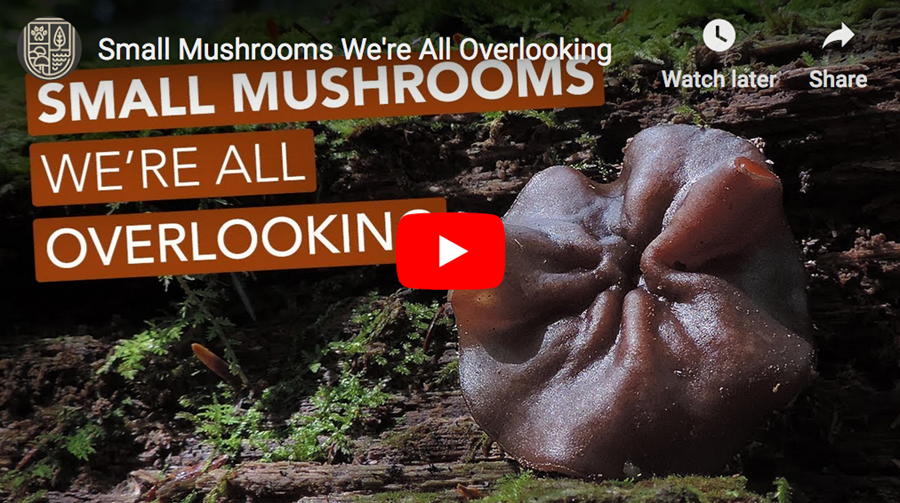
I’ve never been one to judge a mushroom based on its size. Teeny-tiny fungi can be equally as fascinating as big, beefy mushrooms.
During a recent walk through a beautiful forest, I encountered all kinds of small mushrooms whose roles were no less essential than those of the larger fungi. Rather than keep these fungal encounters to myself, I thought I’d pull out my camera and document the fun.
If you’re interested in learning some neat things about a few of the smaller mushrooms that may be growing in your neck of the woods, check out the brand new video!

Speaking of fascinating fungi, have you ever met a blue mushroom that smelled strongly of anise? Pictured here is one such fragrant fungus that commonly decomposes forest debris during the summer and autumn months. To learn more about this mushroom, and to view more photographs, check out the recent Instagram post!
Thanks for reading and watching, and as always, thank you for your support!
-Adam Haritan
Warm, Spicy Aroma of Cinnamon

The warm, spicy aroma of cinnamon wafting from baked goods and hot apple cider is one of the first and welcome signs of autumn. An ancient and beloved spice, we have long valued cinnamon to enliven cuisine, create exotic perfumes, and as a staple spice rack remedy.
Though many species of cinnamon exist, the most common is Cassia {cinnamomum cassia}, known also as Chinese cinnamon, and Ceylon {Cinnamomum zylanicum}, which is a related species of tropical evergreen trees in the Lauraceae family native to East and Southeast Asia. While Cassia is most familiar to the United States, its cousin Ceylon is considered “true” cinnamon and more popular in Europe and Mexico.

First appearing in Traditional Chinese Medical texts over 4,000 years ago, cinnamon was used to boost the immune system and unblock yang qi. The Egyptians prized it as food, perfume, and incense while Ayurvedic…
View original post 678 more words
Foraging Wild Mushrooms — Online Course Registration Opens Next Week!
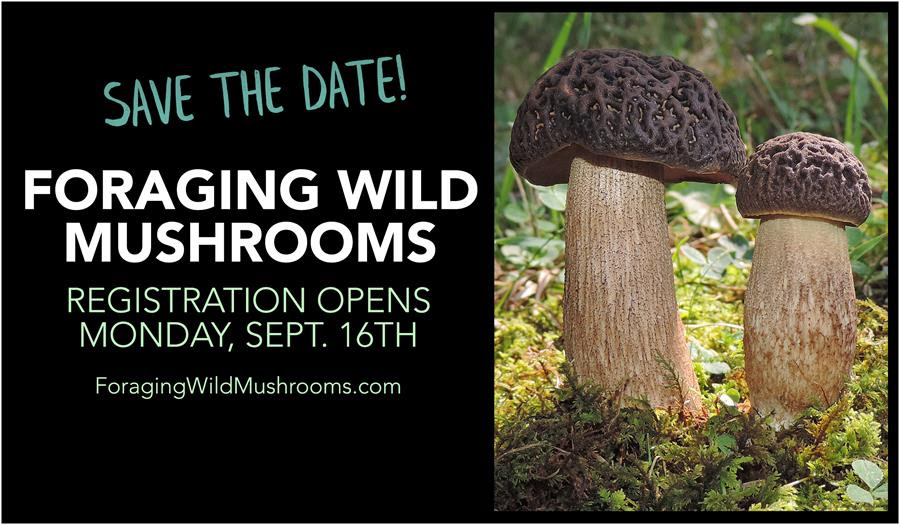

Greetings!
I’m extremely excited to announce that, in anticipation of the upcoming autumn mushroom season, registration for my online course will be open next week on Monday, September 16th. Since the course’s first launch in May, I’ve added several new videos and will continue to add them throughout the year.
Foraging Wild Mushrooms is a four-season course designed to help you confidently and successfully forage wild mushrooms. Whether you’re interested in foraging for food, for medicine, for study, or just for fun, this online course covers the most important lessons to get you started and to keep you going!
This course is presented entirely online and it features over 70 exclusive videos that cover all the essentials for beginner-level mushroom hunters, including mushroom ecology; mushroom biology; common edible mushrooms; medicinal mushrooms; poisonous mushrooms; cooking techniques; medicine-making; and more.
Upon registration, you can watch the videos at your own pace and you will have access to the course forever.
Please note that Foraging Wild Mushrooms will only be open for registration for one week only, from midnight on September 16th to Monday, September 23rd. After September 23rd, registration will be closed.
If you’re interested in signing up for Foraging Wild Mushrooms, mark your calendar for Monday, September 16th and visit this link.
I’ve derived so much enjoyment foraging wild food and medicine from the fungal kingdom over the years, and I’d love to help you experience the same life-changing thrills too!
I hope to see you on September 16th!
-Adam Haritan
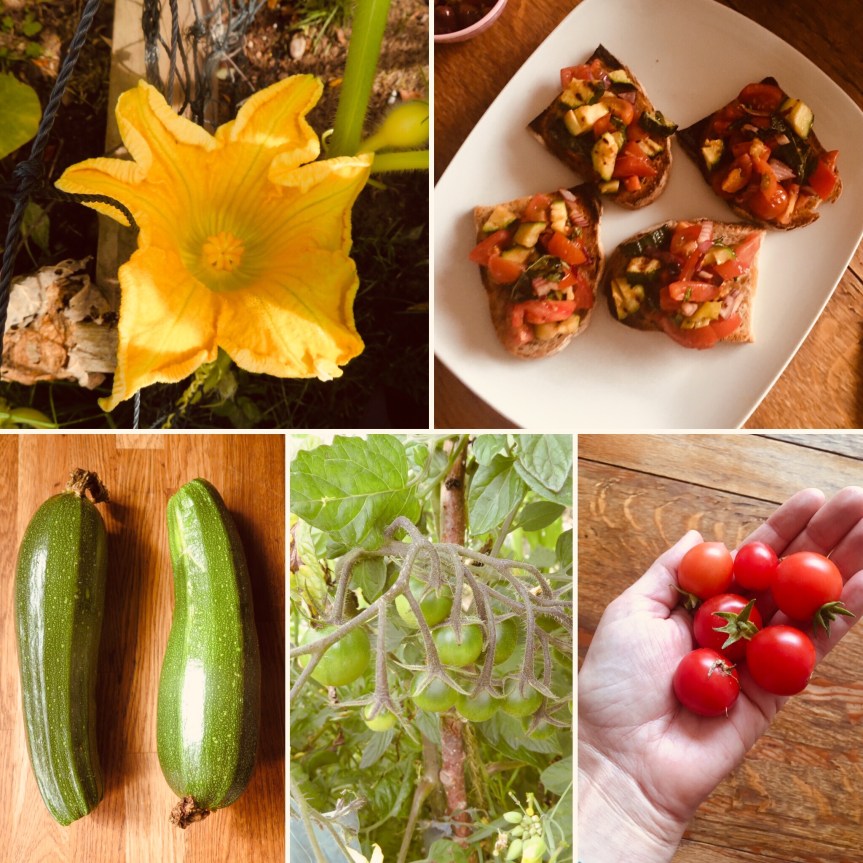
Garden Glut Tomato and Courgette Bruschetta
Deadly Delicacies from Emporium Black | Coby Michael Ward

I love introducing people to new things in the magical community. I love networking with fellow practitioners and pointing people in the right direction to help meet their needs because I know how difficult this labyrinth can be to navigate.

The chocolate was amazing and the subtle taste of the herb-infused honey was noticeable enough that you knew there was more than a trace amount of plant material in them. The exact amounts are a trade secret, and Seamus is always happy to answer any questions potential customers might have.

The rose flavor was pervasive, not in a bad way. You could taste and smell the roses long after eating the truffle, an interesting aromatic effect. The flavor was exactly like the smell of fresh roses, and not artificial at all. The effects of this truffle came on in about an hour as well.

The white chocolate coating of these…
View original post 155 more words
 Paths I Walk
You must be logged in to post a comment.